Understanding the School System (Public, Private, International) in Cyprus
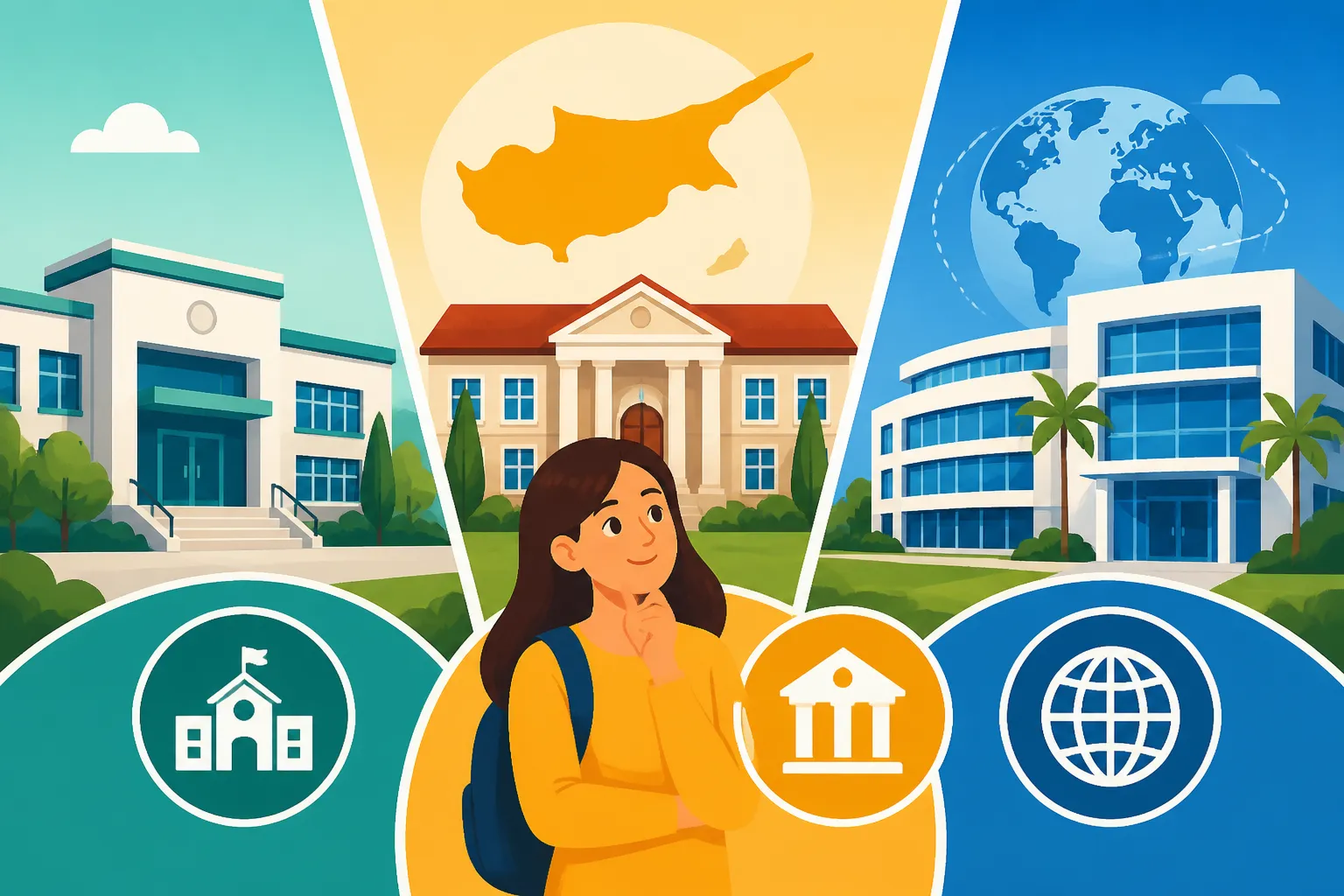
One of the biggest anxieties for expat families moving to Cyprus is undoubtedly figuring out the labyrinthine school system. It’s not just about finding a good school; it’s about understanding the different types, the curriculum nuances, the language barriers, and how to even get your child enrolled in the first place. This guide is here to untangle that complexity, offering a seasoned expat's perspective on public, private, and international education options in Cyprus, helping you make informed choices for your children.
A Glimpse into the Cypriot Education Landscape
Navigating a new country’s education system can feel like deciphering an ancient scroll, and Cyprus is no exception. While the island nation offers a robust array of schooling options, understanding their foundational structure, the stages of education, and what language your child will be learning in is absolutely paramount before you even start looking at individual institutions. It's not a one-size-fits-all situation, and what works for one family might be entirely unsuitable for another.
The Structure of Education in Cyprus
The Cypriot education system, broadly speaking, mirrors many European models, with a mix of state-funded and private institutions. Education is compulsory for children aged 5 to 15, encompassing pre-primary, primary, and lower secondary stages. You'll find a strong emphasis on academic achievement, particularly in the public system, with examinations playing a significant role as children progress through the grades. This structured approach means that transitions between stages are well-defined, often involving assessments that determine a student’s readiness for the next level.
The Ministry of Education, Sport and Youth is the governing body for all educational matters, setting the curriculum, overseeing teacher training, and establishing regulations for both public and private schools. This centralisation aims to maintain a consistent standard across the board, though naturally, individual school environments can vary greatly. For expat parents, understanding this overarching structure is the first step towards feeling more in control of your children's educational future here.
Key Stages of Learning
The journey through the Cypriot school system typically begins with pre-primary education, which is optional but highly recommended for children aged 3 to 5. While not compulsory, many parents choose this path to give their children a head start in socialisation and early learning, particularly those aiming for public primary schools where some familiarity with Greek can be a significant advantage. This stage often focuses on play-based learning and developing fundamental skills.
Primary education spans six years, from ages 6 to 12. This is where the core academic subjects are introduced and solidified, preparing students for the rigours of secondary school. Following primary is the Gymnasio (lower secondary), which lasts three years (ages 12-15), making up the compulsory secondary education phase. After Gymnasio, students have a choice: they can either continue to the Lykeio (upper secondary, three years) for more academically focused studies leading to university entrance, or opt for technical and vocational schools. This tiered approach allows for different educational pathways, catering to various student aptitudes and career aspirations.
Language of Instruction
This is often the make-or-break factor for expat families. In the vast majority of public schools across Cyprus, the primary language of instruction is Greek. While some schools might offer support for non-Greek speaking students, this is not universally guaranteed, especially in smaller towns or less multicultural areas. Children are expected to pick up Greek quickly, which can be a steep learning curve for those with no prior exposure.
Private and international schools, on the other hand, typically offer instruction in English or other European languages. This immediate accessibility to a familiar language environment is often the primary reason expat families lean towards these options. However, even in English-speaking schools, Greek is usually taught as a second language, which is wonderful for integration but also another academic demand on your child. Before you commit, it’s crucial to thoroughly investigate the language policy and support available, ensuring it aligns with your child’s needs and your family’s long-term integration goals. For more on living here, check out The Complete Guide to Moving to Cyprus: Your First 90 Days (2027).
Public Schools in Cyprus: The Local Experience
When considering public schools in Cyprus, it's essential to manage expectations and understand what you're signing up for. For many expat families, the idea of free education is incredibly appealing, and the opportunity for deep cultural immersion is undeniable. However, it's not without its challenges, particularly regarding language and curriculum differences. This option truly provides an unfiltered glimpse into Cypriot daily life and culture, but requires a significant commitment from both parents and children to adapt.
Pros and Cons for Expat Children
Let's be frank: the most significant advantage of public schools is that they are entirely free for permanent residents, including those holding a [Pink Slip (Temporary Residence) in Cyprus (2026)] or EU citizens registered with a Yellow Slip. This can dramatically reduce the cost of living in Cyprus, freeing up funds for other family priorities. Beyond the financial aspect, public schools offer unparalleled opportunities for cultural integration. Your children will be immersed in Greek language and Cypriot customs, making local friends and truly becoming part of the community. This can be invaluable for families planning a long-term stay. Learning Greek also offers practical benefits for daily life, from navigating local shops to understanding local bureaucracy.
However, the cons are considerable and often revolve around language. For children who don't already speak Greek, the initial period can be incredibly difficult and isolating. While some public schools in more expat-heavy areas like Limassol or Paphos may have experience with non-Greek speakers, dedicated language support programs are not as widespread or intensive as you might find in some other European countries. The curriculum is delivered in Greek, and while children are incredibly resilient, catching up academically while simultaneously learning a new language is a significant undertaking. Parents often report a steep learning curve, requiring extra tutoring or home support during the first year or two. Additionally, the curriculum is naturally focused on the Cypriot and Greek national context, which might differ significantly from your home country's educational framework, potentially causing issues if you plan to return or move to another country with a different system.
The Enrollment Process for Public Schools
Enrolling your child in a Cypriot public school is generally a straightforward process once you have your residency in order. The primary requirement is proof of residence within the school's catchment area. This means the school your child attends will be determined by your home address. The Ministry of Education assigns schools based on geographical zones to ensure equitable distribution of students. Therefore, where you choose to live directly impacts which public school your child can attend. When you're searching for The Best Places to Live in Cyprus for Expats: A Complete Guide (2027), keep school catchment areas firmly in mind.
You'll need a range of documents, including your child's birth certificate, your Alien Registration Card (ARC) or Yellow Slip, proof of address (utility bills often suffice), and vaccination records. It’s always best to contact your local District Education Office or the specific school well in advance of the academic year, which typically starts in September. They can provide the most up-to-date list of required documents and any specific registration deadlines. Don't underestimate the need for proper documentation; administrative processes in Cyprus often require meticulous attention to detail.
Curriculum and Language in Public Institutions
The curriculum in Cypriot public schools is determined by the Ministry of Education, Sport and Youth and largely follows a national framework designed to foster a strong academic foundation. Core subjects include Greek Language, Mathematics, Sciences (Physics, Chemistry, Biology), History, Geography, Religious Education, Arts, and Physical Education. English is taught as a compulsory second language from primary school onwards, but the depth and fluency achieved can vary greatly depending on the school and individual teachers. The overall focus is on preparing students for the national examinations that facilitate progression through the educational stages and, ultimately, for entry into Cypriot or Greek universities.
As mentioned, the primary language of instruction is Greek. For non-Greek speaking expat children, this means a full immersion experience. While teachers are often empathetic, they are primarily there to deliver the curriculum in Greek, and comprehensive ESL (English as a Second Language) programs are not a standard feature across all public schools. In some urban areas with higher expat populations, schools might have informal support structures or teachers who are particularly skilled at helping non-native speakers, but this is not something to rely upon. Parents often find themselves investing in private Greek language tutors for their children, especially in the initial year, to help bridge the linguistic gap and ensure their child can keep up with the coursework. This added expense, while not part of the 'free' education, is often a necessary investment.
Private Schools: A Common Expat Choice
For many expat families, private schools in Cyprus strike a comfortable balance between offering a familiar educational environment and still being part of the Cypriot community. These schools are numerous, particularly in the major cities, and often cater specifically to an international clientele, providing curricula and teaching methods that might align more closely with what families are used to from their home countries. The financial investment is, of course, a significant factor, but for many, the perceived benefits in terms of language, curriculum continuity, and facilities are well worth it.
Funding, Ethos, and Offerings
Private schools in Cyprus are independently funded, primarily through tuition fees paid by parents. This financial autonomy allows them greater flexibility in curriculum design, staffing, and facilities compared to public institutions. While they are still regulated by the Ministry of Education, they often have their own distinct ethos, values, and pedagogical approaches. Some private schools might have a religious affiliation, others might focus on specific educational philosophies (e.g., Montessori), and many simply aim to provide a high-quality, often English-medium, academic education.
The offerings in private schools are typically more diverse than in public ones. You can expect a broader range of extracurricular activities, from various sports and arts programs to clubs focused on robotics, debate, or environmentalism. Class sizes are generally smaller, allowing for more individualised attention from teachers. Facilities are often state-of-the-art, with modern classrooms, science labs, libraries, and dedicated sports complexes. This comprehensive environment is a major draw for expat parents who want to ensure their children have access to a well-rounded education that goes beyond the core academic subjects.
Curriculum Variety and Language Options
One of the biggest appeals of private schools is the variety of curricula they offer. While many will follow a modified Cypriot curriculum taught in English, others might offer British, American, or even European Baccalaureate (EB) programmes. For example, you’ll find schools offering the UK National Curriculum, leading to IGCSEs and A-Levels, which are widely recognised for university entry globally. This diversity is incredibly beneficial for families who anticipate further international moves or whose children plan to attend universities outside of Cyprus. It provides a sense of continuity and predictability that is often lacking in the public system for expat children.
The language of instruction is usually English, making the transition significantly smoother for non-Greek speaking students. While Greek is typically taught as a compulsory subject to integrate students into the local culture, the primary language of daily lessons, textbooks, and social interaction is English. This eliminates the steep linguistic barrier faced in public schools and allows children to focus on their academic subjects without the added stress of learning a new language simultaneously. Some private schools may also offer additional languages, like French or German, further enriching the linguistic exposure for students.
Admissions, Fees, and Waiting Lists
Gaining admission to a private school usually involves an application process, which may include entrance examinations, interviews, and a review of previous school reports. It’s highly advisable to apply well in advance, as popular private schools, especially in cities like Limassol and Nicosia, can have waiting lists, particularly for certain age groups. Schools often open applications a year or even more before the intended enrollment date, so early planning is crucial, even when you're in the midst of your big relocation, perhaps using a service like Sirelo to manage your move.
Tuition fees for private schools vary significantly depending on the school's reputation, location, facilities, and the age of the student. Generally, fees increase with age. As a rough guide, you might expect to pay anywhere from €4,000 to €10,000+ per year, often excluding additional costs for uniforms, textbooks, extracurricular activities, and school trips. Some schools also charge a non-refundable application fee and a one-time registration fee. It’s vital to get a full breakdown of all costs upfront when considering a private school to avoid any unwelcome surprises. This cost factor is a major differentiator from the public system, requiring careful budgeting, which links closely to The Cost of Healthcare in Cyprus: A Complete Breakdown for Foreigners (2026) or your general Cost of Living in Cyprus for Expats (2026).
International Schools: Familiarity and Global Pathways
For many expat families, especially those with an eye on global mobility or specific university pathways, international schools are often the preferred choice. These institutions are designed from the ground up to cater to a diverse student body, offering curricula that are globally recognised and environments that are sensitive to the unique needs of children moving between countries. While they represent the most significant financial investment in education, they often deliver on the promise of familiarity, academic rigour, and a truly international outlook.
Accreditation and Curriculum Models
International schools in Cyprus are typically accredited by international bodies, ensuring that their curriculum and standards meet globally recognised benchmarks. Common accreditation bodies include the Council of International Schools (CIS), the New England Association of Schools and Colleges (NEASC), or various national accreditations like British Schools Overseas (BSO). This external validation offers peace of mind to parents regarding the quality and transferability of the education.
The curricula offered are usually international programmes such as the International Baccalaureate (IB) Primary Years Programme (PYP), Middle Years Programme (MYP), and Diploma Programme (DP), or national curricula like the English National Curriculum (leading to IGCSEs and A-Levels) or the American High School Diploma system. These curricula are designed to be portable, making it easier for students to transition if their family moves to another country. They also provide direct pathways to universities worldwide, with the IB Diploma, for example, being highly valued by top institutions globally. The emphasis is often on critical thinking, inquiry-based learning, and developing internationally minded citizens.
Target Audience and Diverse Student Body
International schools primarily target expat families, diplomatic communities, and increasingly, affluent local families who desire a global education for their children. The student body is remarkably diverse, often comprising dozens of nationalities. This multicultural environment is a huge benefit, as children learn alongside peers from different backgrounds, fostering cultural understanding, empathy, and a global perspective from a young age. It can also make the transition to a new country much less daunting for children who might otherwise struggle with culture shock or language barriers.
Teachers in international schools are typically recruited from around the world, often bringing diverse teaching methodologies and experiences. They are usually accustomed to working with students from various educational backgrounds and with different levels of English proficiency. This global outlook extends to the school’s ethos, which often promotes international mindedness, cross-cultural communication, and a strong sense of community amongst its transient population.
Cost, Competition, and Added Value
The cost of international schools in Cyprus is substantially higher than private or public options. Annual tuition fees can range from €7,000 to over €15,000, and sometimes even more for senior years, not including admission fees, capital levies, uniforms, trips, and extensive extracurriculars. This represents a significant financial commitment, one that often needs to be factored into your overall budget for living in Cyprus. For families where education costs are covered by an employer, this is often the default choice.
Due to their popularity and the limited number of truly international schools, competition for places can be fierce, particularly in popular cities like Limassol and Nicosia. Waiting lists are common, especially for early years and specific grade levels. Therefore, applying far in advance and having all your documents in order is essential. Staying connected during this process is crucial, and having reliable mobile data through an eSIM from providers like Airalo can be incredibly useful for coordinating applications, attending virtual meetings, and keeping in touch with admissions offices from abroad or upon arrival.
The "added value" of international schools often comes in the form of extensive resources, highly qualified and often internationally experienced staff, a broad range of extracurricular activities, excellent university counselling services, and a network that supports students through global transitions. For families prioritising a seamless educational journey that prepares their children for a global future, the investment is often considered worthwhile, despite the high price tag.
Navigating the Application Process and Key Considerations
Choosing a school in Cyprus isn't just about picking a type; it’s about a meticulous process of application, documentation, and careful consideration of what truly suits your child and your family's circumstances. It can feel overwhelming, especially when you're also dealing with all the other aspects of relocating. But taking it step-by-step, armed with the right information, can make it a manageable and even exciting part of your move.
Essential Documents for Enrollment
Regardless of whether you're aiming for a public, private, or international school, there’s a consistent set of documents you’ll need to gather. Being prepared with these before you start contacting schools will save you a lot of hassle and potential delays. You’ll definitely need your child’s birth certificate (an attested copy, sometimes translated into Greek or English by a certified translator). Your residency documents are crucial – this could be your [Yellow Slip (MEU1) for EU citizens] or your Pink Slip (Temporary Residence Permit) or other relevant visa/residence permit for non-EU citizens. Schools will need proof of your legal right to reside in Cyprus.
You’ll also need proof of address (a rental agreement, utility bills under your name, etc.), your child’s full vaccination records (translated if necessary), and previous school reports or academic transcripts. For older children, especially those entering secondary school, letters of recommendation from previous teachers might be requested. Some schools, particularly private and international ones, will also ask for copies of your passports. Always remember that official documents might need to be apostilled or legalised, depending on your country of origin and Cypriot requirements. Double-check this with the Civil Registry and Migration Department or the school directly. For more details on necessary permits, see Understanding Residence Permits and the Pink Slip in Cyprus (2027).
Key Factors to Consider
Beyond the obvious choices between public, private, and international, several nuanced factors deserve your careful consideration:
- Location and Commute: Cyprus, especially in major cities, can have significant traffic. Consider the proximity of the school to your home and your work. A long daily commute can be exhausting for children and parents alike. Look at your chosen area (e.g., How Much Does It Cost to Rent an Apartment in Limassol in 2026?) and then research nearby schools.
- Child's Personality and Needs: Is your child adaptable? Do they thrive in diverse environments, or do they need familiarity? A highly sensitive child might struggle more with a sudden immersion into a Greek-speaking public school than a more outgoing, resilient one. Consider their age too; younger children often pick up new languages faster than teenagers. If your child has specific learning needs, ensure the school has the resources and support staff to cater to them.
- Future Plans: Do you plan to stay in Cyprus long-term, or is this a temporary assignment? If you foresee moving again in a few years, an international curriculum might offer better continuity. If you plan to remain in Cyprus indefinitely, the local public system could be a great choice for true integration.
- Curriculum Alignment: For older children, especially those approaching university, research how well the school's curriculum aligns with your target university systems. An IB Diploma or A-Levels from an international school can smooth the path to UK, US, or other European universities.
- Extracurricular Activities: A well-rounded education isn't just about academics. Look at the range of sports, clubs, and artistic pursuits offered. These can be crucial for a child's social development, physical health, and discovering new passions.
Financial Implications and Budgeting
Education, especially private and international, is a significant financial outlay. Beyond tuition fees, remember to budget for:
- Application and Registration Fees: These are often non-refundable and can add up.
- Uniforms: Most private and international schools require uniforms, which can be costly, especially if multiple sets are needed.
- Textbooks and Supplies: Some schools include these, others charge separately.
- Extracurricular Activities: Sports, music lessons, clubs – these often come with additional fees.
- School Trips: Educational excursions, both local and international, can incur extra costs.
- Transportation: If the school doesn't offer transport, or if your home is far, factor in fuel costs or private transport fees.
- Tutoring: As mentioned, even in English-speaking schools, some children might need extra support, whether for Greek language acquisition or specific academic subjects.
When you are assessing your Cost of Living in Cyprus for Expats (2026), these educational expenses should be a major line item. It's not just the sticker price of tuition, but the cumulative effect of all these smaller, recurring costs that can impact your family budget.
Beyond the Classroom: Supporting Your Child's Education Journey
Enrolling your child in school is just the beginning of their educational adventure in Cyprus. As expat parents, your role extends far beyond paperwork; it involves actively supporting their learning, facilitating their social and emotional integration, and navigating cultural differences that may arise. This holistic approach ensures not just academic success, but also a happy, well-adjusted child in their new Cypriot home.
Extracurricular Activities and Social Integration
One of the best ways to help your child settle in and make friends is through extracurricular activities. Most schools, both private and international, offer a wide array of options, from team sports like football and basketball to individual pursuits like swimming, tennis, gymnastics, or dance. Arts programs, music lessons, drama clubs, and various academic societies (e.g., debate, science club, coding) are also common. Public schools might have fewer formal clubs but often have local sports associations or community groups that children can join.
Encourage your children to explore these opportunities, even if it's something entirely new to them. It’s a fantastic way to develop new skills, build confidence, and forge friendships outside the classroom setting. For younger children, playdates and birthday parties are also vital for socialisation. For teenagers, finding common interests can ease the transition into a new social circle. Remember, every child is different, but a rich extracurricular life can significantly boost their integration and sense of belonging.
Parental Involvement and Communication
Your active involvement as a parent is crucial, regardless of the school type. In public schools, showing interest and attempting to communicate in Greek (even basic phrases) can go a long way in building rapport with teachers. If you don't speak Greek, don't worry, many teachers in Cyprus have at least some English proficiency, and you can often find other expat parents who can help translate or guide you. In private and international schools, communication is typically in English, and there are often more formal structures for parental involvement, such as Parent-Teacher Associations (PTAs), school boards, and regular communication channels (newsletters, parent portals, email updates).
Attend parent-teacher conferences, school events, and workshops. Volunteer for school activities if your schedule permits. Being visible and engaged shows your child that you value their education and also helps you build a support network with other parents. This network can be invaluable for sharing experiences, getting recommendations, and simply having someone to chat with who understands the expat journey. Don't hesitate to reach out to the school directly if you have concerns or questions; proactive communication is always best.
Cultural Integration Tips for Expat Families
Moving to Cyprus isn't just a geographical change; it's a cultural one. Your children will be exposed to new customs, traditions, and ways of life, both in school and in their daily interactions. Embrace this! Encourage them to learn basic Greek phrases, even if they're in an English-speaking school; it shows respect and opens doors. Perhaps consider enrolling them in a casual Learning Greek for Living in Cyprus: A Complete Guide for Expats class. Introduce them to Cypriot cuisine, music, and local festivals. Visiting historical sites and exploring the island's natural beauty can also foster a deeper connection to their new home.
Be patient with them (and yourselves!) as they navigate potential culture shock or identity shifts. It’s normal for children to feel a mix of excitement, confusion, and sometimes frustration. Validate their feelings, listen to their experiences, and remind them that adapting takes time. Celebrate their small victories, whether it’s making a new friend, understanding a new word, or participating in a school event. Your positive attitude and support will be their anchor as they adjust to their new life in Cyprus.
| Feature | Public Schools (State) | Private Schools (Local & International) | International Schools (Primarily Expat) |
|---|---|---|---|
| Funding | Government-funded | Tuition fees | High tuition fees, often external grants/donations |
| Language of Inst. | Primarily Greek (English as a second language) | Primarily English (Greek as a second language, other options possible) | Primarily English (or other major world language), Greek often optional/secondary |
| Curriculum | Cypriot National Curriculum | Cypriot, British, American, European Baccalaureate, etc. | IB, British (IGCSE/A-Level), American (AP), often externally accredited |
| Cost | Free (nominal fees for books/materials) | Medium (typically €4,000-€10,000+ per year) | High (typically €7,000-€15,000+ per year) |
| Student Body | Predominantly Cypriot, some expat children | Mix of Cypriot and expat children | Highly diverse, primarily expat children |
| Facilities | Standard, variable quality | Good to excellent, often purpose-built | Excellent, state-of-the-art facilities |
| Extracurriculars | Limited formal options, reliance on local clubs | Good range of sports, arts, clubs | Extensive range of sports, arts, academic, community clubs |
| University Path | Primarily Cypriot/Greek universities | Global recognition, pathways to UK, EU, US universities | Strong global recognition, direct pathways to top global universities |
| Cultural Immersion | High | Medium to High | Medium (within school environment) |
| Parental Involvement | Informal, often requires Greek communication | Formal structures, English communication | Formal, highly structured, English communication |
Disclaimer
The information provided in this guide is intended for general informational purposes only and does not constitute legal, financial, or educational advice. While we strive to ensure accuracy, school systems, policies, and fees are subject to change. It is always recommended to consult with the relevant Cypriot authorities, individual schools, and professional advisors for the most current and specific information regarding your personal circumstances.