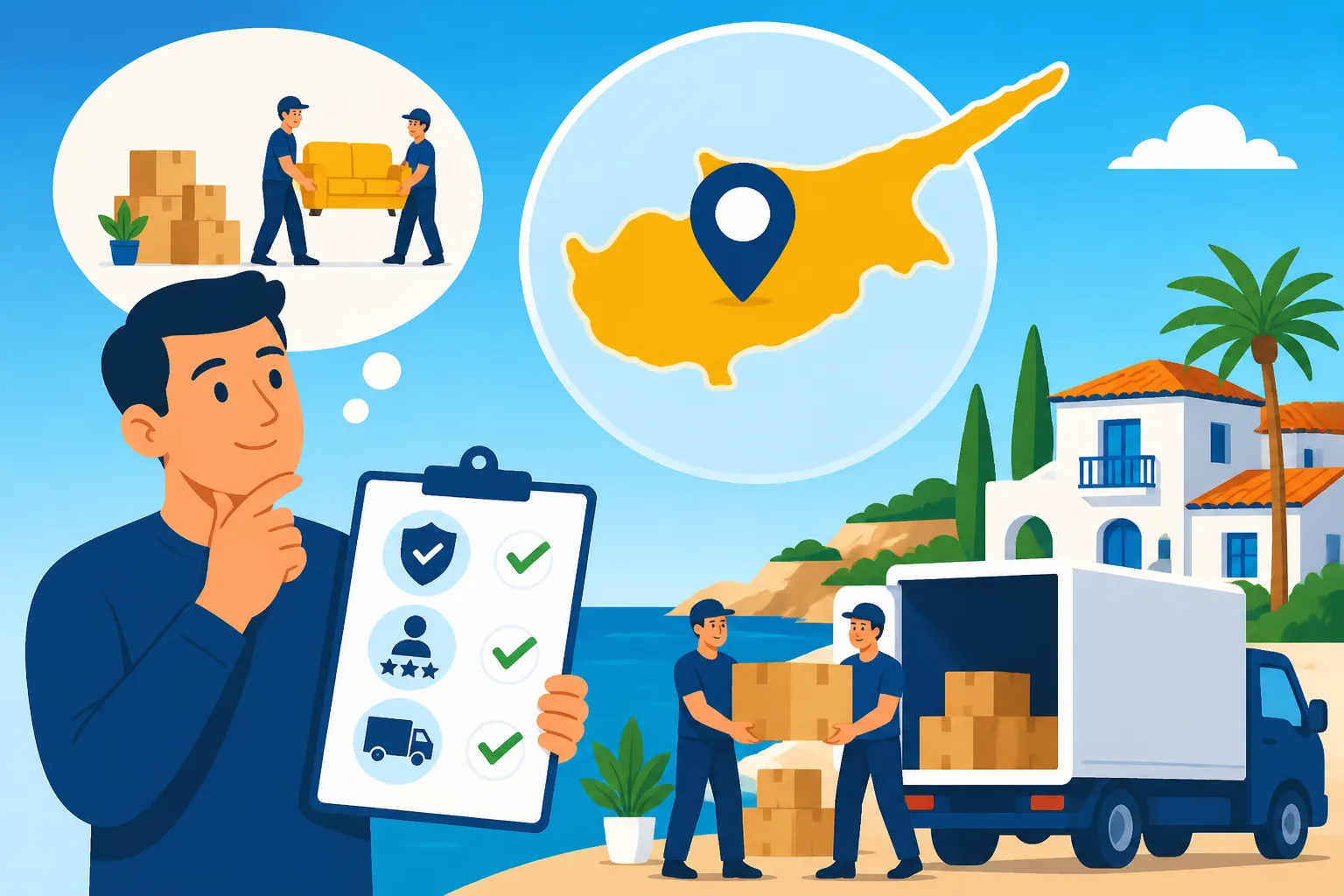
How Do I Find a Reliable Moving Company to Cyprus?
Moving to Cyprus is an adventure, isn't it? The thought of sun-drenched beaches and a relaxed pace of life is incredibly alluring, but let’s be honest, the reality of getting all your worldly possessions from Point A to this beautiful island paradise can feel like navigating a bureaucratic labyrinth designed by the gods themselves. The last thing you want is for your treasured belongings to end up in a different country or, worse, damaged and with hidden charges that could fund a small army. This guide is here to walk you through the often-stressful process of finding a truly reliable moving company to bring your life to Cyprus, ensuring a smoother transition to your new home.
The Unique Hurdles of Moving to an Island Nation
You might think moving is just moving, but relocating to an island like Cyprus comes with its own distinct set of challenges that can catch even the most seasoned expat off guard. Forget about simply driving a truck across a border; we're talking about sea freight, customs complexities, and local delivery quirks that demand a moving company with specific expertise.
Firstly, there's the geographical reality. Everything comes by sea or air. Sea freight is typically the most economical option for larger household goods, but it involves longer transit times, multiple handling points, and adherence to international shipping regulations. Air freight is faster but prohibitively expensive for anything beyond a few urgent boxes. A moving company needs to be intimately familiar with these logistics, including the best routes to Cyprus's main ports like Limassol, and how to manage the transfer of goods from the port to your final destination, whether that's a bustling apartment in Nicosia or a quiet villa in Paphos.
Then, you hit the Cypriot customs. Oh, customs! This is where many well-intentioned moves falter. The paperwork required can be extensive, and any tiny error can lead to significant delays, storage fees, and an overall headache. You need a company that knows the ins and outs of Cypriot import regulations, including any exemptions you might be eligible for as a returning citizen or new resident. They should be able to guide you through preparing documents like your packing list, passport copies, residence permit, and proof of address well in advance, and ideally, handle the actual clearance process on your behalf. The frustration of dealing with a system that often operates at its own pace is very real, and having a professional navigate it can be a true lifesaver.
Laying the Groundwork: Early Planning and Research are Your Best Friends
Before you even start looking at specific moving companies, take a deep breath and prepare yourself. This isn't a last-minute job; planning for an international move to Cyprus should begin months in advance. The more organized you are, the less stress you'll experience.
Decluttering and Inventory: What Really Needs to Come?
Seriously, take this time to declutter. Moving is expensive, and every item you ship adds to the cost. Go through your belongings room by room. Do you really need that old armchair, or could you find something lovely and new in one of the furniture shops in Limassol or Nicosia? Consider the climate too – a heavy winter coat collection might not be as essential in Cyprus as it was back home, though you'll still need some warmer layers for the mild winters. Create a detailed inventory of what you plan to take. This isn't just for your own organization; it’s a crucial document for getting accurate quotes, for insurance purposes, and for customs clearance. Be meticulously honest with yourself about what's coming, and remember, less is often more when crossing continents.
Understanding Your Moving Timeline and Budget
International moves aren't instantaneous. Sea freight can take anywhere from 4-8 weeks, sometimes more, depending on your origin country and any unforeseen delays. Factor this into your planning. Will you need temporary accommodation when you first arrive? Do you have essentials you'll need immediately? Many expats find it useful to ship a small amount of crucial items via air freight or take them as extra luggage, while the bulk travels by sea.
Financially, be realistic. Moving to Cyprus, like any international relocation, comes with costs that extend beyond just the mover's fee. Think about new furniture, setting up utilities, initial groceries, and maybe even a new set of wheels given that Do I need a car to live in Cyprus?. A clear budget will help you understand what you can afford in terms of moving services and will prevent nasty financial surprises down the line. Remember, securing your finances early, perhaps by understanding How to open a bank account at a Cypriot bank as a foreigner, will make the entire process smoother.
Navigating the Search: Where to Find Reputable Moving Companies for Cyprus
Finding a reliable moving company to take your cherished possessions to Cyprus requires more than just a quick Google search. You need to dig a little deeper, leverage expat networks, and understand what credentials truly matter in international logistics.
Online Aggregators and Directories
These platforms can be a fantastic starting point. Websites like Sirelo allow you to input your moving details and receive multiple quotes from various international moving companies. This is incredibly useful for getting a baseline understanding of costs and services. You can compare different movers side-by-side, read reviews from other expats, and see their areas of specialization.
However, a word of caution: while these aggregators are great for initial comparisons, don't let them be your only source. Always cross-reference the companies you find with independent reviews and check their direct websites. Think of them as a useful filter, not the definitive authority. The convenience of getting multiple quotes without endless individual emails is a huge time-saver when you're already swamped with planning your move, perhaps even looking into The Complete Guide to Moving to Cyprus: Your First 90 Days (2027).
Personal Recommendations and Expat Networks
This is, hands down, one of the most reliable ways to find a good moving company. Expats love to share their experiences, good or bad, and their firsthand accounts are invaluable. Join Facebook groups for expats in Cyprus, or online forums dedicated to relocating abroad. Ask specific questions: "Who did you use to move to Cyprus? Were they reliable? Did you have any issues with customs or damage?" Pay attention to repeated recommendations and warnings.
I've seen so many horror stories where someone went with an unknown company and regretted it, while those who followed expat advice had a much smoother journey. People will tell you which companies handled the intricate customs process efficiently, which ones had excellent packing services, and, importantly, which ones didn't spring hidden fees on them at the last minute. This kind of anecdotal evidence often provides the most realistic picture of a company's performance.
International Moving Associations and Certifications
When it comes to international moves, professional affiliations are not just fancy badges; they signify a commitment to quality, ethical practices, and often, a network of trusted partners worldwide. Look for companies that are members of reputable organizations such as:
- FIDI Global Alliance (FIDI): This is widely considered the most prestigious quality certification for international moving and relocation companies. FIDI-affiliated movers adhere to stringent quality standards (FAIM program) and have proven financial stability. If a company is FIDI-certified, it’s a strong indicator of reliability.
- International Association of Movers (IAM): IAM is the world's largest trade association of global moving and forwarding companies. Members have access to a vast network, which can be crucial for smooth door-to-door service across different countries, including Cyprus.
- British Association of Removers (BAR): If you're moving from the UK, a BAR Overseas Group member is a good sign. They adhere to a strict code of practice, offering consumer protection and dispute resolution services.
These certifications mean a company isn't just a fly-by-night operation. They have undergone audits, meet specific service standards, and often have processes in place for addressing issues should they arise. While not a guarantee against all problems, it significantly reduces your risk.
The Vetting Process: What to Ask and What to Look For
Once you have a shortlist of potential movers, it's time to get down to brass tacks. This is where you become an investigative journalist, ensuring you leave no stone unturned. The devil is truly in the details when it comes to international moving.
Comprehensive Quotes and Hidden Costs
Never, ever accept a vague quote. A reliable moving company will provide a detailed, itemized quote that clearly outlines everything included. This should cover:
- Volume/Weight: How your shipment is measured and priced (cubic meters for sea freight, weight for air freight).
- Packing Services: Whether they pack, supply materials, or if you're doing it yourself.
- Disassembly/Reassembly: For larger furniture items.
- Collection and Transport: From your current home to the departure port.
- Ocean/Air Freight: The actual shipping cost to Cyprus.
- Customs Clearance Fees: This is vital. Ensure they handle this and that the cost is clear.
- Port Charges/Terminal Handling Charges: These are common fees at both origin and destination ports.
- Destination Delivery: From the Cypriot port to your new home.
- Unpacking: Whether they will place items in rooms and remove debris.
- Insurance: Discussed in detail below.
Be extremely wary of any quote that seems unusually low or lacks transparency. Ask directly about potential hidden costs: "Are there any additional fees I might incur upon arrival in Cyprus, such as demurrage charges if customs is delayed, or storage fees?" A reputable company will be upfront about these possibilities, even if they aren't guaranteed costs. They should explain the full journey of your goods and any potential bottlenecks. Getting a clear understanding of the Cost of living in Cyprus for expats will also help you gauge if their prices are reasonable within the broader context of your relocation budget.
Insurance and Liability
This is non-negotiable for an international move. Accidents happen, and you want to be protected. There are generally two types of insurance:
- Basic Liability (Minimal Coverage): Often included by default, this offers very limited compensation, usually based on weight (e.g., $0.60 per pound). For valuable items, this is woefully inadequate.
- All-Risk (Full Coverage): This is what you want. It covers loss or damage to your goods at their declared value. Make sure you understand what the policy covers (e.g., does it include mould, rust, or infestation from long sea journeys?) and what the deductible is.
Go through your detailed inventory and assign values to your important items. Your insurance claim will depend on this. Ask the moving company if they offer their own insurance or if they work with a third-party provider. Get the policy details in writing. Understanding How to claim reimbursement from private insurance in Cyprus might be relevant for other aspects of your life but for moving, specific moving insurance is essential.
Customs Clearance and Documentation
As mentioned, this is the big one for Cyprus. A good moving company will have an in-house customs department or a trusted agent in Cyprus. They should provide you with a comprehensive list of all required documents well in advance. This typically includes:
- Passport copies
- Residence Permit or proof of application (e.g., the infamous [Pink Slip in Cyprus])
- Detailed packing list/inventory (matching the inventory you prepared)
- Proof of residency in your origin country (e.g., utility bills for the past year)
- Proof that goods are 'used personal effects' and not for resale (this helps avoid higher duties)
- Bill of Lading (the contract between you and the carrier)
They should explain the timeline for customs clearance and any specific declarations needed for items like alcohol, tobacco, or antique furniture. Crucially, ask how they communicate status updates during the customs process – you don't want to be left in the dark wondering where your belongings are.
Logistics and Tracking
How will your goods travel from your doorstep to your new home in Cyprus?
- Sea Freight: Is it a full container load (FCL) or a less than container load (LCL)? FCL is faster and more secure but more expensive. LCL means your goods share a container with others, which can be more economical but may take longer.
- Transit Time: Get an estimated transit time, including port handling and customs clearance. Be prepared for variations; international shipping is rarely perfectly punctual.
- Tracking: Can you track your shipment online? Will you receive regular updates from a dedicated account manager? Clear communication channels are paramount. You might even want to ensure you have an active local phone number or an eSIM like Airalo ready for when you land so you can stay in constant contact with the moving team.
Packing Services and Materials
Decide whether you want the movers to pack everything or if you'll do it yourself.
- Professional Packing: Often recommended for international moves. Movers are experts at packing for long transit, using specialized materials and techniques to minimize damage. They often take liability for items they pack.
- DIY Packing: If you pack yourself, ensure you use high-quality, new packing materials designed for shipping. Label everything clearly and create a photographic record of valuable items before packing. Be aware that if you pack yourself, the mover's liability for damage may be reduced or voided.
Discuss how specialized items (pianos, artwork, fragile antiques) will be handled. These often require custom crating and specific handling protocols.
Common Pitfalls and How to Avoid Them When Moving to Cyprus
Even with the best planning, international moves can throw curveballs. Being aware of common pitfalls can help you navigate them with greater ease and less stress.
The Cheapest Quote Trap
It's tempting, isn't it? You've got a budget, and that super-low quote is singing to you. Resist the urge! When it comes to international moving, the cheapest option often comes with hidden costs, substandard service, or a lack of proper insurance. These are the companies notorious for:
- Bait-and-switch tactics: Luring you in with a low price, then adding on unexpected fees once your goods are already in transit.
- Poor communication: Leaving you in the dark about your shipment's status.
- Lack of proper equipment or expertise: Leading to damaged goods or inefficient handling.
- Subcontracting to unknown parties: Your goods might change hands multiple times, making tracking and accountability a nightmare.
Remember, you're entrusting your entire life to these people. A slightly higher, transparent quote from a reputable company is almost always a better investment in your peace of mind and the safety of your belongings.
Communication is Key (and Often a Challenge)
You're moving your life across countries, possibly time zones, and dealing with different languages and cultural nuances. Clear and consistent communication with your moving company is absolutely vital.
- Designated Contact Person: Ask if you'll have a single point of contact or an account manager throughout the process. This helps avoid miscommunication.
- Response Times: What are their typical response times for emails or phone calls? If they're slow to respond during the quoting phase, imagine how frustrating it will be when your shipment is delayed.
- Language Barrier: Ensure there's someone you can communicate with effectively, preferably in English, throughout the process. While many Cypriots speak excellent English, not all administrative processes or ground staff might.
You'll be relying heavily on your phone, whether it's coordinating with the movers or just keeping in touch with family back home. Having a reliable eSIM from providers like Airalo can be a lifesaver during this transition, ensuring you're always connected without worrying about local SIM card purchases upon arrival. This seamless connectivity allows you to stay informed and address issues promptly, which is crucial when you're navigating everything from How to set up electricity (EAC) in your Cyprus home to figuring out local transport options.
Local Delivery Challenges
Cyprus, while modern, still has its unique logistical challenges, especially outside the main cities.
- Narrow Roads: Many older towns and villages have narrow streets that larger moving trucks might struggle to navigate. If you're moving to a property in a charming, traditional area, discuss access with your mover. You might need a smaller shuttle vehicle, which can incur additional costs.
- Apartment Access: If you're moving into an apartment, confirm elevator access or if stairs are the only option. Ask about parking restrictions at your building.
- Delivery Scheduling: Ensure the moving company's local partners in Cyprus can work around your availability for delivery, especially if you're coordinating with other aspects of settling in, like understanding How to enrol your child in a Cypriot school.
The more information you can provide upfront about your destination address, the fewer surprises you'll have on delivery day.
Post-Delivery Checklist
The journey isn't over until your last box is unpacked and accounted for.
- Inspect Upon Arrival: As your items are delivered, do a quick visual inspection for any obvious damage to boxes or furniture. Note anything suspicious immediately on the delivery receipt (often called a 'proof of delivery' or 'delivery note'). Don't just sign without checking.
- Unpacking and Detailed Check: Once the movers have left, systematically unpack your boxes. Compare everything against your original inventory.
- Damage Claim: If you find damaged or missing items, document everything thoroughly. Take photos of damage, gather receipts for missing items, and file a claim with your insurance provider and the moving company within the stipulated timeframe (usually 7-30 days, but check your policy). The sooner, the better.
A reliable moving company will have a clear process for handling claims and will guide you through it. This is where those FIDI or BAR memberships really shine, as they often have mediation services.
Here's a quick summary table to help you compare potential moving companies:
| Criteria | What to Look For | Red Flags |
|---|---|---|
| Reputation | Positive expat reviews, FIDI/IAM/BAR membership | No online presence, consistent negative reviews, no affiliations |
| Quote Clarity | Itemized breakdown, all fees explained, no hidden charges | Vague pricing, lowball offers, refusal to provide written details |
| Insurance | All-risk coverage option, clear policy, easy claim process | Only basic liability, vague terms, pushback on discussing claims |
| Customs Expertise | Knowledge of Cypriot regulations, handles documentation | Expects you to handle all customs, unaware of specific rules |
| Communication | Dedicated contact, prompt responses, clear English speaking | Slow replies, no single contact, language barriers |
| Logistics | Clear transit times, tracking, proper equipment | Unrealistic timelines, no tracking, poor packing materials |
| Local Presence | Trusted partners in Cyprus, knowledge of local delivery | No mention of local partners, unfamiliar with Cypriot specifics |
Remember, moving is a marathon, not a sprint. By doing your homework, asking the right questions, and partnering with a truly reliable moving company, you can turn a potentially daunting experience into an exciting start to your new life in Cyprus. Whether you're settling in Limassol, Larnaca, or a charming village, ensuring your belongings arrive safely is the first step to feeling at home.
Disclaimer
The information provided in this guide is intended for general informational purposes only and does not constitute professional advice. While we strive to provide accurate and up-to-date information, moving regulations, customs procedures, and company policies can change. Always consult with a qualified moving company, legal professional, or relevant government authorities in Cyprus for specific advice tailored to your situation. We are not responsible for any actions taken based on the information presented herein.