How Do I Set Up a Mobile Phone Plan in Cyprus?
Arriving in a new country like Cyprus, one of the first things that hits you after the initial excitement is the sheer panic of being disconnected. You need to call your landlord, use GPS, message family, and the dreaded international roaming charges are already making your wallet sweat. This guide is going to walk you through everything you need to know about setting up a mobile phone plan in Cyprus, from immediate solutions to long-term contracts, making sure you stay connected without the headache.
Understanding Your Options: Prepaid vs. Postpaid Mobile Plans in Cyprus
When you first land on our beautiful island, the world of mobile phone plans can feel a bit like diving into the deep end of the Med without knowing how to swim. But don't worry, it's actually quite straightforward once you understand the two main options available to you: prepaid SIM cards and postpaid (contract) plans. Each has its own set of pros and cons, especially for us expats.
The Immediate Relief of Prepaid SIM Cards
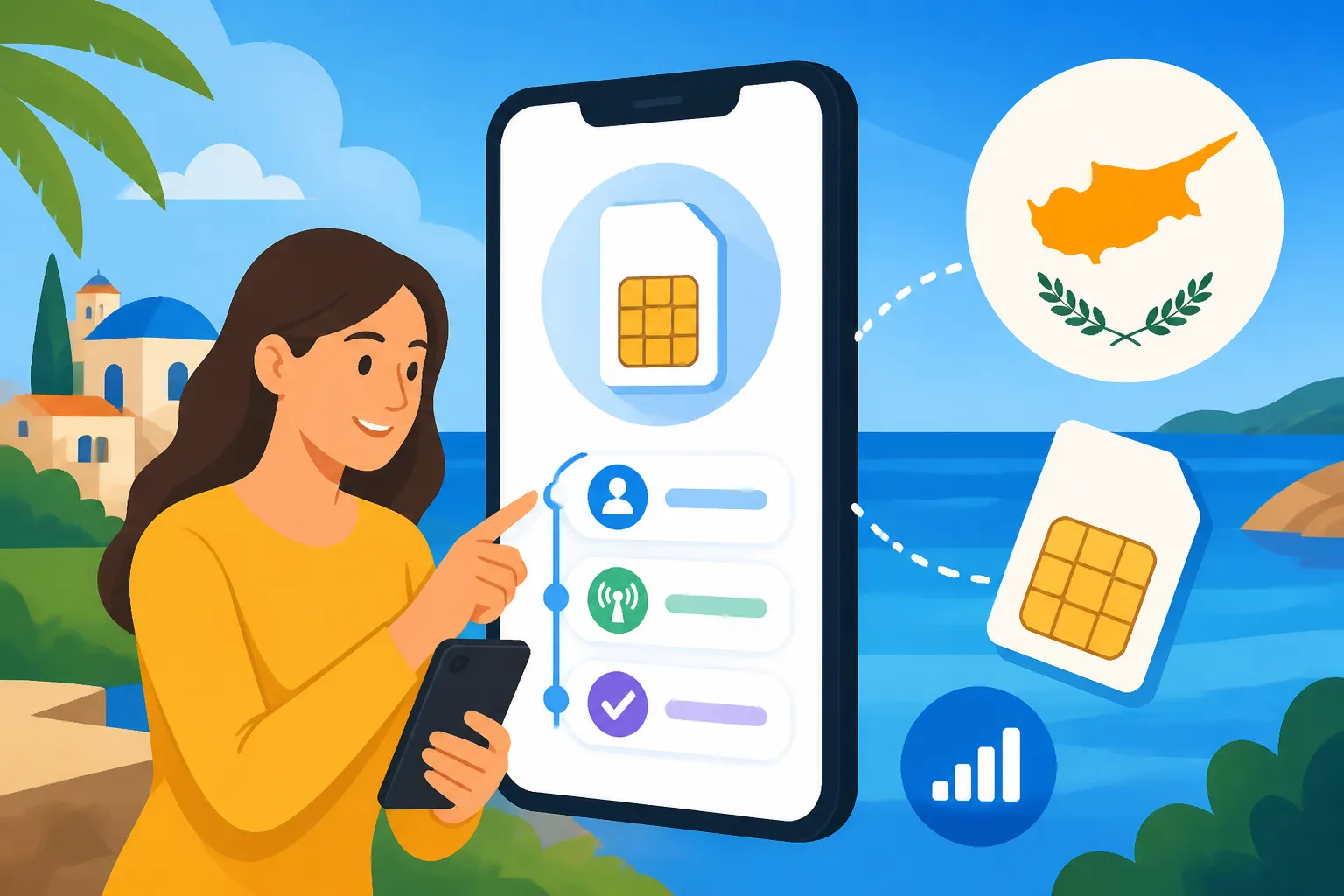
For many of us who've moved here, getting a prepaid SIM card is the immediate, no-brainer first step. You've just stepped off the plane, maybe cleared immigration, and the last thing you want is to be hunting for obscure documents or explaining your credit history in a new language. Prepaid is your saving grace.
You can pick up a prepaid SIM card at pretty much any major supermarket (Lidl, AlphaMega, Sklavenitis), kiosks (periptero), or directly from the phone providers' smaller shops in shopping centres or on high streets. The process is usually quick and painless. All you'll need is your passport for identification, and occasionally, they might ask for your residence permit if you're buying it directly from a main provider store. Just pop the SIM in, and you're generally good to go within minutes. It’s perfect for those first few weeks as you're settling in, handling things like finding a rental or getting your bearings.
The beauty of prepaid is its flexibility. You buy credit, or "top-up," as needed. Most providers offer various data bundles you can activate with your credit, giving you a set amount of data, calls, and texts for a specific period, usually 7, 15, or 30 days. This means you have full control over your spending and no unexpected bills. Plus, for those crucial first hours, if you're really desperate, there are eSIM options like Airalo that allow you to get data connectivity almost instantly upon landing, sometimes even before you leave the airport, using a digital SIM card in your phone. This can be a real lifesaver for maps and initial communication while you navigate your first steps in Cyprus.
The Stability of Postpaid Contract Plans
Once you're a bit more settled, have your residency sorted, and perhaps even a local bank account, you might start thinking about a postpaid, or contract, mobile plan. This is where you commit to a monthly fee in exchange for a package of data, calls, and texts, usually for a fixed term (12 or 24 months).
The main draw for expats moving to contract plans is often better value. You usually get more data for your money, and providers frequently offer incentives like discounted or free phones if you sign a longer contract. This can be particularly appealing if you're planning to stay in Cyprus for the long haul. However, the catch is the application process. You'll definitely need your residence permit (your "Pink Slip") to even be considered. They'll also ask for proof of address (a utility bill often works, once you’ve figured out how to get your utilities sorted), bank details for direct debits, and proof of income. This is where many newcomers hit a snag; without a local employment history or established credit, you might face stricter requirements, like a higher deposit or needing a local guarantor. It’s a bit of a bureaucratic dance, but it's worth it for the long-term savings and convenience.
This is a good time to mention that having a stable local mobile number becomes critical for many administrative tasks down the line, whether it's setting up your bank account or registering for GeSY (General Healthcare System).
Choosing Your Provider: Key Players and Their Offerings
Cyprus has three main mobile network operators, each with its own strengths and offerings. They've all invested heavily in their networks over the years, so generally, you'll find good coverage across the populated areas of the island. The choice often comes down to specific plan details, customer service, and any bundled offers they might have.
Cyta: The Established National Player
Cyta is the semi-governmental telecommunications authority and has traditionally been the largest and most established provider in Cyprus. Think of them as the tried-and-true option. They generally boast the most extensive network coverage, particularly in more rural or less densely populated areas, meaning fewer dropped calls when you're exploring off the beaten path. Their reliability is often cited as a major plus, and their customer service, while sometimes a bit slower than what you might be used to, is generally efficient and they have plenty of English-speaking staff.
Cyta offers a wide range of prepaid (Cytamobile-Vodafone) and postpaid plans (RED plans). Their postpaid plans often come with generous data allowances and options for bundling with home internet and TV services, which can be convenient for managing all your bills under one provider. If you're looking for stability, wide coverage, and don't mind paying a little premium for that peace of mind, Cyta is often the first stop for many expats. You'll find their shops everywhere, from Limassol to Nicosia, making it easy to pop in with any questions.
Epic: The Competitive Contender
Epic, formerly MTN Cyprus, has truly shaken up the market in recent years. They position themselves as the more modern, competitive choice, often with more aggressive pricing and bigger data allowances, especially for their prepaid and entry-level contract plans. Many expats flock to Epic for their attractive data bundles and frequent promotions.
Their network quality has improved significantly and is now comparable to Cyta in most urban and coastal areas. If you're a heavy data user and price is a significant factor for you, Epic is definitely worth a close look. Their customer service is generally geared towards a younger, more tech-savvy audience, often offering online chat and responsive social media support alongside traditional store visits. They're keen on attracting new customers, so keep an eye out for special offers on their website or in their stores, especially if you're looking for a new smartphone alongside your plan.
PrimeTel: The Alternative Option
PrimeTel is the third major player, often known for its competitive bundles that include mobile, home internet, and TV services. While they might have slightly less extensive coverage than Cyta or Epic in very remote regions, their service is excellent in urban centers and major towns. If you're someone who likes to consolidate your utilities and get everything from one provider, PrimeTel could offer a very compelling package.
They often run promotions that bundle multiple services, making them an attractive option for those who are also looking to set up their home internet and TV. It’s worth checking their specific coverage in your intended area of residence, particularly if you’re living somewhere a bit more rural. Sometimes their offerings can be more flexible, appealing to those who don't fit the standard mould.
Here's a quick comparison to help you weigh your options:
| Feature | Cyta (Cytamobile-Vodafone) | Epic (Formerly MTN) | PrimeTel |
|---|---|---|---|
| Network Coverage | Most extensive, very reliable, good in rural areas. | Excellent in urban/coastal, rapidly expanding. | Good in urban/coastal, may be less in very remote areas. |
| Pricing | Generally mid-to-high range, good value with bundles. | Very competitive, often best for data-heavy plans. | Competitive, especially for bundled services (internet/TV). |
| Prepaid Options | Strong, widely available, reliable top-ups. | Strong, often best data bundles for prepaid. | Available, good for basic usage. |
| Postpaid Plans | Comprehensive "RED" plans, good for families, device offers. | Competitive contracts, good device subsidies. | Flexible contracts, strong on bundled packages. |
| Customer Service | Traditional, good English support, many physical stores. | Modern, online support, responsive, good in-store. | Accessible, offers personalized service. |
| Key Differentiator | Reliability, widest coverage, established infrastructure. | Aggressive pricing, large data allowances, modern approach. | Integrated home services, good for all-in-one solutions. |
This table should give you a good starting point for your research. Don't hesitate to visit a few shops and talk to the staff; they're usually very helpful and accustomed to assisting expats.
Navigating the Setup Process: Step-by-Step for Expats
Setting up a phone plan in Cyprus, like many administrative tasks here, requires a bit of patience and knowing what to expect. It's not always as instantaneous as we might be used to in other countries, but it’s entirely manageable.
Getting Your Prepaid SIM Up and Running
This is, without a doubt, the easiest path to immediate connectivity.
- Find a Shop: Head to any Cyta, Epic, or PrimeTel store, or even a larger supermarket or kiosk. Kiosks are especially convenient, as they're everywhere and usually quick.
- Choose Your Plan: You'll typically be asked if you want a basic SIM or one with an initial data bundle. If you’re not sure, just ask for a "prepaid SIM card" (or karta sim in Greek, though English is widely understood).
- Provide ID: The most crucial step. You must have your passport with you. This is a legal requirement for SIM registration in Cyprus. They will scan it or take down your details. Don't forget this!
- Activation and Top-Up: Once the SIM is registered, they'll usually activate it on the spot. You might need to purchase an initial top-up (credit) right there. Ask them to help you activate a data bundle if you need one immediately. Common bundles offer, say, 5GB for €10 for 30 days.
- Check Your Balance: Learn how to check your balance and remaining data. Each provider has a shortcode you can dial or an app you can download. For example, for Cyta, you might dial *110# or similar. The store staff can usually show you.
It's really that simple. Within minutes, you'll have a local Cypriot number, which is incredibly useful for all sorts of things, from ordering takeaway to putting down as a contact number when you're looking for housing or making appointments. If you're still in the throes of your initial move, check out our guide on The Complete Guide to Moving to Cyprus: Your First 90 Days (2027) for more essential tasks.
Securing a Postpaid Contract
This process is a bit more involved, requiring more documentation and potentially a credit check. It's not something you can usually do on your first day.
- Gather Your Documents: This is critical. You'll need:
- Passport: Always the primary form of ID.
- Residence Permit (Pink Slip/Yellow Slip): This is non-negotiable for a contract. If you're still waiting for yours, you'll need to stick with prepaid. Our guide on Understanding Residence Permits and the Pink Slip in Cyprus (2027) can help you with this.
- Proof of Address: A recent utility bill (electricity, water, or even a rental agreement) is usually accepted. This is something you'll tackle when setting up your home utilities, as outlined in The Expat Guide to Setting Up Utilities Electricity Water Internet in Cyprus.
- Bank Account Details: For setting up direct debits for your monthly payments. You'll typically need to have a local Cypriot bank account already open. Check out How to Open a Bank Account at a Cypriot Bank as a Foreigner for more on this.
- Proof of Income: This could be a recent payslip, a letter from your employer, or bank statements showing regular income. For new expats, this can be tricky, as you won't have a local credit history.
- Visit a Main Branch: It's best to go to one of the larger, flagship stores of your chosen provider. The staff there are usually more experienced with expat applications and handling complex cases.
- Credit Check and Deposit: Expect a credit check. If you're new to Cyprus and don't have a local credit history, the provider might require a higher security deposit or ask for a local guarantor. Don't be surprised or offended; this is standard procedure.
- Sign the Agreement: Read through the contract carefully. Ask questions about the duration, included services, out-of-bundle charges, and any early termination fees.
- Activation: Once everything is signed and approved, your contract SIM will be activated. This usually happens within a few hours, if not immediately.
Patience is a virtue during this process. It might take a couple of visits or some back-and-forth, but eventually, you'll get there.
Essential Tips for Expats
Navigating a new system can be daunting, but a few pointers can make it smoother.
- Language Barrier: While many people, especially in customer service roles, speak excellent English, there might be times when you encounter someone less fluent. Have Google Translate ready, or if you're dealing with a complex issue, consider bringing a local friend who speaks Greek. It can save a lot of frustration. Our guide, Learning Greek for Living in Cyprus: A Complete Guide for Expats, might be useful here!
- Keep Your Documents Handy: Always, always, always have copies of your passport and residence permit, even when just going to top up a prepaid SIM. You never know when you might need them.
- Local Number for All Admin: A local Cypriot number is indispensable. You’ll need it for things like getting your Tax Identification Number (TIN), signing up for internet (see How to Set Up Internet and TV in Cyprus), and even making appointments with a doctor under GeSY. Getting connected early really smooths the path for everything else. When you’re considering How to Register for GeSY (General Healthcare System) in Cyprus (2027), having a stable phone number is one less hurdle.
- Moving Logistics: As you settle in, remember that services like Sirelo can also help with other aspects of your relocation, ensuring your household goods arrive smoothly. While not directly related to phones, good planning on one front often frees up mental space for the next challenge.
Practical Advice and Avoiding Pitfalls
Even with your phone plan set up, there are still a few things to keep in mind to avoid unexpected charges or frustrating situations. Being an expat in Cyprus means learning to anticipate these little quirks!
Understanding Charges and Hidden Costs
One of the biggest traps for newcomers is assuming everything works like it does back home. Always read the fine print or ask specific questions about:
- Out-of-Bundle Rates: What happens if you exceed your data allowance, or your included call minutes? These rates can be significantly higher than your standard plan cost, so it’s crucial to understand them. Some providers will throttle your speed, others will charge per MB.
- International Call Costs: While calls within Cyprus are usually generous, calling back home to your family can quickly rack up costs if not included in your plan. Consider using VoIP apps like WhatsApp, Viber, or Messenger for international calls, or check if your provider offers specific international calling bundles.
- SMS Charges: While less common now with messaging apps, sending traditional SMS messages, especially international ones, can still be costly. Again, check your plan details.
- Data Roaming: If you plan to travel outside Cyprus, be acutely aware of roaming charges. Cyprus is part of the EU, so roaming within the EU is generally "Roam Like At Home," meaning you use your plan allowances without extra fees. However, if you venture outside the EU, even to nearby countries, costs can skyrocket. Always buy a local SIM or an international roaming package for non-EU travel.
The key here is proactivity. Don't wait for a huge bill to arrive. Check your provider's website, download their app, and monitor your usage regularly.
Troubleshooting and Customer Support
Despite the best planning, sometimes things go wrong. Your internet might suddenly stop working, you can't make calls, or you have a billing query.
- Contacting Support: The main providers (Cyta, Epic, PrimeTel) offer various ways to contact them:
- Phone: They usually have dedicated customer service lines. Be prepared to wait a bit during peak hours.
- Online Chat/Email: Many now offer online chat support, which can be convenient for simple queries.
- In-Store: For more complex issues, especially related to contracts or documents, visiting a physical store is often the most effective route. Bring all relevant documents with you.
- English-Speaking Staff: As Cyprus is a popular tourist and expat destination, most customer service departments have English-speaking staff. If you get someone who struggles with English, politely ask to be transferred to an English-speaking colleague.
- Patience is Key: Cypriot customer service can sometimes feel a bit more relaxed than what you might be accustomed to. Issues might take a little longer to resolve, and there might be less immediate urgency. Take a deep breath, be polite but firm, and follow up if necessary.
- Switching Providers: If you're on a contract, switching can incur early termination fees. For prepaid, it's as simple as buying a new SIM from a different provider. If you're unhappy with your service or find a better deal, don't be afraid to explore your options. You can often keep your number when switching, which is a huge relief after getting it established for all your other services. This is something covered more broadly in How to Choose a Mobile and Internet Provider in Cyprus.
Remember, you're not alone in navigating this. Plenty of expats have been through it before, and with a little preparation and understanding, you'll have your mobile phone plan sorted and be connected to the world in no time!
Disclaimer
Please remember that while this guide provides comprehensive information based on current regulations and typical experiences in Cyprus, policies and procedures can change. We always recommend checking with the official providers or relevant government departments for the most up-to-date information. This guide is for informational purposes only and does not constitute professional advice.