Can I Buy an Apartment as a Non-Resident in Cyprus?
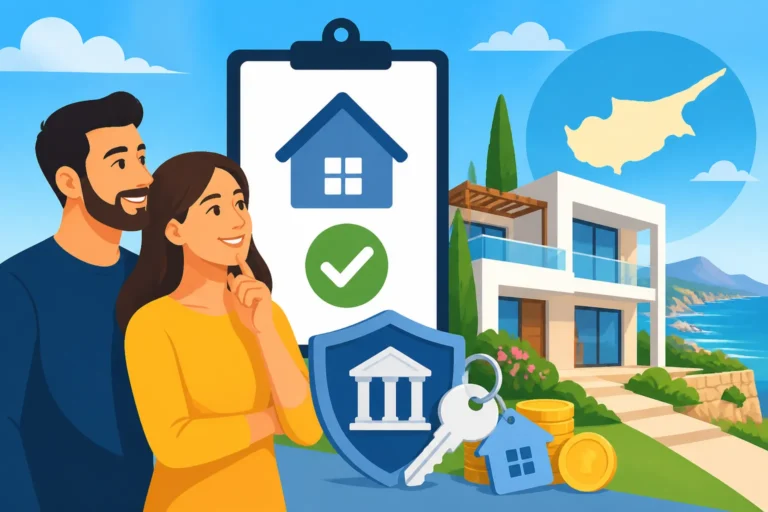
Thinking about making Cyprus your little slice of paradise, even if you’re not physically here yet? Many of you dream of owning a beautiful apartment on this sun-kissed island, perhaps for holidays, future retirement, or as an investment. The good news is, yes, it's absolutely possible to buy an apartment in Cyprus as a non-resident. However, it's not quite as simple as clicking 'add to cart' from overseas, and there are specific steps and permissions involved that can feel like navigating a labyrinth. This comprehensive guide will walk you through the essential details, cutting through the confusion so you can approach your Cypriot property dream with confidence.
The Legal Landscape for Non-EU Citizens Buying Property in Cyprus
Let's get straight to the biggest hurdle, or rather, the most important bureaucratic hoop for those of you who aren't EU citizens. While EU citizens enjoy the same property rights as Cypriots, non-EU citizens need to obtain a special permit from the Council of Ministers to acquire property. This isn't a "no" but a "please ask nicely and fill out forms." It's a common point of anxiety, but with the right guidance, it’s a manageable part of the process.
Understanding the Council of Ministers Permit
This permit is essentially the Cypriot government’s way of ensuring that property acquisitions by non-EU citizens align with their regulations. It's not designed to be difficult, but it is mandatory. You’re typically allowed to purchase one property, be it an apartment or a house, up to a certain size. The application process usually involves submitting several documents, including your passport copy, a clear criminal record certificate from your country of origin, financial statements to prove you can afford the purchase, and a copy of the sale agreement for the property you wish to buy. Don't worry, your lawyer (who you absolutely need for this process) will handle the submission and follow-up.
Historically, this permit could take some months to be processed, which can be a bit nerve-wracking when you’re waiting to truly secure your dream home. However, things have become somewhat more streamlined in recent years, though patience remains a virtue in Cypriot bureaucracy. It's crucial that your sale agreement includes a clause stating that the sale is conditional upon obtaining this permit, protecting your deposit should the permit not be granted (a rare occurrence if your application is in order).
Property Restrictions for Non-EU Buyers
It's not just about getting permission; there are usually some limitations on what you can buy. As a non-EU citizen, you are generally restricted to purchasing one residential property. This means you can't go on a buying spree and acquire multiple apartments or vast tracts of land. The size of the plot or the apartment's internal area might also have specific limits, typically around 4,014 square meters for land.
For most people looking to buy an apartment, these restrictions aren't usually an issue. An apartment in a complex, a standalone flat, or even a small villa often falls well within the permissible limits. The key takeaway here is to work closely with your real estate agent and lawyer to ensure the property you're eyeing is eligible for purchase by a non-EU citizen. They will be able to confirm this information quickly and save you a lot of potential headaches down the line. Remember, it's always better to know these details upfront rather than discovering a snag late in the process.
Navigating the Purchase Process from Abroad
Buying property from another country can feel daunting. How do you view properties? Who handles the paperwork? Can you even sign contracts without being there? The good news is, many non-residents successfully navigate this, often without a single flight until it's time to collect the keys.
Essential Professionals and Power of Attorney
Your absolute best friend in this process will be a reputable, independent lawyer. I cannot stress this enough. They are your eyes, ears, and legal backbone in Cyprus. They will perform all the necessary due diligence, draft and review the sale agreement, apply for the Council of Ministers permit, and handle the property registration at the Land Registry Office. For those who can't be present for every step, granting a Power of Attorney (PoA) to your lawyer is standard practice. This legal document authorises them to act on your behalf, signing documents, opening bank accounts, and generally managing the transaction without you needing to be physically present.
When choosing a lawyer, look for one with experience in property transactions for foreigners. Ask for references and ensure they are fluent in English (and ideally Greek, for dealing with local authorities). Their fees are an investment, not an expense, as they protect you from potential pitfalls. You might also want to engage a trusted real estate agent who understands the non-resident market. They can help with virtual viewings, provide detailed videos, and answer questions about specific locations. Speaking of staying connected, when you’re coordinating across time zones with your lawyer and agent, having reliable mobile data is key. I've found that an eSIM from providers like Airalo can be a lifesaver for seamless communication without racking up huge roaming charges.
The Stages of Remote Property Acquisition
The process generally follows these steps:
- Property Search & Selection: Browse online listings, work with a trusted agent, and arrange virtual tours. Many agents are excellent at providing detailed videos and answering all your questions remotely.
- Offer & Reservation Agreement: Once you find "the one," your lawyer will help you draft an offer. Upon acceptance, you'll sign a reservation agreement and pay a small holding deposit (typically €2,000-€5,000) to take the property off the market. This is where your lawyer starts their due diligence, checking for clear title, permits, and any encumbrances on the property.
- Sale Agreement: Your lawyer will draft or review the main Sale Agreement (Contract of Sale). This detailed document outlines all terms, payment schedules, and conditions. You'll sign this, often via your lawyer with the PoA, and pay a larger deposit (usually 10-30% of the purchase price). This agreement is then stamped and lodged at the Land Registry Office within a specified timeframe (usually two months), protecting your ownership rights until the title deed is transferred.
- Council of Ministers Permit Application: At this stage, your lawyer will submit the application for the permit on your behalf.
- Final Payments & Title Deed Transfer: Once the permit is granted and any construction (if buying off-plan) is complete, you'll make the final payments. Your lawyer will then arrange the transfer of the title deed to your name at the Land Registry Office. This is the moment you officially become the owner! While you can be present for this, many non-residents still rely on their lawyer to complete it via PoA.
This structured approach, handled by professionals, ensures that even without being in Cyprus, you can confidently move forward with your purchase.
Financial Considerations and Hidden Costs
Buying an apartment isn't just about the sticker price; there are several additional costs that non-residents, in particular, need to be aware of. Budgeting accurately from the start will prevent any nasty surprises down the line.
Initial Deposits and Purchase Price
The first significant financial outlay beyond your initial reservation deposit will be the larger deposit (10-30%) when you sign the Sale Agreement. This money is often held in a client account by your lawyer until certain conditions are met, or directly by the vendor depending on the agreement.
Here's a quick overview of typical costs (as of late 2023/early 2024, always check current rates):
| Cost Item | Typical Percentage / Amount | Notes |
|---|---|---|
| Reservation Deposit | €2,000 – €5,000 | Held by vendor or agent; refundable if due diligence fails. |
| Down Payment | 10-30% of purchase price | Paid upon signing the Sale Agreement. |
| Stamp Duty | 0.15% for values up to €170,860, then 0.20% on the remainder. Max €20,000 | Paid within 30 days of signing the Sale Agreement. This is a crucial early cost. |
| Transfer Fees | Graduated scale (see below) | Paid when the title deed is transferred to your name. This can be a significant cost. |
| Legal Fees | 0.5% – 1.5% of purchase price (minimums apply) | Varies by lawyer and complexity. Essential for due diligence and permit application. |
| VAT (for new properties) | 19% (reduced to 5% for first primary residence, conditions apply) | Applicable only on new properties. For a non-resident buying a second home or investment, the 19% rate usually applies. The 5% reduced VAT is a huge saving but typically for those making Cyprus their primary residence. |
| Property Valuation | €300 – €500 | If you require a mortgage, the bank will require an independent valuation. |
| Mortgage Fees | Varies by bank (arrangement fees, interest, etc.) | If you obtain a mortgage, there will be associated costs. How to Get a Mortgage to Buy a Home in Cyprus delves into this in more detail. |
It's vital to factor in these percentages on top of the property's advertised price. For instance, the property transfer fees are paid to the Land Registry Department when the property is registered in your name. They are calculated on a sliding scale based on the property value, and if you’re buying in joint names, the value is split, which can reduce the total fees.
Financing Options for Non-Residents
Securing a mortgage in Cyprus as a non-resident is possible, but it can be more challenging than for residents. Cypriot banks will assess your creditworthiness, income, and financial stability, often requiring a larger down payment (e.g., 30-50%) and potentially higher interest rates compared to resident mortgages. You’ll need to provide extensive documentation, including proof of income, employment history, tax returns from your home country, and bank statements.
Many non-residents prefer to purchase outright with cash if possible, to avoid the complexities of foreign mortgages and the associated paperwork. If you do consider a mortgage, start talking to Cypriot banks early in your planning process. Banks like Bank of Cyprus and Hellenic Bank are the largest and most likely to offer options for non-residents. Transferring funds from your home country also requires attention; ensure you understand international transfer limits and reporting requirements.
Practicalities and Pitfalls to Avoid
Preparedness is your best defence against unnecessary stress. Don't let the island's charm blind you to the practicalities.
Due Diligence and Title Deeds
This is probably the single most critical area for any property buyer in Cyprus, but especially for non-residents who aren't on the ground. Your lawyer's due diligence should meticulously investigate the property. Key checks include:
- Title Deeds: Ensure the property has a clean, unencumbered title deed. Historically, some properties in Cyprus were sold without individual title deeds, leading to what became known as "the title deed issue." While the situation has vastly improved and protections are in place for buyers, it's still paramount that your lawyer verifies the developer's ownership, planning permits, and absence of mortgages or liens. You can learn more by reading about Understanding Property Ownership and Title Deeds in Cyprus (2027).
- Planning & Building Permits: Confirm that the property was built legally and has all the necessary permits.
- Encumbrances: Check for any existing mortgages, charges, or legal disputes against the property or the developer.
- Communal Fees: If buying an apartment in a complex, understand the communal fees – what they cover, how they are managed, and if there are any outstanding debts from the previous owner. What Are the Communal Fees for an Apartment in Cyprus? is a good resource here.
Never sign anything or pay a significant deposit without your lawyer having completed these checks.
Choosing the Right Location
Cyprus offers diverse landscapes and lifestyles. As a non-resident, your choice of location will likely depend on your purpose for buying.
- Limassol: Bustling, cosmopolitan, great for investment and those seeking a vibrant city life. However, property here is generally the most expensive.
- Paphos: More laid-back, popular with retirees and British expats, known for its historical sites and beautiful coastline. Property tends to be more affordable than Limassol.
- Larnaca: Offers a good balance between cost and convenience, with a growing infrastructure and easy airport access.
- Nicosia: The capital, landlocked, but a thriving business and cultural hub. More about urban living than beach proximity.
Consider your long-term goals. If it's an investment, consider areas with strong rental demand. If it's for future retirement, think about amenities, healthcare access (like covered in The Complete Guide to Healthcare in Cyprus for Expats (2027)), and community. It's really worth exploring The Best Places to Live in Cyprus for Expats: A Complete Guide (2027) to help narrow down your options.
Post-Purchase Steps and Ongoing Costs
Once you own your apartment, there are still a few things to consider, especially if you won't be living there full-time.
- Utilities: Even if you're not there, you'll need to set up utilities like electricity (How Do I Set Up Electricity After Moving to Cyprus?) and water. You’ll also need to consider internet if you plan to visit regularly. Many companies now offer easy online payment options for bills.
- Property Management: If you plan to rent out your apartment or want someone to check on it while you're away, consider hiring a property management company. They can handle maintenance, cleaning, and tenant relations.
- Annual Taxes: You'll be liable for municipal taxes and possibly sewerage board taxes, which are generally quite low in Cyprus compared to many other countries. These are different from the immovable property tax, which was abolished in 2017 but municipal taxes remain. Understanding Immovable Property Tax and Municipal Taxes in Cyprus provides more clarity.
- Insurance: Protect your investment with adequate property insurance.
And finally, if you're considering moving some of your belongings over once you've settled on your apartment, comparing international removal services is a good idea. Platforms like Sirelo can help you find and compare quotes from different moving companies to get your possessions to your new Cypriot home efficiently.
Buying an apartment as a non-resident in Cyprus is absolutely achievable, provided you approach it with due diligence, professional advice, and a clear understanding of the process. It's an investment not just in property, but in a lifestyle many dream of, so take your time, ask all the questions, and enjoy the journey!
Disclaimer
The information provided in this guide is for general informational purposes only and does not constitute legal, financial, or professional advice. While we strive to keep the information up-to-date and accurate, laws and procedures in Cyprus can change. It is essential to consult with qualified legal and financial professionals in Cyprus before making any property investment or financial decisions. We do not accept responsibility for any loss which may arise from reliance on the information contained in this guide.