How Do I Enrol My Child in School in Cyprus?
Oh, the joys and bewildering challenges of moving to Cyprus with little ones! Beyond the chaos of unpacking boxes and figuring out the bewildering maze of local grocery stores, one of the most pressing and often anxiety-inducing tasks for any expat parent is getting their children settled into school. The Cypriot education system, while robust, can feel like a completely foreign landscape when you’re used to something else. This guide is here to be your friendly, experienced navigator, walking you through every twist and turn of enrolling your child in school, from understanding your options to tackling the paperwork, and even sharing some insider tips for making the transition as smooth as possible.
Understanding the Cypriot School System for Expats
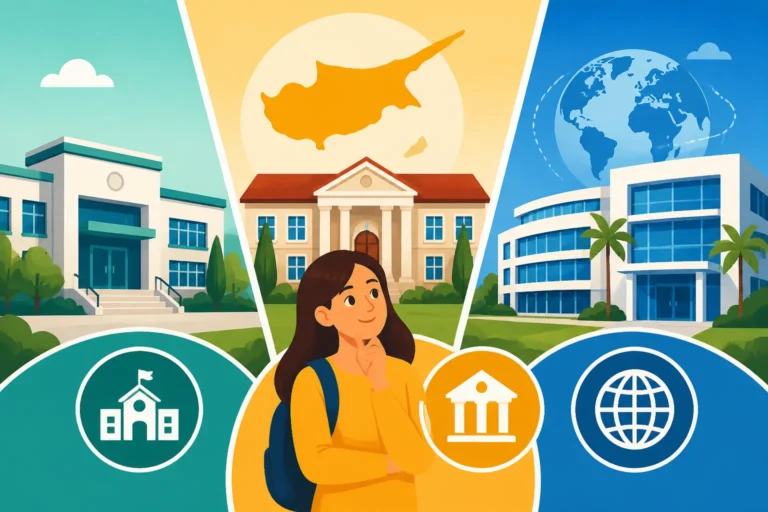
When you first arrive, the sheer number of options and the differences between them can be overwhelming. Forget what you know; Cyprus has its own way of doing things, and it’s important to wrap your head around the three main types of schools available here. Your choice will largely depend on your family's long-term plans, your budget, and how quickly you want your child to integrate into local culture versus maintaining an international curriculum.
Public vs. Private vs. International Schools
Let’s break down the main categories, because they truly are distinct ecosystems.
- Public Schools (Δημόσια Σχολεία – Dimósia Scholeía): These are the backbone of the Cypriot education system, primarily teaching in Greek. They are tuition-free, supported by the state, and generally follow the Cypriot national curriculum. For children already fluent in Greek, or for families committed to full immersion into Cypriot life, a public school can be an incredible resource. However, if your child arrives with little or no Greek, the initial period can be incredibly challenging. Imagine being thrown into a classroom where you understand almost nothing – it’s a tough ask for any kid, no matter how resilient. While some public schools, especially in more expat-heavy areas, might have some level of support for non-Greek speakers, it's not universally guaranteed or extensive. These schools operate on a district-based system, meaning your child will attend the school assigned to your residential area. This is why knowing where to live becomes crucial.
- Private Schools (Ιδιωτικά Σχολεία – Iḏiotiká Scholeía): Private schools in Cyprus offer a middle ground, often operating with a bilingual approach (Greek and English) or predominantly in Greek with strong English language support. They also follow the Cypriot national curriculum, though with more flexibility in teaching methods and resources compared to their public counterparts. Fees here can vary significantly, but they are generally more affordable than international schools. Many expat families whose children are too old for the full immersion of public school, but who still want them to learn Greek and integrate into the local society without the full cost of an international school, opt for private Cypriot schools. The class sizes tend to be smaller, and the facilities can often be more modern.
- International Schools: These are often the go-to for expat families who plan to move again or want to ensure their children continue an education system compatible with their home country or international university pathways. International schools in Cyprus primarily teach in English (though other languages might be offered, like French or Russian) and follow international curricula such as the British National Curriculum (IGCSE, A-Levels) or the International Baccalaureate (IB). They are generally the most expensive option, with tuition fees that can rival those in Western Europe. The student body is incredibly diverse, offering a multicultural environment that many expat children thrive in. Integration into the local Cypriot culture might be slower here, as the focus is less on Greek language and more on global curricula. For a more detailed look at the financial implications, you might find our guide on Understanding the Cost of Private and International Schools in Cyprus particularly useful.
Key Differences and Considerations
Beyond the language and curriculum, there are several nuances to consider that deeply impact your child's experience.
- Language of Instruction and Integration: This is probably the biggest factor. In public schools, Greek is king. This can be fantastic for full immersion, but it can also lead to significant academic struggles and social isolation if your child isn't equipped. Private Cypriot schools often offer stronger English support or bilingual programs, easing the transition. International schools, with their English-centric environments, provide a familiar linguistic comfort zone but might slow down Greek language acquisition.
- Curriculum and Future Plans: If you foresee your child attending university in Cyprus, a Cypriot curriculum (public or private) will naturally prepare them best. If their future includes universities in the UK, USA, or elsewhere, an international curriculum like IB or A-Levels will be a more direct pathway. Think long-term here, not just immediate comfort.
- Cost: Public schools are free. Private Cypriot schools come with tuition fees, typically ranging from €3,000 to €8,000 per year, depending on the school and grade level. International schools are the priciest, often starting from €6,000 for primary and going up to €15,000+ for secondary, per year. When you're budgeting for your new life here, don't forget to factor in these significant costs. Our article on The Complete Guide to Cost of Living in Cyprus for Expats (2026) can give you a broader financial perspective.
- Culture and Community: Public schools offer a direct line to Cypriot culture, friendships, and daily life. Private schools blend this with a slightly more international outlook. International schools, while offering a diverse global community, can sometimes feel like a bubble, somewhat detached from the wider Cypriot society. Each option presents a different social landscape for your child and for you as a parent trying to build a community.
The Enrolment Process: Your Step-by-Step Guide
The actual act of enrolling your child can feel like a bureaucratic dance, but breaking it down into manageable steps makes it far less daunting. Remember, patience is a virtue here, and a friendly, persistent approach often yields the best results.
Gathering Essential Documents
No matter which type of school you choose, you'll need a collection of documents. It's always a good idea to have these ready, translated into English or Greek (if not already in one of those languages), and preferably apostilled if coming from outside the Hague Convention countries, although for school enrolment, certified copies are usually sufficient.
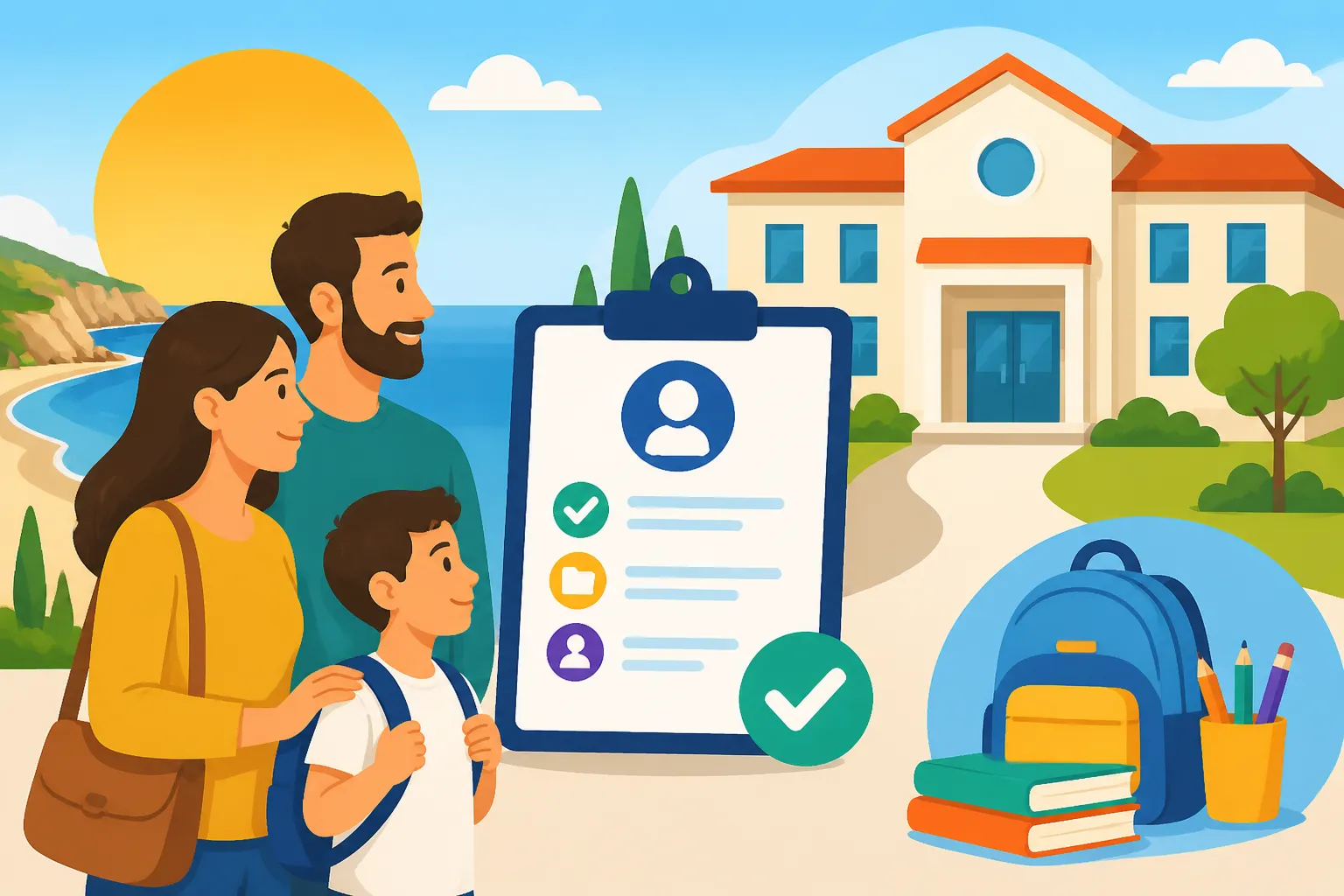
Here’s a typical checklist:
- Child’s Birth Certificate: Original and a copy.
- Child’s Passport or ID Card: And a copy.
- Parents’ Passports or ID Cards: And copies.
- Residence Permit / Pink Slip (for non-EU citizens) or Yellow Slip (for EU citizens): For both parents and child. This is absolutely critical for proving your legal residency in Cyprus. If you’re still waiting on yours, our guide on Understanding Residence Permits and the Pink Slip in Cyprus (2027) might offer some clarity.
- Proof of Address in Cyprus: Utility bills (EAC electricity bill, water bill), rental agreement, or property purchase agreement. These documents prove you live within the school's catchment area if you're applying for public school. Getting your utilities sorted is one of the first things you’ll do, so check out The Expat Guide to Setting Up Utilities (Electricity, Water, Internet) in Cyprus if you haven't already.
- Previous School Records: Report cards, transcripts, or a letter from the previous school stating the child's last grade completed. For international schools, these might need to be quite detailed. For public or private Cypriot schools, often just the last year’s report is sufficient.
- Health Records / Vaccination Certificate: A record of your child’s immunizations is often required, particularly for primary schools. Make sure these are up-to-date and easily accessible. You'll want to get acquainted with the local healthcare system for this and other needs, so explore our article on How to Register for GeSY (General Healthcare System) in Cyprus (2027) early on.
- Photos: Passport-sized photos of your child, usually 2-4 copies.
Pro-Tip: Make multiple copies of everything! Keep a digital folder and a physical folder. It saves a lot of last-minute scrambling. And honestly, it often feels like they invent new documents on the fly, so having extra copies is just smart.
Navigating Applications and Deadlines
The application process varies significantly by school type.
- Public Schools: Enrolment typically happens at the local school itself, or sometimes via the local municipality. You'll need to physically visit the school within the designated enrolment periods, usually in January for the following September, but sometimes there are supplementary periods in June. These deadlines are strict. Your child’s enrolment is determined by your official residential address. If you’ve just arrived mid-year, it can be a bit more flexible, but you still need to approach the local school directly as soon as possible with your proof of address and residency documents. They will guide you through the local procedures.
- Private Cypriot Schools: These schools have their own application forms and processes. It usually involves submitting an application form along with the required documents, followed by an interview for both parents and child, and sometimes an entrance exam, especially for older students. Deadlines for the following academic year often fall between November and March. Spaces can be limited, so applying early is highly advisable. Don't be shy about calling the school directly to inquire about their specific application timeline and requirements.
- International Schools: The application process for international schools is often the most structured and competitive. It usually involves:
- Initial Inquiry: Filling out an online inquiry form or downloading an application pack.
- Application Submission: Completing a detailed application form, attaching all required documents (often including academic references from previous teachers).
- Assessment/Interview: Many international schools require entrance exams in English, Maths, and sometimes other subjects, especially for secondary students. There will also typically be an interview with the child and parents.
- Offer and Acceptance: If successful, you’ll receive an offer of admission, which you’ll need to accept by a specified deadline, usually with a deposit.
International schools often have rolling admissions, but popular year groups fill up quickly. It's not uncommon for waiting lists to form, particularly in cities like Limassol or Nicosia. Start this process months in advance if possible.
What to Expect After Application
Once you’ve submitted your application and perhaps completed interviews or entrance exams, the waiting game begins.
- Acceptance Letter: If your child is accepted, you’ll receive an official acceptance letter. This will outline tuition fees (for private/international schools), payment schedules, uniform requirements, start dates, and any other pertinent information. For private and international schools, you’ll typically be asked to pay a registration fee and often a first instalment of tuition to secure the place.
- Orientation and Welcome: Many schools, especially international ones, offer orientation days or welcome events for new students and families. This is a fantastic opportunity for your child to meet classmates and for you to connect with other parents. Public schools might be a bit more informal in this regard, but don't hesitate to ask if there are any opportunities to visit the school or meet the teacher beforehand.
- Uniforms and Supplies: Most schools in Cyprus, regardless of type, require uniforms. You’ll receive details on where to purchase these. Additionally, you’ll need to prepare for school supplies – pens, notebooks, textbooks, and so on. Some schools include textbooks in their fees; others require you to purchase them separately.
Remember, the administrative side of things in Cyprus can sometimes feel a bit… relaxed. Don't be afraid to follow up politely if you haven't heard back by a promised date. A friendly phone call can often move things along.
Practical Tips and Common Hurdles
Getting your child into school is just the first step. The real work begins with helping them adapt to their new environment. This isn't just about academics; it's about social integration, emotional well-being, and finding their footing in a new country.
Language Barriers and Support
For many expat children, the language barrier is the single biggest hurdle, especially if they are entering a Greek-speaking environment.
- Embrace Greek, but Be Realistic: If your child is in a public or private Cypriot school, learning Greek is paramount. Encourage it, celebrate small victories, and consider private tutoring. There are many fantastic resources for Learning Greek for Living in Cyprus: A Complete Guide for Expats. However, understand that full fluency takes time, often years, and initial academic performance might dip. Validate their frustration; it's a monumental task.
- Seek Language Support: Ask the school what provisions they have for non-Greek speakers. Some public schools may offer reception classes or extra support, but it varies widely. Private and international schools are typically better equipped with ESL (English as a Second Language) programs or dedicated language support teachers.
- Home Language Maintenance: If your child is in an English-speaking international school, ensure you're still supporting their native language, especially if it’s not English. This is crucial for their cognitive development and maintaining family connections.
Adjusting to a New Academic Environment
Beyond language, the academic culture itself might be different from what your child is used to.
- Curriculum Differences: The Cypriot curriculum, for example, might have a different emphasis or pace than what your child experienced before. Be prepared for some adjustments in teaching styles, homework load, and assessment methods.
- Pastoral Care: Understand how the school handles pastoral care, particularly for new students. Do they have a buddy system? A dedicated counsellor? What support is available for children struggling with homesickness or culture shock?
- Extracurricular Activities: Encourage your child to participate in after-school clubs, sports, or other activities. This is often the quickest way to make friends, build confidence, and feel a sense of belonging outside the formal classroom setting.
Making Connections and Building a Community
The transition isn't just for your child; it's for the whole family. You, as parents, play a vital role in helping them integrate.
- Connect with Other Parents: Attend school events, join parent-teacher associations (PTA), or simply strike up conversations at drop-off and pick-up. Other expat parents who have been through the same struggles are invaluable sources of advice and support. Even Cypriot parents can offer insights into the local way of life.
- Explore Local Activities: Get your children involved in local sports clubs, art classes, or youth groups. This broadens their social circle beyond the school gates and helps them connect with children from diverse backgrounds within Cyprus.
- Stay Connected: During those initial weeks and months, you'll be doing a lot of searching, calling, and coordinating. Having reliable communication is paramount. Many expat families, myself included, found services like Airalo invaluable for getting immediate, affordable eSIM data upon arrival, letting you research schools and make calls without worrying about finding a local SIM card right away. And let's be honest, before you even consider schools, you've probably been dealing with the mammoth task of moving. For comparing and finding reliable international moving companies, platforms like Sirelo can be a real blessing, simplifying the often-stressful logistics of bringing your entire household to the island.
- Patience and Empathy: This process is tough. There will be good days and bad days. Your child will experience moments of frustration, sadness, and excitement. Be their rock, listen to their concerns, and remind them that adjusting to a new country and school takes time. Our comprehensive guide, The Complete Guide to Moving to Cyprus: Your First 90 Days (2027), offers a broader perspective on all the initial adjustments you'll face.
Here’s a quick overview to help you weigh your options:
| Feature | Public Schools (Greek) | Private Cypriot Schools (Bilingual/Greek) | International Schools (English) |
|---|---|---|---|
| Language | Primarily Greek | Greek with strong English support / Bilingual | Primarily English (or other specific languages) |
| Curriculum | Cypriot National Curriculum | Cypriot National Curriculum (with more flexibility) | British, IB, American, or other international curricula |
| Cost (Annual) | Free (Government-funded) | €3,000 – €8,000 (approx.) | €6,000 – €15,000+ (approx.) |
| Integration | Full immersion into Cypriot culture | Blend of Cypriot and international integration | Strong international community, slower local integration |
| Class Size | Can be large | Generally smaller than public schools | Varies, often moderate |
| Admissions | District-based, usually fixed deadlines, direct contact | Application, interview, sometimes entrance exam, specific deadlines | Application, assessment/interview, often rolling admissions/waiting lists |
| Documents Needed | Basic identity, residency, proof of address, previous reports | Comprehensive, including academic & health records, references | Very comprehensive, often includes psychological assessments, detailed reports |
| Long-Term Outlook | Best for Cypriot higher education or deep local roots | Good for local integration with option for international pathways | Best for international higher education and global mobility |
Ultimately, choosing the right school for your child in Cyprus is a deeply personal decision, one that balances your family's educational philosophy, budget, and long-term goals. Do your research, talk to other expat parents, and visit as many schools as you can. It’s a journey, not a sprint, and with a little preparation and a lot of patience, your child will soon be thriving in their new Cypriot academic adventure.
Disclaimer
Please note that while I strive to provide accurate and up-to-date information, rules and regulations concerning education and immigration in Cyprus can change. This guide is intended for informational purposes only and does not constitute legal or professional advice. It is always recommended to consult with the relevant educational authorities, school administrations, or legal professionals for the most current and specific guidance pertaining to your individual circumstances.