Why Is the Title Deed Important When Buying Property in Cyprus?
When you first arrive in Cyprus, especially with the dream of settling down and perhaps buying a slice of this beautiful island, you quickly realise that the administrative hurdles can feel like navigating a labyrinth designed by ancient gods. Among the many complexities, securing a title deed for your property isn't just a formality; it's the bedrock of your investment and peace of mind. This guide will meticulously break down why the title deed is paramount when buying property here, ensuring you understand every facet of this crucial document.
What Exactly Is a Title Deed in Cyprus?
When you’re looking to purchase property, whether it's a quaint village house or a sleek apartment in a bustling city like Limassol, you'll hear the term 'title deed' repeated like a mantra. It’s not just legal jargon; it’s the single most important document you’ll receive. For many expats, the concept might seem straightforward, but in Cyprus, its history and nuances demand careful attention.
The Core Document of Ownership
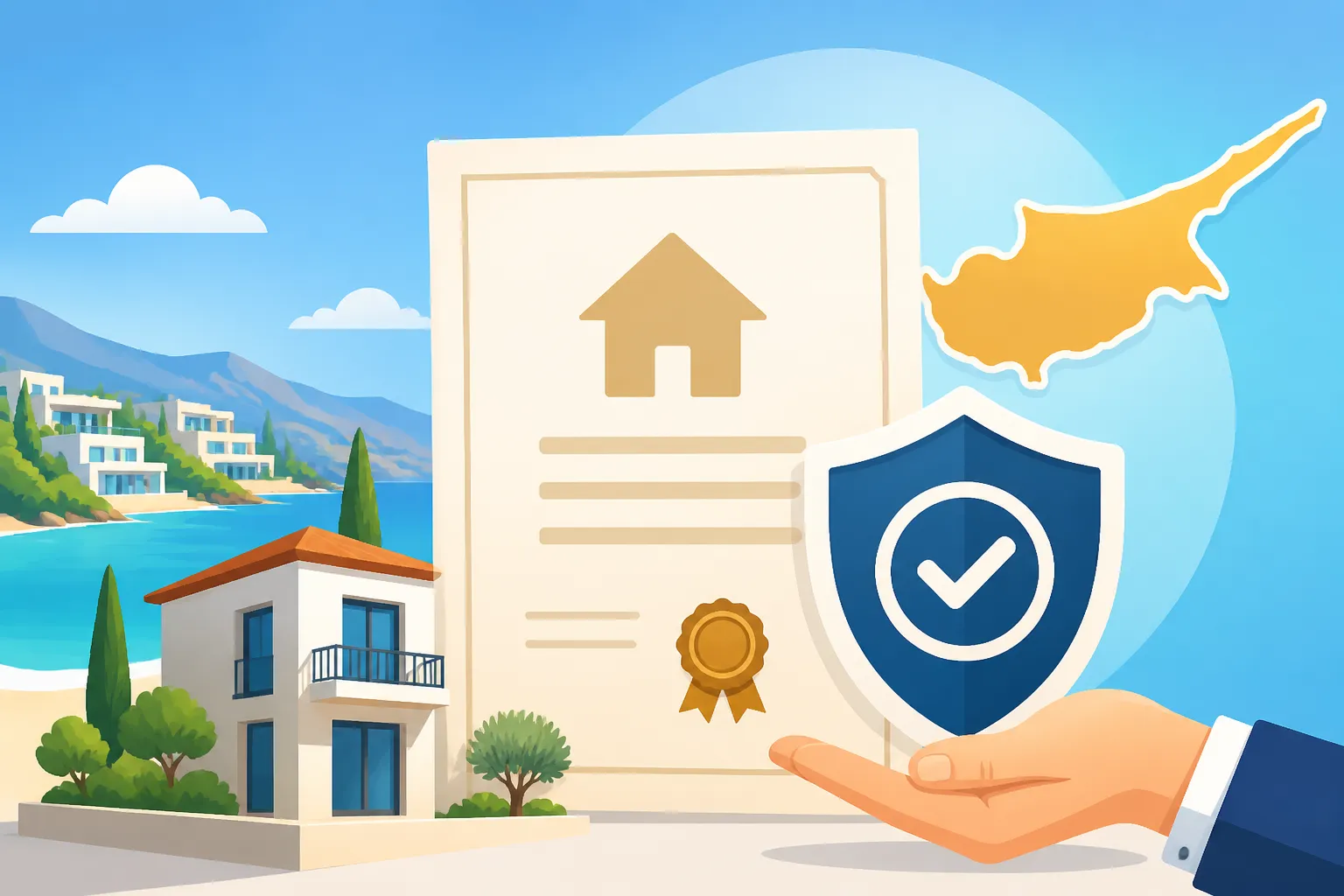
Think of a property’s title deed as its very own passport, or perhaps its birth certificate. It’s an official document issued by the Department of Land and Surveys, unequivocally stating who the legal owner of a specific piece of land or property is. This isn't just a casual receipt; it's the undisputed proof of your ownership, registered in the government's official records. Without it, your claim to the property, no matter how much you've paid, remains on shaky ground.
The title deed in Cyprus isn't a brief summary; it’s a detailed record. It meticulously outlines the full legal description of the property, including its exact location, boundaries, size in square meters, and often, a site plan. It also specifies any encumbrances – things like mortgages, rights of way, or other charges that might be registered against the property. Understanding these details is crucial because they define the exact nature and extent of what you're buying. Imagine buying a beautiful vintage car, only to find out later that the logbook lists another owner, or that it has several outstanding fines against it. That’s precisely why the information on a Cypriot title deed needs to be transparent and accurate before you commit.
Why It's More Than Just a Piece of Paper
In many parts of the world, property ownership feels simple: you pay, you get the keys, and the paperwork follows. In Cyprus, the title deed provides an irrefutable legal foundation for your ownership. It's the ultimate document that enables you to sell the property, use it as collateral for a mortgage, or transfer it to your heirs. Without a valid title deed registered in your name, your investment isn’t truly secure. You might have paid for the building, lived in it for years, but legally, it might not be yours to do with as you please.
The significance becomes glaringly obvious if you ever decide to sell. A buyer, and their diligent lawyer, will demand to see a clear title deed in your name. If you can't produce one, or if there are issues noted on it, you’ll find it incredibly difficult, if not impossible, to complete a sale at fair market value. It protects your investment not just from potential disputes with the seller or developer, but also from third-party claims. This document is your shield, confirming your rights and liabilities, and preventing legal headaches down the line. It ensures that the property is free from any hidden burdens that could unexpectedly become your problem.
The Historical Context: Why Title Deed Issues Became a Problem for Expats
For many years, the phrase "title deed issues" sent shivers down the spines of expats looking to buy property in Cyprus. It’s a sad chapter in the island’s property history that highlights precisely why vigilance is so important even today. Understanding this past helps underscore the importance of securing your own title deed.
The 'Trapped Buyers' Phenomenon
Back in the day, a particularly nasty problem emerged, affecting countless foreign buyers, earning them the moniker "trapped buyers." What happened was this: many property developers would mortgage the land they planned to build on to secure financing from banks. They would then proceed to sell individual properties (villas, apartments) on this land to buyers, often taking full payment. The crucial part was that they often failed to clear the initial mortgage on the land or obtain separate title deeds for the individual properties after construction was complete.
So, you’d have expats like yourself, blissfully moving into their dream home in Paphos or Larnaca, having paid every cent, only to discover years later that they couldn't get their individual title deed because the developer still owed money to the bank. The bank, in turn, still held a mortgage over the entire development, not just the developer's unsold units. This meant that if the developer defaulted, the bank could repossess the entire project, including the properties that had already been paid for by innocent buyers. It was a truly horrific situation, leaving many in legal limbo, owning a property they couldn't legally prove ownership of. The Cypriot government has since enacted measures, such as the Specific Performance Law (Law 139(I)/2015), often referred to as the 'Trapped Buyers Law,' to help resolve these historical issues and provide a mechanism for buyers to get their deeds, but the scars of that era run deep.
The Importance of a Clear Path to Title Deeds Now
While the 'trapped buyers' situation has largely been addressed through legislative changes and increased oversight, the underlying lessons remain critical. The past serves as a stark reminder that simply having a sales agreement, even a registered one, isn't enough. You absolutely need to understand the full process of how to get your individual title deed and what to expect. Modern regulations are much stricter, aiming to prevent these historical abuses, but due diligence is still your greatest ally.
It is paramount that you know the specific steps involved in ensuring your property will be issued with its own clean title deed. This means looking beyond the glossy brochures and asking the hard questions right from the start. You need to verify not just the specific property you’re interested in, but also the developer’s track record and financial standing. Any ambiguity regarding the title deed process should be a major red flag. For a full breakdown, you might want to look into How to Buy Property in Cyprus as a Foreigner: The Full Guide (2027). The aim is to make sure your property journey is smooth from the initial viewing to receiving the golden document that certifies your true ownership.
Practical Steps to Ensure a Smooth Title Deed Process
Alright, so you understand why the title deed is crucial. Now, let’s talk about the how. Navigating the property purchase process in Cyprus can be tricky, but by taking specific, proactive steps, you can significantly mitigate risks and ensure you secure your title deed without unnecessary stress or delays.
Engaging Independent Legal Counsel
This is arguably the most critical piece of advice you’ll ever get when buying property in Cyprus: Always engage an independent lawyer. And by "independent," I mean a legal professional whose loyalty is solely to you, the buyer, and who has no affiliation whatsoever with the seller, the developer, or their agents. The temptation might be there to use the seller’s recommended lawyer to save some euros, but this is a false economy that could cost you exponentially more in the long run. Your lawyer will perform comprehensive due diligence, acting as your safeguard.
Their role is multifaceted and absolutely indispensable. They will conduct thorough searches at the Land Registry to ensure the property is free from any encumbrances – checking for existing mortgages, liens, or other claims that could affect your ownership. They will verify that the seller is indeed the legal owner and has the right to sell. Critically, your lawyer will scrutinise the building permits, planning permissions, and ensure that the property has an individual permit that allows for the issuance of a separate title deed. Imagine if you bought a beautiful villa, only for your lawyer to uncover a massive outstanding mortgage on the land, or discover that the seller doesn't even legally own the property. This is the kind of nightmare scenario your independent legal counsel helps you avoid. They are your eyes and ears in a system that can often feel opaque. For a broader view, Understanding Property Ownership and Title Deeds in Cyprus (2027) can provide additional context on your lawyer's role.
Verifying the Property and Developer
Beyond just the legal checks, it's vital to do your homework on both the property itself and the developer, especially if you're buying a new build. Your lawyer should check the Land Registry records to confirm the developer's registration and track record. Have they historically delivered title deeds on time? Are there any complaints or ongoing legal disputes against them? Reputation matters, and a quick online search or enquiries with local expat forums can sometimes reveal crucial insights.
For the property itself, ensure that the plans submitted for building permits match the actual construction on the ground. Minor deviations are sometimes common, but significant differences can cause problems when the final permits are being issued, delaying your title deed. For instance, if the plans show two bathrooms but the property has three, or if extensions were built without proper permits, these issues will prevent the issuance of a clean title deed. It is also important to scrutinise the communal areas if you are buying an apartment or a property within a complex, ensuring they are properly documented.
Understanding Contract of Sale Registration
Once you've agreed on the purchase, and your lawyer is satisfied with all due diligence, you'll sign a Contract of Sale. This is a crucial document, but it's only truly powerful once it's officially registered with the District Land Office. This process, known as 'Specific Performance,' protects your contractual rights and is enshrined in Cypriot law. Once registered, the seller cannot legally sell the property to anyone else, nor can they mortgage it or place any other encumbrance on it without your consent. It acts as a protective shield for your interest.
The registration of your contract effectively places a "memo" on the property’s official record at the Land Registry, making your purchase publicly known. This means that even if the developer has outstanding debts, your registered contract ensures your right to obtain the title deed takes precedence, or at least provides significant leverage. The fee for this registration is generally modest, and it must be completed within six months of signing the contract. Failing to register can leave you vulnerable, making your agreement a private matter between you and the seller, without the full force of government protection.
Here's a quick comparison of the protections offered by registering your sales contract:
| Feature | Contract of Sale (Unregistered) | Contract of Sale (Registered) |
|---|---|---|
| Legal Protection | Limited, primarily between buyer and seller. | Strong, legally enforceable against third parties and seller. |
| Seller's Actions | Seller can potentially mortgage or resell property. | Seller legally prevented from mortgaging or reselling. |
| Public Record | Not publicly recorded at Land Registry. | Publicly recorded at Land Registry. |
| Priority | No priority over later registered claims. | Establishes priority over subsequent claims (e.g., new mortgages). |
| Title Deed Issuance | Requires developer/seller cooperation. | Provides stronger legal basis for forcing title deed transfer. |
| Risk of 'Trapped Buyer' | Higher risk in case of developer issues. | Significantly reduced risk due to legal safeguards. |
This table clearly illustrates why skipping the registration step is a gamble you absolutely shouldn't take. Your future title deed literally depends on this early protection. For a more detailed walkthrough of the entire purchasing journey, including this vital step, check out How to Complete the Property Purchase and Title Deed Process in Cyprus.
The Waiting Game and Your Rights
Even with all the correct procedures followed, obtaining your title deed, especially for a new build, isn't always an instantaneous process. It can sometimes involve a waiting period. This is because the developer needs to finalise all permits, ensure all taxes and communal fees are settled, and then apply for the final division of the main land parcel into individual title deeds for each property. This administrative process, which primarily involves the Department of Land and Surveys, can sometimes be lengthy, depending on the complexity of the development and the workload of the departments.
However, just because there might be a wait doesn't mean you're powerless. Your registered contract of sale grants you significant rights. If delays become unreasonable, or if the developer appears to be dragging their feet, your lawyer can initiate legal proceedings to compel the transfer of the title deed. This is where the wisdom of having that independent lawyer truly pays off – they can advise you on the appropriate legal recourse, whether it's through a court order or other administrative actions, to ensure your title deed is eventually issued. Understanding What Is the Step-by-Step Process to Buy Property in Cyprus? can help you anticipate these stages. You need to be aware of your rights throughout this period, from the initial contract signing to finally holding that crucial document in your hands.
Common Pitfalls and How to Avoid Them
Even with the robust legal framework now in place in Cyprus, there are still specific areas where foreign buyers can run into trouble if they're not careful. Knowing these potential pitfalls can help you navigate the process with greater confidence and avoid costly mistakes.
Joint Ownership and Undivided Shares
One particular area that can cause issues, especially with older properties or those in smaller, less formally structured developments, is the concept of joint ownership or undivided shares. This situation typically arises when a piece of land is owned by multiple individuals, and properties are built on it without the land being formally divided into separate plots, each with its own individual title deed. You might, for example, buy an apartment that comes with an "undivided share" of the land on which the entire building stands, rather than a specific, separate plot registered solely to your apartment.
While common, it can complicate matters significantly. For instance, if you want to sell your apartment, you're selling a share of a larger pie, and any issues affecting the larger plot (like a dispute among the co-owners or a collective debt) could impact your ability to transfer a clean title. It also means that decisions regarding the land, or potential developments on it, might require the consent of all co-owners. Your lawyer must clarify whether the property comes with an individual title deed or an undivided share. If it's the latter, ensure you fully understand the implications, the history of the joint ownership, and any potential liabilities. Transparency here is key to avoiding future headaches. This ties directly into Understanding Property Ownership and Title Deeds in Cyprus (2027), where these nuances are often discussed in greater detail.
Hidden Debts and Encumbrances
As we touched upon earlier, one of the most frightening scenarios for any property buyer is discovering hidden debts or encumbrances attached to their new home. These are charges or liabilities against the property that were present before you bought it but were not disclosed or properly cleared. Examples include existing mortgages taken out by the previous owner or developer, outstanding property taxes, municipal fees, or even rights of way that limit your use of the land. The nightmare scenario is completing your purchase, only to find that you are now liable for someone else's debts because they are legally tied to the property itself.
This is precisely why your independent lawyer’s thorough search at the Department of Land and Surveys is non-negotiable. They will identify any such encumbrances registered against the property you intend to buy. If any are found, your lawyer will work to ensure they are fully cleared by the seller before the transfer of ownership can proceed. A "clean" title deed means that the property is free from any such financial or legal burdens, and you are receiving it without any strings attached. Never proceed with a purchase if your lawyer indicates any unresolved encumbrances. For specific guidance on how to perform these checks, consider reading How Do I Check a Property Title Deed in Cyprus?. Your proactive vigilance and reliance on expert legal advice are your best defenses against these potentially devastating pitfalls.
Disclaimer
The information provided in this guide is intended for general informational purposes only and does not constitute legal, financial, or professional advice. While we strive to provide accurate and up-to-date information, laws and regulations in Cyprus can change. It is essential to consult with qualified Cypriot legal professionals, real estate agents, and financial advisors for advice tailored to your specific situation before making any property decisions. Relying solely on this information is at your own risk.