What Is the Step-by-Step Process to Buy Property in Cyprus?
So, you're dreaming of owning a slice of paradise in Cyprus, perhaps a villa by the sea in Paphos, or a charming apartment in Limassol? That’s fantastic! But let me tell you, as someone who’s been through the property buying maze here, the journey can feel a bit like trying to solve a Rubik's Cube blindfolded, especially when you're navigating a new country's legal and administrative quirks. This guide is designed to shed light on every step, demystifying the process from initial search to getting those coveted keys in your hand.
Laying the Groundwork: Your Pre-Purchase Checklist
Before you even start browsing listings or getting swept away by beautiful sea views, it's absolutely crucial to do some serious homework. Buying property anywhere is a big deal, but in a foreign country, it comes with an extra layer of complexities and potential pitfalls that you really need to be aware of. Rushing this initial phase can lead to headaches down the line, trust me.
Defining Your Dream Home and Budget
First things first, what are you actually looking for? It sounds simple, but getting clear on your non-negotiables and nice-to-haves will save you a lot of time and potential heartache. Are you dreaming of a bustling city life in Nicosia, the laid-back charm of a village near Larnaca, or something in between?
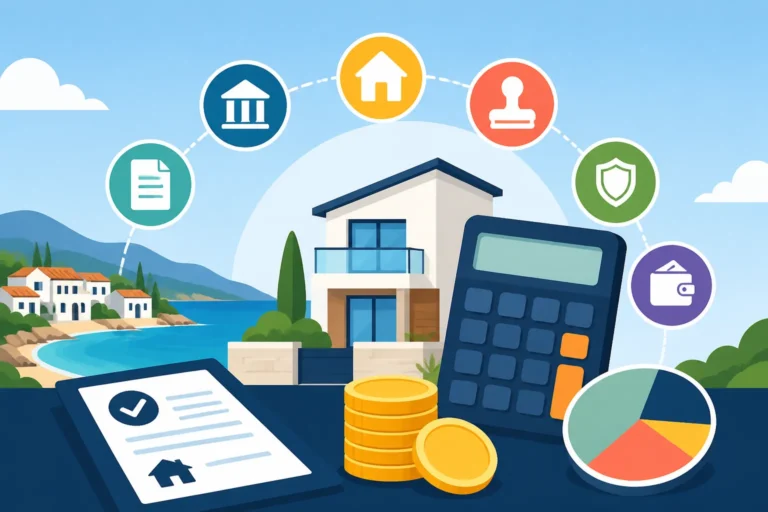
Consider your lifestyle: Do you need easy access to international schools for your kids, or are you looking for a quiet retirement haven? What kind of property fits your needs – a spacious villa, a modern apartment, or perhaps a traditional stone house? This clarity helps you narrow down your search immensely. Simultaneously, you need to set a realistic budget. This isn't just about the asking price; it's about understanding the total cost of ownership. We're talking stamp duty, transfer fees, legal fees, VAT (if applicable), potential mortgage arrangement fees, and even the cost of How Much Does It Cost to Set Up a Home in Cyprus?. Many expats come here with a figure in mind, only to be surprised by the additional percentages that get tacked on. Don't forget to factor in ongoing costs like communal fees, utility bills, and How Much Is Property Tax in Cyprus?. Speaking of budgeting, if you're planning a big move, remember to consider the logistics of getting your belongings here. Companies like Sirelo can help you compare moving services, ensuring your budget covers not just the property, but also getting your life comfortably settled in.
The Importance of Independent Legal Counsel
This is arguably the most critical piece of advice I can give you: do not proceed without independent legal representation. Too many people have found themselves relying on the developer's lawyer or a real estate agent's "recommended" legal eagle, only to find themselves in a bind later. Your lawyer should work for you and only you.
They will conduct all the necessary due diligence, ensuring the property is free of encumbrances, liens, or any other unpleasant surprises. This includes checking the Understanding Property Ownership and Title Deeds in Cyprus 2026 status, verifying planning permits, and confirming the seller's legal right to sell. They'll also review the Sales Agreement with a fine-tooth comb, explaining all the clauses in plain English (or your preferred language), ensuring your interests are protected. This is not the time to be frugal; a good lawyer is an investment that can save you a fortune and immense stress in the long run. They will also guide you through the intricacies of What Documents Do I Need to Buy Property in Cyprus?.
Finding Your Home and Securing the Deal
With your budget sorted and a clear idea of what you want (and who's representing your legal interests), it's time for the exciting part – the hunt!
Navigating the Property Market
Cyprus has a vibrant property market, but it can feel a bit fragmented compared to other countries. You'll find properties through a mix of channels:
- Real Estate Agents: Many reputable agents specialise in expat clients and have English-speaking staff. They can be invaluable, especially if you're new to the island. They often have access to a wider range of properties, including some that might not be publicly advertised. Just remember, their commission is typically paid by the seller, so while they want to help you find a home, they also want to close a sale. It's always a good idea to research How Do I Find a Reliable Real Estate Agent in Cyprus.
- Online Portals: Websites like Bazaraki (a popular local classifieds site), Property Cyprus, and international portals will list properties from agents and private sellers. These are great for getting a general feel for the market and pricing in different areas.
- Developers: If you're looking for a brand-new property, you might deal directly with developers. While this can sometimes streamline the process, ensure your independent lawyer reviews everything even more diligently, as developer contracts can be very one-sided.
- Word of Mouth: Sometimes, the best deals are found through expat networks or local connections. Don't underestimate the power of asking around!
Once you start viewing properties, take your time. Don't feel pressured. Visit at different times of day if possible to check for noise levels, sunlight, and neighbourhood activity. Ask questions about utility costs, maintenance fees, and any history of issues. This is also where you might start pondering How Do I Choose Between Renting and Buying in Cyprus? if you're on the fence.
Making an Offer and Reservation Agreement
So, you've found 'the one'! Congratulations! Now comes the negotiation. Your real estate agent (if you have one) will typically submit your offer to the seller. Be prepared for some back and forth – it's part of the game here.
Once an agreement on the price is reached, it’s customary to sign a Reservation Agreement and pay a small deposit (usually €1,000 – €5,000). This takes the property off the market for a specified period (typically 1-2 months) and demonstrates your serious intent. This deposit is usually held by your lawyer in an escrow account or paid directly to the seller, depending on the agreement. Crucially, this agreement should state that the deposit is refundable if your lawyer uncovers any significant issues during due diligence. If the property is new, especially off-plan, the developer might ask for a larger initial payment. Again, ensure your lawyer is involved before you sign anything or transfer any substantial funds.
The Legal Labyrinth: Contracts, Fees, and Title Deeds
This is where the real administrative heavy lifting begins. It's a stage that can feel overwhelming, but with a good lawyer by your side, it becomes manageable.
Signing the Sales Agreement
After your lawyer has completed their due diligence and you're satisfied, the next step is signing the Sales Agreement (Contract of Sale). This legally binding document outlines all the terms and conditions of the purchase: the agreed price, payment schedule, delivery date, specifications of the property, and details of both parties.
This contract must be carefully drafted and reviewed. For non-EU citizens, the acquisition of immovable property in Cyprus generally requires approval from the Council of Ministers, although this is often a formality if all criteria are met. Your lawyer will handle this application. Once signed, the Sales Agreement must be deposited at the District Land Registry Office within six months of its signing date. This crucial step "memo-charges" the property, preventing the seller from selling it to anyone else or encumbering it further. This protects your rights as a purchaser until the Title Deed is transferred into your name.
Understanding Property Taxes and Fees
Beyond the purchase price, there are several significant costs you’ll encounter:
- Stamp Duty: This is paid on the Sales Agreement. The rate is progressive, currently 0.15% for the first €170,860 and 0.20% for amounts over €170,860, up to a maximum of €20,000. It's usually paid when you deposit the contract at the Land Registry.
- VAT (Value Added Tax): This is a big one. For new properties, VAT is generally 19%. However, if you're buying a primary residence (and meet certain criteria), you might be eligible for a reduced VAT rate of 5% on the first 130 sqm of the property. This can make a huge difference, so definitely discuss this with your lawyer and the developer. Resale properties are typically exempt from VAT.
- Property Transfer Fees: These are payable to the Land Registry Department when the Title Deed is transferred into your name. Like stamp duty, these are progressive: 3% on the first €85,000, 5% on the next €85,000, and 8% on amounts over €170,000. If the property is subject to VAT, transfer fees are usually waived.
- Legal Fees: Your lawyer's fees will vary depending on the complexity of the transaction and the firm, but typically range from 0.5% to 1% of the purchase price, plus VAT.
It can be a bit bewildering trying to calculate all these on the fly, which is why having an expert is key. Here's a quick summary of typical buying costs:
| Cost Item | Applicability | Current Rate (Approx.) | Notes |
|---|---|---|---|
| Stamp Duty | All property purchases | 0.15% (first €170,860), 0.20% (over) | Max €20,000. Paid upon contract deposit. |
| VAT | New properties | 19% (standard), 5% (reduced primary) | Resale properties generally exempt. |
| Property Transfer Fees | Paid upon Title Deed transfer | 3%-8% (progressive) | Waived if VAT applied to the purchase. |
| Legal Fees | All purchases | 0.5% – 1% of purchase price + VAT | Varies by firm and complexity. |
| Mortgage Fees | If financing via mortgage | Varies by bank | Arrangement fees, property valuation. Consider How to Get a Mortgage to Buy a Home in Cyprus. |
| Land Registry Fees | For depositing the contract & other filings | Nominal |
For a deeper dive into the financial aspects, you might want to read The Complete Guide to Property Taxes and Transfer Fees in Cyprus 2026 and What Are the Hidden Costs of Buying Property in Cyprus?.
The Critical Role of the Title Deed
Ah, the Title Deed. This is the official document proving ownership of the property. Historically, there have been some issues in Cyprus where buyers purchased properties without a separate Title Deed issued in their name, particularly in older developments. This isn't usually an issue with reputable developers or established properties today, but it’s precisely what your lawyer is there to prevent.
Your lawyer will ensure that the property has a clean Title Deed or, if it’s a new development, that the process for obtaining your individual Title Deed is clear and guaranteed. The transfer of the Title Deed from the seller to you typically happens after the full purchase price has been paid and all other conditions of the Sales Agreement have been met. It's a big relief when this finally happens!
From Contract to Keys: Final Payments and Settling In
You're almost there! The finish line is in sight, and soon you'll be able to enjoy your new home.
Completing the Purchase and Registration
Once all payments are made, the property transfer fees (if applicable) are paid, and the Council of Ministers' approval is secured (for non-EU citizens), your lawyer will proceed with the final transfer of the Title Deed at the District Land Registry Office. Both you (or your authorised representative) and the seller (or their representative) will need to be present. This is the moment you officially become the owner!
The Land Registry will then issue the Title Deed in your name. This document is paramount; keep it safe. If you purchased with a mortgage, the bank would typically hold the original Title Deed until the mortgage is fully repaid. While waiting for your Title Deed, you'll still be able to access and use your property as the new owner.
Setting Up Your New Cypriot Home
With the keys in hand, it’s time to make your new property feel like home. This involves sorting out all the practicalities. You’ll need to transfer existing utility accounts (electricity with EAC, water with the Water Board) or set up new ones in your name. Don't forget internet and phone connections – you’ll want to be able to tell everyone about your new Cypriot adventure! Check out The Expat Guide to Setting Up Utilities Electricity Water Internet in Cyprus for a detailed walkthrough.
Moving can be a chaotic time, and getting connected quickly is often a priority. Consider a reliable eSIM like Airalo for immediate mobile data upon arrival, so you can navigate, communicate, and sort out those essential first steps without hunting for a local SIM card the moment you land. Finally, make sure you get adequate home insurance to protect your new investment. It’s been a long journey, but trust me, sitting on your terrace, sipping a Cypriot coffee, and gazing at the landscape, it’ll all feel incredibly worth it. Welcome to owning a piece of Cyprus!
Disclaimer
The information provided in this guide is for general informational purposes only and does not constitute legal, financial, or real estate advice. Property laws, regulations, and market conditions in Cyprus can change. It is essential to consult with qualified and independent legal professionals, financial advisors, and real estate agents in Cyprus for advice tailored to your specific situation before making any property-related decisions.