What Should I Pack in a Home Medical Kit for Cyprus?
Moving to a new country like Cyprus is exhilarating, but let’s be honest, it also comes with a healthy dose of anxiety. One of the biggest worries many of us expats face, especially in those first few months, is what happens if we get sick or have a minor accident. You’re navigating a new healthcare system, often a new language, and sometimes just finding a simple pharmacy can feel like a quest. This guide is all about helping you preempt those stressful moments by building a robust home medical kit, ensuring you have those essential comforts and remedies at your fingertips from day one.
The Essentials: Over-the-Counter Medications You'll Be Glad to Have (and Why)
When you first land in Cyprus, everything is new and exciting, but your body might decide to protest with a sudden headache or a stubborn cold. Trust me, rummaging through unfamiliar pharmacy aisles trying to explain your symptoms in broken Greek (or relying on Google Translate) is the last thing you want to do when you're feeling under the weather. Having your go-to remedies from home can make all the difference, providing a little slice of comfort and familiarity when you need it most.
Pain Relief and Fever Reducers
Life here, especially in the early days, often involves a lot of walking, lifting boxes, and generally pushing your body to adapt. Headaches from stress, muscle aches from exploring ancient ruins or new hiking trails, and the inevitable common cold are all part of the expat experience. While pharmacies here are well-stocked, the brand names might be different, or you might prefer a specific active ingredient that you know works for you.
For general aches, pains, and fevers, consider packing your preferred paracetamol (often sold as Panadol here) and ibuprofen (Nurofen is a common brand). These are widely available, yes, but having a trusted supply means you don't have to worry about finding them when you're already feeling miserable. Think about the doses you typically use for yourself and your family. For instance, if you have children, bringing their specific pain relief in liquid or chewable form, along with the correct dosing syringes, is highly recommended. It saves you the headache (pun intended) of trying to figure out local equivalents and measurements when a fever strikes at 3 AM.
Digestive Aids: Because Holiday Tummies are Real
Ah, the joys of trying new foods! Cypriot cuisine is delicious, but sometimes a sudden change in diet, different water, or just the general stress of travel can play havoc with your digestive system. An upset stomach, mild food poisoning (it happens!), or even just travel-induced constipation or diarrhea are not uncommon. Being prepared means you can tackle these issues quickly and quietly without having to explain embarrassing symptoms to a pharmacist.
Your home medical kit should definitely include antacids for heartburn or indigestion – Rennie and Gaviscon are usually found here, but again, your personal preference matters. For diarrhea, an anti-motility medication like loperamide (Imodium) can be a lifesaver, especially if you have a busy day planned. Conversely, if constipation becomes an issue, a gentle laxative can provide relief. Don't forget probiotics; starting these before or during your move can sometimes help your gut adjust to the new environment. Rehydration salts are also crucial, especially during the hot Cypriot summers, to prevent dehydration from any digestive upset or excessive sweating.
Allergy Relief and Skin Soothers
Cyprus, for all its beauty, has its share of environmental allergens. Dust in the drier months, different types of pollen, and even new cleaning products in your rental can trigger unexpected allergic reactions. And then there are the insects – glorious sunshine often means mosquitoes, especially near stagnant water, and their bites can be quite irritating. Oh, and the sun! That glorious, powerful Mediterranean sun can sneak up on you, even on a cloudy day.
Pack a supply of your preferred antihistamines, both non-drowsy for daytime use and a sedating one for nighttime relief from itching or congestion. Loratadine (Claritin) and cetirizine (Zyrtec) are common active ingredients you'll find here, but it's good to have your trusted brand. Hydrocortisone cream is excellent for soothing insect bites, minor rashes, or localized allergic skin reactions. Aloe vera gel or a good quality after-sun lotion will be your best friend if you accidentally get too much sun, providing instant cooling relief. Remember, prevention is better than cure when it comes to sun exposure here.
First Aid Fundamentals: Addressing Minor Injuries and Daily Woes
Beyond the internal struggles, daily life in a new place often means minor bumps, scrapes, and blisters. Whether you’re moving furniture, exploring uneven cobblestone streets, or simply getting used to a new pair of sandals, a well-equipped first aid kit is non-negotiable. It’s about being self-sufficient for those small accidents that don’t warrant a trip to the emergency room but still need immediate attention.
Wound Care and Antiseptics
Cuts and scrapes are just a part of life, and sometimes a simple tumble can leave you with an unexpected souvenir. Having the right tools for immediate wound care can prevent infection and ensure proper healing.
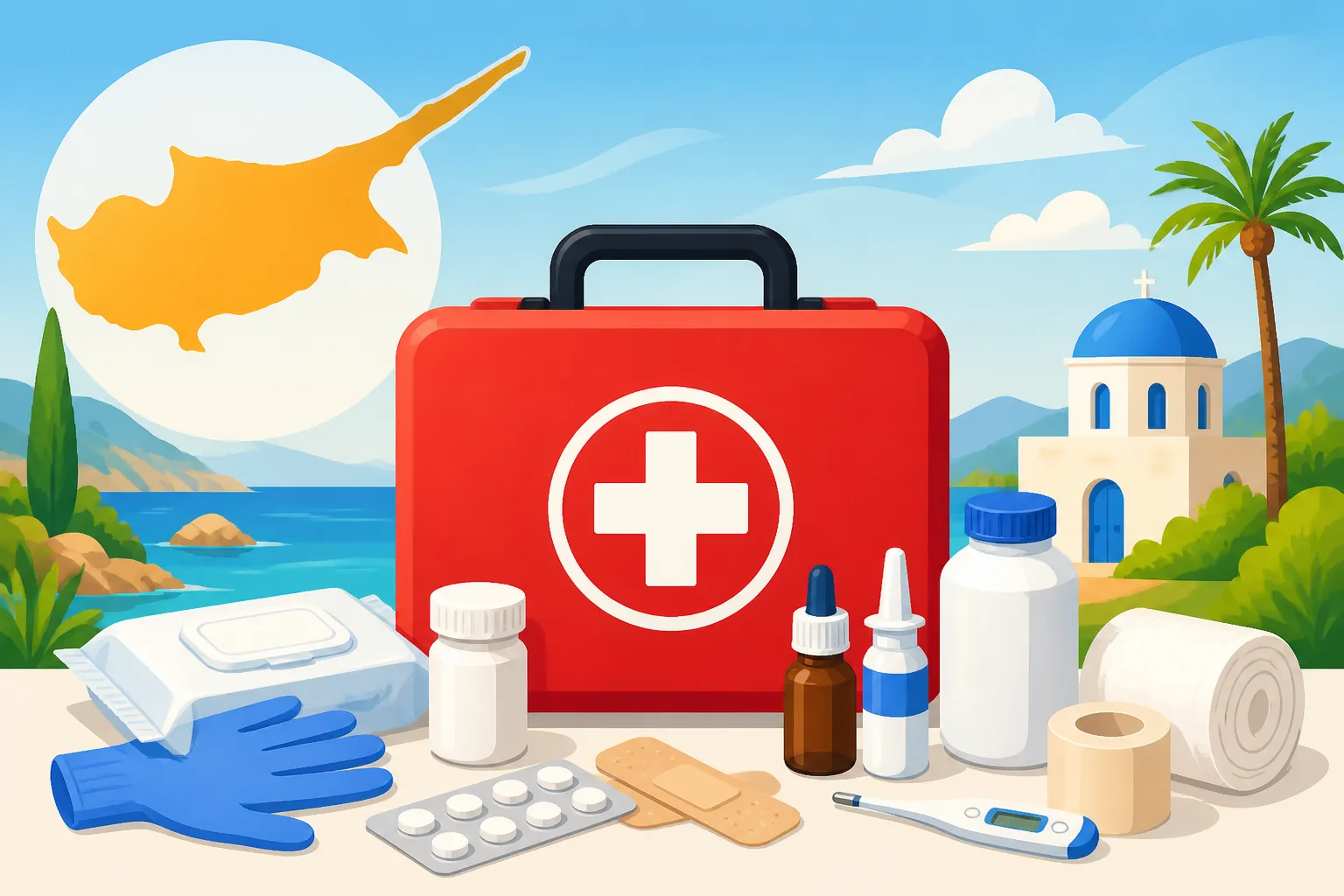
Your kit should definitely include various sizes of adhesive bandages (Band-Aids) – from tiny finger plasters to larger ones for knees. Make sure to get some waterproof varieties, especially with all the lovely beaches and pools here! Sterile gauze pads and medical tape are essential for larger cuts that need more substantial dressing. Don't forget antiseptic wipes or a small bottle of antiseptic solution (like Dettol or Savlon, which are generally available, but having your own is convenient) to clean wounds thoroughly. A pair of small, sharp scissors and tweezers for splinters are also incredibly useful. In a pinch, you can usually find these items at local supermarkets or pharmacies, but it’s far more comforting to have them readily available in your own bathroom cabinet.
Temperature and Minor Trauma Management
Sometimes, it's not a visible injury but a general feeling of unwellness that sends a shiver down your spine. Knowing if that shiver is actually a fever is key. Similarly, muscle strains and minor sprains are common when you’re exerting yourself more than usual, perhaps lifting boxes or trying a new sport.
A reliable digital thermometer is a must-have. Keep it easily accessible so you can quickly check temperatures, especially if you have children or if you're feeling particularly unwell. For strains, sprains, or muscle aches, reusable hot/cold packs are fantastic. You can pop them in the freezer for cold therapy or warm them up in the microwave for heat. This simple item can provide a lot of relief for those niggly aches and pains. An elastic bandage or crepe bandage is also good for providing support to a minor sprain, like an ankle, until you can properly rest it or seek further advice.
Specialized Items for Specific Needs
While we've covered the general bases, your home medical kit isn't complete without considering your unique personal or family medical history. This is where personalized preparation really shines.
If you or a family member manage a chronic condition, you must ensure you have an adequate supply of your prescription medications. Think beyond just a week or two – aim for at least a month's supply, if not more, especially for those initial transitional weeks. This is because getting registered with the local healthcare system, like GeSY, and finding a personal doctor can take a little time. You can learn more about this process in our guide, How to Register for GeSY (General Healthcare System) in Cyprus (2027). Always carry copies of your prescriptions and a doctor's letter explaining your condition and required medications, just in case you need to show them at customs or a local pharmacy.
For example, if you have asthma, make sure your inhalers are well-stocked. If you have severe allergies, an EpiPen should be readily available and you should know its expiry date. Don't forget essentials like prescription eyeglasses, contact lenses and solution, or hearing aid batteries. Diabetics will need to ensure they have enough insulin, test strips, and any other necessary supplies. It’s also wise to pack a small supply of any specific over-the-counter medications you absolutely rely on that might not be easily available or recognisable by name here.
Navigating Cyprus-Specific Considerations for Your Kit
Cyprus has its own unique climate and environmental factors that necessitate specific additions to your home medical kit. Ignoring these could lead to discomfort or even health issues, especially during the hotter months or if you're not used to Mediterranean living.
Sun Protection and Hydration
The Cypriot sun is glorious, but it is also incredibly powerful. Sunburns aren't just uncomfortable; they can be dangerous. Dehydration is another very real risk, particularly in summer when temperatures regularly soar well into the 30s°C (90s°F).
Your kit needs high-SPF sunscreen (at least SPF 30, but SPF 50 is better for direct sun exposure). Bring a couple of bottles from home that you know and trust, and then you can scout out local options once you're settled. Don't forget lip balm with SPF to protect your lips from burning. A wide-brimmed hat and sunglasses should be considered part of your daily "medical protection" here. As mentioned earlier, rehydration salts are invaluable. Keep a few sachets on hand, especially if you're spending a lot of time outdoors or if you experience any stomach upsets. Staying well-hydrated by drinking plenty of water throughout the day is probably the simplest, yet most effective, health measure you can take in Cyprus.
Insect Repellents and Bite Treatment
The warm climate that makes Cyprus so appealing also means a thriving insect population, particularly mosquitoes, especially from spring through autumn. While usually just an annoyance, some people react quite strongly to bites.
A good, strong insect repellent containing DEET or a natural alternative like citronella is a must. Spray yourself before heading out in the evenings, particularly if you're dining al fresco or enjoying a sundowner near greenery or water. If you do get bitten, a bite cream or an after-bite roll-on with antihistamines or soothing ingredients like ammonia can provide instant relief from itching and swelling. Consider a plug-in mosquito repellent for your bedroom if you're particularly sensitive. Local pharmacies do stock these, but having your preferred brand from day one prevents a sleepless night spent scratching.
Local Pharmacy Access and Prescription Quirks
Cyprus has a robust network of pharmacies, easily identifiable by their green cross signs. They are generally well-stocked, and many pharmacists speak English, especially in tourist areas and larger cities like Limassol, Nicosia, and Paphos. However, there can still be differences that catch you off guard.
Firstly, brand names for medications can vary significantly from what you're used to. While the active ingredients are often the same, explaining exactly what you need without knowing the local brand can be a challenge. That's why having your initial supply from home is so beneficial. Secondly, under the General Healthcare System (GeSY), most prescription medications require a doctor’s referral or prescription. While some basic over-the-counter drugs are readily available, you might find that certain medications you could buy without a prescription in your home country require one here. For a deeper dive into this, check out our comprehensive guide on Prescription Medications and Pharmacies in Cyprus: The Complete Guide or Understanding the Pharmacy System and Buying Medicines in Cyprus.
If you arrive before you've fully registered with GeSY or secured private health insurance, you will likely pay out-of-pocket for any medications, even with a local prescription. This is where having initial supplies from home helps bridge the gap. For peace of mind during this transitional period, especially regarding unexpected medical needs, looking into travel medical insurance like SafetyWing can be incredibly smart. It covers you for new illnesses and injuries that might arise before your long-term health coverage fully kicks in. They understand that life abroad throws curveballs, and being prepared means one less thing to worry about.
Beyond the Basics: Travel Insurance and Preparedness
Even with the most meticulously packed home medical kit, there will always be situations that require more than a bandage or a painkiller. This is where understanding the larger picture of healthcare access and having proper insurance becomes absolutely critical. Don't let your comprehensive home kit lull you into a false sense of security regarding serious medical events.
The Importance of Comprehensive Travel Insurance
Your home medical kit is fantastic for those annoying scrapes and sniffles, but it won't cover a broken leg, a sudden appendicitis, or a severe allergic reaction that requires hospitalization. Before you even set foot on the island, securing comprehensive travel insurance is paramount. This is especially true for those initial weeks or months when you're still getting sorted with local residency permits and registering for the GeSY system. What Happens If I Get Sick Before My GeSY Registration in Cyprus? is a very real concern for many newcomers.
Good travel medical insurance, like that offered by SafetyWing, provides a crucial safety net. It can cover emergency medical treatments, hospital stays, and even medical evacuation if needed, preventing potentially crippling out-of-pocket expenses. Even if you're planning on being covered by GeSY eventually, there's often a waiting period or administrative steps to complete. Having travel insurance bridges this gap, giving you peace of mind that if something significant happens, you won't be left scrambling. Remember, your home country's public health system likely won't cover you once you're residing in Cyprus. For a complete overview of healthcare here, you might want to read The Complete Guide to Healthcare in Cyprus for Expats (2027) or delve into Health Insurance in Cyprus: GeSY, Private and Employer Options Explained.
Digital Copies and Emergency Contacts
In any emergency, having vital information readily accessible can save precious time and reduce stress. It's not just about what's in your physical kit, but what information you carry with you.
Create a digital folder (and print a physical copy for your kit) with scanned copies of all prescriptions, a letter from your doctor detailing any chronic conditions and medications, and your insurance details. If you're using SafetyWing, make sure you have their contact information and policy number easily reachable. Also, include important phone numbers: the local emergency number (112), your personal doctor's number (once you've registered with one, see How to Find an English-Speaking Doctor in Cyprus), your nearest pharmacy, and a trusted friend or family member who can be contacted in an emergency. Keep a list of any allergies you have clearly noted. This simple step can be incredibly helpful for medical professionals, especially if there's a language barrier or if you're unable to communicate clearly.
Adapting Your Kit Over Time
Your home medical kit isn't static; it will evolve as you settle into life in Cyprus. In the beginning, you'll rely heavily on your familiar items. However, as you get more comfortable, learn the local pharmacy landscape, and establish your healthcare routine, you'll naturally start to replace items with local equivalents or discover new favorites.
Once you’ve gone through the process of How to Register for GeSY After Moving to Cyprus and taken the time to How to Choose a Personal Doctor (GP) Under GeSY in Cyprus, you'll feel much more confident about accessing care. You’ll find that many common medications are readily available and affordable through the GeSY system, requiring only a small co-payment. For serious emergencies, knowing Emergency Medical Care in Cyprus: What Every Expat Needs to Know and familiarizing yourself with Understanding Emergency Numbers (112) and Ambulance Care in Cyprus will empower you. Think of your initial expat medical kit as a bridge – it gets you safely from point A (arrival) to point B (fully integrated into the Cypriot healthcare system).
| Item Category | Recommended Items | Why It's Essential in Cyprus |
|---|---|---|
| Pain & Fever | Paracetamol (e.g., Panadol), Ibuprofen (e.g., Nurofen) | Familiar relief for common ailments, various brands. |
| Digestive Health | Antacids, Anti-diarrhea, Laxatives, Probiotics, Oral Rehydration Salts | New diet, travel stress, hot climate. |
| Allergy & Skin | Antihistamines (drowsy/non-drowsy), Hydrocortisone Cream, After-Sun Lotion, Aloe Vera | Pollen, dust, insect bites, intense sun exposure. |
| Wound Care | Assorted Band-Aids, Sterile Gauze, Medical Tape, Antiseptic Wipes/Solution, Tweezers, Small Scissors | Minor cuts, scrapes, blisters from exploring. |
| Minor Trauma | Digital Thermometer, Reusable Hot/Cold Pack, Elastic Bandage | Fevers, muscle strains, sprains. |
| Cyprus Specific | High SPF Sunscreen, Lip Balm with SPF, Strong Insect Repellent, Bite Cream | Powerful sun, mosquitoes, heat-related issues. |
| Personal Essentials | Sufficient Prescription Medications (with doctor's letter), Contact Lens Supplies, Diabetic Supplies, EpiPen | Continuity of care, bridging GeSY registration gap. |
| Information | Digital & Physical Copies of Prescriptions/Insurance, Emergency Contacts, Allergy List | Quick access in emergencies, especially with language differences. |
Disclaimer
The information provided in this guide is for general informational purposes only and does not constitute medical advice. While we strive to offer accurate and up-to-date information, it should not be used as a substitute for professional medical consultation, diagnosis, or treatment. Always seek the advice of a qualified healthcare professional for any medical concerns or before making any decisions related to your health or treatment. The healthcare system and regulations in Cyprus can change, so it's always advisable to verify current procedures with official sources or medical professionals.