Understanding the Pharmacy System and Buying Medicines in Cyprus
Moving to Cyprus, you're bound to encounter a few head-scratching moments when it comes to everyday tasks, and navigating the local pharmacy system is definitely one of them. It's not just about finding a place to buy paracetamol; it's about understanding prescriptions, co-payments, and even the subtle art of asking for what you need when the labels are all in Greek. This guide will meticulously break down everything you need to know about buying medicines in Cyprus, from routine refills to emergency supplies, helping you bypass the confusion and get the care you need with confidence.
Navigating the Cypriot Pharmacy Landscape as an Expat
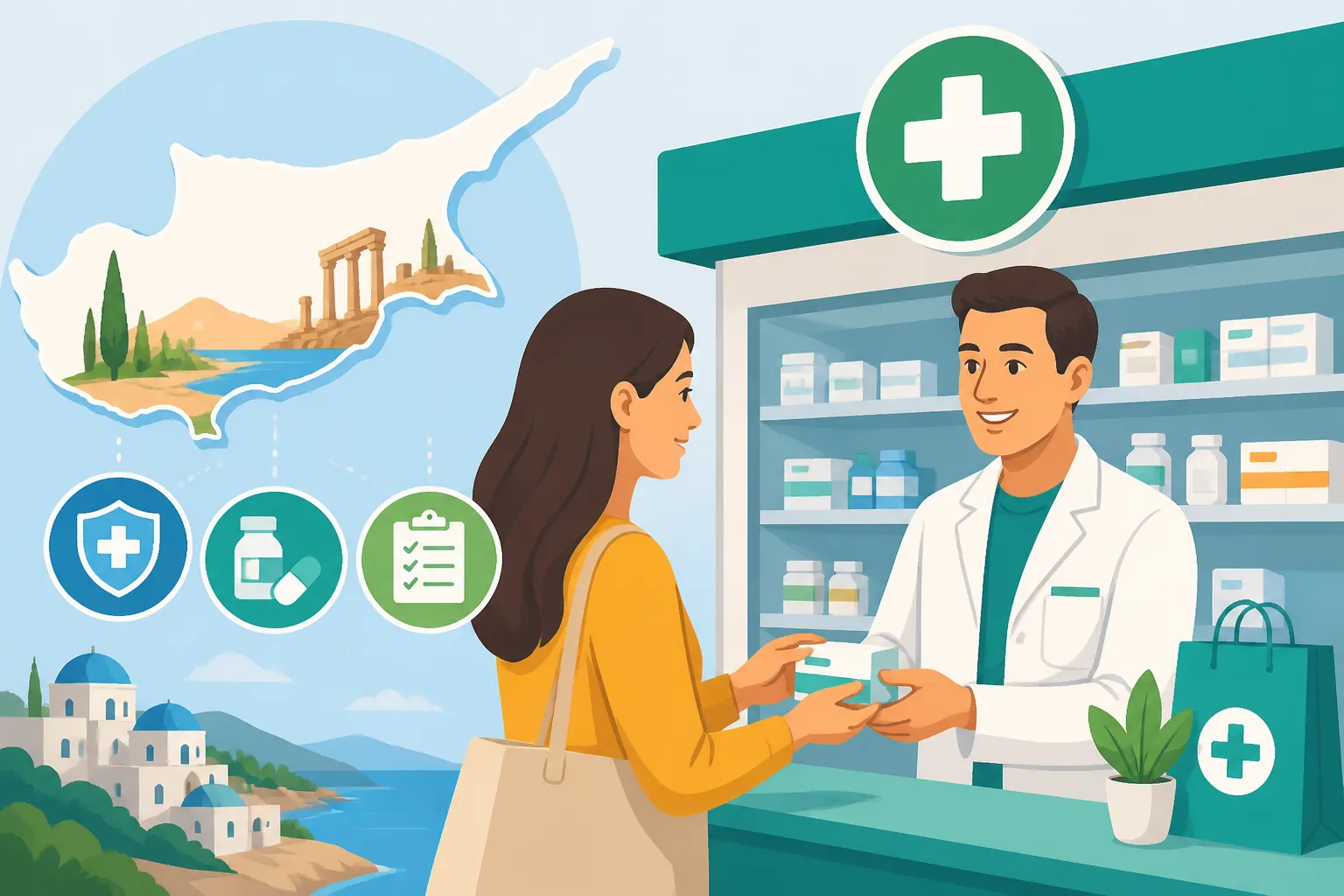
When you first arrive in Cyprus, even something as simple as popping into a pharmacy can feel like a mini-adventure. Unlike many countries where pharmacies are often part of larger supermarkets or chains, here they tend to be standalone establishments, identifiable by their prominent green cross signs, often illuminated at night. It’s a very personal, community-focused system, which can be both charming and a little daunting if you’re used to more anonymous retail experiences. Expect a direct, often slightly formal, interaction with the pharmacist, who is highly respected and often the first port of call for minor ailments.
The Layout of a Typical Cypriot Pharmacy
Step into a Cypriot pharmacy, and you'll immediately notice that it’s quite different from what you might be used to in, say, the UK or North America. Most medications, even many that would be considered over-the-counter in other countries, are kept behind the counter. This means you can’t just browse shelves for what you need. Instead, you'll approach the counter, state your ailment or present your prescription, and the pharmacist will retrieve the appropriate medication for you. This system means the pharmacist is always involved, offering advice and ensuring you get the right product, which can be incredibly helpful but also requires you to articulate your needs clearly.
You'll find a range of health and beauty products, supplements, and often baby care items on open display, similar to a small convenience store. However, anything medical, even a strong painkiller or certain cough syrups, will be behind the main counter. Don't be shy about asking questions; the pharmacists are generally very knowledgeable and are accustomed to guiding customers through their options. This direct interaction is a cornerstone of the Cypriot pharmacy experience, reflecting the pharmacist's role as a frontline healthcare provider.
Opening Hours and Emergency Services
Cypriot pharmacy hours can feel a bit fragmented if you're used to 24/7 access. Most pharmacies operate with a traditional Cypriot schedule: generally open from around 8:00 AM to 1:00 PM, then closing for a lengthy afternoon siesta, and reopening from about 4:00 PM to 7:00 PM on weekdays. On Wednesdays and Saturdays, many close for the afternoon entirely. Sundays are typically closed, though this can vary by municipality. This means you need to plan ahead, especially for weekend needs.
However, Cyprus has a robust system for on-duty or emergency pharmacies, known as "φαρμακεία εφημερεύοντα" (farmakeia efimerevonta). Every day, including Sundays and public holidays, a rotating roster of pharmacies in each district remains open during the afternoon, evening, and often overnight for emergencies. You'll usually find the list of these duty pharmacies prominently displayed on the door of any closed pharmacy, in local newspapers, or on the Cyprus Pharmaceutical Association website. This system ensures that critical medications are always accessible, even if it means driving a little further than usual. Always double-check the duty roster before heading out late, as locations change daily. Remember, for true medical emergencies, calling 112 is always the first step, as outlined in Emergency Medical Care in Cyprus: What Every Expat Needs to Know.
Language Barriers and How to Overcome Them
Let's be real: navigating medical terms in a foreign language can be incredibly stressful, even more so when you're feeling unwell. While many pharmacists in tourist areas and major cities like Limassol or Nicosia speak excellent English, don't assume it everywhere. You might encounter situations, especially in smaller towns, where English is limited. This isn't a deliberate obstacle; it's just the reality of living in a non-English-speaking country. Validating your frustrations here is key: it is frustrating when you're trying to explain a rash or a headache with gestures!
To overcome this, a little preparation goes a long way. Firstly, always try to bring your foreign prescription or a doctor's note, even if it's just for a common ailment, as it lists the active ingredient. Secondly, having Google Translate handy on your phone can be a lifesaver. Learn a few basic phrases like "Έχω συνταγή" (Ekho syntagi – I have a prescription) or "Έχω πονοκέφαλο" (Ekho ponokefalo – I have a headache). Lastly, if you have a specific medication you take regularly, write down its generic name (not just the brand name, which will almost certainly be different here) and dosage. This will help the pharmacist find the equivalent Cypriot product. Many English-speaking doctors in Cyprus are well-versed in helping you understand local medication names.
Prescription Medications in Cyprus: Your Guide to Getting What You Need
The world of prescriptions in Cyprus largely revolves around whether you're under the General Healthcare System (GeSY) or relying solely on private healthcare. This distinction significantly impacts not only the cost but also the process of obtaining your medicines. Understanding How Cyprus's Health System Works: GeSY vs Private Explained (2027) is fundamental to navigating this.
Understanding GeSY Prescriptions
Once you're registered with GeSY – which is a huge relief for many expats – getting your prescriptions filled becomes much more streamlined. Your personal doctor (GP) or any GeSY-registered specialist will issue electronic prescriptions directly through the GeSY system. This means no more paper slips that can get lost! You simply go to any GeSY-registered pharmacy, provide your ID (or your GeSY unique identification number, which is usually your ARC number), and the pharmacist can access your active prescriptions.
For most GeSY prescriptions, there's a small co-payment. This is a nominal fee, often €1 per item, designed to cover a fraction of the cost. Certain chronic conditions or medications might be fully covered or have different co-payment structures. The beauty of the GeSY system is that once you're in, your prescription history is readily available to any GeSY healthcare provider, making continuity of care much easier. It's a huge step up from the old system and a definite plus for residents. To find out more about these costs, check out Understanding GeSY Co-Payments and Out-of-Pocket Fees in Cyprus. If you're still in the process of getting your GeSY sorted, our guide on How to Register for GeSY (General Healthcare System) in Cyprus (2027) can walk you through it.
Private Prescriptions and How They Differ
If you're not yet eligible for GeSY, or if you prefer to use private doctors and specialists, your prescription experience will be slightly different. Private doctors will issue you a paper prescription. This typically includes the medication name, dosage, and your personal details. You then take this paper prescription to any pharmacy (they don't need to be GeSY-registered, though most are) to have it filled.
The key difference here is cost. With a private prescription, you will pay the full cost of the medication out-of-pocket at the pharmacy. There are no co-payments; it's the retail price. If you have private health insurance, you might be able to claim reimbursement for these costs, but that's a process you'll handle directly with your insurer, not at the pharmacy counter. This is why many expats eventually aim to get on GeSY, as the cost savings on chronic medications can be substantial. For those considering private routes, understanding Public vs Private Healthcare in Cyprus: Which Should Expats Choose? is crucial.
Getting Your Foreign Prescriptions Filled
This is a common headache for new arrivals. You've just moved, maybe your GeSY application is still pending, and you've run out of your regular medication from back home. What do you do? Bringing your foreign prescription is helpful, but pharmacists in Cyprus generally cannot legally fill a prescription issued by a non-Cypriot or non-EU doctor directly. They need a local prescription.
Your best bet is to make an appointment with a local GP as soon as possible. Bring your existing foreign prescription, the packaging of your medication, or at least a clear list of the active ingredients and dosages. The Cypriot doctor will then assess your needs and issue a new, local prescription for you. This might involve a small consultation fee if you're going privately or a GeSY co-payment if you're already registered. For critical medications, finding an English-speaking doctor who understands your home country's medical system can make this transition much smoother. Our guide on Registering with a Personal Doctor (GP) in Cyprus: The Complete Expat Guide (2027) covers how to set this up.
Over-the-Counter OTC Medicines and Common Remedies
Not everything requires a doctor's visit, thankfully. Cyprus has a good range of over-the-counter (OTC) medications available for common ailments, though as mentioned, many are still behind the counter. The pharmacist acts as a gatekeeper and advisor, which can be reassuring.
What's Available Without a Doctor's Note
For minor issues like headaches, colds, allergies, minor cuts, or upset stomachs, you can walk into any pharmacy and ask for a suitable remedy. You'll find common pain relievers like paracetamol (often branded as Panadol) and ibuprofen, cold and flu remedies, antihistamines, antacids, and a variety of creams and ointments for skin irritations. Don't expect to find large bottles of cough syrup or stronger painkillers freely available on shelves; you'll need to ask the pharmacist.
It's a good idea to know the generic names of what you're looking for, or at least be able to describe your symptoms. For example, instead of asking for "Advil," ask for "ibuprofen." If you're looking for something specific, like eye drops for allergies, describe your symptoms: "έχω αλλεργία στα μάτια" (ekho allergia sta matia – I have allergies in my eyes). The pharmacist will then suggest appropriate products, guiding you through options and dosages. This personalized approach means you often get tailored advice rather than just picking something off a shelf.
The Role of the Pharmacist: More Than Just a Dispenser
In Cyprus, pharmacists hold a more prominent advisory role than in some other countries. They are truly the first line of medical contact for many people, especially for non-urgent issues. They can offer advice on minor ailments, recommend suitable OTC medications, and even provide basic first aid advice. Don't be surprised if your pharmacist asks you detailed questions about your symptoms or medical history, even for an OTC purchase. They're trying to ensure you get the safest and most effective treatment.
They can also advise you on interactions between medications, appropriate dosages, and potential side effects. This is a valuable service, especially for expats who might feel more comfortable discussing minor health concerns with a pharmacist they trust, rather than immediately seeking a doctor's appointment. They really are part of the community fabric, often knowing their regular customers by name and being genuinely invested in their wellbeing. Think of them as your accessible, local health expert.
Understanding Generic vs. Branded Medications
When you're at the pharmacy counter, whether with a prescription or seeking an OTC remedy, you might be offered a choice between a branded medication and its generic equivalent. This is where understanding the system can save you money. Generic medications contain the exact same active ingredient, in the same dosage, and are required to be bioequivalent to their branded counterparts, meaning they work just as effectively. The main difference is often the price.
Under GeSY, pharmacists are generally encouraged to dispense generic versions where available, as they are more cost-effective for the system. This means if your doctor prescribes a specific brand, the pharmacist might dispense a generic equivalent, which is perfectly normal and safe. If you're paying privately, always ask if a generic option is available, as it can significantly reduce your out-of-pocket expense. For instance, you might be prescribed a brand-name antidepressant, but the pharmacist gives you the generic version, which functions identically but costs less. Don't hesitate to ask for clarification if you're unsure; the pharmacist will explain the options.
Costs, Coverage, and Practical Tips for Buying Medicines
The financial aspect of healthcare, including medication, is always a big concern for expats. Cyprus offers various scenarios depending on your residency status and insurance coverage. Understanding the nuances can save you both stress and money.
GeSY Co-Payments and Private Insurance Reimbursement
As we touched upon, GeSY-registered individuals will typically pay a small co-payment for each prescription item. This is usually around €1.00 per item, though some specific high-cost medications for chronic diseases might have different co-payment rules or be fully exempt. These co-payments are paid directly at the pharmacy. The good news is that these costs are incredibly low compared to private purchases or systems in many other countries.
If you're relying on private health insurance, the process is different. For private prescriptions, you pay the full amount at the pharmacy. You'll then need to submit the receipt to your private insurance provider for reimbursement. The amount reimbursed will depend entirely on your specific policy terms. Some policies, especially basic ones or those used by digital nomads (like perhaps SafetyWing for short-term cover or travel), might only cover emergency medications or not reimburse outpatient pharmacy costs at all. It's crucial to check your policy's fine print regarding outpatient medication coverage. If you're choosing private healthcare, our guide on Understanding Private Health Insurance Options in Cyprus can help clarify your options.
Comparing Pharmacy Prices and Finding Value
Are medication prices fixed in Cyprus? For prescription medicines, particularly those under GeSY, the prices are regulated. For private prescriptions and OTC items, there can be slight variations from one pharmacy to another, although they are generally quite consistent across the island for common items. This isn't like shopping for groceries where you'll find huge price swings. Pharmacists operate under a regulated pricing structure for many products.
However, you might occasionally find promotions on non-prescription items, cosmetics, or supplements. For instance, one pharmacy might have a special offer on a particular brand of vitamin C, while another offers a discount on sunscreen. For common medical supplies like bandages or antiseptic, the price difference will likely be negligible. The real value comes from the pharmacist's advice and convenience. Don't spend hours driving around to save a few cents; prioritize accessibility and a pharmacist you feel comfortable speaking with.
Here's a quick comparison of general medication costs:
| Medication Type | GeSY Patient Cost | Private Patient Cost (Estimate) | Notes |
|---|---|---|---|
| Prescription Medication | €1 co-payment per item | Full retail price (e.g., €5 – €50+) | Reimbursement possible with private insurance. |
| Common OTC Painkiller (e.g., Paracetamol 500mg, 20 tabs) | N/A (OTC) | €3 – €6 | No prescription needed. |
| Cold & Flu Remedy (basic) | N/A (OTC) | €7 – €15 | Often kept behind the counter, pharmacist advises. |
| Antibiotics | €1 co-payment per item | Full retail price (e.g., €10 – €30+) | Requires a prescription (GeSY or private doctor). |
| Anti-allergy medication | €1 co-payment (if prescribed) | Full retail price (e.g., €5 – €20+) | Some are OTC, stronger ones require prescription. |
Note: Estimates for private costs are for reference only and can vary based on the specific medication, dosage, and brand.
Essential Pharmacy Vocabulary and Phrases
To help you navigate those pharmacy interactions with a bit more ease, here are some useful Greek phrases. Don't worry about perfect pronunciation; pharmacists appreciate the effort!
- Φαρμακείο (Farmakeio): Pharmacy
- Έχω συνταγή (Ekho syntagi): I have a prescription.
- Πονάω εδώ (Ponao edho): I have pain here (point to the area).
- Πονοκέφαλος (Ponokefalos): Headache
- Στομαχόπονος (Stomachoponos): Stomach ache
- Βήχας (Veehas): Cough
- Κρυολόγημα (Kryologima): Cold
- Αλλεργία (Allergia): Allergy
- Πόσο κάνει; (Poso kani?): How much does it cost?
- Μπορείτε να με βοηθήσετε; (Boreite na me voithisete?): Can you help me?
- Έχω ασφάλεια (Ekho asfaleia): I have insurance (referring to GeSY or private).
- Ευχαριστώ (Efcharisto): Thank you
Even just a few words can make a big difference in bridging the communication gap and showing respect for the local culture. Most pharmacists will then switch to English if they see you're struggling, but starting with a bit of Greek can open doors.
Special Circumstances and Challenges
While the routine of getting prescriptions becomes second nature, there are always those curveball situations that catch you off guard. As an expat, it feels like these curveballs are thrown more frequently!
Dealing with Medication Shortages or Specific Needs
Occasionally, you might find that a specific medication you need is out of stock or, more rarely, not available in Cyprus at all. This can be particularly frustrating if it's a critical medication you rely on. My advice here, from personal experience, is to maintain a good relationship with your local pharmacist and your GP. If there's a shortage, the pharmacist is usually the first to know and can advise on alternatives or if a similar medication from a different manufacturer is available.
For medications not officially registered in Cyprus, your doctor might explore options for ordering it via a special import license, but this is a rare and often lengthy process. In most cases, a therapeutically equivalent alternative will be found. If you have a highly specialized medication, especially something obscure, it's wise to discuss this with your Cypriot doctor well in advance of moving or during your first consultation. Also, always keep a small emergency supply of any critical medication from your home country, especially when traveling or for initial settling in. Travel insurance like SafetyWing often has provisions for emergency medication, which can be a lifesaver if you're caught out while waiting for local prescriptions.
Travel and Importing Medications
When traveling into Cyprus, you're generally allowed to bring a reasonable quantity of personal medication, usually up to a three-month supply, provided it's for your personal use and you have a valid prescription or doctor's note. This is particularly important for controlled substances, where strict regulations apply. Always keep medications in their original packaging and carry a copy of your prescription with you, especially if you anticipate any issues at customs.
For leaving Cyprus and traveling to other countries, the same general rules apply: check the regulations of your destination country and always carry your prescriptions. Some countries have very strict rules about certain medications, even common ones like ADHD medication or strong painkillers. A useful tip is to ask your Cypriot doctor for a letter explaining your medical conditions and the necessity of your medications in English, which can smooth things over with airport security or customs officials globally.
Online Pharmacies and Delivery Services
The concept of a purely online pharmacy, where you upload a prescription and have medication delivered to your door without direct pharmacist interaction, is not as prevalent in Cyprus as it might be in some larger European countries or the US. The Cypriot system emphasizes the direct interaction with the pharmacist for dispensing. While some local pharmacies might offer a delivery service to their regular customers, it's not a widespread, island-wide phenomenon for prescription drugs.
For non-prescription items, vitamins, or beauty products, you might find some larger health and beauty retailers with an online presence and delivery options. However, for anything that needs a prescription or pharmacist advice, expect to visit a physical pharmacy. This ensures that the professional oversight that is central to the Cypriot pharmacy system remains intact. For things like basic vitamins or dietary supplements, however, you can certainly find them online from various retailers.
Disclaimer
The information provided in this guide is intended for general informational purposes only and does not constitute medical or legal advice. While we strive to ensure the information is accurate and up-to-date, healthcare regulations and practices in Cyprus can change. Always consult with a qualified healthcare professional or legal advisor for advice tailored to your specific situation. Reliance on any information provided in this guide is solely at your own risk.