Emergency Medical Care in Cyprus: What Every Expat Needs to Know
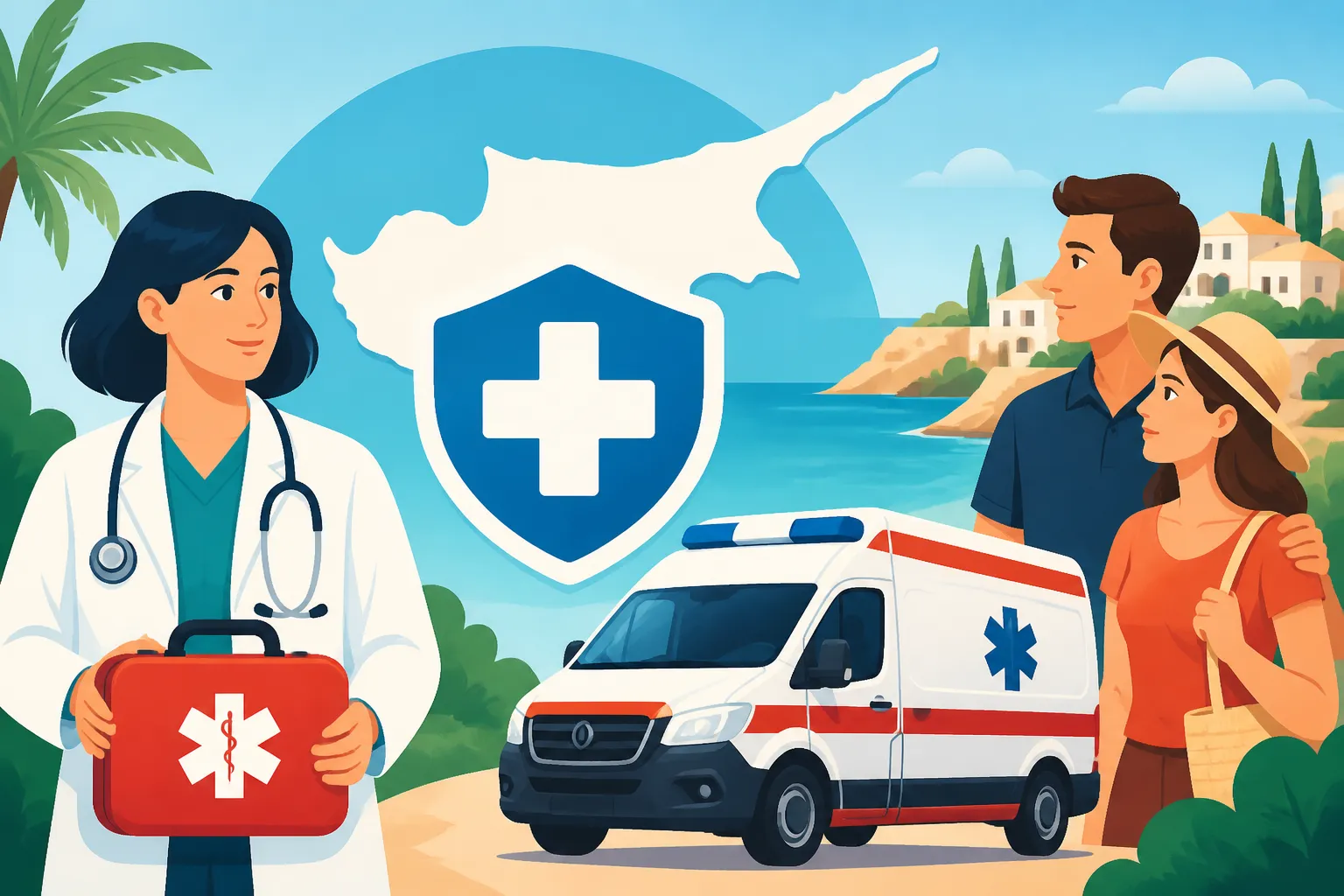
Many expats arriving in Cyprus find themselves overwhelmed by the healthcare system, especially when a sudden, urgent medical situation arises. The thought of needing emergency care in a foreign country can be genuinely terrifying, filled with questions about who to call, where to go, and how much it will cost. This comprehensive guide aims to demystify emergency medical care in Cyprus, providing you with all the essential information you need to navigate urgent health situations with confidence and peace of mind.
Understanding the Emergency Medical Landscape in Cyprus
Moving to a new country like Cyprus is exhilarating, but the administrative side, especially healthcare, can be a minefield. When it comes to emergencies, understanding the local system isn't just helpful; it's absolutely critical. Cyprus, like many European nations, has a structured approach to urgent medical needs, but knowing the nuances as an expat can save precious time and reduce immense stress.
What Constitutes a Medical Emergency Here?
First things first, it's vital to differentiate between a true medical emergency and an urgent medical issue. A true emergency is a situation where immediate medical attention is required to prevent death or serious long-term impairment. We're talking about things like suspected heart attacks (chest pain, shortness of breath), strokes (sudden weakness or numbness on one side, difficulty speaking), severe trauma (major car accidents, falls with significant injury), sudden severe allergic reactions (anaphylaxis), uncontrollable bleeding, or loss of consciousness. These are the scenarios where you absolutely should call 112 without hesitation.
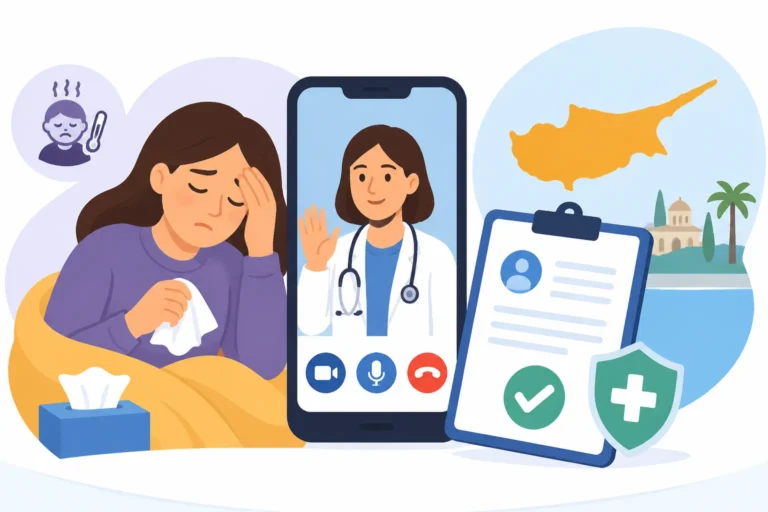
On the other hand, an urgent medical issue might be a high fever that won't break, a deep cut that needs stitches but isn't gushing blood, a suspected fracture with stable pain, or a severe stomach bug. While these certainly need attention, they generally don't require an ambulance and a full emergency department visit. This distinction is crucial because misusing emergency services can clog the system for those in life-or-death situations, leading to longer waits for everyone. It's a frustration many expats feel – knowing where to draw the line and feeling confident in that decision when you're not in your home country.
Culturally, you might observe that some locals visit the A&E for conditions that in your home country would be handled by a general practitioner or an urgent care clinic. This can sometimes lead to longer waiting times in public emergency rooms. As an expat, it's important to internalize this distinction to use resources appropriately. If you're unsure, it's always better to err on the side of caution for genuine emergencies, but for anything less severe, consider alternative options like an on-duty pharmacy or your personal doctor if they offer out-of-hours advice.
The Dual System in Emergency Care: GeSY vs Private
Cyprus operates a dual healthcare system, encompassing both the General Healthcare System (GeSY) and private healthcare. This dual nature extends to emergency care, and your access and costs will heavily depend on whether you are registered with GeSY or rely solely on private insurance. It's a point of confusion for many newcomers, and understandably so, as it dictates your path to treatment. For a broader overview of how the two systems operate, you might find How Cyprus's Health System Works: GeSY vs Private Explained (2027) particularly useful.
If you are a registered beneficiary of GeSY, then public hospitals and their emergency departments are your primary route for urgent care. Most emergency treatments within public hospitals are covered, often with only a nominal co-payment per visit or for specific services. This provides a significant safety net for residents. However, if you are not yet registered with GeSY – perhaps you've just arrived, or your residency status doesn't make you eligible – then public emergency care will come at a direct cost, which can be substantial.
Conversely, private hospitals also offer emergency services. These are typically paid for directly by the patient, either out-of-pocket or through private health insurance. Many expats, even those eligible for GeSY, choose private emergency care for perceived benefits like shorter waiting times, modern facilities, and a higher likelihood of English-speaking staff. The crucial takeaway here is to know your status before an emergency strikes. Having clarity on your healthcare coverage and preferred route can save critical time and immense stress when you or a loved one needs immediate help. Don't wait until you're in a panic to figure this out!
Calling for Help: Emergency Numbers and Protocols
When every second counts, knowing who to call and what to say is paramount. The last thing you want in an emergency is to fumble with phone numbers or struggle to explain your situation. Cyprus, thankfully, has aligned with the rest of the EU in streamlining its emergency response, but a few key details will help you navigate the process smoothly.
The All-Important 112: Cyprus's Universal Emergency Number
The single, most crucial number to commit to memory (or your phone's speed dial) in Cyprus is 112. This is the European Union's universal emergency number, and it works across Cyprus for police, fire, and ambulance services. It's free to call from any phone, landline or mobile, even if you don't have credit or a SIM card. When you're in a life-threatening situation, this is your immediate go-to. The ease of a single number across services is a blessing, simplifying a moment of panic.
When you call 112, you should expect the operator to speak English. While not every operator may be perfectly fluent, they are trained to handle calls from foreigners and will do their utmost to understand your situation. The most critical thing you can do on your end is to stay calm, speak clearly, and provide precise information. Panicking is natural, but try to take a deep breath.
The essential information you need to convey includes:
- Your exact location: Give the full address, including street name, number, town/village, and district. If you're outdoors, mention landmarks (e.g., "near the big tree opposite the church," "at the roundabout by the petrol station").
- The type of emergency: Clearly state it's a medical emergency. Is someone unconscious? Is there severe bleeding? Are they having chest pains?
- Number of people affected: How many people need medical attention?
- Your contact number: So they can call you back if disconnected or for further clarification.
- Any known hazards: Is there danger to the responders, like a gas leak or aggressive animals?
It's vital that you do not hang up until the operator tells you to. They may need further information or to keep you on the line until help arrives. Even if you're struggling with the language, they'll often stay connected, relaying information to the dispatched emergency services. Knowing Understanding Emergency Numbers (112) and Ambulance Care in Cyprus will prepare you further for this critical moment.
Alternative Emergency Contacts and When to Use Them
While 112 is the unequivocal number for medical emergencies, there might be other urgent situations that don't warrant an ambulance but still need attention outside of regular hours. It’s important to understand the hierarchy of contacts to ensure you're using the right resource at the right time.
For instances where you need medical advice but it’s definitely not life-threatening – perhaps a child with a persistent high fever, or you've taken a tumble and suspect a sprain but can move – calling your personal doctor (GP) is often the best first step. Many GPs in Cyprus provide a mobile number for out-of-hours advice to their registered patients. Establishing a relationship with a local doctor is therefore invaluable; consider Registering with a Personal Doctor (GP) in Cyprus: The Complete Expat Guide (2027) soon after you settle. They know your medical history and can advise whether you need to visit an on-duty pharmacy, an urgent care clinic, or indeed, the emergency department.
Some private hospitals also have direct emergency hotlines. While these aren't for dispatching ambulances (you'd still call 112 for that), they can be useful if you're transporting someone yourself to a specific private facility and want to alert them of your imminent arrival, or to check their current capacity. However, these are niche situations, and 112 remains the primary point of contact for immediate, critical medical transport. Never hesitate to call 112 if you believe an ambulance is needed, regardless of whether you intend to go to a public or private hospital.
Navigating Public Hospital Emergency Departments (A&E)
For many expats, especially those registered with GeSY, public hospital Emergency Departments (A&E) will be their first point of contact during an unexpected health crisis. While the thought of a public hospital in a foreign land can be daunting, understanding the system can help ease some of that anxiety.
Accessing Public A&E with GeSY Registration
If you're a registered beneficiary of GeSY, accessing public A&E services is relatively straightforward, and largely covered. This is the intended benefit of contributing to the national healthcare system, providing a robust safety net. For a deeper understanding of your eligibility, refer to Understanding Who Is Eligible for GeSY in Cyprus. When you present at a public hospital A&E, you will generally incur a small co-payment, typically around €10, for the consultation and examination. This co-payment structure applies to various services under GeSY, as detailed in Understanding GeSY Co-Payments and Out-of-Pocket Fees in Cyprus.
What should you bring with you? Ideally, have your Alien Registration Card (ARC), Yellow Slip (MEU1/MEU3) or other proof of residency, and your GeSY card or GeSY beneficiary number. These documents confirm your eligibility. While staff will not deny life-saving treatment if you don't have them immediately available, having them ready will streamline the registration process. If you forget, they may treat you and then ask you to provide proof of GeSY registration at a later stage, or you might be initially charged and then reimbursed once your GeSY status is confirmed.
Upon arrival, you'll go through a triage system. This means a nurse will assess your condition and determine the urgency of your case. Life-threatening emergencies will naturally be prioritized, which unfortunately means that for less critical issues, waiting times can be long. This is a common frustration shared by many expats, and frankly, by locals too. It's not uncommon to wait several hours for conditions deemed non-urgent, especially during peak times or holiday periods. Be prepared for this, and try to bring a book or something to occupy your time if you're stable enough.
In terms of language, many doctors and nurses in major public hospitals speak English, especially those in larger cities like Limassol, Nicosia, and Paphos. However, it's not a universal guarantee, particularly with administrative staff or in smaller, more rural hospitals. Having a translation app on your phone, or if possible, a Greek-speaking friend or family member to accompany you, can be incredibly helpful for clarification and ensuring nothing is lost in translation during what is already a stressful time.
Public A&E Without GeSY: What to Expect
For expats who are not yet registered with GeSY – perhaps you've just moved to the island, are visiting, or your visa type doesn't grant immediate GeSY eligibility – you will still receive emergency medical care at a public hospital. Cyprus healthcare policy dictates that no one in a genuine emergency will be refused life-saving treatment. However, the key difference is that you will be fully charged for all services rendered. This can be a significant financial burden, so it's vital to understand the implications. The uncertainty of What Happens If I Get Sick Before My GeSY Registration in Cyprus? is a real concern for many new arrivals.
The costs for emergency treatment without GeSY can add up quickly. A basic emergency room consultation might be reasonable, but once diagnostics (blood tests, X-rays, MRI scans), medications, or procedures are involved, the bill can quickly climb into hundreds or even thousands of euros. For example, a simple fracture requiring a cast and follow-up might cost a few hundred, while more complex trauma could run into many thousands. Unfortunately, there isn't a fixed price list for all emergency scenarios, as each case is unique.
You will typically be expected to pay for services upon discharge, or in some cases, an upfront payment might be requested for certain procedures. It is absolutely crucial to keep all receipts, medical reports, and any documentation provided by the hospital. These will be essential if you have private travel insurance or private health insurance and intend to claim reimbursement. This is where a reliable insurance policy, like those offered by SafetyWing, becomes indispensable for newcomers or tourists, as it acts as a financial safety net for these unexpected costs.
The most important message here is that while you will be treated, the financial responsibility rests squarely on you. Therefore, adequate health insurance coverage is not just a recommendation; it's a necessity for anyone living or visiting Cyprus who isn't covered by GeSY. For tourists especially, knowing Can Tourists Access Emergency Care in Cyprus? and the associated costs is paramount before travel.
Private Hospital Emergency Services
While the public healthcare system provides a critical service, many expats in Cyprus opt for private hospital emergency departments, either due to preference or necessity. Understanding how these facilities operate can help you make an informed decision when faced with an urgent medical situation.
Benefits and Accessing Private Emergency Departments
Private hospitals in Cyprus often present a compelling alternative to public facilities for emergency care. Their appeal for many expats lies in several key benefits. Firstly, you'll generally find shorter waiting times compared to public A&Es. While not entirely immune to busy periods, private hospitals typically have more streamlined processes and potentially higher staffing levels, leading to a quicker assessment and treatment. Secondly, private facilities often boast more modern infrastructure, private rooms, and a higher standard of amenities, contributing to a more comfortable and less stressful experience during an emergency. Finally, there's a much higher guarantee of English-speaking doctors and nurses, which can significantly reduce anxiety and communication barriers for non-Greek speakers. If you want to dive deeper into private care, How to Use Private Hospitals and Clinics in Cyprus offers comprehensive insights.
Accessing a private emergency department is generally straightforward. You can go directly to any private hospital's A&E – no referral is needed for emergency cases. Prominent private hospitals with emergency services are found in major cities. For instance, in Nicosia, you have facilities like the American Medical Center and Apollonion Private Hospital. In Limassol, Ygeia Polyclinic and Mediterranean Hospital of Cyprus are well-regarded. Paphos has Evangelismos Hospital and Blue Cross Medical Centre. It's a good idea to research and note down the closest private hospital to your home or workplace before an emergency occurs.
While the "comfort factor" and perceived efficiency are strong draws, it's important to recognize that the level of medical expertise for critical, life-threatening emergencies is generally high across both public and private systems in Cyprus. The choice often comes down to personal preference, insurance coverage, and the specific nature of the emergency. However, for expats, the reduced language barrier and improved efficiency can make a significant difference in an already trying situation.
Costs and Insurance for Private Emergency Care
The primary difference when opting for private emergency care is, of course, the cost. Private emergency services are significantly more expensive than their public counterparts, especially if you are not covered by local private health insurance. A standard emergency room consultation, before any major diagnostics or procedures, can range from €80 to €150 or more. If blood tests, X-rays, ultrasounds, or specialist consultations are required, the bill can quickly escalate into hundreds, or even thousands, of euros for more complex conditions or overnight stays.
For this reason, robust private health insurance is absolutely crucial if you plan to rely on private emergency care. The way it typically works in Cyprus is that you will pay for the services upfront at the private hospital, and then you will claim reimbursement from your insurance provider. The amount you get back will depend entirely on your policy's terms, including deductibles, co-insurance, and coverage limits. It's essential to thoroughly understand your private health insurance policy before you need it. Understanding Private Health Insurance Options in Cyprus provides a detailed look at the various choices available. Make sure you carry your insurance card and policy details with you or have them readily accessible on your phone.
For new arrivals, digital nomads, or tourists, travel medical insurance is your best friend. Companies like SafetyWing offer flexible, comprehensive travel medical insurance specifically designed for nomads and expats, which can be an absolute lifesaver. It covers emergency medical expenses, including hospitalizations, doctor visits, and even emergency dental care, providing a vital safety net for unexpected health crises until you establish more permanent local coverage. While you still typically pay upfront, SafetyWing's claims process aims to be straightforward. Always review the policy details, especially regarding emergency room visits and ambulance cover, to understand your benefits and responsibilities.
In an emergency, never let the potential cost deter you from seeking immediate treatment. However, being prepared by having adequate insurance and understanding how it works will significantly reduce the financial stress after the fact. Always keep detailed receipts and medical reports for any claims.
Ambulance Services and Medical Transport
When a medical emergency strikes, the sound of a siren can be incredibly reassuring. But when do you call an ambulance in Cyprus, and what can you expect from the service? It’s not just a taxi to the hospital; it’s a critical component of emergency medical care.
When to Call an Ambulance and What to Expect
It's vital to reiterate: ambulances are for serious, life-threatening emergencies only. This includes situations like suspected heart attack or stroke, severe breathing difficulties, unconsciousness, severe bleeding, major trauma (e.g., from a car accident or a fall from a height), severe burns, or sudden, excruciating pain. Calling 112 for minor ailments like a common cold, a slight fever, or a sprained ankle that doesn't prevent movement is inappropriate and diverts critical resources from those who truly need them. The guidance in Understanding Emergency Numbers (112) and Ambulance Care in Cyprus is clear on this.
Once you call 112 and request an ambulance, the dispatch centre will assess the severity and location of the emergency. Response times can vary depending on where you are on the island and the current demand for services. In major urban centres like Limassol, Nicosia, or Larnaca, response times are generally quick, often within 10-15 minutes. In more rural or remote areas, it might take longer for an ambulance to reach you. The more precise information you provide when calling 112, the faster and more efficiently they can locate you.
The ambulance staff in Cyprus are trained paramedics and emergency medical technicians. They are equipped to provide immediate life support and stabilize patients en route to the hospital. While many paramedics have a good grasp of English, especially in tourist areas, it's not universally guaranteed. If language is a significant barrier, try to have someone with you who can translate, or at least have key medical terms related to your condition ready (e.g., "chest pain," "difficulty breathing," "allergic reaction").
A critical point to remember is that the ambulance service will typically transport you to the nearest appropriate public hospital equipped to handle your specific emergency. Even if you have private insurance or a strong preference for a private hospital, in a genuine life-threatening emergency, speed and access to immediate, specialized care take precedence. The paramedics' priority is to get you to the facility best suited to stabilize your condition as quickly as possible, which may well be a public hospital trauma centre.
The Cost of Ambulance Services in Cyprus
Understanding the financial aspect of ambulance services is another crucial piece of the emergency care puzzle for expats. This can differ significantly based on your GeSY registration status.
If you are a registered GeSY beneficiary, ambulance services for genuine medical emergencies are generally covered. There might be a small co-payment for the ride itself, but the bulk of the cost is absorbed by GeSY. This is one of the significant advantages of being fully integrated into the national healthcare system.
However, if you are not registered with GeSY, an ambulance ride will incur a direct cost. The fee can vary, but generally, you can expect it to be in the range of €80 to €200, depending on the distance traveled and the level of medical intervention provided by the paramedics during transport. This fee is for the ambulance service itself, separate from any subsequent hospital charges. For a detailed breakdown of potential expenses, including ambulance costs, see How Much Does an Ambulance Cost in Cyprus?.
If you have private health insurance (either a local policy or international travel insurance like SafetyWing), these policies often include coverage for emergency ambulance transport. However, like other private medical costs, you will typically need to pay the ambulance fee upfront and then submit a claim for reimbursement to your insurer. It's absolutely essential to check the specifics of your policy regarding ambulance coverage – look for details on whether it covers emergency transport to any hospital or only specific types, and what the reimbursement process entails.
Regardless of your financial situation or insurance coverage, it is paramount that cost should never, ever be a deterrent to calling an ambulance in a genuine life-threatening emergency. Your life, or the life of someone else, is priceless. The financial implications can be dealt with after the immediate danger has passed.
Emergency Pharmacy Services and Out-of-Hours Care
Not all urgent medical needs require a trip to the emergency room. Sometimes, it's about getting vital medication or receiving advice for a less severe condition outside regular business hours. This is where Cyprus's system of on-duty pharmacies and urgent care centers becomes invaluable for expats.
Finding an On-Duty Pharmacy (Pharmakeio Ephimerias)
One of the most practical aspects of the Cypriot healthcare system for expats is the rotation of on-duty pharmacies, known as "Pharmakeio Ephimerias." These pharmacies extend their operating hours into the night and on weekends and public holidays, ensuring that you can always access essential medications or advice when regular pharmacies are closed. This system is a lifesaver when you suddenly need a prescription filled, or an urgent over-the-counter remedy for a child's fever in the middle of the night.
How do you find one? The most common way is to check the notices posted on the doors of any local pharmacy. They typically list the schedule for the nearest on-duty pharmacies for the current week. Additionally, local newspapers often publish the daily list. In the digital age, however, several online resources can help. The Cyprus Medical Association website or local municipal websites (e.g., Limassol Municipality) often provide a list of on-duty pharmacies. There are also mobile apps available that can locate the nearest open pharmacy. Asking a local, if possible, is also a reliable method.
When visiting an on-duty pharmacy, remember to bring your GeSY card if you have a GeSY prescription, as this will ensure the co-payment system applies. If you have a private prescription, bring that along. Be prepared to pay for your medications, as most pharmacies accept both cash and card payments. For a full rundown on how the pharmacy system works, including prescription medications, you should read Prescription Medications and Pharmacies in Cyprus: The Complete Guide.
It's important to note that, unlike some countries, antibiotics in Cyprus strictly require a prescription from a doctor. You cannot simply walk into an on-duty pharmacy and purchase them over the counter, regardless of how urgent your perceived need. This is a common point of confusion for expats from countries with different regulations. The article Can I Buy Antibiotics Over the Counter in Cyprus? provides specific clarification on this. For other mild ailments, such as colds, flu symptoms, or minor pain, the pharmacist is highly knowledgeable and can recommend effective over-the-counter remedies, saving you an unnecessary doctor's visit.
Urgent Care Centres and Walk-In Clinics (Non-Emergency)
For conditions that are urgent but clearly not life-threatening – think a persistent high fever, a nasty cough, minor cuts that might need cleaning and dressing but not emergency surgery, or an acute infection like a UTI – a full-blown hospital emergency department is often not the most efficient or appropriate choice. Due to the triage system and prioritization of critical cases, you could face lengthy waits for conditions that could be handled elsewhere.
This is where urgent care centres or private walk-in clinics come into play. While not as universally available as pharmacies, a growing number of private medical centres and even some private hospitals in major cities offer urgent care services, often with extended hours. These facilities are designed to bridge the gap between your GP and the emergency room, providing quicker access to a doctor for pressing but non-critical issues. For instance, some private hospitals like Apollonion Private Hospital in Nicosia might have dedicated urgent care sections. It’s always worth checking with local private clinics or doing a quick online search for "urgent care Limassol" or "walk-in clinic Paphos" to see what's available in your area.
These services are typically private and require upfront payment. The costs will vary depending on the clinic and the services received (consultation, tests, minor procedures). If you have private health insurance, you can generally claim reimbursement for these costs, subject to your policy's terms. Again, keep all receipts and medical reports for your claim. This is also where a flexible insurance like SafetyWing can offer peace of mind, as it covers urgent care visits as part of its emergency medical benefits.
Crucially, always remember the distinction: these centres are for urgent, but non-emergency conditions. If you are in any doubt whatsoever about the severity of a condition and suspect it might be life-threatening, do not hesitate for a second. Call 112 immediately. It's better to be safe than sorry, and the emergency services are there for precisely those moments of critical uncertainty.
Preparing for the Unexpected: Essential Expat Emergency Checklist
As an expat, you quickly learn that being prepared is half the battle. This is especially true for medical emergencies. The unknown can be terrifying, but having a solid plan and crucial information at your fingertips can transform a chaotic situation into a manageable one. Think of this as your expat emergency toolkit.
Crucial Documents and Information to Have on Hand
In the throes of an emergency, your memory might fail you, or you might not be in a state to communicate effectively. This is why having a readily accessible "emergency pack" of information is vital. New arrivals are advised to create both a physical and digital version of this.
What should be in this essential pack?
- Identification: A copy of your passport/ID card and your Cyprus residence permit (e.g., ARC, Yellow Slip/MEU1/MEU3, Pink Slip). These prove your identity and residency status, which impacts your healthcare access.
- Healthcare Coverage Details: Your GeSY card or beneficiary number. If you have private health insurance, include your policy number, the insurer's contact details (especially their emergency assistance line), and a brief summary of what your policy covers. Knowing Health Insurance in Cyprus: GeSY, Private and Employer Options Explained will help you understand what information you need.
- Emergency Contacts: A list of family members, close friends, or your embassy/consulate, with their names and phone numbers. Ensure at least one person is listed as an "In Case of Emergency (ICE)" contact on your phone.
- Medical History: This is absolutely paramount. Include a list of:
- Known allergies: Especially drug allergies (e.g., penicillin) or severe food allergies.
- Current medications: Doses and frequency.
- Existing medical conditions: Diabetes, heart conditions, asthma, high blood pressure, etc.
- Recent surgeries or hospitalizations.
- Your blood type, if known.
- Personal Doctor's Details: Your GeSY personal doctor’s name and contact number.
It’s a good idea to keep a physical copy of this information in your wallet or a readily accessible folder at home. For digital access, you can store it securely on your phone (e.g., in a password-protected note or a dedicated medical ID app), or even email it to yourself. For those with severe allergies or chronic conditions, consider wearing a medical alert bracelet or necklace that quickly conveys critical information to first responders.
Understanding Your Health Insurance Options
Having adequate health insurance is not just a good idea; for expats in Cyprus, it's often a legal requirement and, more importantly, a financial lifeline. Understanding your options before an emergency is crucial, as navigating The Cost of Healthcare in Cyprus: A Complete Breakdown for Foreigners (2026) without coverage can be devastating.
-
GeSY (General Healthcare System): If you are a legal resident and contribute to social insurance in Cyprus, you are likely eligible for GeSY. This system provides comprehensive coverage for most medical services, including emergency care in public hospitals, with minimal co-payments. Registering for GeSY is a priority for any long-term expat, and you can find detailed steps in How to Register for GeSY (General Healthcare System) in Cyprus (2027). GeSY significantly reduces the financial burden of emergencies. You should also be familiar with The Complete Guide to Healthcare in Cyprus for Expats (2027) for a holistic view.
-
Private Health Insurance: For those not eligible for GeSY, or those who prefer faster access and the amenities of private hospitals, private health insurance is essential. Many companies offer policies tailored to expats, covering a range of services from outpatient visits to major hospitalizations and emergencies. As discussed, most private insurance policies in Cyprus operate on a "pay and claim" basis for emergencies, meaning you pay upfront and then submit your receipts for reimbursement. It's critical to compare policies and choose one that offers robust emergency coverage.
-
Travel Medical Insurance: This is particularly relevant for tourists, digital nomads, or new expats who are still in the process of establishing residency or local health coverage. A comprehensive travel medical insurance policy, such as those offered by SafetyWing, provides a vital safety net for unexpected medical emergencies. These policies are designed for people on the move and cover urgent medical treatment, hospital stays, and often, emergency evacuation or repatriation. For anyone exploring Cyprus or just settling in, it's an indispensable peace of mind. Make sure you understand How to Handle a Medical Emergency While Travelling from Cyprus to know your coverage limits and claim procedures.
The bottom line is: do not leave your health insurance to chance. Research your options thoroughly, ensure you have active coverage, and understand its terms and conditions. It’s the single most impactful step you can take to prepare for any medical emergency in Cyprus.
Common Emergency Scenarios and Practical Advice
While you hope never to face a medical emergency, being prepared for common scenarios and knowing how to react can make all the difference. Cyprus presents its own unique set of circumstances, particularly with its scorching summers.
Heatstroke and Dehydration in Cyprus's Summer
The Cypriot summer is glorious but also notoriously hot, with temperatures often soaring above 40°C. This makes heatstroke and severe dehydration very real and dangerous possibilities, especially for newcomers not accustomed to the intense Mediterranean sun.
Heatstroke is a severe form of heat illness that occurs when your body overheats. Signs can include a high body temperature (above 40°C), confusion, altered mental state, slurred speech, rapid breathing, headache, and crucially, an absence of sweating despite the heat (skin may be hot and dry, or sometimes damp). Dehydration is less severe but can lead to dizziness, extreme thirst, reduced urination, and weakness.
Prevention is key:
- Stay hydrated: Drink plenty of water throughout the day, even if you don't feel thirsty. Avoid excessive alcohol, which dehydrates.
- Avoid peak sun hours: Try to stay indoors or in the shade between 11 AM and 4 PM.
- Dress appropriately: Wear light-colored, loose-fitting clothing made of breathable fabrics.
- Use sunscreen: Protect your skin from burns, which can also contribute to overheating.
What to do if someone shows signs of heatstroke: This is a medical emergency. Call 112 immediately. While waiting for help, move the person to a cooler, shaded area. Remove any unnecessary clothing. Try to cool them down with water (misting, damp cloths on their neck, armpits, and groin) or fanning. Do not give them anything to drink if they are confused or unconscious. For less severe dehydration, encourage them to drink water and rehydration salts.
Dealing with Minor Injuries and Accidents
Life happens, and minor injuries are almost inevitable. Cuts, scrapes, sprains, and minor burns are common, especially with active lifestyles or children around. The crucial thing is to assess if it's a "call 112" situation or something manageable with first aid and less urgent medical attention.
For minor cuts and scrapes, basic first aid at home is usually sufficient: clean the wound with antiseptic, apply pressure to stop bleeding, and cover with a sterile bandage. For sprains (e.g., ankle twist), apply the RICE method (Rest, Ice, Compression, Elevation). Minor burns can be treated by running cool water over the affected area for at least 10-15 minutes. Ensure you have a well-stocked basic first aid kit at home.
When a minor injury requires more than home care but isn't life-threatening (e.g., a deep cut that might need stitches, a suspected but stable fracture, a significant sprain with swelling), you have a few options:
- Your Personal Doctor (GP): If you can get an appointment quickly, your GP is usually the best first point of contact for non-emergency injuries.
- Urgent Care Centre/Walk-In Clinic: As discussed earlier, some private clinics offer these services and can provide quicker attention for these types of injuries than a busy A&E.
- Public Hospital A&E: For more significant but non-life-threatening injuries where other options aren't available, the public A&E will treat you, but be prepared for potential waiting times if your injury isn't triaged as high priority.
Food Poisoning and Stomach Bugs
Unfortunately, food poisoning and stomach bugs can sometimes be an unwelcome part of expat life, whether from unfamiliar foods, sanitation differences, or simply bad luck. Symptoms often include nausea, vomiting, diarrhoea, stomach cramps, and sometimes fever.
For most cases of food poisoning or stomach bugs, the primary treatment is self-care:
- Rest: Your body needs energy to fight the infection.
- Fluids: Crucially, stay hydrated. Drink plenty of water, clear broths, or rehydration solutions (available at pharmacies). Avoid sugary drinks, caffeine, and alcohol.
- Bland diet: When you feel able to eat, stick to bland, easy-to-digest foods like toast, rice, bananas, and boiled potatoes. Avoid dairy, fatty, spicy, or fried foods.
- Over-the-counter medication: A pharmacist can recommend anti-diarrhoea medication or anti-nausea drugs, but these should be used cautiously and as advised.
When to seek medical attention: While most cases resolve on their own within a few days, certain symptoms warrant professional help. Call your GP or head to an urgent care centre/A&E if you experience:
- Signs of severe dehydration (decreased urination, extreme thirst, dizziness, weakness, sunken eyes).
- High fever (over 39°C).
- Blood in your stool or vomit.
- Severe, persistent abdominal pain.
- Symptoms that worsen or do not improve after a few days.
- Signs of shock (rapid, shallow breathing, weak pulse, cold, clammy skin).
Again, for genuine life-threatening symptoms (like severe dehydration leading to unconsciousness), call 112. For other persistent but less critical issues, your GP or an urgent care clinic is a more appropriate choice.
Disclaimer
The information provided in this guide is intended for general informational purposes only and does not constitute medical, legal, or professional advice. While every effort has been made to ensure accuracy and relevance for expats in Cyprus, healthcare regulations and procedures can change. Always consult with qualified medical professionals, legal advisors, or relevant government authorities for advice specific to your individual circumstances. We do not endorse any specific medical facility or insurance provider. Users should exercise their own judgment and conduct their own research before making any decisions.