Is Mental Healthcare Affordable in Cyprus?
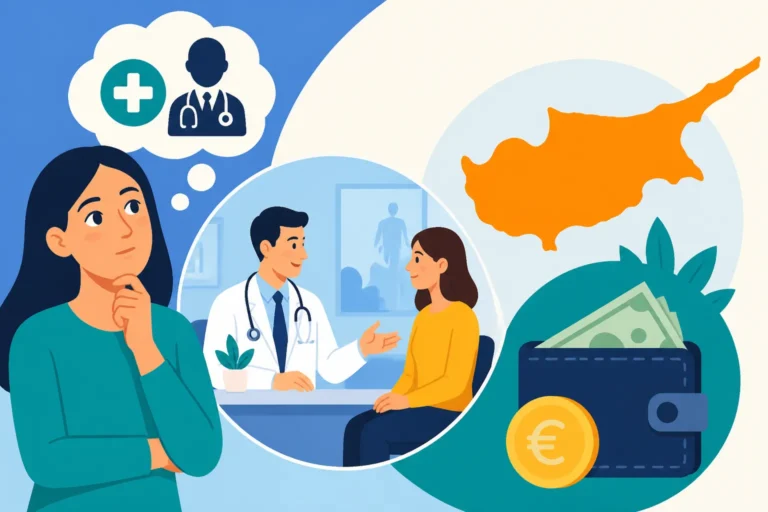
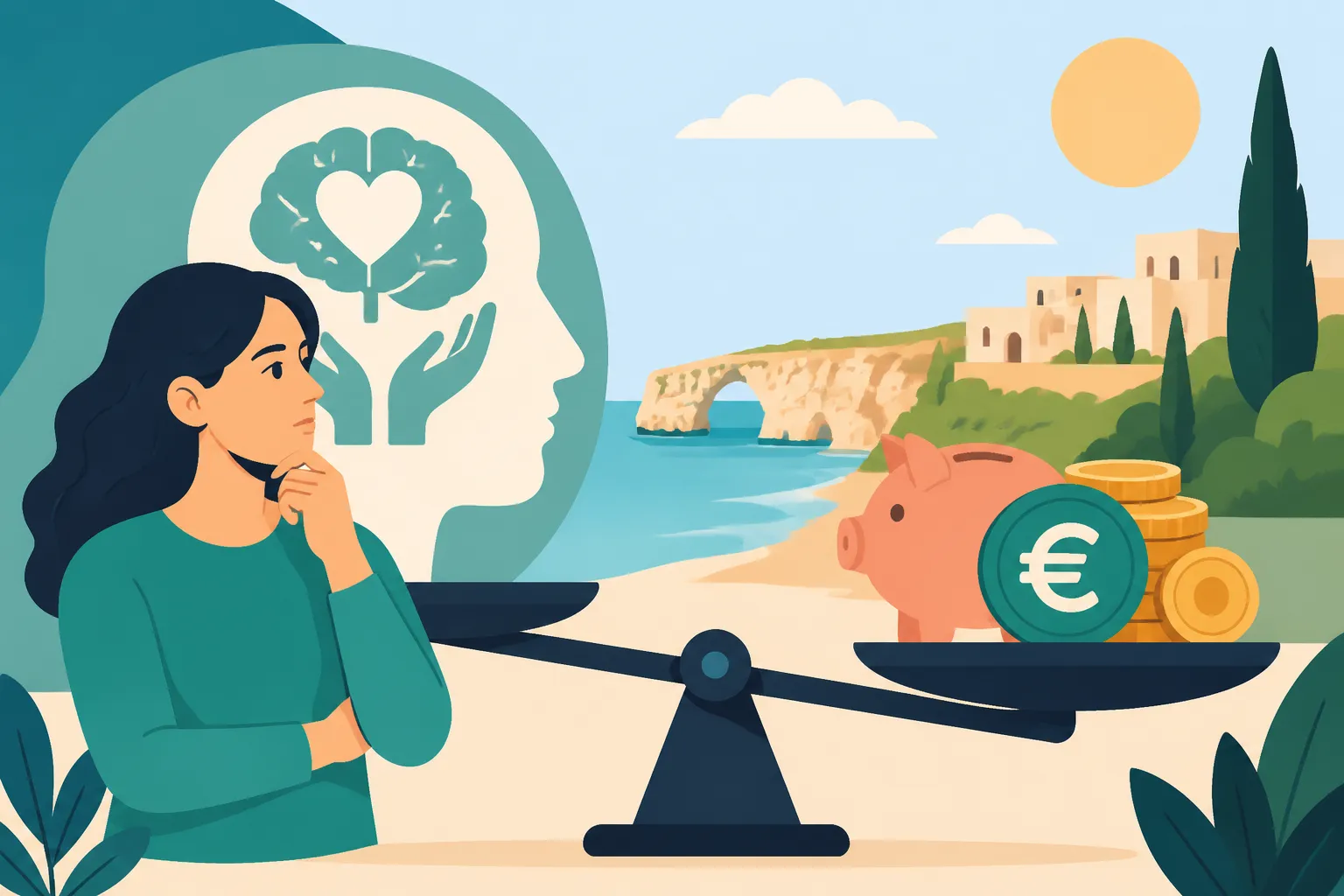
Moving to a new country like Cyprus is an adventure, but let's be real: it also brings a unique cocktail of stress, loneliness, and often, a hefty dose of administrative headaches. These challenges can take a serious toll on our mental well-being, and finding affordable, accessible mental healthcare can feel like navigating a maze blindfolded. This comprehensive guide is here to shed light on the costs, options, and practicalities of accessing mental health services in Cyprus, helping you understand what to expect and how to get the support you need without breaking the bank.
Understanding the Cypriot Mental Healthcare Landscape
Navigating the healthcare system in a new country is often one of the biggest hurdles expats face, and mental healthcare is no exception. Cyprus, like many European nations, has a dual system for healthcare, comprising both the public General Healthcare System (GeSY) and a robust private sector. Understanding how these two interact, especially concerning mental health services, is crucial for managing both your well-being and your budget. It's not always straightforward, and many new arrivals find themselves scratching their heads, wondering where to even begin.
GeSY and Mental Health Coverage: What's Included?
The General Healthcare System, or GeSY, is designed to provide comprehensive healthcare services to all eligible residents in Cyprus. If you’re contributing to social insurance, you're generally eligible, which is a massive relief for many. However, the scope and accessibility of mental health services under GeSY can sometimes feel a bit limited, particularly when compared to other types of medical care. It's a system still maturing, and while it covers essential services, the wait times and availability of certain specialists can be a point of frustration for expats accustomed to faster access.
When it comes to mental health, GeSY primarily covers consultations with psychiatrists and, to a lesser extent, psychologists who are registered within the system. This means that if you're referred to a psychiatrist by your Personal Doctor (GP) under GeSY, the cost of the consultation will typically be minimal – usually just a small co-payment. Your GP plays a vital gatekeeper role here; they are your first port of call, and they'll assess your needs before referring you to a specialist. This initial step, understanding How to Choose a Personal Doctor (GP) Under GeSY in Cyprus, is often overlooked but critical for accessing any GeSY specialist care. Psychologists under GeSY are often affiliated with public hospitals or mental health centres, and access usually requires a referral from a GeSY psychiatrist, rather than directly from a GP. This multi-step process can sometimes feel elongated when you're in urgent need of support, and it’s a reality many expats grapple with.
Private Mental Healthcare: The Wider Options
For many expats, especially those seeking more immediate access, a wider range of options, or specific types of therapy, the private mental healthcare sector becomes the go-to. The private system in Cyprus is quite developed, particularly in major cities like Limassol, Nicosia, and Paphos, and it often provides a more flexible and responsive service. This is where you'll find a greater abundance of English-speaking professionals, which can be a huge comfort when you're discussing sensitive topics in a non-native language setting.
Private mental healthcare encompasses a broad spectrum of services, including private psychiatrists, clinical psychologists, psychotherapists, counsellors, and specialized clinics. These professionals often have their own private practices, offering more direct access without the need for a GP referral. The downside, of course, is the cost. Without GeSY coverage, you're paying out-of-pocket, which can quickly add up. However, the benefit is often shorter waiting times, a greater choice of practitioners, and sometimes, a wider array of therapeutic approaches that might not be readily available within the public system. For those who prioritize speed and choice, the private route often presents itself as the most practical, if not always the most affordable, solution. Understanding Public vs Private Healthcare in Cyprus: Which Should Expats Choose? offers a broader perspective on this dual system.
Cost Breakdown: GeSY, Private, and Insurance Options
Let's get down to the brass tacks: what's this all going to cost you? The affordability of mental healthcare in Cyprus hinges heavily on whether you’re using GeSY, paying privately, or relying on health insurance. It's a mixed bag, and understanding the nuances can help you budget and make informed decisions about your well-being. The financial aspect is often a major source of anxiety in itself when seeking mental health support, so getting clear on these costs is essential.
GeSY Co-payments and What to Expect
If you're eligible for GeSY, the costs associated with mental health services are considerably lower than private rates. For a consultation with a GeSY-registered psychiatrist, you'll typically pay a small co-payment fee. As of early 2024, this fee is usually €6 for a specialist visit. This is incredibly affordable, especially when compared to the hundreds of euros a private session might cost. However, it's vital to remember that getting to that psychiatrist requires an initial visit to your GeSY Personal Doctor (GP), which also incurs a small co-payment, typically €1. These small fees are what make GeSY a lifeline for many, but the journey to specialist care can involve multiple steps and some patience.
The challenge with GeSY, as many expats discover, often isn't the monetary cost, but the availability and wait times. While the co-payment is low, securing an appointment with a GeSY psychiatrist or psychologist in a public hospital can sometimes mean waiting weeks, or even months, for an initial consultation, particularly in less urgent cases. For ongoing therapy, the options through GeSY are more limited; you're more likely to receive psychiatric evaluations and medication management than long-term talk therapy. It’s also important to be aware of Understanding GeSY Co-Payments and Out-of-Pocket Fees in Cyprus to avoid any surprises. This doesn’t mean GeSY is inadequate; it means understanding its structure and where its strengths lie is key.
Private Practice Fees
When you venture into the private sector, the costs increase significantly, but so does your flexibility. Private mental health professionals set their own fees, which can vary based on their qualifications, experience, location, and the type of service they offer. Generally, you can expect the following ranges:
- Psychiatrists: An initial consultation with a private psychiatrist typically ranges from €80 to €150. Follow-up sessions, which often involve medication review and brief discussion, might be slightly less, perhaps €60 to €100.
- Psychologists/Psychotherapists/Counsellors: Therapy sessions, whether for individual, couples, or family therapy, usually cost between €60 and €100 per 50-60 minute session. Some highly experienced or specialized therapists, especially in major cities, might charge more.
- Specialized Clinics: Some private mental health clinics offer more comprehensive packages, including psychological testing, group therapy, or intensive programs, and these costs can vary widely.
It's common for therapists to offer a slightly reduced rate for initial consultations or for those committing to a block of sessions. Always inquire about fees upfront when making an appointment. Many expats find these costs to be a significant barrier, especially if ongoing weekly or bi-weekly sessions are recommended. For a broader financial context, consult The Cost of Healthcare in Cyprus: A Complete Breakdown for Foreigners (2026).
The Role of Health Insurance
This is where private health insurance can become your best friend, or at least a very good acquaintance. If you have private health insurance, whether it’s a local Cypriot plan or an international one, it might cover some or all of your private mental health expenses. The key is to check the specifics of your policy very carefully. Many policies have different levels of coverage for mental health – some might cover psychiatric consultations but not psychotherapy, or they might have limits on the number of sessions or a maximum annual payout.
Some employers in Cyprus provide private health insurance as part of their benefits package, which can be a huge boon. If this is your situation, ensure you understand the mental health provisions. For those who need to purchase their own insurance, there are many options available. Local insurers like Eurolife or Universal Life offer plans, but international providers are also popular among expats due to their portability and broader networks. Companies like SafetyWing, for instance, offer travel medical insurance and comprehensive health plans that can include mental health benefits, especially useful for digital nomads or those in their initial phase of settling in before full GeSY eligibility. While it's crucial to verify coverage details directly with any provider, having a robust international health insurance plan could potentially make private mental health services much more accessible. Keep in mind that understanding Health Insurance in Cyprus: GeSY, Private and Employer Options Explained is fundamental to making the right choice.
Here's a quick comparison of potential costs:
| Service Type (approx. 50-60 min session) | GeSY Co-payment (with referral) | Private Sector (typical range) | Private Insurance (depending on policy) |
|---|---|---|---|
| GP Visit (initial point of contact) | €1 | €40 – €70 | May be covered/reimbursed |
| Psychiatrist Consultation | €6 | €80 – €150 (initial); €60 – €100 (follow-up) | May be covered fully or partially |
| Psychologist/Therapist Session | Limited (usually via psychiatrist referral to public facilities) | €60 – €100 | Often limited or not covered, check policy carefully |
| Emergency Psychiatric Care | Minimal (public hospital emergency) | Can be very high without insurance | Covered by most comprehensive plans |
Finding Affordable Support and Resources
Beyond the direct costs of consultations, there are various avenues for finding more affordable or even free mental health support in Cyprus. You don't always have to go straight for a private, paid therapy session, especially if your budget is tight. As an expat, building a support network and knowing where to turn for help is vital, and thankfully, Cyprus offers a growing range of options.
Community Support and NGOs
Cyprus has several Non-Governmental Organizations (NGOs) and community groups that offer valuable mental health support, often at a reduced cost or even free. These organizations are typically driven by a passion to help and can be a fantastic resource, especially for those who might feel isolated or overwhelmed. Search for local mental health associations in your city (Limassol, Nicosia, Paphos). They often run support groups, workshops, or provide initial counselling services. These groups can offer a sense of community and shared experience, which is incredibly therapeutic in itself.
For example, organizations like the Cyprus Association of Psychotherapists or the Cyprus Psychological Association might have directories of professionals who offer pro bono or sliding scale fees. While not always direct therapy, these avenues can be a crucial first step towards feeling less alone and finding direction. Sometimes, just having a chat with someone who understands the expat struggle can make a world of difference.
University Clinics and Training Centres
A lesser-known but potentially very affordable option for mental healthcare in Cyprus are university psychology clinics. Universities with psychology departments, such as the University of Cyprus or European University Cyprus, often operate clinics where graduate students, under the close supervision of licensed senior faculty members, provide counselling and psychotherapy services. Because these are training environments, the fees are significantly lower than those charged by fully licensed private practitioners.
This can be an excellent way to access high-quality, evidence-based therapy at a fraction of the cost. The therapists-in-training are enthusiastic, up-to-date on the latest research, and receive rigorous supervision, ensuring ethical and effective care. It's a win-win: students gain invaluable experience, and clients receive affordable support. It might take a bit of searching on the university websites, but it’s definitely worth exploring if cost is a primary concern.
Online Therapy and Digital Nomad Considerations
The rise of online therapy has been a game-changer for many, and expats in Cyprus are no exception. Platforms offering virtual counselling and psychotherapy allow you to connect with therapists from around the world, often at competitive rates. This can be particularly appealing if you're struggling to find an English-speaking therapist in your immediate area or prefer the comfort of speaking with someone from your home country or cultural background.
Many online therapy platforms offer a subscription model or per-session fees that can sometimes be more affordable than in-person private sessions in Cyprus. This is especially relevant for individuals on a The Expat Guide to the Cyprus Digital Nomad Visa (2027), as their health insurance, such as SafetyWing's Nomad Insurance, might even cover some aspects of telehealth. However, it's crucial to verify the therapist's licensing and credentials, especially if they are not based in Cyprus, and to ensure their services comply with local regulations. Always double-check if your health insurance, whether a local plan or an international one like those from SafetyWing, offers any reimbursement for online mental health services. While convenient, ensuring privacy and a reliable internet connection for sessions is also important.
Navigating Language Barriers and Cultural Nuances
Beyond the financial aspect, one of the most profound challenges for expats seeking mental healthcare in Cyprus is navigating the language barrier and understanding cultural nuances surrounding mental health. It's tough enough to articulate complex emotions in your native tongue, let alone in a foreign one. This difficulty can exacerbate feelings of isolation and make the search for effective support even more daunting.
Finding English-Speaking Professionals
The good news is that English is widely spoken in Cyprus, especially among professionals, including those in the medical and mental health fields. In major expat hubs like Limassol, Nicosia, and Paphos, you'll find a significant number of English-speaking psychologists, psychiatrists, and counsellors. Many Cypriot professionals have trained abroad in the UK, USA, or other English-speaking countries, and return with a global perspective and excellent English proficiency.
However, finding the right English-speaking professional can still require some diligent searching. Online directories, expat forums, and recommendations from other expats are invaluable resources. Websites like the Cyprus Psychological Association or the Cyprus Association of Psychotherapists often provide lists of registered professionals, and you can usually filter by language or specialty. Don't be shy about asking during your initial contact if the therapist is comfortable conducting sessions entirely in English and has experience working with expats. It's about finding a connection, and clear communication is paramount. Remember that knowing How to Find an English-Speaking Doctor in Cyprus is a great first step, as many GPs can also provide referrals to English-speaking mental health specialists.
Cultural Attitudes Towards Mental Health
It's also important to be aware of the cultural attitudes towards mental health in Cyprus, which, like many Mediterranean cultures, can lean towards a more conservative or family-oriented approach. While progress is being made, there can still be a stigma associated with mental health issues, and some people may prefer to keep their struggles private within the family rather than seeking external professional help. This isn't unique to Cyprus, but it’s a reality that expats might encounter.
This cultural backdrop can sometimes mean that public awareness campaigns or direct conversations about mental health might not be as prevalent as in some Western countries. As an expat, you might find that friends or colleagues from certain backgrounds may not immediately understand the concept or value of therapy. It's crucial not to let this deter you from seeking the help you need. Your mental well-being is paramount, and there are plenty of open-minded, professional, and empathetic practitioners in Cyprus who understand the unique stresses of expat life and the importance of addressing mental health proactively. Navigating the Cypriot Healthcare System: An Expat's Roadmap (2027) covers some of these broader cultural adjustments in healthcare.
Overcoming the Initial Hurdles
The initial phase of reaching out can be the hardest, especially when you're feeling vulnerable. Many expats report feeling overwhelmed by the sheer act of finding a doctor, let alone a mental health professional, in a foreign country. Don't underestimate the emotional and practical energy this takes. Start by talking to your GP, if you have one, or reach out to expat support groups online. They can often provide personal recommendations and share their experiences, helping to demystify the process.
It might take a few tries to find a therapist who is the right fit, and that's perfectly normal. Don't give up if the first person you speak to isn't what you're looking for. The investment in your mental health is one of the most important you can make while living abroad. Whether you choose the affordable route through GeSY, opt for private care, or use your insurance, the support is there for you in Cyprus.
Disclaimer
The information provided in this guide is for general informational purposes only and does not constitute medical or legal advice. Healthcare costs, regulations, and availability of services can change rapidly. Always consult with a qualified healthcare professional, insurance provider, or legal expert for advice tailored to your specific situation. While efforts have been made to ensure accuracy, this content should not be used as a substitute for professional guidance.