How Do I Register with the Tax Department in Cyprus?
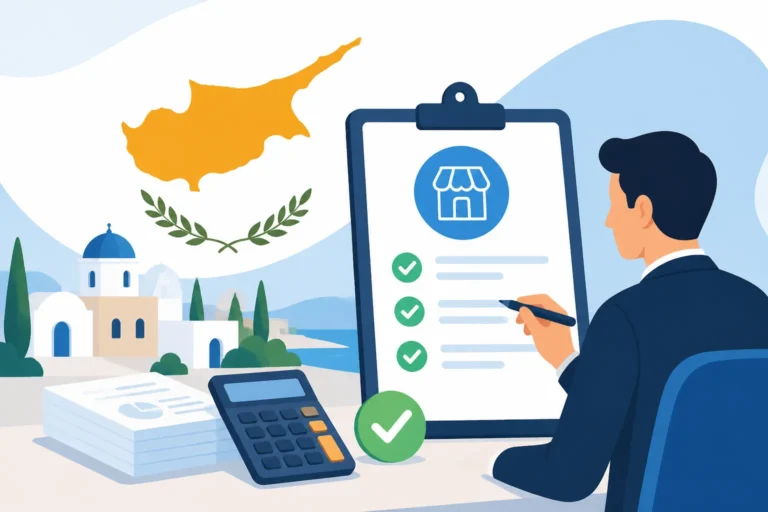
Moving to Cyprus can feel like navigating a beautiful, sun-drenched maze, especially when it comes to the administrative bits. One of the most common head-scratchers for new arrivals is figuring out the tax system and, crucially, how to get yourself properly registered with the Tax Department. This isn't just a bureaucratic hurdle; it’s a fundamental step that impacts everything from paying your income tax to accessing certain services. This guide will walk you through exactly how to register with the Tax Department in Cyprus, helping you avoid common pitfalls and get set up correctly.
Why Registering with the Tax Department is Non-Negotiable
You might be thinking, "Do I really need to bother with this right away?" And the answer, my friend, is a resounding yes. Many expats arrive here, especially from countries with simpler tax regimes, and assume that because they're foreign, the local tax authorities might not be too concerned. This couldn't be further from the truth. Cyprus, like any other country, expects its residents to comply with its tax laws.
First off, registering with the Tax Department and obtaining a Tax Identification Number (TIN) is the gateway to nearly every other financial and administrative process you’ll encounter on the island. Without a TIN, you’ll find yourself hitting brick walls when trying to open a bank account, register for the General Healthcare System (GeSY), purchase property, or even start a business. It’s the unique identifier that links you to the Cypriot tax system, ensuring that your financial activities are properly recorded and accounted for. This isn't about the Tax Department being overly nosy; it's about establishing your financial footprint here, which is essential for both you and the state. Imagine trying to get your salary paid without a local tax number – many employers won't even process your paperwork without it. This initial step sets the foundation for your financial life as an expat in Cyprus.
Avoiding Future Headaches and Penalties
Believe me, you do not want to fall afoul of the tax authorities here. While the Cypriot tax system is often lauded for its attractive rates and benefits, especially for non-domiciled individuals, proper registration is paramount. Failing to register or providing incorrect information can lead to penalties, fines, and a whole lot of stress that you definitely don't need in your new island life.
For example, if you start working or conducting business in Cyprus and don't register, you'll be earning income that the state expects to be declared. If this is discovered later, you could face backdated taxes, interest charges, and administrative fines. It's a bureaucratic nightmare that's easily avoidable with a bit of proactive effort. Think of it as investing a bit of time now to save yourself significant trouble and expense down the line. It's also worth remembering that the Tax Department isn't an isolated entity; it shares information with other government departments. So, if you've registered for social insurance or opened a bank account, it's only a matter of time before discrepancies might be flagged if your tax registration isn't in order. Getting ahead of the curve is always the best strategy.
Understanding Who Needs to Register and for What
This is where it gets a little nuanced, as not everyone needs to register for the exact same reasons, and your residency status plays a huge role. Generally, if you are earning income in Cyprus, living here for an extended period, or conducting business, you will absolutely need to register.
The Cornerstone of Tax Residency: The 183-Day and 60-Day Rules
Cyprus operates on tax residency rules that are crucial for expats to understand. The primary rule, globally common, is the "183-day rule." If you spend more than 183 days in Cyprus within a single tax year (which aligns with the calendar year, January 1st to December 31st), you are considered a tax resident of Cyprus. This means your worldwide income might become subject to Cypriot taxation, though there are many nuances and double taxation treaties to consider.
However, Cyprus also has a unique "60-day rule," which can make you a tax resident even if you spend less than half the year here. This rule applies if you meet all of the following criteria in the tax year:
- You reside in Cyprus for at least 60 days.
- You conduct any business in Cyprus and/or are employed in Cyprus and/or hold an office with a person who is tax resident in Cyprus at any time during the tax year.
- You do not reside in any other single state for a period exceeding 183 days in the same tax year.
- You are not a tax resident of any other state for the same tax year.
This 60-day rule is particularly important for those who might split their time between Cyprus and other countries. For a deeper dive into these rules, you might want to read our article on Tax Residency in Cyprus: The 183-Day and 60-Day Rules Explained (2027).
Different Reasons for Registration
Your reason for being in Cyprus often dictates the type of tax registration you'll need:
- Employees: If you’ve landed a job here, your employer will typically require your TIN to process your payroll and make the necessary Social Insurance and GeSY contributions on your behalf. Even if they handle most of the paperwork, getting your TIN is your responsibility.
- Self-Employed Individuals/Freelancers: This group has a bit more to do. Beyond simply getting a TIN, you'll need to register as self-employed with the Tax Department and potentially for VAT, depending on your income thresholds. This is a critical step to ensure your business operations are legitimate. Our guide on How to Pay Tax as a Self-Employed Person in Cyprus provides more specific advice.
- Property Owners/Rental Income Earners: Even if you're not formally employed but own property that generates rental income, you’ll need a TIN to declare that income.
- Pensioners/Those with Foreign Income: While Cyprus has attractive tax provisions for foreign pensions, you still need to register to declare this income. Understanding How Cyprus Taxes Foreign Pensions in Cyprus is vital here.
- Individuals Needing GeSY: To register for the General Healthcare System, you need a TIN. This is a common point of confusion for many, but the systems are linked. Check out Understanding GeSY Contributions and How It's Calculated in Cyprus for more on that.
In short, if you're establishing any kind of financial or residential tie to Cyprus that involves income or assets, registering with the Tax Department is a foundational step.
Step-by-Step Guide to Registering and Getting Your TIN
Alright, let's get down to brass tacks. The process, while bureaucratic, is manageable if you know the steps and have your documents in order. In Cyprus, your Tax Identification Number (TIN) is typically the same as your Social Insurance Number (SIN), particularly for individuals. This simplifies things a bit, as you're essentially getting one number for two vital systems.
1. Gather Your Documents
Preparation is key to avoiding multiple trips and frustration. Here’s what you’ll generally need:
- Application Form TD2001 (for individuals): This is the primary registration form for individuals. You can usually find it on the Tax Department's website (often called TaxisNet) or collect it from a local District Tax Office.
- Proof of Identity: Your passport is the most commonly accepted form of ID.
- Proof of Address: This could be a rental agreement, utility bill (electricity, water, or internet) in your name, or a bank statement showing your Cypriot address. Make sure it's recent.
- Residence Permit/Visa: Your Pink Slip (temporary residence permit), Yellow Slip (for EU citizens), or other relevant visa/residence document. This proves your legal right to reside in Cyprus. Our guide on Understanding Residence Permits and the Pink Slip in Cyprus (2027) has more details on these documents.
- Marriage Certificate (if applicable): If you're applying with a spouse or adding dependents.
- Birth Certificates (for dependents, if applicable): If you’re registering children.
- Employer Letter (if employed): A letter from your employer stating your employment, start date, and salary can sometimes be helpful, though not always explicitly required for the initial TIN registration.
It's always a good idea to bring both originals and photocopies of everything. Sometimes they just want to sight the original and keep a copy; other times, they'll make copies for you, but it's best to be prepared.
2. Submitting Your Application
Historically, you had to visit a District Tax Office in person. While that option still exists and is often preferred by those who like to have direct interaction, the Cypriot government has been pushing for more digital services.
-
In-Person at a District Tax Office:
This is often the most straightforward route, especially if you have questions or need clarification. Head to the Tax Department office in your district (e.g., Nicosia, Limassol, Larnaca, Paphos, or Famagusta). Be prepared for potential waiting times, especially during peak hours or towards tax deadlines. When you get there, you'll submit your completed TD2001 form and all supporting documents. The officers are generally helpful, but having all your paperwork neatly organised will speed things up considerably. They will review your application and, if everything is in order, issue your TIN on the spot or inform you when and how it will be provided. -
Online through TaxisNet (for certain cases):
The Tax Department's online portal, TaxisNet, is becoming increasingly central to all tax-related matters in Cyprus. While primarily used for filing returns and making payments, there are provisions for online registration. However, for initial registration and getting your TIN as a new expat, visiting in person is often still the most reliable and direct method, especially if you don't yet have any existing government portal access. Once you have your TIN, you will use TaxisNet for pretty much everything else. For a more detailed guide, see How to Get a Tax Identification Number as a Foreigner in Cyprus.
Here's a quick summary table of the typical documents:
| Document Type | Description | Purpose |
|---|---|---|
| Application Form TD2001 | Official form for individual registration. | Initiates your tax record. |
| Passport | Valid national passport. | Proof of identity. |
| Residence Permit/Visa | Pink Slip, Yellow Slip, or relevant visa. | Proof of legal residency status. |
| Proof of Address | Recent utility bill (EAC, Water, Internet) or rental agreement. | Confirms your physical address in Cyprus. |
| Employer Letter | Official letter from your employer (optional but recommended). | Supports proof of employment status. |
| Marriage/Birth Certificates | For spouse/dependents (if registering family members under your tax ID). | Proof of familial relationships. |
3. What to Expect After Submission
Once your application is submitted and approved, you will be issued your Tax Identification Number (TIN). This number is unique to you and will be used for all your interactions with the Cypriot Tax Department.
If you applied in person, you might receive it immediately on a printout. If there's any delay or it needs to be sent by post, make sure you understand when and how you'll receive it. Don't leave the office without knowing these details.
Once you have your TIN, the next crucial step is to register for TaxisNet, the online platform. This usually involves creating an account using your TIN, allowing you to access your tax records, file returns, and manage your tax affairs digitally. This is where most of your ongoing tax obligations will be handled, and it’s a system you’ll quickly become familiar with.
After Registration: Your Ongoing Tax Obligations
Getting your TIN is just the first step. Becoming a tax-registered individual in Cyprus means you now have ongoing responsibilities. Don't worry; it's not as daunting as it sounds, especially with the right guidance.
Understanding Income Tax and Filings
As a tax resident, you'll be subject to income tax on your worldwide income (unless you qualify for specific exemptions, like the non-dom status). The tax system here is progressive, with different tax bands. You can find more comprehensive information in our guide, Understanding Income Tax and Tax Bands in Cyprus (2026).
You will typically need to file an annual income tax return. This is where TaxisNet becomes your best friend. The filing deadline is usually July 31st of the year following the tax year (e.g., for 2023 income, you'd file by July 31st, 2024). Even if you are employed and your tax is deducted at source (PAYE system), you might still need to file an annual return to declare any other income or claim allowances. For a complete walkthrough of this process, check out Filing Your Tax Return in Cyprus: The Complete Walkthrough (2027).
Special Considerations for Expats
Cyprus offers some very attractive tax benefits for expats, particularly the "Non-Domiciled" (Non-Dom) status. If you qualify, this can exempt you from Special Defence Contribution (SDC) on dividends, interest, and rental income, making Cyprus a very appealing place financially. Understanding these benefits is key to optimising your tax position. You can explore this further in How the Cyprus Tax System Works: Low Taxes and the Non-Dom Regime Explained (2027).
Many expats find that navigating these specifics can be complex. This is where professional help often comes in handy. Firms specialising in Taxes for Expats in Cyprus can offer invaluable advice on your specific situation, helping you understand non-dom status, foreign income declarations, and ensuring you're fully compliant while taking advantage of all available benefits. While I don't provide direct recommendations, seeking out such experts is a common and wise move for newcomers.
Managing Your Finances Cross-Border
A common challenge for expats is managing money across different countries, especially before you're fully settled with local bank accounts. While the Cypriot banking system has its quirks, getting your finances in order is a top priority. Our guide The Expat Guide to Opening a Bank Account in Cyprus is a good starting point.
When it comes to transferring funds internationally, especially if you're receiving income from abroad or need to move savings, services like Wise (formerly TransferWise) are incredibly popular among expats. They often offer more competitive exchange rates and lower fees compared to traditional banks. This can be a huge help as you're settling in and figuring out your local financial landscape. Remember, while setting up your local banking and money transfer systems, your TIN will often be requested for compliance purposes.
For the Self-Employed
If you’re setting up your own venture, the registration process with the Tax Department extends beyond just getting a TIN. You’ll need to officially register as self-employed. This involves additional forms and potentially registering for VAT if your annual turnover exceeds the threshold (€20,000 as of early 2024, but always check the latest figures). You'll also be responsible for calculating and paying your own social insurance contributions. It's a slightly more involved process, but perfectly doable. Our article How to Register as Self-Employed with the Tax Department in Cyprus dives deeper into these specifics.
No matter your income source, staying on top of your tax obligations is a continuous process. Keep good records of all your income and expenses, and don't hesitate to seek professional advice if you're unsure about any aspect of the Cypriot tax system. It might seem like a lot to take in at first, but once you've cleared the initial hurdle of registration, the rest becomes much more manageable.
Disclaimer
The information provided in this guide is intended for general informational purposes only and does not constitute legal, financial, or tax advice. While we strive to keep the information up-to-date and accurate, laws and regulations in Cyprus can change. It is highly recommended that you consult with a qualified Cypriot tax advisor or legal professional for advice tailored to your specific situation before making any decisions. We are not liable for any actions taken or not taken based on the information provided herein.