How to Pay Tax as a Self-Employed Person in Cyprus
Ah, the joys of being self-employed in a new country! Believe me, I've been there, staring at official forms written in a language that might as well be hieroglyphics, wondering if I'm even on the right path. Navigating the tax system as a self-employed expat in Cyprus can feel like trying to solve a Rubik's cube blindfolded. But don't despair! This guide is here to untangle the complexities and walk you through how to properly pay your taxes, ensuring you stay on the right side of the Cypriot tax authorities while keeping your entrepreneurial dreams alive.
Getting Started: Your First Steps as a Self-Employed Expat
Becoming self-employed in Cyprus isn't just about hanging up your virtual shingle; it's about making sure the state knows who you are and what you're doing. This initial registration is absolutely crucial and, frankly, can be a bit of a headache if you're not prepared. Many expats get caught out thinking their home country's rules apply, but Cyprus has its own distinct way of doing things.
Registering with the Tax Department and Social Insurance
Your very first port of call, after perhaps a strong coffee, should be the Cyprus Tax Department. You need to obtain a Tax Identification Code (TIC), sometimes referred to as a TIN (Tax Identification Number). This isn't just a formality; it's your key to interacting with the tax system here. Without it, you can't really do anything official. You'll typically need to submit a form (TD2001 for individuals) along with proof of identity and residency. Don't underestimate the time it takes, as government offices operate at their own pace, and ensuring all your documents are perfectly in order is paramount. It’s worth checking out our guide on How to Register with the Tax Department and Get a TIN in Cyprus for a more detailed walkthrough.
Simultaneously, you must register with the Social Insurance Services. As a self-employed individual, you're not only contributing to the national coffers for tax but also for your future social benefits like sickness, maternity, and crucially, your pension. This is a separate registration process, often requiring similar documents, but it ensures you're covered. The contributions are mandatory and are calculated based on your declared income, subject to minimum and maximum insurable earnings. This step can feel overwhelming, but it’s foundational to your legal operation here.
Choosing Your Business Structure
While "self-employed" often implies a sole proprietorship, it's worth taking a moment to consider if this is truly the best structure for you in Cyprus. For most freelancers, consultants, or small business owners, operating as a sole trader is the simplest and most common route. You and your business are legally one and the same, meaning your personal assets are not separated from your business liabilities. This simplicity comes with a personal risk, which is something to ponder carefully depending on the nature of your work.
Alternatively, you could consider forming a limited company (LTD). This creates a separate legal entity, offering protection for your personal assets should the business run into financial difficulties. While setting up an LTD involves more administrative burden and costs initially, and ongoing compliance requirements, it can offer significant tax advantages, particularly if your income is substantial or if you plan to hire employees. The corporate tax rate in Cyprus is a very attractive 12.5%, which is often lower than individual income tax bands for higher earners. Weighing these options early on can save you headaches and potentially money down the line.
Understanding Cypriot Income Tax and Social Insurance
Once you're registered, the real fun begins: understanding how your hard-earned cash is taxed. The Cypriot tax system has some nuances that might differ significantly from what you're used to, especially concerning how self-employed income is treated. It’s not just about a flat percentage; there are bands, exemptions, and various contributions that all add up.
Income Tax Bands for Self-Employed Individuals
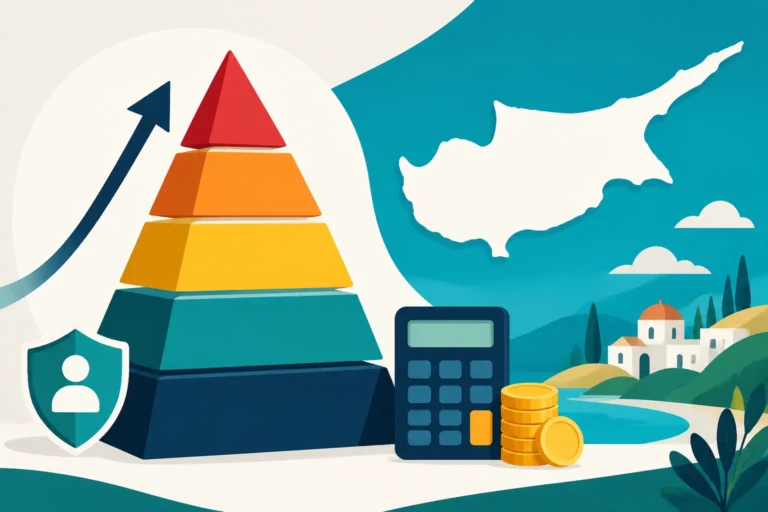
Cyprus operates a progressive income tax system for individuals, meaning the more you earn, the higher percentage you pay in tax. However, it’s worth noting that the first €19,500 of your annual taxable income is completely tax-free – a real bonus for many expats, especially those just starting out or working part-time. Beyond that, the rates kick in, ranging from 20% to 35%. This is a crucial area to understand, as it directly impacts your take-home pay.
For example, if you earn €30,000 in a year, you'd only pay tax on €10,500 of that (€30,000 – €19,500). The first portion of that €10,500 would be taxed at 20%, and so on. Keeping track of your estimated annual income is vital to avoid nasty surprises. You'll generally be required to pay provisional tax in two installments during the year, based on your estimated profits. If your actual income is significantly different, you might face penalties or receive a refund. You can dive deeper into these specifics by reading Understanding Income Tax and Tax Bands in Cyprus (2026).
Social Insurance Contributions
Beyond income tax, self-employed individuals are mandated to pay Social Insurance Contributions. These contributions are a fundamental part of the Cypriot social safety net, funding things like unemployment benefits (though criteria for self-employed claims can be tricky), sick leave, maternity leave, and state pensions. The rates are set by the Social Insurance Services and are applied to your 'insurable earnings', which are usually your declared profits from self-employment, up to a certain maximum.
The contributions are typically paid quarterly. It's not just a percentage of your profit; there are minimum amounts set, meaning even if your profit is low in a given quarter, you'll still have to pay a base contribution. This is where many new expats get tripped up – failing to budget for these payments. Missing these payments can lead to penalties and can also impact your eligibility for future benefits, so it's really important to stay on top of them. Our article on Understanding Social Insurance Contributions and Pensions in Cyprus provides a detailed look at this often-confusing area.
VAT: When Does It Apply to the Self-Employed?
Value Added Tax (VAT) is another layer of taxation you might encounter, depending on the nature and scale of your self-employed activities. It's not always applicable, which is often a pleasant surprise for many, but for those it does affect, it adds another administrative dimension to managing your business finances.
VAT Registration Thresholds
The good news for many small-scale self-employed individuals is that you only need to register for VAT if your taxable supplies (sales) exceed a certain threshold within a 12-month period. This threshold is €20,000. If your annual turnover is below this, you are generally not required to register for VAT, which simplifies things considerably. This means you don't charge VAT on your invoices, and you can't claim back VAT on your business expenses.
However, if your services are primarily to businesses outside Cyprus, particularly within the EU, the rules can get a bit more complex, even if you're below the threshold. There are specific intra-Community supply rules that might require you to register for VAT even if you don't hit the domestic threshold, mainly for reporting purposes. It's always best to keep a close eye on your turnover and consider professional advice if you're close to the threshold or dealing with international clients. For more detailed information on this, check out our guide on How to Register for VAT as a Business in Cyprus.
Charging and Remitting VAT
If you do cross the threshold or choose to register voluntarily (which some businesses do to reclaim VAT on significant initial investments), you will need to start charging VAT on your services or goods. The standard VAT rate in Cyprus is 19%, but there are reduced rates for certain goods and services. You’ll then issue VAT-inclusive invoices to your customers and collect this tax.
The VAT you collect must then be remitted to the Tax Department. This typically happens on a quarterly basis, by the 10th day of the second month following the end of the VAT period. You'll submit a VAT return (Form VAT 4) that details all your sales (output VAT) and all the VAT you've paid on your business expenses (input VAT). The difference is what you either pay to the Tax Department or, if you've paid more VAT than you've collected, what you claim back. This entire process requires meticulous record-keeping, as errors can lead to penalties.
Filing Your Tax Return and Important Deadlines
The annual tax return is the culmination of all your financial activities as a self-employed individual. It’s when you declare your total income, expenses, and calculate your final tax liability. Missing deadlines or submitting incorrect information can result in penalties, so it’s an area where diligence truly pays off.
Required Documents and Information
When it comes time to file your tax return, preparation is key. You'll need a comprehensive overview of your financial year. This includes all your income statements, such as invoices issued to clients, bank statements showing incoming payments, and any other revenue streams. On the flip side, you’ll also need meticulous records of all your business expenses. Think receipts for office supplies, utility bills (if home office deductions apply), professional development costs, software subscriptions, travel expenses, and so on.
You'll also need records of any provisional tax payments you've already made throughout the year, as these will be deducted from your final tax bill. If you've paid Social Insurance Contributions, have those records handy too. Maintaining well-organised financial records, perhaps using an accounting software or a simple spreadsheet, throughout the year will make this annual task much less daunting. Many expats find keeping digital copies of everything makes life easier when the filing deadline looms.
How to File Online
Cyprus has made significant strides in digitalising its tax services, and thankfully, filing your annual income tax return can usually be done online through the Tax Department's TaxisNet portal. This system can be a bit clunky at first, and it requires you to have registered and obtained your TaxisNet credentials. Once logged in, you'll navigate to the income tax return for individuals (Form TD1).
The portal will guide you through various sections where you input your income, expenses, and other relevant financial details. It's usually pre-populated with some information, like any salaries from employment if you also had a PAYE job, but as a self-employed person, you'll be filling in the bulk of the details yourself. While the online system is convenient, some expats still prefer using a qualified accountant, especially if their affairs are complex or they find the English translation on the portal less than crystal clear. Firms like Taxes for Expats often specialise in helping foreigners navigate these intricacies, offering peace of mind. For a step-by-step guide, our article on Filing Your Annual Income Tax Return in Cyprus is invaluable.
Managing Your Finances and Payments
Keeping your financial house in order is not just about compliance; it's about good business practice. For self-employed expats, this often means managing income and expenses in multiple currencies, dealing with international clients, and ensuring you have enough set aside for your tax obligations.
Keeping Meticulous Records
I cannot stress this enough: keep everything. Every invoice, every receipt, every bank statement relating to your business. The Tax Department has the right to audit your records, and being able to produce clear, organised documentation can save you a world of trouble. This means differentiating between business and personal expenses from the get-go. Many self-employed individuals find it incredibly helpful to open a separate bank account specifically for their business activities. This creates a clear separation, making accounting and tax filing significantly easier.
Consider using cloud-based accounting software that allows you to easily categorize expenses, track income, and even generate basic financial reports. While not mandatory, it’s a wise investment in your business's future and your sanity. Even a simple spreadsheet, updated regularly, is far better than scrambling at tax time trying to piece together a year's worth of transactions. This diligent record-keeping is not just for the Cypriot authorities but also for your own business insights.
Making Provisional and Final Tax Payments
As a self-employed person, your tax liability isn't just paid once a year. Cyprus requires you to pay provisional tax based on your estimated profits for the current year. These payments are typically due in two installments: by July 31st and December 31st. The idea is to spread your tax burden throughout the year, rather than having one massive payment at the end. You submit an estimated income declaration (Form TD6) and then pay accordingly.
Once you file your annual income tax return after the year-end, any difference between the provisional tax you've paid and your actual tax liability is settled. If you've overpaid, you'll receive a refund; if you've underpaid, you'll need to pay the remaining balance by the filing deadline (usually July 31st of the following year). These payments can be made online through the JCC Smart portal, which links to your TaxisNet account. For those receiving income in foreign currencies, tools like Wise can be incredibly helpful for managing international transfers and ensuring you get competitive exchange rates when converting funds to EUR for tax payments, potentially saving you a pretty penny compared to traditional banks.
Common Pitfalls and Pro Tips for Self-Employed Expats
Even with the best intentions, navigating the self-employment tax landscape in Cyprus can present challenges. Being aware of common pitfalls can help you steer clear of unnecessary stress and penalties.
Avoiding Fines and Penalties
The Cypriot Tax Department is quite strict about deadlines. Late filing of tax returns, late payment of provisional tax, or late payment of final tax balances can all incur penalties and interest. These can quickly add up, turning a manageable tax bill into a much larger headache. It's not uncommon for expats to miss a deadline because they simply weren't aware of it or underestimated the time needed for bureaucracy.
A common mistake is underestimating your income for provisional tax purposes. If your actual taxable income turns out to be more than 25% higher than what you initially estimated for provisional tax, you could face a 10% penalty on the difference. It's always better to slightly over-estimate your income for provisional tax purposes, as you'll get any excess back, than to under-estimate and incur a penalty. Setting reminders for all key tax and Social Insurance deadlines is a simple yet incredibly effective strategy.
Seeking Professional Advice
While this guide aims to provide comprehensive information, every individual's financial situation is unique. The intricacies of international taxation, especially if you have income or assets in multiple countries, can be incredibly complex. For example, if you're a non-domiciled resident in Cyprus, there are specific exemptions for dividends and interest income that you'll want to take full advantage of, and understanding how these apply to your self-employment income is key. Many expats also need to understand How Your Residency Status Affects GeSY Access in Cyprus and how that impacts their contributions.
Engaging a local accountant or a tax advisor specialising in expat taxation can be one of the best investments you make. They can help you ensure full compliance, identify legitimate deductions, navigate double taxation treaties (if applicable), and optimise your tax position. They can also represent you in dealings with the Tax Department, saving you time and stress. Don't view it as an expense, but as an investment in peace of mind and financial security. Platforms and services that cater to global expats, such as Taxes for Expats, often have networks of local specialists who understand the unique challenges faced by self-employed individuals living abroad.
| Tax/Contribution Type | Who Pays | Basis of Calculation | Payment Frequency | Key Due Dates |
|---|---|---|---|---|
| Income Tax | Self-employed individuals | Progressive rates on taxable profit (after €19,500 tax-free) | Provisional (2 installments) & Final | Jul 31 (provisional & final), Dec 31 (provisional) |
| Social Insurance | Self-employed individuals | % of insurable earnings (declared profit, subject to min/max) | Quarterly | March 31, June 30, Sept 30, Dec 31 |
| GeSY Contributions | Self-employed individuals | % of gross income (subject to cap) | Monthly (via Social Insurance) | Paid with Social Insurance |
| VAT | VAT-registered businesses/self-employed | 19% on taxable supplies | Quarterly | 10th day of 2nd month following quarter |
Disclaimer
This article is for general informational purposes only and does not constitute professional advice. Laws, prices and regulations vary by location and change over time. Consult a qualified professional for guidance on your specific situation.