Do I Have to Pay Any Exit Tax When Leaving Cyprus?
Leaving Cyprus can feel like untangling a complex ball of yarn, especially when it comes to your financial affairs. Many expats worry about hidden fees or an unexpected "exit tax" when they finally decide to move on. It’s a valid concern, as some countries do have explicit taxes for those relinquishing residency or deemed disposal of assets upon emigration. This guide aims to demystify the situation in Cyprus, explaining exactly what you need to consider from a tax perspective before you pack your bags for good.
Understanding "Exit Tax" in the Cypriot Context
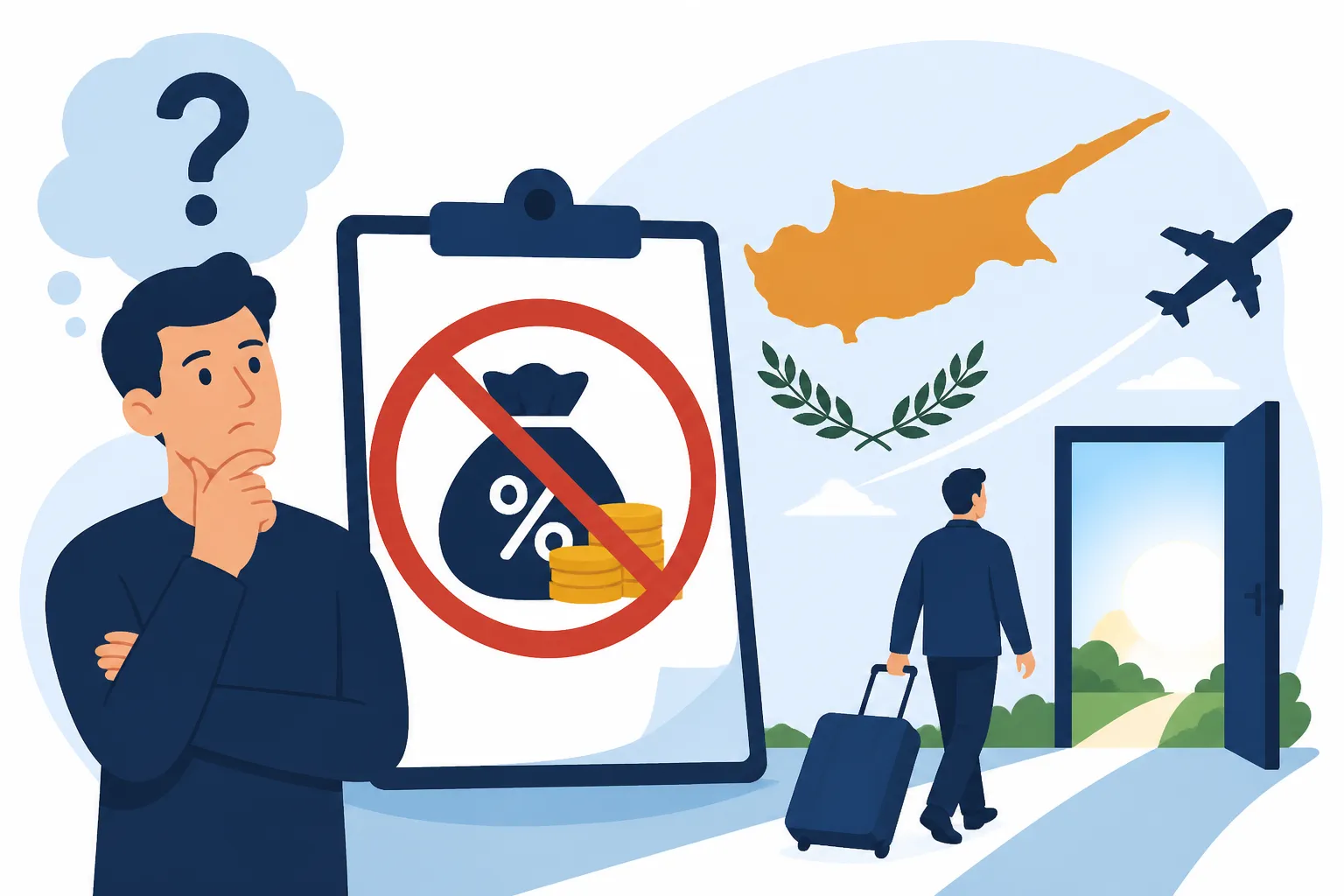
Let's cut right to the chase: Cyprus, as a general rule, does not have a direct "exit tax" in the same way some other jurisdictions might levy a tax specifically on individuals for merely departing the country or changing their tax residency. You won't find a line item at the airport or a special form just for "leaving tax."
However, this doesn't mean you can simply close your door and vanish without a trace from a financial standpoint. The concept of an "exit tax" often arises from the need to settle any outstanding tax obligations that accumulate while you were a tax resident. It's more about ensuring all your ducks are in a row with the Cypriot Tax Department before your official departure, rather than paying a penalty for leaving. Your tax residency status is absolutely key here. If you've been living here, working, or even just owning assets, you've likely established tax residency, and that comes with responsibilities that need proper closure.
For instance, in some countries, when you cease to be a tax resident, you might be deemed to have disposed of all your worldwide assets at market value, even if you haven't actually sold them. This hypothetical "disposal" could then trigger a capital gains tax liability. Cyprus generally doesn't operate this way for individuals exiting the country. Instead, its focus is on capital gains related to specific Cypriot assets, primarily immovable property, regardless of your residency status at the time of sale.
Therefore, the main thing to understand is that your tax obligations upon leaving Cyprus largely revolve around closing out your income tax for the current year, addressing any business-related VAT, and most importantly, dealing with any immovable property you own in Cyprus. It's not about a tax on your exit, but a tax on certain transactions or income that occurred during your residency or involves Cypriot-sited assets.
Key Tax Considerations When Terminating Cypriot Tax Residency
When you decide to leave Cyprus permanently, your primary concern will be to formally terminate your tax residency and ensure all your financial loose ends are tied up. This isn't just about good practice; it's about avoiding potential issues down the line.
Income Tax Settlement
First and foremost, you need to inform the Cypriot Tax Department of your impending departure and your change in tax residency status. This means you will need to file a final tax return, usually Form T.D.1, for the portion of the year you were still considered a tax resident.
Let's say you decide to leave Cyprus on June 30th. You would be liable for income tax on any income earned from January 1st to June 30th of that year. This includes salaries, self-employment income, rental income from Cypriot properties, and any other taxable income generated during that period. You must accurately report all these earnings. If you are an employee, your employer should provide you with the necessary documentation for your final income. If you are self-employed, you'll need to meticulously go through your books to calculate your taxable profits up to your departure date. Many expats find it incredibly helpful to work with a local accountant for this final tax return, especially if their financial situation is complex. Services like Taxes for Expats can be invaluable here, as they specialize in navigating these exact scenarios for international moves.
Beyond income tax, you'll also need to ensure that all your Social Insurance contributions are up-to-date. If you're employed, your employer handles this, but if you're self-employed, it's your responsibility to settle any outstanding amounts with the Social Insurance Services. Failure to do so could impact future benefits if you ever return or if your new country has reciprocal agreements.
Capital Gains Tax on Immovable Property
This is where the term "exit tax" can sometimes feel most applicable in Cyprus, even if it's not a true exit tax. Cyprus levies Capital Gains Tax (CGT) at a rate of 20% on gains arising from the disposal of immovable property located in Cyprus. The crucial point here is that this tax applies regardless of whether you are a tax resident of Cyprus at the time of the sale. It's about the asset's location, not your personal residency.
Consider these scenarios:
- Selling Property Before Leaving: If you sell your villa in Paphos a month before you move away, any profit you make (capital gain) will be subject to the 20% CGT. This tax needs to be settled before the property transfer can be completed at the Land Registry. You would account for this as part of winding down your affairs.
- Selling Property After Leaving: Let's say you decide to keep your apartment in Limassol for a few years after you've moved to Portugal. When you eventually sell that apartment, any capital gain realized will still be subject to Cypriot CGT. The fact that you are no longer a Cypriot tax resident is irrelevant for this specific tax. The buyer's lawyer typically handles the withholding of this tax to ensure it's paid to the Tax Department.
There are certain exemptions and reliefs available for CGT, such as a lifetime exemption for the sale of your primary residence (subject to conditions), or gifts to close family members. These are important to understand and apply for if eligible, as they can significantly reduce your tax burden. For a deeper dive, you might want to look into "Understanding Capital Gains Tax on Property in Cyprus".
VAT Deregistration for Businesses and Self-Employed
If you were running a business or were self-employed and registered for VAT in Cyprus, then leaving the country means you must go through the proper VAT deregistration process. This involves notifying the VAT Service and submitting a final VAT return. You need to ensure all outstanding VAT liabilities are settled and that you have accounted for any assets remaining in your business that might be subject to a final VAT charge upon deregistration (e.g., if you claimed input VAT on them and they are now for personal use or being disposed of).
This process can be intricate, particularly if you have ongoing contracts or cross-border transactions. Professional advice from an accountant specializing in Cypriot VAT is highly recommended to ensure a smooth transition and avoid future penalties. More information can be found in "The Complete Guide to VAT in Cyprus for Businesses (2026)".
Special Defence Contribution SDC
The Special Defence Contribution (SDC) is a unique aspect of the Cypriot tax system, primarily affecting residents and typically applying to passive income like interest, dividends, and rental income. If you qualified for non-domicile status, you might have been exempt from SDC on certain types of income. As you prepare to leave, ensure that any SDC liabilities that did apply to you (for example, on rental income if you weren't non-dom, or for the period before you obtained non-dom status) are fully settled up to your departure date.
It's crucial to understand "How the Cyprus Tax System Works: Low Taxes and the Non-Dom Regime Explained (2026)" and "Understanding the Special Defence Contribution SDC in Cyprus" to ensure you haven't overlooked anything, as your status regarding SDC changes once you're no longer a Cypriot tax resident.
Here's a quick overview of key tax considerations:
| Tax Type | Applies to Exiting Resident? | Key Action |
|---|---|---|
| Income Tax | Yes, for income earned up to the date of terminating tax residency. | File a final tax return (T.D.1). Ensure all income (salary, self-employment, rents) is reported. |
| Capital Gains Tax | Yes, on gains from immovable property in Cyprus, regardless of residency at sale. | Settle any CGT on property sold before or after departure. Understand exemptions. |
| Social Insurance | Yes, for contributions up to the date of employment termination or ceasing self-employment. | Ensure all contributions are paid. Obtain proof of payment/clearance. |
| VAT (for businesses) | Yes, if you were VAT-registered. | Deregister from VAT, file final VAT returns, and settle any outstanding liabilities. |
| Special Defence Contr. | Yes, for applicable passive income earned up to the date of ceasing tax residency (if you were not non-dom for that period). | Ensure all SDC liabilities are paid. |
| Immovable Property Tax | Yes, if you still own property in Cyprus. | Settle any outstanding municipal taxes and property taxes for the current year. These continue as long as you own property. See "Understanding Immovable Property Tax and Municipal Taxes in Cyprus". |
Practical Steps and Best Practices Before Departing
Navigating the departure process can be overwhelming, but a systematic approach will make it much smoother. Experience shows how small oversights can lead to headaches down the line.
Inform the Tax Department
The very first formal step you should take is to inform the Cypriot Tax Department of your intention to cease being a tax resident. This isn't just a courtesy; it's a critical legal step. While there isn't a single "exit form," you will officially cease your tax residency by ensuring your final tax return (T.D.1) reflects your departure date. If you've been working, your employer will typically handle the cessation of your employment and related tax filings. If you're self-employed, you'll need to proactively engage with your accountant or directly with the Tax Department.
In some cases, especially for those with more complex financial affairs or businesses, it might be advisable to obtain a Tax Clearance Certificate. This document essentially certifies that you have no outstanding tax liabilities in Cyprus. While not always mandatory for individuals, it can provide immense peace of mind and prevent future complications, particularly if you plan to maintain some financial ties or potentially return. Learn more about "How Do I Get Tax Clearance Before Leaving Cyprus?".
Financial Accounts and Fund Transfers
Before you leave, consider what you'll do with your Cypriot bank accounts. Many expats choose to close them, especially if they are no longer earning income here. If you decide to keep an account open, you might need to convert it to a non-resident account, which could have different terms and conditions.
Transferring your remaining funds out of Cyprus is another practical step. While there are no direct "exit taxes" on moving your money, you'll want to ensure you use a reliable and cost-effective method. Traditional bank transfers can sometimes incur hefty fees and unfavorable exchange rates. Services like Wise (formerly TransferWise) are incredibly popular among expats for international money transfers because they offer competitive rates and transparent fees. It's much easier to handle these transfers while you still have local access to your accounts. You can also read up on "How to Transfer Money Into and Out of Cyprus as an Expat".
Seeking Professional Advice
Honestly, this is the advice I give everyone: don't try to go it alone. The Cypriot tax system, while generally considered expat-friendly, has its nuances, especially when you're dealing with a change in residency status. A local accountant or tax advisor can:
- Help you accurately prepare your final income tax return.
- Advise on any Capital Gains Tax implications for property sales.
- Assist with VAT deregistration if you had a business.
- Ensure you have formally communicated your departure to all relevant authorities.
- Provide guidance on how your tax situation in Cyprus might interact with your new country's tax laws (though for the latter, you'd need advice specific to your destination).
Companies like Taxes for Expats specialize in international tax situations and can bridge the gap between Cypriot tax law and your obligations elsewhere, making the whole transition much smoother. This investment can save you significant time, stress, and potential penalties.
Document Retention
Even after you've left, it's vital to keep comprehensive records of your Cypriot financial affairs. This includes copies of your final tax returns, proof of tax payments, bank statements, property sale documents, and any tax clearance certificates. These documents might be needed for future reference, audits, or even to prove your tax history in your new country of residence. Think of it as creating a "departure portfolio" – everything you might ever need to confirm your compliance. "Filing Your Tax Return in Cyprus: The Complete Walkthrough (2026)" gives great insight into the types of records you should keep.
Myth vs. Reality: No Direct "Exit Tax" on People
Let's unequivocally state it again: Cyprus does not impose a specific "exit tax" on individuals simply for leaving the country or for changing their tax residency. The fears you might have heard about such a tax are generally based on misunderstandings or misapplications of tax rules from other jurisdictions.
The core reality is that you are responsible for fulfilling your tax obligations for the period you were a tax resident of Cyprus. This means reporting all income earned in Cyprus up to your departure date and settling any taxes due on that income. If you own immovable property in Cyprus, any gains from its sale will be subject to Capital Gains Tax, regardless of whether you're living here or on the other side of the world when the sale occurs. This is a tax on the asset located in Cyprus, not a tax on your personal exit.
Similarly, if you've operated a business here, you'll need to finalize its tax affairs, including corporate tax and VAT, before officially closing it down or transferring its ownership. These are standard procedures for terminating a business in any jurisdiction, not unique "exit taxes."
The term "exit tax" often evokes images of a final, punitive payment simply for choosing to leave. In Cyprus, this is a myth. What you will face are the standard responsibilities of closing your financial and tax presence in a country, ensuring a clean break and compliance with local laws. By proactively addressing these points, seeking professional help where needed, and keeping meticulous records, your departure from Cyprus can be as smooth and tax-efficient as possible. Always remember, the goal is to make sure your tax status is clear when you terminate your "Tax Residency in Cyprus: The 183-Day and 60-Day Rules Explained (2026)".
Disclaimer
The information provided in this article is intended for general guidance and informational purposes only and does not constitute professional tax, legal, or financial advice. Tax laws and regulations in Cyprus can be complex and are subject to change. It is strongly recommended to consult with a qualified Cypriot tax advisor or legal professional to discuss your specific circumstances before making any decisions related to your tax residency or financial affairs when leaving Cyprus. The author and publisher are not liable for any actions taken based on the information presented herein.