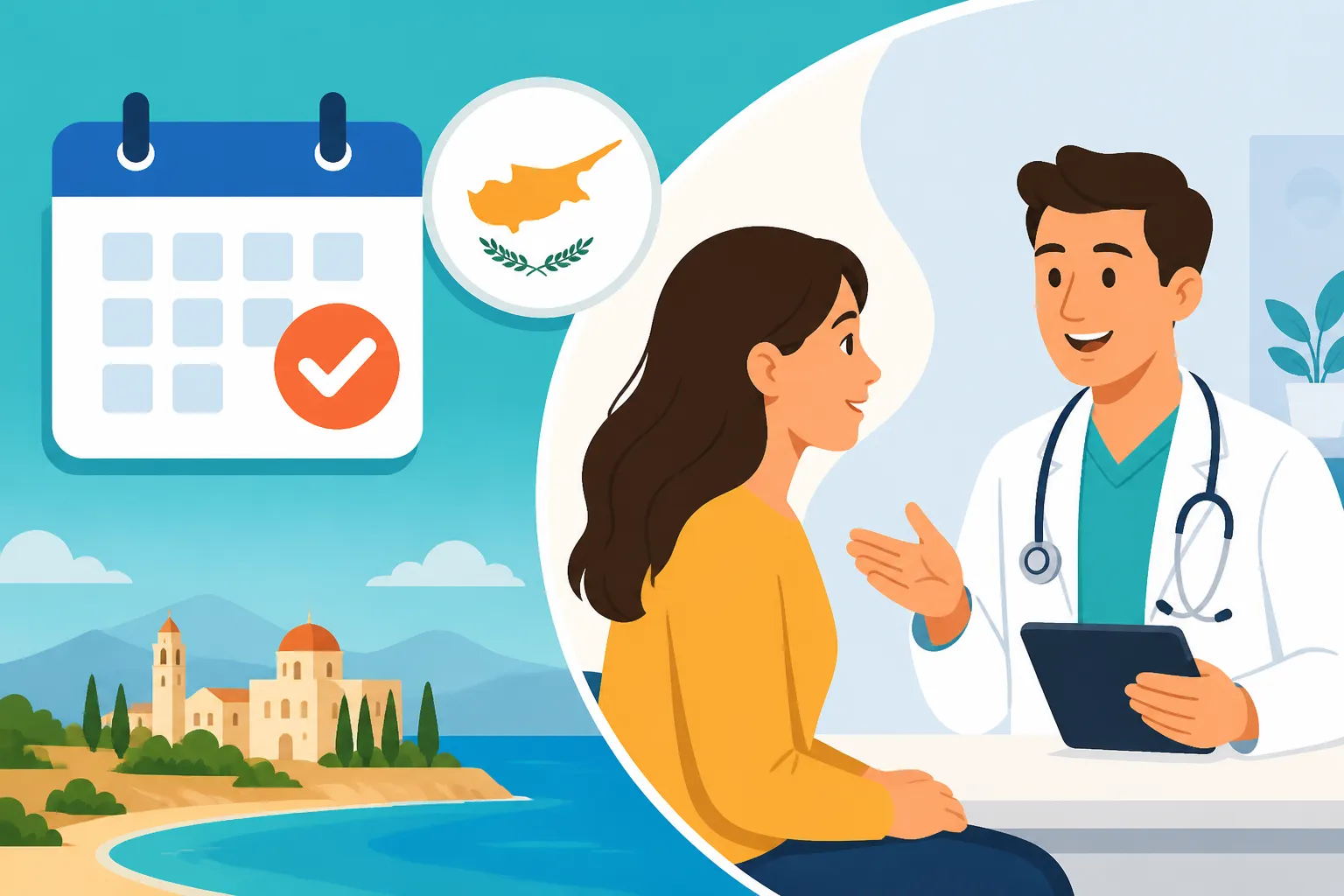
Can I See a Doctor on the Same Day in Cyprus?
Oh, the age-old question, isn't it? You wake up with that nagging cough, or your little one develops a sudden fever, and your immediate thought is, "Can I actually see a doctor today in Cyprus, or am I in for a bureaucratic marathon?" Believe me, as an expat who’s navigated my fair share of unexpected sniffles and minor mishaps on this island, I’ve asked myself the exact same thing countless times. It’s a completely different ballgame than what many of us are used to back home. This guide is here to cut through the confusion and give you the realistic lowdown on your options for same-day medical care in Cyprus, whether you're under the GeSY public system or looking at private routes.
Navigating Urgent Care Needs in Cyprus as an Expat
The Immediate Reality: When You Need a Doctor Now
Let's be frank: the idea of a walk-in clinic where you just show up and get seen within an hour or two, common in some countries, isn't really a widespread concept in Cyprus. This can be a huge source of anxiety when you're feeling unwell, especially if you're new to the island and still figuring out the ropes. The good news is, it's certainly possible to see a doctor on the same day, but it often requires knowing the system, making a few phone calls, and sometimes, being prepared to go the private route. The key is understanding the distinction between a true emergency and something that's urgent but not life-threatening. This knowledge will save you time, stress, and potentially unnecessary costs.
Emergency vs. Urgent: Knowing the Difference
Before you panic, take a deep breath and assess the situation. Is it a genuine, life-threatening emergency? We're talking about things like severe chest pain, sudden loss of consciousness, uncontrolled bleeding, suspected stroke or heart attack symptoms, or a major accident. If any of these apply, you absolutely should not hesitate. Dial 112 immediately for an ambulance. This is the emergency number for all of Europe, and it connects you to emergency services across Cyprus. For these critical situations, time is of the essence, and you need to get to the Accident & Emergency (A&E) department of a public or private hospital as quickly as possible. We covered this in detail in our guide on Emergency Medical Care in Cyprus: What Every Expat Needs to Know, which is a must-read for any newcomer.
Now, if it's not a life-or-death situation – say, a high fever that won't break, a nasty cough, a stomach bug, a minor cut, or an infection – that falls under "urgent care." You need to see a doctor soon, ideally today, but you don't necessarily need an ambulance or to take up valuable resources in an emergency room meant for critical cases. This is where the options for same-day appointments come into play, and where the nuances of the Cypriot healthcare system truly manifest.
Same-Day Appointments Under GeSY: The Public System Route
For many expats living and working here, GeSY (General Healthcare System) is their primary healthcare provider. It’s a fantastic system once you're in it, offering comprehensive care at very low co-payments. However, getting a same-day appointment within GeSY can sometimes be a bit of a challenge, especially if you don't manage your expectations.
Your Personal Doctor (GP) is Key
Under GeSY, your registered Personal Doctor (GP) is your gatekeeper to the entire system. They are the first point of contact for almost all your medical needs. This means if you want to see a doctor on the same day, your first (and often only) port of call within GeSY is your own GP.
The reality is that GeSY GPs, like many doctors globally, often have full appointment books. They manage a large panel of patients, and spontaneous same-day slots aren't always available just by walking in. What you should do, however, is call their clinic as early in the morning as possible to explain your symptoms and emphasize the urgency. Many GPs reserve a few slots for urgent cases each day, or they might fit you in between scheduled appointments. Some doctors even use WhatsApp for quick communication, allowing you to send a message describing your issue and see if they can accommodate you.
Building a good relationship with your GeSY GP over time really helps. If they know you and understand your typical health needs, they might be more inclined to squeeze you in or offer a quick telephone consultation if they deem it appropriate. It’s not guaranteed, mind you, but it’s certainly your best shot within the public system. If you haven't already, make sure you understand the process of Registering with a Personal Doctor (GP) in Cyprus: The Complete Expat Guide (2027). It’s foundational for accessing GeSY care.
GeSY Outpatient Clinics and Walk-in Possibilities
Now, you might be thinking, "What about other GeSY clinics? Can't I just walk into one of those?" The short answer for routine same-day GP care is generally "no." Public hospitals do have Accident & Emergency (A&E) departments, but as mentioned, these are for genuine emergencies. If you show up with a persistent cough or a mild fever, you'll likely face very long waiting times as critical cases are prioritised, and you might even be redirected back to your GP. The A&E isn't designed for routine urgent care that a GP can handle.
There are some public polyclinics (larger health centers) in bigger cities like Limassol or Nicosia that might have very limited "on-call" doctors or urgent care services, but these are exceptions rather than the rule for standard GP appointments. Availability can be unpredictable, and you usually have to be registered with a GP associated with that specific polyclinic. It's not the reliable walk-in system many expats hope for. For the most part, GeSY relies on a structured appointment system, with your registered GP at the centre. If you're still in the process of getting set up, our guide on How to Register for GeSY (General Healthcare System) in Cyprus (2027) will walk you through it.
Accessing Same-Day Private Medical Care: Your Fastest Option
This is often the route many expats take when they need to see a doctor quickly and their GeSY GP is unavailable or they simply don't want to wait. The private healthcare system in Cyprus is robust, highly accessible, and usually offers a much faster turnaround for same-day appointments.
Private GPs and Clinics: The Go-To for Speed
If speed and convenience are your top priorities, private GPs and clinics are your best bet. Across all major towns – Limassol, Nicosia, Paphos, Larnaca – you'll find numerous private medical centres and individual practitioners who can almost certainly fit you in on the same day, especially if you call first thing in the morning.
The typical cost for a private GP consultation in Cyprus ranges from €40 to €70, though it can sometimes be higher, especially if additional tests or procedures are performed during your visit. You'll pay out-of-pocket at the time of the appointment, unless you have private health insurance that covers it. For instance, if you're a digital nomad or on a short-term stay, your travel health insurance like SafetyWing often covers private care, making this option much more viable financially. This is crucial for those unplanned visits where you simply can't afford to wait for GeSY or haven't even registered yet. Private doctors are accustomed to expats and tourists, and finding an English-speaking doctor in the private sector is incredibly easy – it's almost a given. Many clinics specifically advertise their English-speaking staff. If you're wondering about the costs, our article on How Much Does a Private GP Visit Cost in Nicosia? can give you a clearer picture, and if you're looking for English-speaking doctors, you'll find our guide on How to Find an English-Speaking Doctor in Cyprus very helpful.
Hospitals with Private Outpatient Departments
Another excellent option for same-day care, particularly if you suspect you might need some diagnostic tests (like blood work or an X-ray), are the outpatient departments of private hospitals. Major private hospitals in Cyprus, such as Ygia Polyclinic in Limassol, Apollonion Private Hospital in Nicosia, or Evangelismos Private Hospital in Paphos, have extensive outpatient clinics.
You can often call these hospitals directly and book an appointment for the same day with a general practitioner, and sometimes even with a specialist if one is available. The beauty of this route is that if the doctor determines you need a blood test or imaging, they can usually arrange it right there and then, within the same facility, meaning a much faster diagnosis and treatment plan. This level of integrated care makes private hospitals very efficient for urgent, non-emergency needs. However, remember that these services also come with a price tag, so it's always wise to understand your insurance coverage. We've compiled a detailed guide on How to Use Private Hospitals and Clinics in Cyprus which explains this further.
When considering private care, especially if you're not yet registered with GeSY or still waiting for your GeSY card, it's worth having a plan for payment. Private health insurance, or a good travel insurance policy like SafetyWing, can be a real lifesaver in these situations, ensuring you're covered until your GeSY is sorted.
What to Expect and How to Prepare
When opting for private same-day care, here's what you should generally expect and how to prepare:
- Documents: Always bring your passport or ID. If you have private health insurance, have your policy details readily available, including your policy number and any contact information for claims. If you're relying on travel insurance like SafetyWing, make sure you know how to access your policy information digitally.
- Payment: Be prepared to pay for the consultation upfront. Most clinics accept cash and card payments. You’ll receive a receipt which you can then submit to your private insurer for reimbursement if applicable.
- Communication: As mentioned, English is widely spoken among private medical professionals in Cyprus, so language barriers are rarely an issue.
- Medical History: Have a brief overview of your medical history, any chronic conditions, and a list of your current medications ready to share with the doctor.
This route truly is the most reliable for getting seen on the same day for non-emergency medical issues in Cyprus.
When to Head to A&E (Accident & Emergency)
Despite the convenience of private care, there are situations where only an A&E department will do.
Genuine Emergencies: Don't Hesitate, Dial 112
Let’s reiterate: for true medical emergencies – anything that is immediately life-threatening or could result in serious harm or disability if not treated promptly – you should go straight to A&E. That means calling 112 for an ambulance or having someone drive you to the nearest hospital emergency room. Examples include:
- Sudden, severe chest pain
- Difficulty breathing
- Signs of a stroke (facial drooping, arm weakness, speech difficulty)
- Severe allergic reactions (anaphylaxis)
- Major injuries, especially head injuries or serious burns
- Uncontrolled bleeding
- Loss of consciousness
Do not try to get a GP appointment for these conditions, even a private one. The A&E departments are equipped with specialist staff and diagnostic tools to handle these critical situations. Our comprehensive guide on Understanding Emergency Numbers (112) and Ambulance Care in Cyprus provides all the essential details you need for these stressful moments.
Public Hospital A&E Departments vs. Private Emergency Rooms
Cyprus has both public and private hospital A&E departments.
- Public A&E: If you are a GeSY member, emergency treatment at public hospitals is covered, though a small co-payment might apply for certain services or medications. The downside is that for anything not deemed immediately life-threatening (even if it feels urgent to you), waiting times can be very, very long. You might find yourself waiting for hours while doctors attend to more critical cases.
- Private ERs: Private hospitals also have emergency rooms. These tend to be much faster, often with shorter waiting times. However, they come at a significant cost if you're paying out-of-pocket. An emergency room visit to a private hospital could run you into hundreds of euros before any treatment, tests, or medication. If you have comprehensive private health insurance, or a robust travel insurance plan like SafetyWing, it might cover these costs, but it's crucial to check your policy's terms and conditions regarding emergency treatment and deductibles. The immediate cost can be quite substantial if paying yourself, so knowing your insurance coverage is absolutely vital. Our guide on How Much Does an Emergency Room Visit Cost in Cyprus? can give you a general idea of the expenses involved.
Here's a quick comparison of the two main routes for same-day appointments:
| Feature | GeSY (Public System) | Private Healthcare System |
|---|---|---|
| Same-Day GP | Possible for urgent cases, but not guaranteed. Relies on your registered GP's availability. | Very likely, especially by phone booking. Multiple clinics and doctors available. |
| Cost (GP visit) | €1 co-payment for registered GP. | Typically €40-€70 (out-of-pocket, unless insured). |
| Access | Restricted to your registered GP, or public A&E for emergencies. Limited walk-ins. | Wide choice of clinics, easily accessible. |
| Waiting Times | Can vary for GP; long for non-emergency A&E. | Generally much shorter for GP and specialist appointments. |
| English Speaking | Many GeSY GPs speak English, but not all. | Very common, almost standard among private practitioners. |
| Insurance | Covered by GeSY contributions. | Covered by private health insurance (e.g., SafetyWing for travelers), or paid out-of-pocket. |
| Specialist Access | Requires GP referral, which can add time. | Often direct access, or quick GP referral. |
Practical Tips for Urgent Doctor Visits in Cyprus
Even with all this information, feeling unwell can make things seem overwhelming. Here are some actionable tips to help you navigate an urgent doctor's visit:
Always Call First
This is perhaps the most important piece of advice. Whether it's your GeSY GP, a private clinic, or a hospital's outpatient department, always call first. Explain your symptoms clearly and state that you need to be seen today. They can advise you on their availability, whether you should come in, or if an alternative is more suitable. Showing up unannounced, especially to a GeSY clinic, is rarely effective unless it's a critical emergency.
Prepare Your Information
When you call or go in, have everything ready. This includes your GeSY card/number if you have one, your passport or ID, a list of any current medications you're taking, details of any allergies, and a brief summary of your medical history. If you're relying on private insurance, make sure you have your policy details, including the policy number, handy. For digital nomads or those on a short trip, a good travel insurance like SafetyWing provides easy access to your policy information digitally, which can be invaluable when you're feeling under the weather.
Utilize Online Resources and Networks
Expat communities on platforms like Facebook are a goldmine for recommendations. You can often ask for "English-speaking doctor available today in Limassol" and get quick, real-time advice from others who have been in your shoes. Many private clinics also have online booking systems or advertise their same-day availability. Check our guides like How to Find an English-Speaking Doctor in Limassol? or Where Is the Nearest GeSY Doctor in Limassol? for specific resources. Local directories can also point you towards nearby clinics.
The Expat Perspective: Managing Expectations
Living in Cyprus means adapting to certain differences, and healthcare is definitely one of them.
Cultural Nuances and Patience
It's easy to get frustrated if the system isn't what you're used to. However, understanding that Cypriot healthcare, particularly the public system, operates differently from, say, the NHS or a fast-paced US walk-in clinic, can help manage your expectations. A bit of patience and persistence on the phone can go a long way. The doctors are generally highly skilled and caring, but the administrative processes might not always feel as streamlined as you'd prefer.
The Importance of Proactive Planning
The best way to ensure you can see a doctor on the same day when needed is to be prepared before you're unwell.
- Register with a GeSY GP: As soon as you're eligible, get registered with a Personal Doctor under GeSY. This establishes your point of contact within the public system. We’ve covered this extensively in How to Register for GeSY After Moving to Cyprus.
- Consider Private Health Insurance: Even if you're covered by GeSY, having a good private health insurance policy can offer peace of mind. It gives you the flexibility to choose private clinics for faster appointments and often covers a broader range of services without GeSY referrals or co-payments. This is especially true for newcomers, and our guide on How to Buy Private Health Insurance as a Newcomer in Cyprus is a great starting point.
- Know Your Options: Understand the difference between GeSY and private care, and which one is appropriate for your situation. Familiarize yourself with the costs involved, as detailed in The Cost of Healthcare in Cyprus: A Complete Breakdown for Foreigners (2026), so you're not caught off guard. Even if you have GeSY, a good private health insurance policy or a reliable travel insurance like SafetyWing can offer additional peace of mind for those moments when you really need to see someone quickly and your GeSY GP is fully booked or unavailable. Understanding all your options, from GeSY to private and employer-provided plans, is key, which is why Health Insurance in Cyprus: GeSY, Private and Employer Options Explained is another helpful resource.
In conclusion, yes, you absolutely can see a doctor on the same day in Cyprus, especially if you're willing to utilize the efficient private healthcare sector. By understanding the system and preparing ahead of time, you can ensure you get the care you need, when you need it, minimizing stress during those inevitable moments when illness strikes.
Disclaimer
The information provided in this guide is for general informational purposes only and does not constitute medical, legal, or professional advice. While every effort has been made to ensure accuracy, healthcare regulations and procedures in Cyprus can change. Always consult with a qualified medical professional for any health concerns and refer to official government sources or a legal expert for the most up-to-date administrative information.