What Health Risks Should Expats Be Aware of in Cyprus?
Moving to a new country like Cyprus, with its stunning sunshine and laid-back vibe, often feels like a fresh start, a chance to leave behind the worries of your old life. But beneath the surface of this Mediterranean paradise, there are always those nagging thoughts about health: "What if I get sick? Are there specific dangers I should know about? How does the healthcare system even work here?" This guide isn't here to scare you, but to give you a realistic, comprehensive overview of the specific health risks expats should genuinely be aware of in Cyprus, helping you navigate your new home with confidence and informed preparedness.
Environmental and Climate-Related Health Concerns
Living in Cyprus means embracing a Mediterranean climate, which is mostly wonderful but comes with its own set of environmental health considerations that newcomers often underestimate. It's not just about slapping on some sunscreen; it's about understanding how the elements truly impact your well-being, especially if you're here long-term.
Managing the Intense Summer Heat
Ah, the Cypriot summer. It's legendary for its scorching temperatures, often soaring well into the high 30s and even 40s Celsius for weeks on end. While glorious for beach holidays, it poses a significant health risk if you're not careful. Dehydration is a constant threat; you might not even realize how much fluid you're losing until it's too late. I remember one colleague, fresh off the plane, decided to go for a long hike in August. He ended up with a severe headache, nausea, and nearly passed out – classic signs of heat exhaustion. It’s crucial to drink water constantly, even if you don't feel thirsty, and avoid peak sun hours (usually 11 am to 4 pm) for strenuous activities.
Heatstroke, a more severe condition, can be life-threatening. Symptoms include confusion, a high body temperature, and loss of consciousness. Elderly expats, young children, and those with pre-existing medical conditions are particularly vulnerable. Beyond dehydration and heatstroke, the sun's relentless UV rays significantly increase the risk of skin damage and, over time, skin cancer. Even if you have a darker complexion, the intensity here is no joke. Investing in high-quality, broad-spectrum sunscreen (SPF 50+), wearing wide-brimmed hats, and seeking shade are non-negotiable parts of daily life here, not just for a beach day. Regularly checking your skin for any unusual changes is also a smart habit to develop.
Air Quality and Allergens
Cyprus might seem pristine, but its air quality can sometimes be a concern, particularly in urban areas and during specific seasons. Dust is a major factor. The island is naturally arid, and during dry periods, fine dust particles from the soil are easily stirred up by the wind. On top of this, ongoing construction projects – and trust me, there's always construction happening somewhere in Cyprus, especially in burgeoning cities like Limassol – contribute significantly to airborne particulate matter. This can exacerbate respiratory conditions like asthma, bronchitis, and allergies. If you’re prone to such issues, you might find yourself needing your inhaler more often or experiencing more frequent sinus problems.
Beyond dust, pollen can also be an issue for allergy sufferers, particularly in spring. While Cyprus doesn't have the same vast expanses of pollen-producing vegetation as some other countries, local flora like olive trees, cypress trees, and various grasses can trigger reactions. Monitoring local air quality reports (available through apps or government websites) and keeping windows closed on particularly dusty or high-pollen days can help. Using air purifiers indoors, especially in your bedroom, is another common strategy many expats adopt to improve their living environment.
Water Quality and Contaminants
The question of whether tap water in Cyprus is safe to drink is one of the most common queries from newcomers. Legally, the tap water in most urban areas and tourist resorts is considered safe to drink and meets EU standards. It's regularly tested, and for the most part, it won't cause immediate harm. However, many expats (and locals) choose to drink bottled water, and for good reason. The taste can be quite different due to mineral content and the chlorine used for treatment, which some find unpleasant. More importantly, the older plumbing infrastructure in some buildings, particularly in older apartments or rural properties, can sometimes compromise water quality between the main supply and your tap.
While gastrointestinal upset from tap water is relatively rare, it’s not unheard of, especially if your system isn't used to the local microbial balance or if your building's pipes are not in top condition. For peace of mind, many prefer to use filtered water for drinking and cooking, or simply buy large bottles from the supermarket. It's a personal choice, but being aware of potential variations in taste and the possibility of older infrastructure issues is important. If you’re ever unsure about the water quality in a specific area or property, asking locals or your landlord is always a good idea.
Infectious Diseases and Local Health Considerations
While Cyprus is generally a very healthy place to live, especially when compared to some other parts of the world, there are still specific infectious disease considerations and local nuances to be aware of. It's not about being overly paranoid, but rather adopting smart habits that blend into your new Mediterranean lifestyle.
Mosquito-Borne and Food/Waterborne Illnesses
Mosquitoes are definitely part of life here, particularly during the warmer months, especially from late spring through early autumn. While serious mosquito-borne diseases like malaria are not endemic to Cyprus, and have been eradicated decades ago, you can still encounter annoyances like the West Nile virus, which has had sporadic cases on the island. The primary risk, though, is simply the discomfort of bites and potential secondary infections from scratching. It's wise to take precautions: use insect repellent, especially during dusk and dawn, ensure your accommodation has screens on windows and doors, or sleep under a mosquito net if you’re in an older or more rural property. My family learned this the hard way after a particularly itchy night in a village house!
Food and waterborne illnesses are also a consideration, as they are in any travel destination. While hygiene standards in established restaurants and hotels are generally high, it’s always prudent to be cautious, especially when trying street food or eating at less-regulated establishments. "Traveller's diarrhoea" can strike anywhere. Make sure food is cooked thoroughly, avoid unpasteurised dairy products, and be mindful of salads washed in tap water if you have a sensitive stomach. Similarly, while tap water is generally safe, if you're prone to stomach upsets, sticking to bottled water, particularly when you first arrive or if you're exploring very rural areas, can save you some discomfort.
General Hygiene and Communicable Diseases
As with any community, general hygiene practices play a crucial role in preventing the spread of common communicable diseases. Seasonal colds, flu viruses, and stomach bugs circulate, especially during the cooler months when people spend more time indoors. Expats, particularly those with young children in schools, often find themselves exposed to a new array of local germs that their immune systems aren't yet familiar with. It's a rite of passage for many! Regular handwashing, especially before eating and after using public transport or visiting crowded places, remains your best defense.
The COVID-19 pandemic highlighted the importance of public health measures globally, and Cyprus has its own protocols and recommendations that residents should follow. Staying informed about local health authority guidelines and getting recommended vaccinations, including seasonal flu shots, can protect both yourself and the wider community. When you're new to a country, your doctor can advise you on any specific immunisations that might be recommended or required for long-term residents. This is an important discussion to have when you're going through the process of Registering with a Personal Doctor (GP) in Cyprus: The Complete Expat Guide (2027).
Non-Communicable Diseases and Lifestyle Factors
Moving to Cyprus can bring about significant lifestyle changes, some positive and others that, if not managed, can contribute to non-communicable diseases. It's easy to get swept up in the new pace of life, but staying proactive about your health is essential.
Diet, Activity, and Maintaining Existing Conditions
For many, expat life in Cyprus means a shift in dietary habits. While the traditional Cypriot diet is famously healthy – rich in fresh vegetables, fruits, olive oil, fish, and lean meats – it's also easy to fall into the trap of indulging in larger portions, more social eating, and perhaps a bit too much halloumi (delicious as it is!). Coupled with the often sedentary nature of modern jobs or the relaxed pace of retirement, this can lead to weight gain, which is a risk factor for conditions like type 2 diabetes, heart disease, and high blood pressure. Making conscious choices to embrace the healthy aspects of the Mediterranean diet, focusing on plant-based foods, and moderating portion sizes is vital.
Physical activity might also change. You might be walking more if you live in a town, or less if you rely heavily on a car. The scorching summer heat can make outdoor exercise challenging. It's important to find ways to stay active that suit the climate, whether that's early morning walks, gym memberships, swimming, or joining local sports clubs. If you have pre-existing conditions like diabetes, hypertension, or heart disease, maintaining your medication regimen and regular check-ups is paramount. You'll need to understand How Cyprus's Health System Works: GeSY vs Private Explained (2027) to ensure seamless access to your doctors and prescriptions. Don't let the stress of moving disrupt your health management.
Access to Routine Screenings and Preventative Care
One of the often-overlooked aspects for expats is continuing routine health screenings and preventative care that they might have taken for granted in their home country. This includes things like regular dental check-ups, eye exams, mammograms, cervical screenings, and prostate checks. When you're new to the system, it can feel overwhelming to figure out where to go, who to see, and how much it will cost. Under GeSY (the General Healthcare System), many of these services are covered, but you need to be properly registered and understand the referral process.
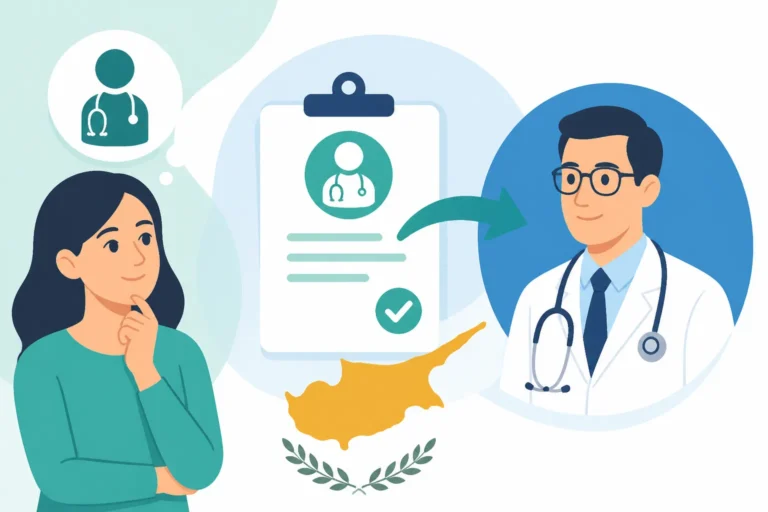
For example, getting a referral to a specialist under GeSY usually starts with your personal doctor (GP). This means having a good relationship with your GP who understands your medical history and can guide you through the system. If you're opting for private healthcare, you often have more direct access to specialists without a referral, but you'll be paying out-of-pocket or through private insurance. Regardless of the route you choose, proactive management of your health through regular screenings is crucial. Neglecting these checks due to unfamiliarity with the system or perceived difficulties can lead to delays in diagnosis and treatment of serious conditions.
Healthcare System Navigation Challenges
While not a direct physiological 'health risk,' the sheer complexity and potential for misunderstanding the healthcare system in a new country can absolutely become a risk to your health outcomes. It's a common expat frustration, and Cyprus is no exception. Getting sick is stressful enough without having to figure out which door to knock on.
The Initial Period Before GeSY Registration
One of the most critical periods for expats arriving in Cyprus is that initial window before you're fully integrated into the General Healthcare System (GeSY). Even if you're eligible for GeSY – which many working expats and their families are once they've started paying social insurance contributions – the registration process isn't always immediate. There can be paperwork delays, bureaucratic hurdles, and simply a learning curve. During this time, you might feel vulnerable, wondering "What happens if I get sick before my GeSY registration in Cyprus?".
Without GeSY, you'll need to rely on private healthcare, which means paying out-of-pocket for consultations, tests, and treatments. While private care in Cyprus is excellent, it can be expensive, and unexpected medical bills are the last thing you need when settling into a new country. This is where comprehensive travel or international health insurance becomes a lifesaver. Many expats opt for providers like SafetyWing, which offers flexible, affordable insurance designed for digital nomads and long-term travellers. It can bridge that gap, providing essential coverage for emergencies and unexpected illnesses until your GeSY coverage kicks in. Don't underestimate the peace of mind this provides; it's a small investment for substantial security during a transitional phase.
Understanding Public vs. Private and Language Barriers
Cyprus operates a dual healthcare system: the public GeSY system and a robust private sector. Deciding Public vs Private Healthcare in Cyprus: Which Should Expats Choose? is a big decision. While GeSY aims to provide universal coverage, many expats still choose to supplement it with private insurance or opt for private care entirely due to shorter waiting times, greater choice of specialists, and the ability to access specific treatments or facilities. The challenge lies in understanding how these two systems interact and how to best navigate them based on your needs and eligibility. For instance, even with GeSY, you might still incur co-payments for certain services, prescriptions, or specialist visits. Understanding GeSY Co-Payments and Out-of-Pocket Fees in Cyprus is crucial to avoid surprises.
Another significant hurdle can be language. While many doctors and medical professionals in Cyprus, especially in urban areas and private clinics, speak excellent English, it's not universally guaranteed. In some public clinics or smaller towns, you might encounter staff with limited English proficiency. This can lead to miscommunications, misunderstandings about diagnoses, or difficulty explaining your symptoms, which can directly impact the quality of care you receive. Learning some basic Greek medical terms or having a friend accompany you to appointments, especially initially, can be incredibly helpful. Always ensure you fully understand any instructions or diagnoses before leaving the clinic.
Health Risk Category Common Concerns Prevention & Management Strategies to your needs. This flexibility is a tremendous benefit for expats, allowing you to tailor your coverage to your specific needs, even if your plans or income change down the line.
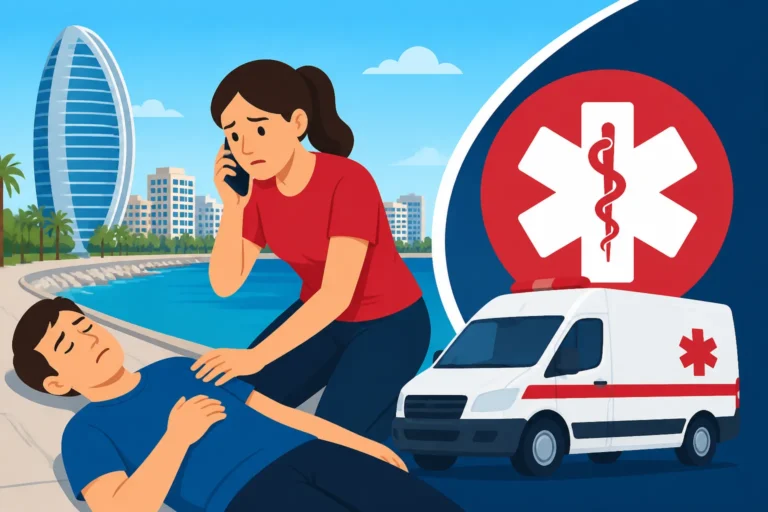
Finally, while we're talking about practicalities, having a solid understanding of Emergency Medical Care in Cyprus: What Every Expat Needs to Know is absolutely vital. You never want to be caught off guard in a crisis.
Mental Health and Adjusting to Expat Life
Beyond the physical health risks, expats in Cyprus, like anywhere else, face unique mental health challenges that are often underestimated. The emotional and psychological toll of uprooting your life can have a profound impact, and it's essential to acknowledge and address these aspects.
Culture Shock, Loneliness, and Homesickness
The initial honeymoon phase of expat life is often exhilarating, filled with new sights, sounds, and experiences. However, eventually, the novelty wears off, and the reality of living in a foreign country sets in. This is where culture shock often hits. Simple tasks, like dealing with bureaucracy at the Migration Department or even navigating the supermarket in Greek, can become unexpectedly stressful. The slower pace of life, while charming initially, can be frustrating if you're used to things moving at lightning speed. These daily minor stressors accumulate, leading to feelings of anxiety, irritability, and even exhaustion.
Loneliness and homesickness are also incredibly common. You might have left behind a strong support network of friends and family. While making new friends in Cyprus is possible, it takes time and effort. There can be moments when you feel isolated, missing the familiarity of your home culture, your usual social cues, and even just hearing your native language spoken casually around you. This emotional vacuum can lead to sadness, a lack of motivation, and in some cases, can spiral into depression. It's not a sign of weakness; it's a completely normal part of adapting to a massive life change.
Seeking Support and Professional Help
Recognizing these feelings and actively seeking support is the first crucial step. Many expat groups exist across Cyprus, especially in cities like Limassol, Nicosia, and Paphos. Joining these groups, whether online or in person, can provide a sense of community, shared experience, and practical advice. Knowing that others are going through similar challenges can be incredibly validating. Don't isolate yourself; reach out.
If feelings of sadness, anxiety, or stress persist and begin to interfere with your daily life, it's important to consider professional help. Mental health services are available in Cyprus. Under GeSY, you can get a referral to a psychiatrist or psychologist from your personal doctor, though waiting times might vary. In the private sector, there are many English-speaking therapists and counsellors who specialize in expat issues. Accessing mental health services in Cyprus as an expat can feel daunting, but it's a vital part of holistic health. Remember, taking care of your mental well-being is just as important as your physical health when building a fulfilling life in Cyprus.
Disclaimer
The information provided in this guide is for general informational purposes only and does not constitute medical, legal, or professional advice. While we strive to provide accurate and up-to-date content, healthcare regulations, risks, and practices in Cyprus can change. Always consult with qualified healthcare professionals, legal advisors, or relevant government authorities for advice tailored to your specific situation. Reliance on any information in this article is solely at your own risk.