How Do I Access Emergency Dental Care in Cyprus?
There’s nothing quite like the sudden, searing pain of a dental emergency to send a wave of panic through you, especially when you’re living abroad in a new country like Cyprus. The language barrier, the unfamiliar healthcare system, and the sheer discomfort can make you feel utterly lost. But fear not, my fellow expat or visitor, because this comprehensive guide will walk you through exactly how to access urgent dental care here on the island, ensuring you know your options and can get the relief you need when time is of the essence.
Understanding What Constitutes a Dental Emergency in Cyprus
When your mouth is screaming, it’s easy to think everything is an emergency. But just like with general medical issues, it helps to distinguish between something that needs immediate, urgent attention and something that can wait a day or two for a regular dental appointment. Knowing this difference can save you time, stress, and potentially unnecessary after-hours fees.
Differentiating Urgent from Non-Urgent Dental Issues
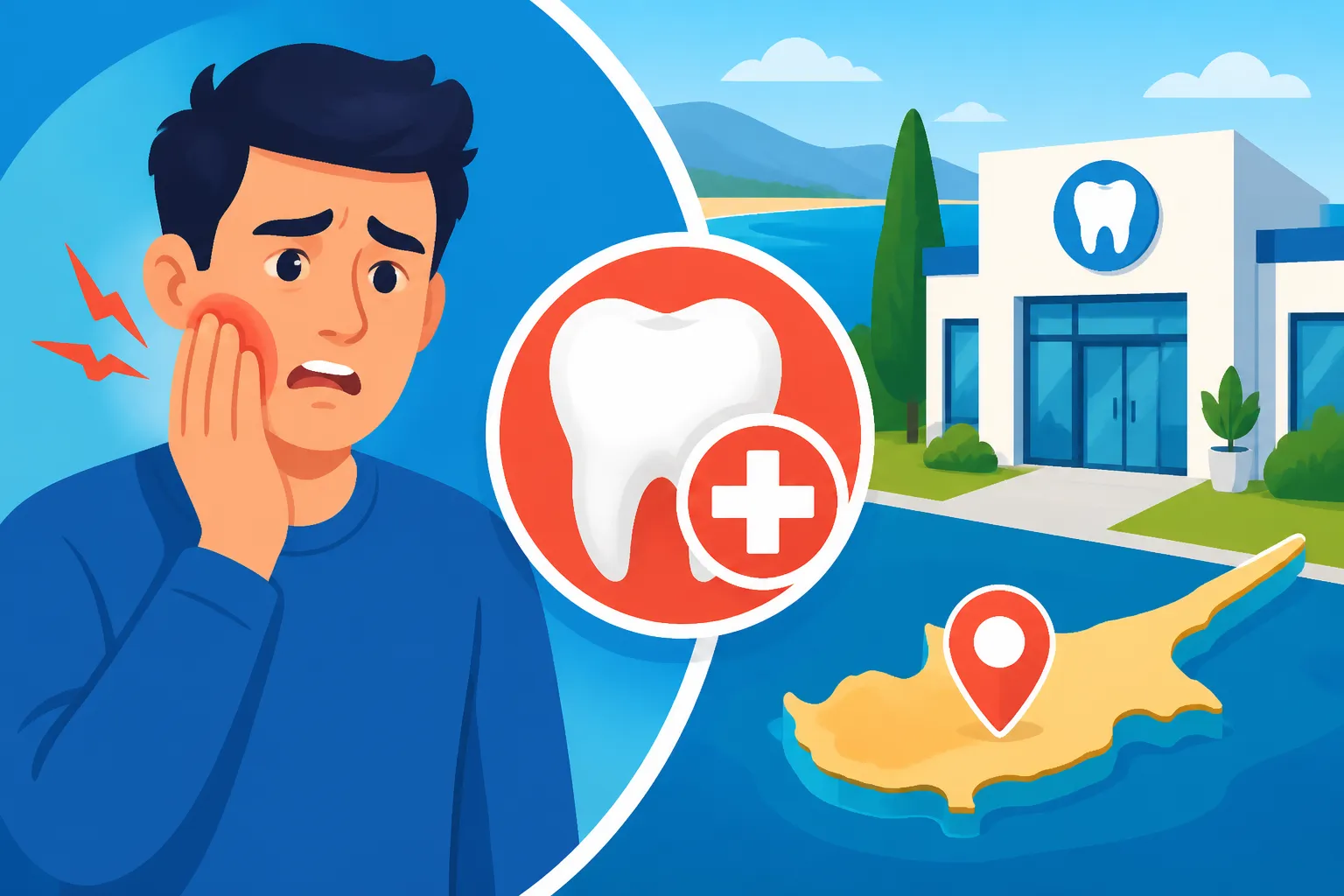
A true dental emergency is usually characterized by severe pain, uncontrolled bleeding, or trauma that threatens the health of your teeth or surrounding tissues. Think about situations where waiting could lead to permanent damage, increased infection, or unbearable discomfort. This is when you drop everything and seek immediate help. For instance, if you've got a toothache that keeps you awake all night, where even strong painkillers barely touch the agony, or if your face is swelling rapidly, that's a red flag waving vigorously. Any acute physical injury to your mouth, jaw, or teeth from an accident also falls into this category.
On the flip side, many dental problems, while uncomfortable or annoying, aren't usually considered emergencies. A small chip on a tooth without pain, a lost filling that isn't causing sensitivity, or a dull ache that's manageable with over-the-counter medication can typically wait for standard clinic hours. While you certainly want to get these issues looked at, they don’t demand a frantic 3 AM visit to an emergency dentist. Being able to make this distinction is crucial, as going to an emergency clinic with a non-urgent issue might mean higher costs and potentially taking up a slot someone with a true crisis desperately needs.
The key is to assess the severity. Is the pain unbearable? Is there significant bleeding that won't stop? Is there swelling that's spreading, indicating a potential infection? Are you experiencing difficulty breathing or swallowing? These are the questions that define an urgent situation. If the answer is yes, then it’s time to move quickly and find help.
Common Dental Emergencies Expats Face
Living in Cyprus means a fantastic lifestyle, but it doesn't exempt us from those awful dental dramas. One of the most frequent and debilitating dental emergencies is a severe toothache, often stemming from an untreated cavity that has reached the nerve, or an abscess. An abscess is a nasty infection at the root of a tooth or between the gum and tooth, and it can cause intense throbbing pain, sensitivity to hot and cold, and even fever. You might also notice swelling in your gum, cheek, or jaw, which is a clear sign that you need urgent attention before the infection spreads.
Beyond the dreaded toothache, accidents happen. Whether you’re enjoying some watersports, cycling, or just having a clumsy moment at home, trauma to the mouth is another common emergency. This can range from a knocked-out tooth (which, if handled correctly and seen quickly, might be re-implantable!) to a fractured or broken tooth, or even a fractured jaw. These situations require immediate professional help, not just for the pain, but also to save the tooth or prevent further complications. You can read more about what to do in general medical emergencies in Cyprus in our guide, Emergency Medical Care in Cyprus: What Every Expat Needs to Know.
Lastly, you might experience issues with existing dental work. A lost crown or filling, especially if it exposes the sensitive inner parts of your tooth, can quickly become excruciating. While sometimes you can manage a lost filling for a short period with temporary dental cement from a pharmacy, if it's causing severe pain or sharp edges are cutting your tongue or cheek, it's an emergency. Similarly, a broken orthodontic wire can poke and injure your mouth, necessitating an urgent visit to an orthodontist or general dentist for a temporary fix.
Navigating Your Options: Public vs. Private Emergency Dental Care
Cyprus has both a public healthcare system, GeSY, and a robust private sector. While the lines are sometimes blurred for general medical care, when it comes to dental emergencies for adults, the choice is usually quite clear. It's crucial to understand this distinction before panic sets in.
Public Healthcare System GeSY and Dental Emergencies
If you’re registered with the General Healthcare System (GeSY) in Cyprus, you might assume all your medical needs, including dental, are covered. And while GeSY is a fantastic step forward for general healthcare on the island, it’s important to understand its limitations regarding dental care, particularly for adults. The stark reality for most adults is that routine dental treatments and, by extension, most emergency dental treatments for adults, are generally not covered under GeSY. This can come as a shock to newcomers who expect a comprehensive system.
The public healthcare system does offer some limited dental services, primarily focusing on children up to 12 years old, specific oral surgeries performed by maxillofacial surgeons (which often require a referral and are for complex cases, not simple toothaches), and certain preventative services for high-risk groups. For the average adult expat facing a sudden, throbbing toothache, or a broken tooth, turning to a public clinic or public hospital for comprehensive treatment under GeSY will likely lead to disappointment and a referral to the private sector – or at best, only very basic pain relief with instruction to seek private care.
So, while your How Cyprus's Health System Works: GeSY vs Private Explained (2027) is excellent for general health, when your molar starts acting up, you generally won't find the emergency dental care you need fully covered within the public framework as an adult. If you do present at a public hospital's A&E with something like a severe facial infection stemming from a tooth, they will stabilize the life-threatening aspect of the infection, but the actual dental work to remove the source of the problem will almost certainly be referred to a private dental specialist or provided at a significant out-of-pocket cost.
Private Dental Clinics: Your Primary Go-To for Urgent Care
Given the limitations of GeSY for adult dental emergencies, the private dental sector is undeniably your primary and most reliable avenue for prompt, specialized, and comprehensive urgent dental treatment in Cyprus. The good news is that Cyprus boasts a high standard of private dental care, with many modern clinics equipped with advanced technology and staffed by highly trained professionals. Crucially, a significant number of dentists and their teams are fluent in English, making communication during a stressful emergency much easier.
When you're hit with a dental crisis, private clinics are much more likely to offer same-day appointments or dedicated after-hours and weekend emergency services. Many clinics understand the urgency and will do their best to squeeze you in, prioritizing severe pain or trauma. To find a private emergency dentist, your best bet is to do a quick online search for "emergency dentist [your city in Cyprus]" (e.g., "emergency dentist Limassol" or "24-hour dental clinic Nicosia"). Expats groups on social media are also an invaluable resource for recommendations – someone has always been through it before and can point you to a trusted professional.
What can you expect from a private emergency dental visit? Typically, the focus will be on immediate pain relief and addressing the root cause of the emergency. This might involve an X-ray to diagnose the problem, an initial cleaning of an infected area, administering antibiotics for an abscess, temporary fillings, re-cementing a crown, or even an urgent extraction if necessary. They'll aim to get you out of pain and stabilize the situation, often scheduling a follow-up for more definitive treatment. These clinics are generally very responsive and are well-versed in dealing with unforeseen dental issues.
The Role of Hospitals in Severe Dental Trauma
While private dental clinics are your usual first stop for a tooth-related emergency, there are specific, severe situations where a hospital's Accident & Emergency (A&E) department becomes necessary. Think of major trauma: a car accident resulting in a fractured jaw, significant lacerations to the face and mouth, uncontrollable bleeding after an injury, or a severe infection from a dental abscess that has spread rapidly, impacting your breathing or vision. In these life-threatening scenarios, the immediate priority is stabilization and general medical care, not specific dental work.
If you arrive at a public or private hospital A&E with such severe trauma, the medical staff will assess your overall condition, manage pain, stop bleeding, and ensure your airways are clear. They will address any immediate life threats. While they might have an on-call maxillofacial surgeon for highly complex cases like jaw fractures, most A&E departments are not equipped to perform routine emergency dental procedures like filling cavities, root canals, or extractions for a simple (albeit painful) toothache. Their role is to manage the acute trauma and prevent systemic complications.
After stabilizing you, the hospital will likely refer you to a specialized private dental or maxillofacial surgeon for the specific dental repairs needed. So, remember, if your dental emergency is a direct result of significant physical trauma or involves widespread infection threatening your general health, head to the nearest hospital A&E. But for localized dental pain, broken teeth without severe associated injuries, or lost fillings, a private dental clinic is the more appropriate and efficient choice. For a better understanding of what costs to expect in the broader medical landscape, check out our guide, The Cost of Healthcare in Cyprus: A Complete Breakdown for Foreigners (2026).
Practical Steps When a Dental Emergency Strikes
When that unexpected dental emergency rears its ugly head, having a clear plan can make all the difference. Panicking is natural, but taking swift, calm action can help mitigate pain and protect your oral health.
Immediate First Aid and Pain Management
The very first thing you need to do is try to manage the immediate symptoms and provide some temporary relief. If you have a severe toothache, rinse your mouth gently with warm salt water. This can help cleanse the area and reduce inflammation. For swelling, apply a cold compress or an ice pack wrapped in a cloth to the outside of your cheek for 20-minute intervals. Over-the-counter pain relievers like ibuprofen or paracetamol (acetaminophen) can help manage the pain temporarily. You can find these easily at any local pharmacy; our guide to Prescription Medications and Pharmacies in Cyprus: The Complete Guide has more details on how to navigate the pharmacy system.
If a tooth has been knocked out, time is critical! Gently pick up the tooth by the crown (the chewing surface), avoid touching the root. If it’s dirty, rinse it briefly with milk or water – but do not scrub it. If possible, try to gently reinsert it into its socket. If that’s not possible, keep the tooth moist by placing it in a cup of milk, saline solution, or even between your cheek and gum. Get to an emergency dentist immediately, ideally within 30 minutes to an hour, as this greatly increases the chance of saving the tooth.
For a lost crown or filling, dental wax or temporary dental filling material (often available at pharmacies) can provide a temporary seal to protect the exposed tooth and prevent sensitivity. If a sharp edge of a broken tooth is cutting your tongue or cheek, a bit of dental wax can also cover it. These are just temporary measures to make you more comfortable until you can see a professional, but they aren't a substitute for actual dental treatment.
Finding an Emergency Dentist in Your Area
Once you’ve taken some immediate first aid steps, the next crucial move is to find a dentist who can see you quickly. Start with a focused online search using terms like "emergency dentist Limassol," "24-hour dentist Nicosia," or "after-hours dental clinic Paphos," depending on your location. Many private clinics will clearly advertise their emergency services on their websites or Google Maps listings, sometimes even providing a dedicated emergency phone number outside of regular hours. Don't be shy about utilizing expat Facebook groups or forums; people are usually very quick to offer recommendations based on their own experiences.
When you call a clinic, clearly state that you have a dental emergency. Describe your symptoms as accurately as possible – the type of pain, its severity, any swelling or bleeding, and when it started. Ask about their immediate availability and whether they offer specific emergency appointments. It’s also wise to inquire about the initial consultation fee and any potential costs for immediate treatment. Most clinics will provide at least an estimate for the consultation and X-rays over the phone.
Remember, most cities and larger towns in Cyprus (like Limassol, Nicosia, Paphos, and Larnaca) will have several options for private dental clinics that handle emergencies. Smaller villages might be more challenging, requiring you to travel to the nearest urban center. If you struggle to find an English-speaking dentist through your own search, don't hesitate to ask a local friend or colleague for help or check out our guide on How to Find an English-Speaking Doctor in Cyprus, which can be adapted for dental professionals.
Costs and Insurance Considerations
Let's talk brass tacks: emergency dental care in Cyprus, particularly in the private sector (which, as we've established, is your main recourse for adults), is not free and can be quite expensive. Unlike general healthcare under GeSY, which covers most medical services for eligible residents, routine and emergency dental treatment for adults typically requires out-of-pocket payment. An initial emergency consultation might range from €50 to €100, not including X-rays or any actual treatment. If you need a temporary filling, an extraction, or the start of a root canal, the costs will quickly escalate, potentially running into hundreds of euros. For example, a basic emergency extraction could cost upwards of €100-€200, and a more complex procedure like an emergency root canal treatment might start at €300-€500 or more, not including the final crown.
This is where private dental insurance becomes invaluable. While it’s unlikely to cover pre-existing conditions if purchased just before an emergency, having comprehensive private health insurance that includes dental coverage can significantly ease the financial burden for unforeseen dental emergencies. Many international health insurance plans for expats offer optional dental add-ons. If you're a digital nomad or a frequent traveler, consider options like SafetyWing. While primarily travel insurance, SafetyWing often includes some emergency medical and dental coverage for sudden and unexpected issues that arise during your travels or stay abroad, specifically designed for those unexpected crises that weren't present before your coverage started. It's always crucial to read their policy details carefully to understand what dental emergencies are covered and to what extent.
When you contact a clinic, always ask for a breakdown of costs upfront. Most reputable private clinics are transparent about their pricing. Be prepared to pay by card or cash, as payment is usually expected at the time of service, especially for emergency appointments. While GeSY offers incredible benefits for general medical needs, it's a stark reminder that adult dental treatment is largely a private expense in Cyprus, so budgeting for it, or having appropriate private insurance, is a wise move for any expat or long-term visitor. You can explore more about Understanding Private Health Insurance Options in Cyprus to be better prepared.
| Feature | Public (GeSY – General Dental for Adults) | Private Dental Clinic (for Emergency) | Hospital A&E (Severe Trauma) |
|---|---|---|---|
| Availability | Very Limited / Not generally covered | Good, often 24/7 or after-hours options | 24/7 for life-threatening trauma |
| Scope of Treatment | Minimal or non-existent for adults | Comprehensive emergency treatment (pain relief, extractions, root canal start, re-implantation) | Stabilization of trauma, referral for dental work |
| Cost (Adults) | Out-of-pocket (if any limited service) | Significant out-of-pocket, varies by treatment | Stabilisation might be covered by GeSY if registered, but dental work likely private. |
| English Speaking | Varies, but often available | Generally excellent | Generally good |
| Appointment Needed | Yes (for any limited services) | Often immediate for emergencies | No, walk-in for emergencies (if severe) |
| Insurance Accepted | GeSY (for children/specific surgeries only) | Private insurance (reimbursement, check policy) | GeSY (for trauma), private insurance (reimbursement) |
Prevention and Preparing for Dental Emergencies
While we can't always predict every dental mishap, many emergencies can be prevented with a bit of proactive care. And for those unavoidable ones, being prepared can drastically reduce stress and response time.
Maintaining Good Oral Hygiene and Regular Check-ups
This might sound like basic advice, but it's the cornerstone of preventing dental emergencies. Diligent daily oral hygiene – brushing twice a day with fluoride toothpaste, flossing daily, and using mouthwash – removes plaque and food particles that lead to cavities and gum disease. Neglecting these basics is often how small problems escalate into excruciating emergencies. Think of a tiny cavity that, left unchecked, can burrow deep into the tooth and infect the nerve, leading to an abscess that demands urgent intervention.
Equally important are regular dental check-ups, ideally every six months to a year. A good dentist can spot potential problems long before they become emergencies. They can identify weak spots, small cavities, or signs of gum disease and address them with preventative measures or minor treatments. This saves you from unexpected pain and costly emergency procedures down the line. Finding a regular dentist you trust and can communicate with is a significant step towards long-term oral health in Cyprus. It’s much easier to walk into an emergency situation if you already have an established relationship with a clinic.
Don't underestimate the power of professional cleanings either. They remove hardened plaque and tartar that brushing and flossing can miss, further safeguarding your teeth and gums. Think of your oral health as an investment; regular, proactive maintenance is far more effective and less painful than reactive emergency repairs.
Having an Emergency Plan
Even with the best oral hygiene, accidents can happen, and teeth can decide to misbehave at the most inconvenient times. That's why having a simple emergency plan in place is crucial for any expat or tourist in Cyprus. Start by compiling a small, accessible list of emergency dental clinics in your area, including their phone numbers and operating hours, particularly for after-hours or weekend care. You might even want to include details for a general hospital A&E for those truly severe trauma situations.
Next, ensure you understand your health insurance policy. If you have private health insurance, clarify what dental coverage you have, especially for emergencies. Does it cover consultations, X-rays, or specific treatments like extractions or root canals? Knowing this beforehand means one less thing to worry about when you're in pain. For travelers or those with a flexible lifestyle, even a plan like SafetyWing offers emergency medical and dental coverage for unforeseen incidents – just be sure you're clear on their terms regarding what constitutes an "emergency" and the reimbursement process. Always keep your insurance details readily available, ideally on your phone and a physical card.
Finally, consider assembling a basic dental first-aid kit for your home. This could include over-the-counter pain relievers, dental wax, temporary dental filling material, gauze, and a small container to hold a knocked-out tooth. These items can provide temporary relief and protection while you’re making your way to the dentist. Being prepared empowers you to act quickly and effectively, turning a potential disaster into a manageable setback.
Disclaimer
The information provided in this guide is for general informational purposes only and does not constitute medical or dental advice. While we strive to provide accurate and up-to-date information based on our expat experience and available resources, healthcare systems and regulations can change. Always consult with a qualified dental professional or medical doctor for any health concerns or before making any decisions related to your health or treatment.