Can I Buy Antibiotics Over the Counter in Cyprus?
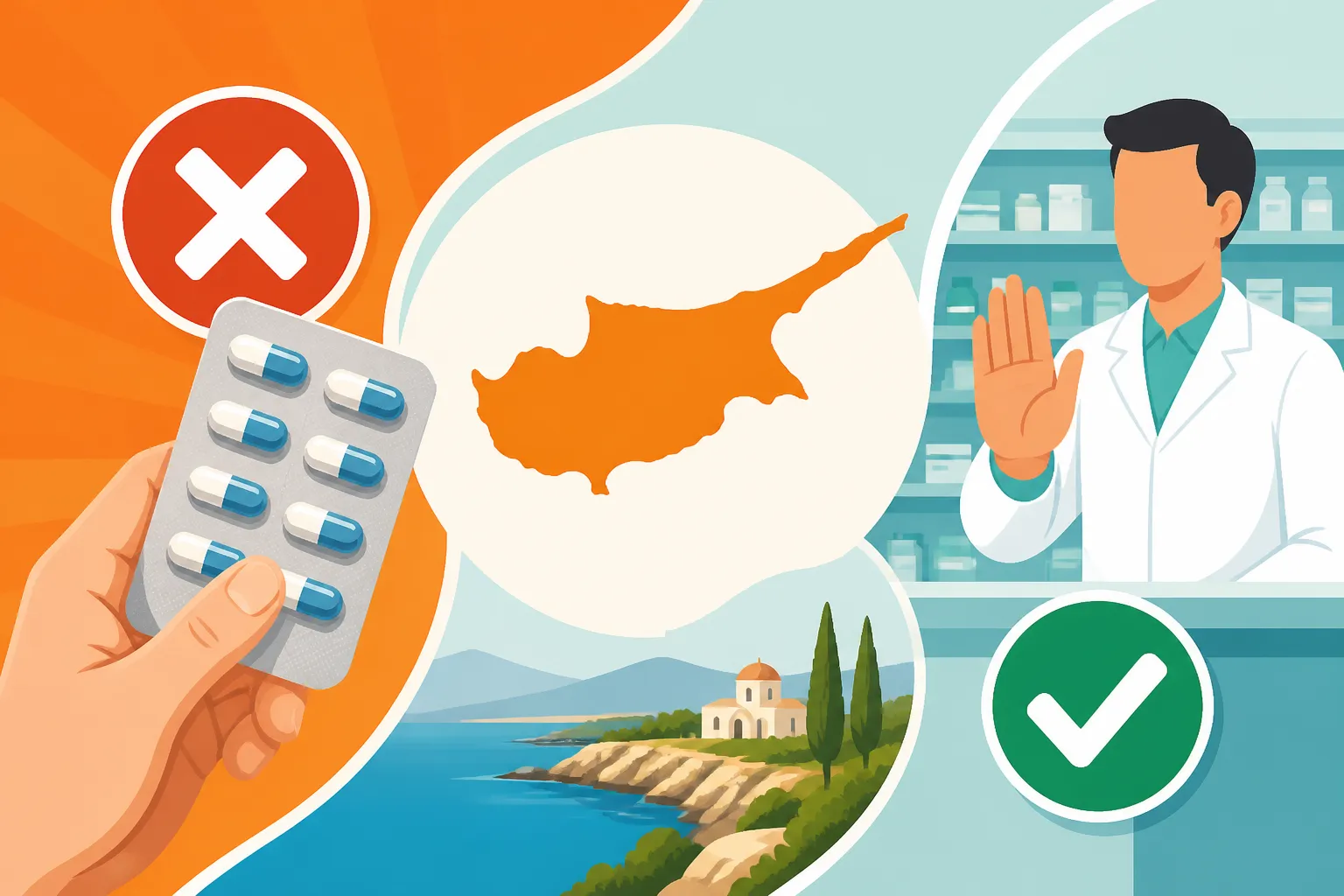
Oh, the age-old question that many of us expats and long-term visitors ask ourselves when we first land on these sunny shores: can you just pop into a pharmacy and grab a packet of antibiotics for that stubborn cough or sudden sore throat, like you might have done back home? If you're coming from a country where over-the-counter antibiotics were commonplace, prepare for a bit of a reality check. The short answer in Cyprus, much like most of the EU, is a resounding no, you cannot buy antibiotics over the counter. This guide is here to walk you through the proper, and frankly, safest, way to obtain these essential medications in Cyprus.
The Reality of Antibiotics in Cyprus – Not So Over-the-Counter
One of the first things you'll quickly learn about the healthcare system here in Cyprus, particularly when it comes to prescription medications, is that it largely adheres to European Union regulations. This means a stricter approach to pharmaceuticals, especially antibiotics. While you might reminisce about the good old days in your home country where a quick chat with the pharmacist might have secured you a course of antibiotics for a perceived bacterial infection, those days are firmly behind you once you're living in or visiting Cyprus.
The "why" behind this isn't just bureaucratic red tape; it's a critical global health concern. The medical community worldwide, including here in Cyprus, is deeply committed to combating antibiotic resistance. This scary phenomenon happens when bacteria evolve and become immune to the very drugs designed to kill them, often exacerbated by the overuse or misuse of antibiotics. If antibiotics are too easily accessible, people tend to self-diagnose, take them unnecessarily for viral infections (which antibiotics can't treat), or stop their course prematurely once they feel better. All these actions contribute to stronger, more resistant "superbugs." Cyprus, and indeed the entire EU, takes this very seriously. Pharmacists are strictly prohibited from dispensing antibiotics without a valid, written prescription from a licensed doctor. They face hefty fines and potential loss of their license if they do. So, if you try to sweet-talk a local pharmacist into handing over some antibiotics, you'll likely be met with a polite but firm refusal, and a recommendation to see a doctor. It can feel frustrating, especially if you're convinced you know what you need, but it's for everyone's long-term health.
How to Legally Obtain Antibiotics in Cyprus
So, if you can't just walk in and buy them, what's the correct procedure? The process is straightforward, albeit requiring a doctor's visit. This ensures you get the right diagnosis and the appropriate medication, at the correct dosage, for your specific ailment.
Seeing a Personal Doctor General Practitioner
For residents registered with the General Healthcare System (GeSY), your first port of call will be your Personal Doctor (GP). This is the cornerstone of the Cypriot healthcare system for everyday medical needs. If you haven't yet registered, I highly recommend you look into Registering with a Personal Doctor (GP) in Cyprus: The Complete Expat Guide (2027) or even How to Register for GeSY (General Healthcare System) in Cyprus (2027) as soon as possible after moving here. It will make your life significantly easier.
Here's how it generally works:
You'll need to call your registered GP's office to make an appointment. Many GP practices in urban areas like Limassol, Nicosia, or Paphos will have English-speaking staff and doctors, making communication much smoother. During your consultation, the doctor will assess your symptoms, ask questions about your medical history, and perform any necessary examinations. This might include taking your temperature, checking your throat, or listening to your chest. Based on their professional assessment, if they determine that your infection is bacterial and requires antibiotics, they will issue you a prescription. This prescription is a physical piece of paper that you'll take to the pharmacy. For GeSY patients, this visit usually only incurs a small co-payment, often just a few euros.
If you're not yet registered with GeSY, or you prefer private healthcare, you can visit a private GP. Most towns and cities have numerous private clinics. You can usually find one by asking for recommendations in expat groups, or by searching online for "English speaking doctor Limassol" or "private clinic Nicosia." The process is similar: make an appointment, get examined, and receive a prescription if necessary. The main difference will be the cost of the consultation, which will be higher than a GeSY co-payment, typically ranging from €40-€80, depending on the doctor and clinic.
Urgent Care and Emergencies
Sometimes, you can't wait for a routine GP appointment. What if you develop a severe infection over the weekend, or late at night? In such cases, you have a couple of options, depending on the severity of your condition.
For urgent but not life-threatening situations, many private hospitals and clinics offer walk-in or urgent care services outside of regular GP hours. Hospitals like Ygeia Polyclinic in Limassol or American Medical Center in Nicosia are well-regarded private facilities where you can often be seen relatively quickly. While these services are more expensive than a GeSY GP visit, they offer prompt access to medical professionals who can diagnose and prescribe. Don't forget that if you have private health insurance, they might cover some or all of these costs, so it’s always worth checking your policy or having a look at Understanding Private Health Insurance Options in Cyprus.
For genuine medical emergencies that could be life-threatening, you should head straight to the Accident & Emergency (A&E) department of a public or private hospital. This is for things like severe breathing difficulties, sudden severe pain, or high fevers that don't respond to other measures. Waiting times at public hospital A&E departments can sometimes be long, especially if your case is not considered critical. If you find yourself needing Emergency Medical Care in Cyprus: What Every Expat Needs to Know, remember that hospitals are equipped to handle these situations. After assessment, if antibiotics are deemed necessary, they will be prescribed and often administered on-site or given with a prescription to fill at the hospital pharmacy. Be aware that even in emergencies, there can be costs involved, as detailed in guides like How Much Does an Emergency Room Visit Cost in Cyprus?.
The Pharmacy Experience
Once you have that all-important prescription in hand, you can visit any pharmacy in Cyprus. Pharmacies are plentiful and easily recognizable by a green or red cross sign, often lit up at night. They operate on a rotation system, meaning there’s usually an emergency pharmacy open in every major area even outside regular business hours. You’ll find the schedule posted on the door of any pharmacy, or you can check online.
When you present your prescription, the pharmacist will review it and dispense the medication. If you are a GeSY beneficiary, you'll need to show your GeSY card or your ID. You will then pay a small co-payment for the prescription, usually €0.50 or €1 per item, for common medications. For certain specialized or expensive drugs, the co-payment might be higher, or it might be fully covered, depending on the medication and your GeSY benefits. This is where Understanding GeSY Co-Payments and Out-of-Pocket Fees in Cyprus really comes in handy. If you’re a private patient, you'll pay the full cost of the medication, which can vary significantly depending on the drug. The pharmacist will also provide clear instructions on how to take the antibiotics, usually verbally and often with a sticker on the box. Don't hesitate to ask if anything is unclear – many pharmacists here speak excellent English. For a broader look at how this works, check out Prescription Medications and Pharmacies in Cyprus: The Complete Guide.
What if You Arrive with an Existing Prescription or Need Travel Insurance?
Dealing with medications when you're moving to a new country or just visiting requires some foresight. What if you're already on a course, or expecting to need antibiotics while abroad?
Foreign Prescriptions
This is a common point of confusion for newcomers. You might arrive in Cyprus with a prescription from your home country, perhaps a doctor's note for a recurrent infection or a leftover supply from a previous illness. Unfortunately, a foreign prescription, whether digital or paper, is generally not valid for obtaining antibiotics in a Cypriot pharmacy. The system here requires a prescription issued by a doctor licensed to practice in Cyprus.
So, if you find yourself needing a refill or new antibiotics while holding a foreign prescription, you will still need to see a local Cypriot doctor. It's always a good idea to bring your original foreign prescription or a detailed doctor's note from your home country. This can provide valuable context to the Cypriot doctor, detailing your medical history, diagnosis, and the specific antibiotic that was previously prescribed. Knowing the generic name of the medication (e.g., amoxicillin instead of a brand name) is particularly helpful, as brand names can differ widely between countries. It helps the local doctor make an informed decision and ensures continuity of care.
If you're just visiting for a short period and anticipate needing antibiotics, it's best to discuss this with your doctor at home before you travel. They might prescribe a standby course for you to carry, ensuring you have what you need, provided it's legal to import into Cyprus for personal use. Always carry medications in their original packaging with the prescription label, just in case customs asks questions.
Travel Health Insurance and Antibiotics
For tourists or short-term visitors, travel health insurance is absolutely crucial. While it won't magically allow you to bypass the prescription requirement, it will cover the costs associated with seeing a doctor and getting that all-important prescription. For example, providers like SafetyWing offer travel medical insurance designed for digital nomads and long-term travelers. If you fall ill and need antibiotics, SafetyWing policies typically cover the consultation fee for a doctor's visit, and then you can claim reimbursement for the cost of the antibiotics themselves, provided they were prescribed by a licensed local doctor. This kind of coverage helps significantly with unexpected medical expenses.
Even if you have basic travel insurance, it's important to understand its terms. Most policies will require you to seek medical attention from a licensed practitioner for a diagnosis and prescription. They won't cover a situation where you just try to buy antibiotics directly from a pharmacy without a doctor's visit. So, whether you use a general travel insurance plan or specialized options like SafetyWing, the process remains the same: see a doctor, get a prescription, then fill it at a pharmacy, and keep all your receipts for claiming reimbursement later. Being prepared with good insurance is key to managing unexpected health issues abroad. For those looking for comprehensive options, researching Understanding Private Health Insurance Options in Cyprus could be beneficial, even for short-term stays, to understand how it applies to various medical needs.
Common Misconceptions and Proactive Measures
Navigating a new healthcare system can be daunting, and there are a few common pitfalls and proactive steps you can take to make the experience smoother.
Self-Diagnosis Dangers
The temptation to self-diagnose and seek a quick fix with antibiotics is strong, especially if you've been doing it for years in your home country. However, it's a practice fraught with danger. Many symptoms, like a sore throat or cough, can be caused by either viral or bacterial infections. Antibiotics are only effective against bacteria. Taking them for a viral infection not only won't help you get better but actively contributes to antibiotic resistance, making those drugs less effective for everyone in the future. Moreover, a doctor can identify serious underlying conditions that might present with seemingly benign symptoms. What you think is a simple cold might be something more serious requiring specific, non-antibiotic treatment. Trust the professionals here; their training and experience are invaluable.
Prevention is Key
While you can't always avoid getting sick, you can certainly take steps to reduce your risk, especially for common infections that might lead you to think about antibiotics. Simple hygiene practices, like frequent hand washing, especially before eating and after being in public places, are incredibly effective. Ensuring you have a balanced diet, staying hydrated, and getting enough rest also boosts your immune system. During flu season, consider getting a flu vaccine. These proactive measures can help you stay healthy and avoid needing that doctor's visit in the first place.
Always Be Prepared
Living abroad means you need to be a little more organised when it comes to your health. Always know where your nearest GeSY GP or private clinic is, and keep their contact details handy. Make sure you have your GeSY card or private health insurance details easily accessible. For minor ailments that don't warrant a doctor's visit, having a well-stocked What Should I Pack in a Home Medical Kit for Cyprus? with basics like painkillers, antiseptic wipes, bandages, and remedies for upset stomachs or allergies is a lifesaver.
Consider the role of insurance even when you're healthy. While SafetyWing is excellent for travel and digital nomads, expats often look at long-term private health insurance plans that complement or act as an alternative to GeSY, depending on their eligibility and preferences. Understanding How Cyprus's Health System Works: GeSY vs Private Explained (2027) will help you choose the best route for your specific situation. Being prepared also means knowing where you can find an English-speaking doctor, particularly in larger cities like Limassol or Nicosia. These small steps can save you a lot of stress and hassle when illness inevitably strikes.
| Step | Under GeSY (Residents) | Private Patient (Residents/Tourists) |
|---|---|---|
| 1. Initial Assessment | Contact your registered Personal Doctor (GP) for an appointment. For emergencies, go to public hospital A&E. | Contact a private GP or clinic for an appointment. For emergencies or urgent care, go to a private hospital's A&E or urgent care center. |
| 2. Doctor's Visit | Present your GeSY card/ID. Doctor examines, diagnoses, and if needed, issues a GeSY prescription. | Pay for the consultation (e.g., €40-€80). Doctor examines, diagnoses, and if needed, issues a private prescription. |
| 3. Pharmacy Visit | Present GeSY prescription and GeSY card/ID to any pharmacy. Pay the GeSY co-payment (e.g., €0.50 – €1 per item). | Present private prescription to any pharmacy. Pay the full cost of the medication. |
| 4. Reimbursement (if applicable) | N/A (co-payments are minimal). | If you have private health insurance (e.g., SafetyWing for travelers), keep your doctor's receipt and pharmacy receipt to claim reimbursement. Refer to How to Claim Reimbursement from Private Insurance in Cyprus. |
| 5. Follow-up | Your GP will advise on follow-up. | Your private doctor will advise on follow-up. |
Disclaimer
The information provided in this guide is for general informational purposes only and does not constitute medical or legal advice. While we strive to provide accurate and up-to-date information, regulations and healthcare practices in Cyprus can change. Always consult with a qualified medical professional for any health concerns and with relevant authorities or legal experts for specific immigration or healthcare registration advice.