How Do I Choose a Private Hospital in Cyprus?
Landing in Cyprus as an expat, you’re often hit with a delightful mix of sunshine, bureaucracy, and the ever-present question: "What do I do if I get sick?" And when it comes to healthcare, navigating the local system, especially choosing a private hospital, can feel like trying to solve a Rubik's Cube blindfolded. This guide is designed to shed light on how to select a private hospital in Cyprus, cutting through the confusion with practical, expat-focused advice.
Why Private Hospitals Anyway? Navigating the Public vs. Private Landscape
Let's be honest, for many of us, the default thought is often about the public system, especially with the General Healthcare System (GeSY) now well-established. But the reality on the ground for expats often means considering private options. It's not always about luxury; sometimes it's about access, language, or simply feeling more comfortable in a system that feels a little more familiar, or at least, a little faster.
GeSY vs. Private: A Quick Reality Check for Expats
When you first arrive, understanding How Cyprus's Health System Works: GeSY vs Private Explained (2027) is crucial. While GeSY offers comprehensive coverage for residents who contribute, the private sector operates alongside it, offering an alternative for those seeking different services or a quicker pace. For routine appointments or specialist referrals, GeSY works, but sometimes the waiting lists can stretch, or perhaps you just prefer a more streamlined experience, especially if you’re used to private healthcare from back home.
Think of it like this: GeSY is your safety net, covering the vast majority of your medical needs, from GP visits to specialist consultations and hospital stays. However, the wait times for certain specialist appointments or non-emergency procedures in the public GeSY hospitals can be significant. This is where private hospitals step in. They often offer immediate appointments, a wider choice of doctors, and a more hotel-like environment. It’s a trade-off between cost, convenience, and speed. For those moments when you're caught between registering for GeSY and needing immediate care, having a private option in mind, possibly covered by comprehensive private health insurance like SafetyWing, can be a real lifesaver.
The Benefits and Drawbacks of Going Private
Choosing a private hospital in Cyprus comes with a distinct set of pros and cons, which every expat should weigh carefully. It’s about more than just money; it’s about what kind of healthcare experience you want and need.
Benefits of Private Hospitals:
- Shorter Waiting Times: This is perhaps the biggest draw. You often get to see specialists much faster than through the GeSY public system. For diagnostic tests like MRI scans or consultations with highly sought-after specialists, private often means days or weeks, not months.
- English-Speaking Staff: While many public sector doctors and nurses speak English, in private hospitals, it's almost a given. This can drastically reduce stress and miscommunication, especially when dealing with complex medical issues.
- Direct Access to Specialists: In the GeSY system, you typically need a referral from your Personal Doctor (GP) to see a specialist. In the private sector, you can often book an appointment directly with a specialist of your choice, though some private insurance plans might still require a GP referral for reimbursement. This gives you more control and faster access to the specific care you need.
- Comfort and Amenities: Private hospitals often boast more comfortable private rooms, better food, and a generally more pleasant environment. While this isn’t always the top priority when you’re unwell, it certainly contributes to a better recovery experience.
- Advanced Equipment and Facilities: Many private hospitals invest heavily in the latest medical technology and facilities, offering a high standard of care.
Drawbacks of Private Hospitals:
- Cost: This is the most significant hurdle. Without adequate private health insurance, the costs can quickly escalate. A simple consultation can be €50-€100, and procedures or overnight stays can run into thousands. Understanding The Cost of Healthcare in Cyprus: A Complete Breakdown for Foreigners (2026) is essential here.
- Insurance Complexity: While private insurance covers many costs, navigating claims and understanding what is and isn't covered can be a headache. It's vital to have a clear understanding of your policy before seeking treatment.
- Emergency Care Nuances: For life-threatening emergencies, public hospitals (especially the larger general hospitals) are often better equipped with comprehensive emergency departments. While private hospitals have emergency services, their capacity and range of services for major trauma or complex critical care might be more limited compared to a large public hospital. It's important to know the nearest emergency room, both public and private.
Many expats choose a hybrid approach: using GeSY for routine check-ups and basic needs, and relying on private hospitals for specialist care where waiting times are a concern, or for more elective procedures, with private insurance to buffer the costs.
Key Factors to Consider When Selecting Your Private Hospital
Choosing the right private hospital isn't just about picking the biggest name on the block. It’s a deeply personal decision that should factor in your specific needs, location, and financial considerations. As an expat, you need to be a bit of a detective, asking the right questions and doing your homework.
Location, Specializations, and Doctor Networks
First things first: proximity. When you're feeling unwell or dealing with a medical issue, you don't want to travel across the island. So, checking out hospitals in your immediate vicinity, whether you're in Limassol, Nicosia, Larnaca, or Paphos, is always a good starting point.
However, don't let location be your only guide. Hospitals often have different strengths. For instance, one might be renowned for its cardiology department, while another excels in orthopaedics or maternity care. If you have a known pre-existing condition or anticipate needing specific specialist care (e.g., you're pregnant, or have a chronic heart condition), research which hospitals and, more importantly, which doctors are specialists in that field. Many highly regarded doctors in Cyprus have affiliations with several private hospitals. Sometimes, finding the right doctor leads you to the hospital, rather than the other way around. Don't hesitate to ask for recommendations from other expats or your personal doctor if you're already registered under GeSY. Getting a good doctor who understands expat needs and speaks your language can make all the difference. You might find invaluable advice on How to Find an English-Speaking Doctor in Cyprus.
Accreditation, Facilities, and Patient Experience
While Cyprus has its own national health regulations, international accreditations for hospitals are less common than in some other countries. However, you can still assess the quality by looking at other indicators:
- Modern Facilities and Equipment: A quick look at a hospital's website or even a virtual tour can give you an idea of its modernity. Are the facilities new and well-maintained? Do they advertise advanced diagnostic equipment? This matters for the quality of care you’ll receive.
- Cleanliness and Hygiene: This is paramount. Visit the hospital if possible, or check online reviews for comments on cleanliness. A hospital that takes hygiene seriously usually indicates a higher standard of care overall.
- Patient Reviews and Reputation: Online forums, expat groups, and even local social media pages can be a goldmine of information. Listen to what other patients are saying about their experiences, waiting times, staff professionalism, and overall satisfaction. While individual experiences vary, patterns can emerge. A hospital with consistently good reviews for patient care, communication, and outcomes is generally a safer bet.
- Staff-to-Patient Ratio: While not always publicly available, a higher staff-to-patient ratio often translates to more attentive care. Pay attention to how busy the reception and waiting areas seem, and how quickly staff respond to queries.
Consider your personal comfort level. If a hospital feels cold and impersonal, even if it's highly rated, it might not be the right fit for you.
Understanding Costs and Insurance Coverage
This is where the rubber meets the road. Private healthcare in Cyprus isn't free, and the costs can be substantial. Before you even step foot in a private hospital, you absolutely need to understand the financial implications.
Key Questions to Ask:
- Cost Estimates: Always ask for an estimated cost for your consultation, tests, or procedure upfront. Hospitals are usually happy to provide this. Don't be shy; it's your health and your wallet.
- Insurance Acceptance: Does the hospital have direct billing agreements with your private health insurance provider? This is incredibly convenient as it means less paperwork and upfront payment for you. If they don't, you'll likely have to pay out-of-pocket and then claim reimbursement, which can take time.
- Policy Coverage: Know exactly what your private health insurance covers. Does it include outpatient visits, specialist consultations, diagnostic tests, physiotherapy, or only inpatient hospital stays? What are the deductibles, excesses, or co-payments? For newcomers or those on short-term visas, flexible international options like SafetyWing can provide crucial initial coverage, but always check their specific terms for Cyprus. Later, you might transition to more comprehensive Understanding Private Health Insurance Options in Cyprus.
- GeSY Integration: If you are a GeSY beneficiary but choosing private, understand that private hospitals generally operate outside the GeSY system for full private services. However, some private doctors who are also registered with GeSY might offer GeSY appointments at their private clinics. It’s a nuanced area, so clarify directly with the doctor’s office.
Here's a simplified table comparing common private services costs (these are approximate and can vary widely by hospital and specific doctor):
| Service Category | Average Private Cost (EUR) | Notes |
|---|---|---|
| GP Consultation | €50 – €80 | Direct payment, no referral needed. Some private insurance might cover this with an excess. |
| Specialist Consultation | €70 – €120 | Direct payment. Some private insurance might require a GP referral for coverage. Prices vary significantly by specialist. |
| Basic Blood Tests | €30 – €100+ | Depends on the number and type of tests. Often bundled with a GP visit or requested by a specialist. |
| X-Ray | €40 – €80 | Per area. |
| Ultrasound Scan | €80 – €150 | Price varies based on the body part being scanned. |
| MRI Scan (single area) | €250 – €450+ | One of the more expensive diagnostic tests. Costs can increase for contrast agents or multiple areas. |
| Minor Surgery (outpatient) | €500 – €2000+ | Highly variable, depends on complexity, anaesthesia, and materials. |
| Overnight Hospital Stay | €200 – €500+ | Per night, excluding doctor's fees, medications, and procedures. |
| Emergency Room Visit (non-life threatening) | €80 – €150 | Initial assessment and basic treatment. Excludes any further tests or procedures. For serious emergencies, Emergency Medical Care in Cyprus: What Every Expat Needs to Know is critical. |
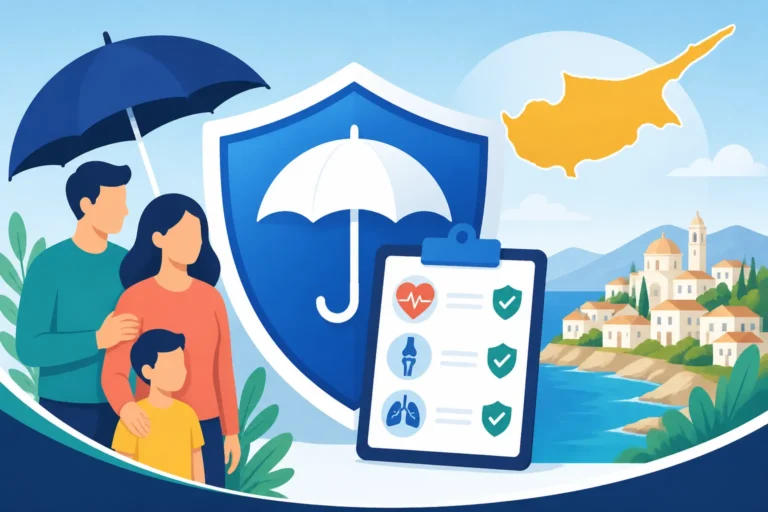
Remember, private insurance is your shield against these costs. Whether it’s a local Cypriot provider or an international plan like SafetyWing, ensure it provides adequate coverage for your expected needs and offers peace of mind. Knowing How to Use Private Hospitals and Clinics in Cyprus effectively can save you money and stress.
Top Private Hospitals in Cyprus: A Local's Perspective
Based on my years here and what I hear from fellow expats, certain private hospitals consistently come up in conversations about quality care and facilities. While this isn't an exhaustive list, it gives you a solid starting point in the main cities.
Private Hospitals in Limassol and Nicosia
Limassol and Nicosia, being the largest cities, naturally host some of the most prominent private medical facilities on the island. These are often the go-to choices for many expats due to their comprehensive services and reputation.
Limassol:
- Ygia Polyclinic Private Hospital: This is probably the most well-known and often the largest private hospital in Limassol. Ygia has a long-standing reputation for offering a wide range of specialist services, advanced diagnostic capabilities, and numerous resident doctors across almost all medical fields. Expats often praise its modern facilities and efficiency. It’s typically a one-stop-shop for many medical needs, from general surgery to paediatrics and cardiology. Many of the doctors practicing here are highly experienced, often having trained or worked abroad. If you're based in Limassol, Ygia is definitely one to consider for its breadth of services.
- Mediterranean Hospital of Cyprus: Another significant player in Limassol, the Mediterranean Hospital is also highly regarded. It focuses on providing a full spectrum of medical services with a patient-centric approach. They are known for their state-of-the-art operating theatres and intensive care units. Many expats find the atmosphere here professional and the staff attentive. Like Ygia, it attracts a good network of English-speaking specialists.
Nicosia:
- Apollonion Private Hospital: In the capital, Apollonion stands out as a leading private hospital offering extensive medical and surgical services. It’s often cited for its modern infrastructure and highly qualified medical teams. They cover everything from general medicine and surgery to specialized areas like orthopaedics, gynaecology, and urology. Many international residents in Nicosia often choose Apollonion for its comprehensive care.
- American Medical Center (AMC): AMC has a strong reputation, particularly for its specialized departments, including its heart centre and oncology services. It’s known for its advanced technology and a strong emphasis on providing care that aligns with international standards. Many expats feel comfortable here due to its modern approach and clear communication. The AMC also tends to attract doctors who have significant international experience.
- Aretaeio Hospital: Another prominent private hospital in Nicosia, Aretaeio offers a full range of medical and surgical specialties. It has a strong focus on patient comfort and uses up-to-date medical equipment. It's often chosen for its friendly environment and skilled medical professionals.
When considering these hospitals in Limassol and Nicosia, it’s worth checking their websites for specific departments or doctors you might be interested in. Many will list their affiliated doctors and their specialities, allowing you to research their backgrounds and patient reviews.
Options in Larnaca and Paphos
While Limassol and Nicosia boast the largest hospitals, Larnaca and Paphos also have excellent private options, albeit often on a slightly smaller scale. These are vital for expats living in these regions, ensuring quality healthcare is never too far away.
Larnaca:
- St. Raphael Private Hospital: This hospital is a key private facility in Larnaca, offering a range of general and specialized medical services. It’s known for its commitment to patient care and often provides a more personal touch due to its size compared to the larger polyclinics in Limassol or Nicosia. Expats in Larnaca frequently rely on St. Raphael for their private medical needs.
- Tsimiklis Clinic: While perhaps not a full-scale hospital, smaller clinics like Tsimiklis Clinic (and others similar to it in Larnaca) often offer excellent specialist services, especially for outpatient consultations, diagnostics, and minor procedures. It's common for expats to visit such clinics for particular doctors or for services not requiring extensive hospital admission. This can be a great way to access quick, expert care without the full hospital experience.
Paphos:
- St. George's Private Hospital: St. George's is the most established and comprehensive private hospital in Paphos. It provides a wide array of medical and surgical treatments, including a well-regarded maternity unit and general surgery. For many expats living in the Paphos district, St. George’s is the primary choice for private healthcare, often praised for its professional staff and a significant number of English-speaking doctors. They also have a good reputation for their emergency department, which offers a reliable alternative to the public general hospital for non-life-threatening emergencies.
- Elias Hospital: Another good option in Paphos, Elias Hospital offers various medical services with a focus on delivering personalised care. While smaller, it plays an important role in the local private healthcare landscape, particularly for those seeking specific specialist consultations or diagnostic services.
For all these hospitals, it's always a good idea to cross-reference information, especially regarding specific doctors, their availability, and if they accept your particular private health insurance. Whether you are covered by an employer's plan or a private policy like SafetyWing, understanding the billing process upfront can prevent unwelcome surprises down the line. Remember, finding a good private hospital isn't just about the building; it's about the experienced doctors and supportive staff within its walls.
Disclaimer
Please note that the information provided in this guide is for general informational purposes only and does not constitute medical, financial, or legal advice. Healthcare systems, regulations, and costs in Cyprus can change, and individual circumstances vary greatly. It is always recommended to consult with a qualified healthcare professional, an insurance provider, or a legal/financial expert for advice tailored to your specific situation. While efforts are made to keep information current, the author and publisher are not responsible for any inaccuracies or outdated information. Always verify details with official sources and healthcare providers directly.