How to Find an English-Speaking Doctor in Cyprus
Moving to a new country like Cyprus often means dealing with a cascade of administrative hurdles, and finding a good doctor who speaks your language can feel like searching for a needle in a haystack, especially when you're feeling under the weather or navigating an unfamiliar healthcare system. It's not just about finding a doctor; it's about finding one you can trust, communicate with effectively, and who understands your specific needs as an expat. This comprehensive guide will walk you through exactly how to locate and connect with English-speaking medical professionals across the island, making your transition to Cypriot healthcare much smoother.
Decoding the Cypriot Healthcare Landscape: GeSY vs Private
Before you even start looking for a doctor, it's crucial to understand the two main pillars of the Cypriot healthcare system: the General Healthcare System (GeSY) and the private sector. Your status within these systems will significantly influence your search for an English-speaking doctor, and frankly, it can be a bit of a labyrinth to figure out which path is best for you. Many expats arrive feeling overwhelmed by the choices, and rightly so – it's a completely different setup from what many of us are used to!
Understanding GeSY and Doctor Selection
GeSY, or the General Healthcare System, is Cyprus's national healthcare scheme, aiming to provide universal access to medical care for all legal residents. If you're employed, self-employed, or a permanent resident in Cyprus and contributing to social insurance, chances are you'll be eligible for GeSY. The system is designed to be comprehensive, covering everything from GP visits and specialist consultations to hospital care and prescription medications, usually for a nominal co-payment.
However, choosing a doctor under GeSY requires a specific process. You're expected to register with a Personal Doctor (GP), who acts as your first point of contact and gatekeeper to specialist services. While the GeSY system has a directory, it doesn't always clearly flag doctors' language proficiencies, which can be a real headache for us expats. You might find a GP listed near you, but then discover during your first visit that their English is limited, leading to frustrating misunderstandings. This is why a proactive search strategy is so vital, rather than just picking the first name on the list.
Navigating the Private Healthcare Sector
The private healthcare sector in Cyprus operates independently of GeSY and offers a different experience. Many expats, particularly those with comprehensive private health insurance or those who prefer more choice and potentially shorter waiting times, opt for private doctors. The cost, of course, is higher, but it often comes with the benefit of easier direct access to specialists and a wider selection of doctors, many of whom are highly trained abroad and have excellent English proficiency.
If you're not yet eligible for GeSY, or if you're on a short-term visa or visiting, the private sector will be your primary port of call. Even for those covered by GeSY, seeking private care for specific needs or second opinions is common. This is especially true if you're relying on travel medical insurance like SafetyWing during your initial relocation phase, as they typically cover acute medical needs through private clinics. Finding an English-speaking doctor in the private sector often feels more straightforward because private clinics and hospitals are generally more attuned to the needs of the international community and often advertise their doctors' language skills more openly.
Initiating Your Search for English-Speaking Doctors
When you're new to Cyprus, the first few weeks or months can be a whirlwind of settling in, and medical concerns often don't become urgent until, well, they become urgent. It's far better to have a doctor in mind before you actually need one. Trust me, trying to Google "doctor near me" with a fever and a language barrier is an experience no one wants.
Leveraging Expat Networks and Online Forums
One of the most reliable ways to find English-speaking doctors in Cyprus is through word-of-mouth recommendations from other expats. We've all been there, asking around for "that good doctor who actually explains things." Online expat groups on platforms like Facebook are a goldmine for this. Search for groups like "Expats in Limassol," "Paphos Expats," or "Cyprus Expats Forum." Post a query asking for recommendations for English-speaking GPs, pediatricians, or specialists in your area. You'll often receive a flood of suggestions, personal anecdotes, and even direct contact details.
Beyond Facebook, there are also dedicated online forums and websites catering to the expat community in Cyprus. These platforms often have threads or sections where people share their experiences with local doctors and clinics. These informal networks provide invaluable insights that you won't find on official government websites. Just remember to take all advice with a grain of salt, as personal experiences can vary, and what works for one person might not be the best fit for another. Still, it's an excellent starting point for building a shortlist of potential medical professionals.
Exploring Official Directories and Clinic Websites
Once you have a few recommendations from expat groups, or if you prefer a more formal search, official directories and individual clinic websites are your next stop. The Ministry of Health or the Health Insurance Organisation (HIO) might have online portals where you can search for registered GeSY doctors. While these don't always explicitly state language proficiencies, they often list the doctor's name, specialty, and contact information. You can then cross-reference these names with your expat recommendations or use them as a basis for direct inquiry.
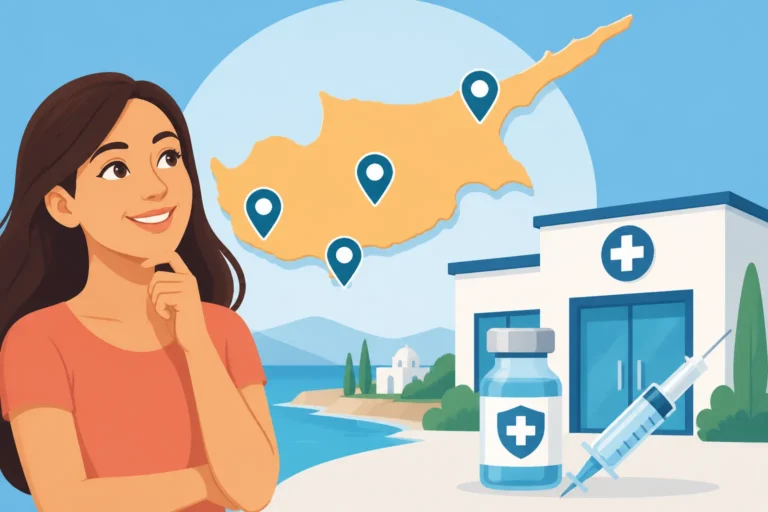
Many private clinics and hospitals, especially in larger cities like Limassol, Nicosia, and Paphos, have professional websites that detail their doctors' qualifications, specialties, and often, their language skills. For instance, well-known private hospitals such as Ygia Polyclinic in Limassol, Apollonion Private Hospital in Nicosia, or Blue Cross Medical Centre in Paphos typically feature profiles of their medical staff. Look for "Meet Our Team" or "Our Doctors" sections. These websites are often available in English, making the search much easier. Don't hesitate to directly contact these clinics and ask about English-speaking doctors; their reception staff are usually quite helpful.
Distinguishing Between Public and Private Medical Professionals
The choice between a GeSY (public) doctor and a private one is a significant decision for many expats. Each path has its own set of advantages and challenges, especially when it comes to finding medical staff who speak English fluently and understanding the associated costs and processes.
English Proficiency in GeSY Doctors
Generally, many GeSY doctors, particularly the younger generation who trained abroad, do speak a good level of English. However, it's not universally guaranteed, and sometimes the level of fluency might not be sufficient for complex medical discussions. This is where the initial hunt can get tricky. You might find a GeSY GP's office that's super convenient, only to discover a communication barrier that makes you feel uneasy about your care.
When choosing a GeSY Personal Doctor (GP), you're essentially registering with them for ongoing care. If you're struggling to find an English-speaking one, don't be afraid to make a few phone calls or even visit a few clinics to gauge the doctor's English proficiency before committing. Sometimes the receptionists, who are often fluent, can also help bridge the gap, but for your direct consultation, you'll want clear communication. For a detailed walkthrough of this process, check out our guide on Registering with a Personal Doctor (GP) in Cyprus: The Complete Expat Guide (2027). The GeSY system is fantastic for its affordability and comprehensive coverage, but it does require a bit more legwork from you to ensure a good linguistic fit. Remember, you can always change your GeSY GP if the initial choice doesn't work out.
The Advantage of Private Doctors for English Speakers
In the private sector, finding an English-speaking doctor is generally much easier. Private clinics and hospitals actively cater to Cyprus's large international population, meaning many of their doctors, nurses, and administrative staff are fluent in English. This is particularly true for specialties where expats frequently seek care, such as general practitioners, dentists, gynecologists, and pediatricians.
The trade-off, of course, is cost. Without GeSY coverage, private consultations, tests, and treatments will be out-of-pocket. This is where private health insurance becomes incredibly valuable. If you're new to the island or only here temporarily, solutions like SafetyWing provide travel medical insurance that can cover unexpected illnesses or injuries, allowing you to access private English-speaking doctors without a huge financial burden. Many expats find the peace of mind knowing they can walk into a private clinic, be understood immediately, and receive prompt care well worth the investment, especially if their GeSY eligibility is still pending or if they're simply seeking more direct access to specialists. Understanding How to Use Private Hospitals and Clinics in Cyprus can help you navigate these options.
Practical Steps to Finding and Registering with a Doctor
Once you've done your initial research and shortlisted a few potential English-speaking doctors, it's time to take practical steps to secure your medical care. The process varies slightly depending on whether you're going the GeSY route or opting for private care. However, the core principle remains: proactive communication is your best friend.
For GeSY Patients: Registration and First Appointments
If you're eligible for GeSY, your first step is to register with a Personal Doctor (GP). This can often be done online via the GeSY portal, or by visiting the doctor's clinic directly. On the GeSY portal, you might see a list of available GPs in your area. While it won't explicitly say "English-speaking," you can often infer from the doctor's name or clinic location (e.g., in expat-heavy areas like Limassol Marina or Universal area in Paphos) that they might have international patients.
Before formally registering, it's highly recommended to call the clinic or even pop in to confirm the doctor's English proficiency. Explain that you're an expat looking for a new GP and that clear communication in English is important to you. The reception staff can usually confirm this. Once you've chosen and registered, booking your first appointment is straightforward, usually by phone or sometimes through an online booking system provided by the clinic. When you go for your first visit, remember to bring your ARC (Alien Registration Card) or Yellow Slip, your GeSY patient number, and any relevant medical history. For a more detailed guide on the registration process, refer to How to Register for GeSY After Moving to Cyprus.
For Private Patients: Direct Access and Insurance
For private patients, the process is generally simpler and more direct. You don't need to formally "register" with a GP in the same way as with GeSY. Instead, you can directly contact any private clinic or hospital that has an English-speaking doctor in the specialty you need. Many expats find this flexibility appealing, as it allows them to choose a doctor based solely on reputation, language, and specialty without being tied to a specific system.
When booking your appointment, clearly state that you're a private patient. If you have private health insurance, mention this upfront and inquire about their direct billing arrangements with your insurer. Some clinics have agreements with international insurance providers, which can save you the hassle of paying upfront and claiming reimbursement later. If your insurance doesn't have direct billing, be prepared to pay at the time of your appointment and then submit the invoice to your insurer for reimbursement. This is particularly important for newcomers using travel medical insurance like SafetyWing, which typically works on a "pay and claim" basis for outpatient visits. Always keep detailed records of your appointments, diagnoses, and payments. If you're curious about different coverage options, you might find our article on Understanding Private Health Insurance Options in Cyprus useful.
Key Considerations When Choosing Your Doctor
Finding an English-speaking doctor isn't just about language; it's about finding the right fit for your healthcare needs. There are several factors to weigh, ensuring that you feel comfortable and confident in your medical care in Cyprus.
Specialization and Experience
While a good English-speaking GP is essential, you'll also need to consider specialists at some point. Perhaps you have a chronic condition, or need a pediatrician for your children, or an OB-GYN. When seeking specialists, whether through GeSY referral or privately, again, language proficiency is paramount. Many specialist doctors in Cyprus, particularly those in fields like cardiology, dermatology, or orthopedics, have trained extensively in the UK, Europe, or the US and are fluent in English.
Look for doctors with specific certifications or experience in areas relevant to your health needs. For instance, if you have a child, finding an English-speaking pediatrician who is compassionate and experienced with expat families can make a huge difference. Similarly, if you have complex medical history, finding a specialist who can dedicate time to understanding your background is crucial. Don't be shy about asking clinics about the doctor's background and experience. In Cyprus, like anywhere else, doctors often have specific niches, and finding someone who aligns with your specific needs will lead to better care.
Location and Accessibility
Cyprus might be small, but getting around without a car can be a challenge, especially if you're feeling unwell. When choosing a doctor, consider the clinic's location and its accessibility from your home or workplace. Is it easily reachable by public transport if you don't drive? Are there convenient parking options? For regular check-ups or routine appointments, a local doctor is often the most practical choice.
However, for specialist appointments or hospital visits, you might need to travel further, possibly to one of the larger cities like Limassol or Nicosia, where there's a higher concentration of medical facilities and English-speaking professionals. For example, if you live in a more rural area of Paphos, you might find that the best English-speaking dermatologist is actually in Limassol. Weigh the convenience of a nearby doctor against the benefits of a highly recommended, English-speaking professional who might be a bit further away. This is where a bit of planning can save you a lot of hassle down the line.
Clinic Environment and Doctor-Patient Relationship
Beyond language and location, the overall clinic environment and your personal connection with the doctor are incredibly important. Do you feel comfortable and respected in the clinic? Is the staff friendly and efficient? These factors contribute significantly to your overall healthcare experience. For expats, a welcoming environment where you feel understood can alleviate a lot of the stress that comes with navigating a new healthcare system.
The doctor-patient relationship itself is paramount. You need to feel that your doctor listens to you, answers your questions thoroughly, and involves you in decisions about your health. Don't underestimate the importance of bedside manner and empathy, especially when you're far from your usual support system. If you don't feel a good connection with your first chosen doctor, whether GeSY or private, remember you have the right to seek a different one. It's your health, and feeling confident in your medical team is non-negotiable.
Managing Medical Emergencies with Language Barriers
Even with a chosen English-speaking GP, medical emergencies can happen suddenly, and it's essential to know how to navigate them, especially if you encounter a language barrier when every second counts.
Emergency Services and Initial Contact
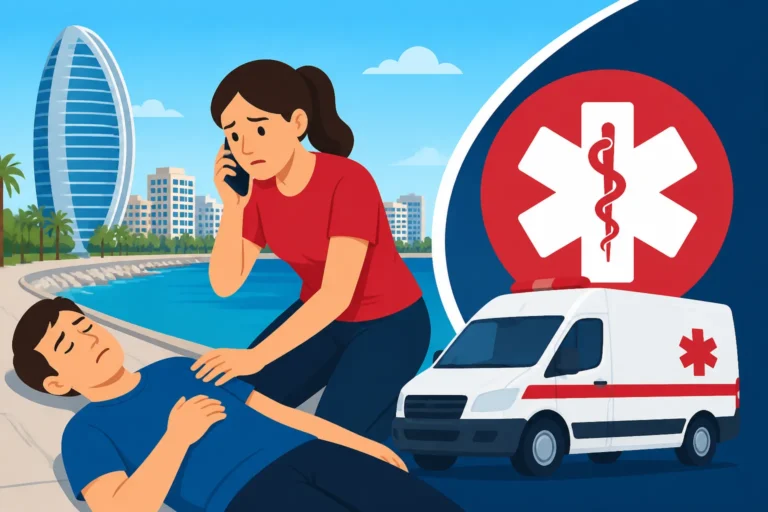
In Cyprus, the universal emergency number is 112, which connects you to ambulance, police, and fire services. When you call, state "Emergency" and specify "Ambulance" if medical help is needed. While many operators speak English, try to clearly and calmly state your location (address, nearest landmark) and the nature of the emergency. If you can, have someone with you who speaks Greek to assist, but don't delay calling if you're alone. The paramedics and emergency room staff at major hospitals often have some English proficiency, but it can vary.
If you or someone you're with is in a serious, life-threatening situation, don't hesitate. Call 112 immediately. For less critical but urgent situations, a visit to a private clinic's accident and emergency department might be a quicker option if you have private insurance or are prepared to pay. These departments are generally more equipped to handle international patients and often have staff specifically trained for English communication. Knowing your options for Emergency Medical Care in Cyprus: What Every Expat Needs to Know is crucial.
Hospitals and English-Speaking Staff
Cyprus has both public (GeSY) and private hospitals. Public hospitals, while offering comprehensive care, can sometimes have longer waiting times and varying levels of English proficiency among all staff, especially outside of major city centers. However, doctors at these hospitals are generally highly qualified, and many have trained internationally.
Private hospitals, as mentioned earlier, often have a higher proportion of English-speaking doctors, nurses, and administrative staff. If your emergency allows for a choice, and your insurance covers it (like SafetyWing for acute situations), heading to a private hospital's A&E might be preferable for quicker, more direct communication. Major private hospitals in Limassol, Nicosia, and Paphos are accustomed to treating international patients. Always carry a copy of your health insurance details (GeSY patient number or private insurance card) and any important medical information (allergies, current medications) with you. It can be a lifesaver for effective communication during a stressful time.
Beyond the Doctor's Office: Pharmacies and Support
Your healthcare journey doesn't end with seeing the doctor. Understanding how to get prescriptions filled, finding mental health support, and simply being informed about local health matters are all part of settling in.
Understanding the Pharmacy System
Pharmacies in Cyprus are well-stocked and pharmacists are highly trained professionals, many of whom speak excellent English. You'll find them easily recognizable by the green cross sign. For GeSY patients, prescriptions issued by a GeSY doctor are electronically sent to the pharmacy, and you'll only pay a small co-payment for most medications. For private prescriptions, you'll pay the full price.
If you have a foreign prescription, a Cypriot doctor will need to issue a local prescription for you. Many common over-the-counter medications are available, but always ask the pharmacist if you're unsure. They are a fantastic resource for minor ailments and can often recommend suitable non-prescription remedies. Don't be afraid to ask for advice; they're usually very helpful. Getting familiar with Prescription Medications and Pharmacies in Cyprus: The Complete Guide will save you many trips.
Mental Health Services and English Support
Moving abroad, while exciting, can also be challenging, leading to stress, anxiety, or feelings of isolation. Thankfully, mental health awareness is growing in Cyprus, and you can find English-speaking therapists, psychologists, and psychiatrists, particularly in the larger cities. These services can be accessed privately or, in some cases, through referral from a GeSY GP to a public mental health clinic.
If you're looking for private mental health support, again, expat groups and online directories are great starting points. Many professionals advertise their services online, specifying their language capabilities. Don't hesitate to reach out if you're struggling; there's a strong network of support available. Being informed about How to Access Mental Health Services in Cyprus as an Expat is a vital part of your overall wellbeing here.
Continuous Health Management and Local Resources
Living in Cyprus also means understanding local health risks, vaccination schedules for children, and general wellness practices. Staying informed about public health campaigns, such as flu jabs, is important. For children, Understanding Childhood Vaccination Schedules in Cyprus is crucial for their integration into local schools.
The expat community often shares information on local resources for health and wellbeing, from fitness classes and healthy eating tips to support groups. Don's dismiss the value of these local connections for your holistic health. Integrating yourself into the community and actively seeking out information will empower you to manage your health effectively and confidently in your new home.
| Resource Type | Best For | English Proficiency | Typical Cost | How to Find |
|---|---|---|---|---|
| Expat Facebook Groups | Peer recommendations, specific questions | High (community-based) | Free (for advice), doctor costs vary | Search "Expats in City/Cyprus" |
| Private Clinic Websites | Direct search, doctor profiles, specialties | Generally High | Private fees, covered by private insurance | Google "Private clinic City Cyprus" |
| GeSY Portal / HIO | Official GeSY GP list, registration | Variable | Low co-payments (for GeSY eligible) | healthservices.gov.cy (requires registration) |
| Word-of-Mouth | Trusted local insights from friends/colleagues | High (personal referral) | Doctor costs vary | Ask your expat network |
| Online Directories | Broad search for professionals in various fields | Variable | Doctor costs vary | General search engines, local business listings |
Disclaimer
The information provided in this guide is intended for general informational purposes only and does not constitute medical, legal, or professional advice. While we strive to provide accurate and up-to-date information, circumstances and regulations in Cyprus can change. Always consult with a qualified healthcare professional, legal expert, or relevant government authority for advice tailored to your specific situation. We recommend verifying all information with official sources before making any decisions.