Understanding Sick Leave Entitlements in Cyprus
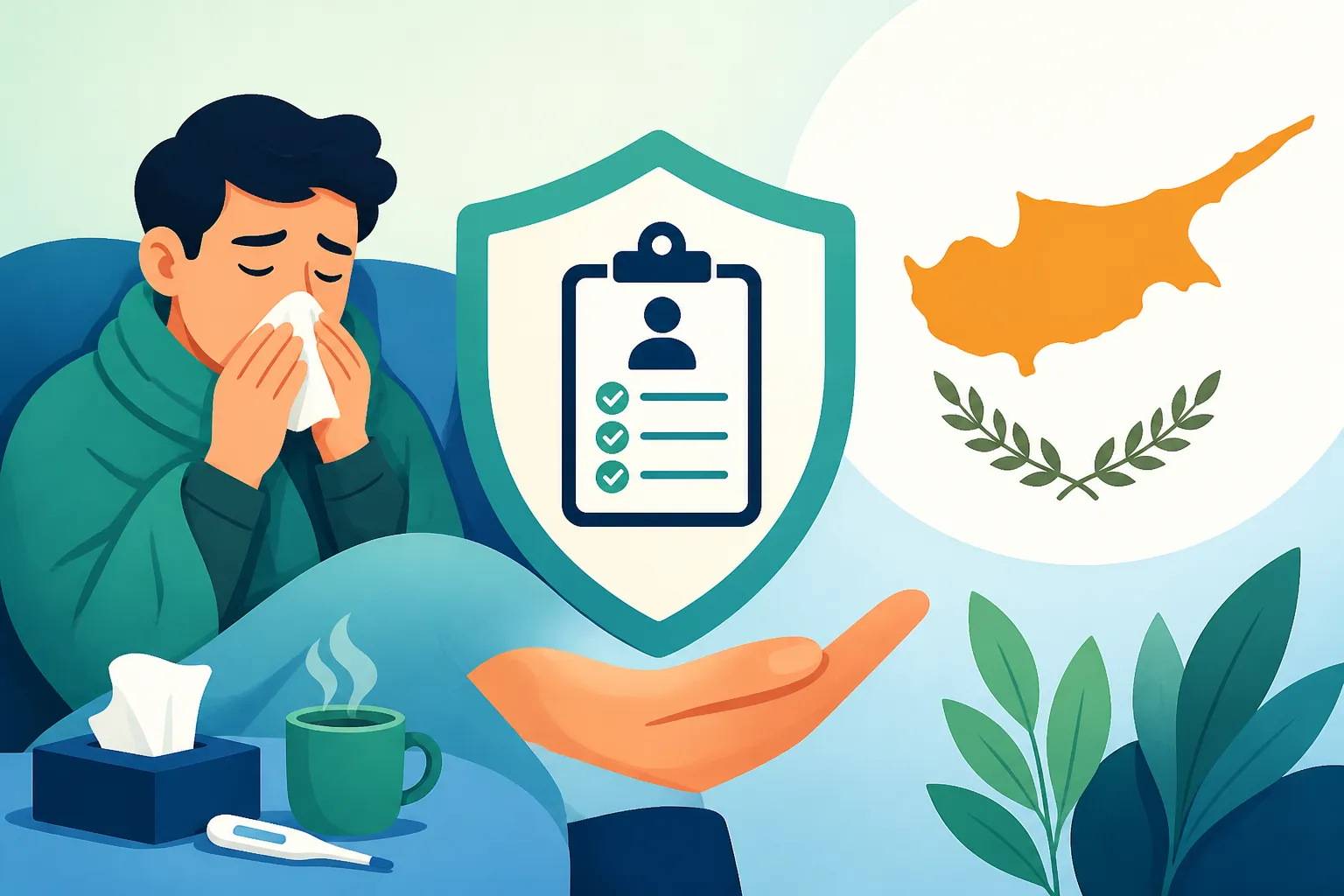
It's an unfortunate truth that even in paradise, the sniffles, a nasty flu, or something more serious can strike. When you're an expat in Cyprus, getting sick isn't just about feeling unwell; it also brings a whole new layer of worry about work, income, and navigating an unfamiliar system. This guide will meticulously break down everything you need to know about sick leave entitlements in Cyprus, validating the common frustrations and giving you the realistic, step-by-step information you need to feel secure.
The Foundations of Sick Leave in Cyprus for Expats
Navigating sick leave in a new country can feel like trying to solve a puzzle with half the pieces missing. Many expats arrive in Cyprus, settle into a job, and only then start to wonder what happens if they fall ill. Unlike some countries where employers are solely responsible for sick pay, Cyprus operates on a system primarily backed by the Social Insurance Services, meaning understanding your contributions and eligibility is absolutely key.
Who Qualifies for Sickness Benefit?
First things first: eligibility. The Cypriot social insurance system is generally quite robust, but it’s not instantaneous. To be eligible for sickness benefit, you primarily need to be an employed person or a self-employed person who has made the necessary social insurance contributions. This is where many newcomers get caught out – you don't automatically qualify from day one.
Typically, you need to have:
- Paid or credited contributions equal to at least 26 weeks, and
- Actual paid contributions equal to at least 20 times the weekly amount of the basic insurable earnings for the second contribution year preceding the benefit year, with the sum of these contributions not being less than 70% of the minimum weekly insurable earnings for the same year.
- An actual paid contribution for the relevant contribution year, which must not be less than 20 times the weekly amount of basic insurable earnings.
Confusing, right? This is the technical jargon directly from the Social Insurance Services. In simpler terms, it means you need to have been contributing for a significant period before you can claim. For most employed expats, this means you need to have been working legally and having social insurance deducted from your salary for a good few months. Self-employed individuals need to ensure they are diligently making their own contributions. If you're wondering about your contributions, you can always contact the Social Insurance Services or check your payslips, which should clearly show the deductions. It's crucial to understand Understanding Social Insurance and Payroll Deductions for Employees in Cyprus because these deductions are your lifeline for such benefits.
The Role of the Social Insurance Services Department
The Social Insurance Services Department, part of the Ministry of Labour, Welfare, and Social Insurance, is the central pillar of sick leave entitlements in Cyprus. They are the ones who administer the Sickness Benefit. This isn't a company-specific benefit you get from your boss (though some employers do offer supplemental sick pay, which we'll discuss later); this is a state-funded system designed to provide income support when you're unable to work due to illness.
Their role involves:
- Assessing eligibility: Based on your social insurance contribution history.
- Calculating benefits: Determining the amount you'll receive based on your insurable earnings.
- Processing payments: Ensuring you receive your benefit payments if your claim is approved.
This means that while your employer might give you a "sick note" form or a letter for your doctor, the actual decision-making and payment come from the government department. Many expats find this a bit cumbersome compared to systems where employers handle everything, but it also provides a level of security that isn't tied directly to your employer's policies. For a holistic view, it's worth understanding The Complete Guide to Healthcare in Cyprus for Expats (2027), as sick leave is intrinsically linked to your health system access.
Unpacking Sickness Benefit Calculations and Duration
Once you've navigated the initial eligibility maze, the next big questions are "How much will I get?" and "For how long?". These aren't trivial questions, especially when you're budgeting and facing potential loss of income. The Cypriot system aims to provide a safety net, but it’s important to manage your expectations regarding the amount and duration of these benefits.
How Your Benefit Amount is Determined
The sickness benefit amount is directly linked to your insurable earnings – essentially, the portion of your income on which social insurance contributions are calculated. It's not a direct replacement for your full salary, which can be a shock for some expats used to more generous company sick pay schemes in other countries.
The benefit is typically calculated as a percentage of your average weekly insurable earnings during the relevant contribution year. There's a basic benefit and an additional benefit, and the total amount is influenced by whether you have dependents (spouse, children).
For example, for 2024, the basic weekly insurable earnings for employees are capped. The benefit is often around 60% of your average weekly insurable earnings, with potential increases for dependents. This means if you earn significantly above the insurable earnings ceiling, your benefit won't reflect your full salary. It's a flat rate up to a certain point. This can be a major point of frustration for higher-earning expats who suddenly find their income significantly reduced during extended sick leave. It highlights the importance of understanding your take-home pay and what deductions like social insurance mean for your future.
Here's a simplified overview of how benefit amounts might vary based on your family situation:
| Family Status | Basic Benefit (Approx. % of Insurable Earnings) | Additional Benefit (Per Dependant) | Example (Hypothetical Max. Weekly Benefit) |
|---|---|---|---|
| Single Person | 60% | N/A | €250 |
| Married Couple (Spouse Dependant) | 60% + 10% for spouse | N/A | €290 |
| Married Couple with 1 Child | 60% + 10% for spouse + 10% for child | €10 | €330 |
| Single Parent with 1 Child | 60% + 10% for child | €10 | €290 |
Note: These percentages and amounts are illustrative and subject to change by the Social Insurance Services. Always refer to the official rates for the current year.
Navigating Waiting Periods and Maximum Entitlements
One of the most crucial aspects to grasp is the waiting period. Unlike immediate sick pay in some systems, in Cyprus, sickness benefit typically starts from the fourth day of your incapacity for work. This means you will not receive a benefit for the first three days you are sick. For short illnesses, this can mean you might not receive any state benefit at all, making personal savings or supplemental employer-provided sick pay vital.
The maximum duration for which sickness benefit can be paid is also capped. Generally, it's paid for up to 156 days (26 weeks) for the same illness. If the incapacity continues beyond this, you might then be assessed for Invalidity Pension, which is a different type of long-term benefit for permanent or long-term disability.
This waiting period and maximum duration mean that expats need to think ahead. If you're new to the island and haven't built up sufficient social insurance contributions, or if you're hit with a very short illness, you might find yourself without income for those initial days. This is where having some form of private income protection or robust travel and health insurance might come in handy. For instance, some expats choose plans from providers like SafetyWing to bridge any initial gaps in state coverage, especially if they are new to the country or traveling frequently, as their plans often offer coverage for unforeseen medical emergencies and even some aspects of temporary disability. It’s always good to have a backup plan, particularly when first settling in and your social insurance record is still building up.
The Practical Steps to Claiming Sick Leave Payments
So, you're sick, you've met the eligibility criteria (or you think you have), and you've understood the calculation. Now comes the practical part: actually making a claim. This process requires a bit of paperwork and interaction with both your doctor and the Social Insurance Services. While it might seem daunting, breaking it down into steps makes it much more manageable.
Obtaining Your Medical Certificate and Doctor's Role
The first and most critical step when you fall ill and need to claim sick leave is to visit a doctor. This isn't just for diagnosis and treatment; it's to get the official documentation that proves your incapacity for work.
Your Personal Doctor (GP), especially if you're registered under GeSY, is your primary point of contact. They will examine you and issue a Medical Certificate of Incapacity for Work (often referred to simply as a "sick note" or "medical certificate"). This certificate is vital as it will state:
- The nature of your illness or injury.
- The date your incapacity began.
- The estimated duration of your incapacity.
It's absolutely crucial that this certificate is filled out correctly and completely by your doctor. Any omissions or errors could delay your claim. Make sure your doctor includes all necessary details, especially your full name, ID/ARC number, and the specific dates you are unable to work. Don't be afraid to ask for clarity if anything seems unclear. For comprehensive guidance on this, our article How to Get a Sick Note from a Doctor in Cyprus is an invaluable resource. If you're yet to register with a GP, you'll need to sort that out quickly, and our guide on Registering with a Personal Doctor (GP) in Cyprus: The Complete Expat Guide (2027) can walk you through it.
Submitting Your Application and Essential Documents
Once you have your medical certificate, the next step is to submit your application to the Social Insurance Services. You usually need to complete a specific application form, often referred to as 'έντυπο αίτησης για επίδομα ασθενείας' (application form for sickness benefit).
Here's what you'll typically need to submit:
- Completed Application Form: These can often be downloaded from the Social Insurance Services website or obtained from their district offices.
- Original Medical Certificate of Incapacity for Work: This is non-negotiable. Keep a copy for your records.
- Your Alien Registration Card (ARC) or ID card: Proof of identity and residency.
- Bank account details: For direct deposit of benefits.
You should submit your application as soon as possible after receiving your medical certificate, usually within a short timeframe (e.g., within 21 days from the first day of incapacity). Delays can lead to your claim being rejected or delayed. You can submit these documents in person at your nearest Social Insurance District Office or, in some cases, via registered post or electronically if such a system is available. Always verify the most current submission methods directly with the department. It is an administrative process that requires patience, similar to understanding How to Register for GeSY (General Healthcare System) in Cyprus (2027), which is another essential step in your expat life.
Understanding Your Employer's Obligations and Your Rights
While the state-run Social Insurance system is the primary provider of sickness benefits in Cyprus, your employer also has certain responsibilities. This can sometimes be a grey area for expats, especially when differentiating between statutory sick pay and any additional benefits offered by their company.
Differentiating Between Employer and State Sick Pay
In Cyprus, it's important to understand that there's no legal obligation for employers to provide company sick pay for the initial days of absence or to top up state benefits to your full salary. The state's sickness benefit, as discussed, usually starts from the fourth day of incapacity.
However, many employers, particularly larger companies or those with more progressive policies, do offer supplemental company sick pay. This might cover:
- The first three days of your absence (the waiting period for state benefit).
- A top-up to your state benefit, ensuring you receive a percentage closer to your full salary.
- A company-specific sick leave policy that might be more generous than the state system.
It is absolutely crucial to clarify your employer's specific sick leave policy when you start a new job or even before you fall ill. This information should be detailed in your employment contract or company handbook. Never assume. If your employer offers supplemental sick pay, you'll generally follow their internal reporting procedures (e.g., informing your manager, submitting your sick note to HR) in addition to filing your claim with Social Insurance. For more on your overall employment rights, consider reading Understanding Cypriot Employment Law and Worker Rights (2027).
Job Protection During Illness and Return to Work
One of the most common anxieties for expats getting sick is the fear of losing their job. Thankfully, Cypriot labour law offers protections against dismissal due to illness, particularly for prolonged periods.
Under Cypriot law, an employer generally cannot terminate an employee's contract solely on the grounds of illness, especially if it's temporary. There are specific provisions in the Termination of Employment Law that protect employees during periods of sick leave. However, this protection is not indefinite. If an employee is absent due to illness for a very extended period, or if their illness fundamentally impacts their ability to perform their job functions in the long term, an employer might be able to terminate the contract, but this usually involves a specific legal process and potential severance pay.
When it comes to returning to work after sick leave, your employer should facilitate your return, particularly if your doctor has cleared you for duty. If your illness requires any reasonable adjustments to your work environment or duties, it's a good idea to discuss this with your employer and your doctor. Your doctor might issue a "fitness to work" certificate, or specify any limitations on your duties for a transitional period. Communication is key here, both with your medical professional and your employer, to ensure a smooth and legal transition back into your role.
Specific Scenarios and Expat Considerations
Life as an expat often throws unique curveballs, and sick leave is no exception. Whether you're self-employed, an EU citizen, or find yourself in a gap period without full coverage, the standard rules might not perfectly fit your situation. It's essential to understand these nuances to avoid unpleasant surprises.
Self-Employed Expats and Voluntary Contributions
For self-employed expats in Cyprus, the sick leave situation operates on a slightly different, yet equally vital, track. Unlike employees whose social insurance contributions are automatically deducted by their employer, self-employed individuals are responsible for making their own social insurance contributions. This is not optional; it's a legal requirement if you're working legally in Cyprus.
To be eligible for sickness benefit as a self-employed person, you must:
- Be registered with the Social Insurance Services as self-employed.
- Consistently pay your required social insurance contributions.
- Meet the same contribution eligibility criteria as employed individuals (e.g., having paid enough contributions over a certain period).
If you neglect your contributions, you will not be eligible for sickness benefit, nor other benefits like maternity allowance or pension. This is a common pitfall for new self-employed expats who might not fully grasp the importance of these payments beyond tax obligations. It's not just a tax; it's your social safety net. Make sure you understand Understanding Health Coverage for the Self-Employed in Cyprus for a complete picture. This also extends to other social benefits, so diligence here is paramount.
Addressing Gaps in Coverage and Private Options
One of the most significant concerns for expats, particularly new arrivals, is what happens if you get sick before you've built up enough social insurance contributions to qualify for state benefits, or during the initial three-day waiting period. This is a very real scenario that can leave you financially vulnerable.
In such cases, private health insurance becomes incredibly important. While GeSY covers your medical treatment (once eligible), it doesn't cover loss of income. If you don't qualify for state sickness benefit, you have a few options to consider:
- Personal Savings: Having an emergency fund specifically for unexpected periods of no income is always a wise move, especially when first moving to a new country.
- Employer-Provided Sick Pay: As mentioned, some employers offer this, so check your contract.
- Private Income Protection/Disability Insurance: This is a separate type of insurance, not part of regular health insurance, that specifically covers a portion of your income if you're unable to work due to illness or injury. These policies can be purchased privately from various insurance providers.
- International Health Insurance with Income Protection Elements: Some comprehensive international health insurance plans, often used by digital nomads or those without local state coverage, might include provisions for temporary disability or loss of income due to illness. For example, some expats opt for providers like SafetyWing, which can offer a safety net for medical emergencies and even some travel-related issues, helping to reduce the financial strain during initial periods or when traveling outside Cyprus. While not a full income replacement, it can certainly help mitigate costs.
It's a proactive step to consider these options, especially during your initial months when your social insurance record is still developing. You wouldn't want to find yourself in a situation where you're unwell and worried about paying the bills. And if you are an EU citizen, be aware of Understanding the EHIC and Travel Health Cover in Cyprus when traveling, but remember that local sick leave rules apply for working in Cyprus.
Key Contacts and Resources for Support
Even with all the information in the world, sometimes you just need to talk to someone or find that specific form. Knowing where to go and who to contact is half the battle when navigating administrative hurdles in a new country. Don't underestimate the power of simply asking the right people.
Important Departments and Official Guidance
The primary authority for sick leave entitlements in Cyprus is the Social Insurance Services Department. They are the gatekeepers of information, forms, and ultimately, your benefits.
Here’s how you can usually reach them:
- District Social Insurance Offices: Cyprus has district offices in all major cities (Nicosia, Limassol, Larnaca, Paphos, Famagusta/Paralimni). Visiting in person allows you to speak directly with an officer, ask questions, and submit your documents. While sometimes busy, face-to-face interaction can be invaluable.
- Website: The Ministry of Labour, Welfare and Social Insurance website (often through the Social Insurance Services section) is the official source for up-to-date information, legislation, and downloadable forms. Look for sections related to 'Sickness Benefit' (Επίδομα Ασθενείας).
- Telephone: Each district office usually has a general inquiries line. Be prepared for potential waiting times, and remember that English speakers are generally available, but patience is a virtue!
When seeking information, it's always best to refer to the official government sources. Websites of law firms or expat forums can offer helpful insights, but they should always be cross-referenced with the Social Insurance Services' own publications to ensure accuracy, as rules and rates can change. They are also the definitive source for Understanding GeSY Co-Payments and Out-of-Pocket Fees in Cyprus, although those are healthcare-related, not sick leave benefits.
Essential Paperwork for Your Claim
Before you head to an office or start filling out forms online, gather all your essential documents. Being prepared will make the process smoother and faster.
You will need:
- Proof of Identity: Your passport, Cypriot ID card, or Alien Registration Card (ARC/Pink Slip/Yellow Slip). Ensure it’s valid.
- Social Insurance Number (SIN): This is unique to you and is used for all your contributions and benefits.
- Medical Certificate: The original, fully completed and signed by your doctor.
- Bank Account Details: The IBAN and BIC of a Cypriot bank account where you wish to receive the benefits. Make sure the account is in your name.
- Employment Details: Information about your employer, employment start date, and salary.
- Dependents' Information: If claiming additional benefits for a spouse or children, you'll need their IDs/ARCs and potentially marriage/birth certificates. This is similar to the process if you needed to How to Add Dependents to Your Health Coverage in Cyprus.
It's a good practice to make copies of everything you submit and keep them in a dedicated folder. This includes the application form itself. When visiting an office, take your original documents, but also have copies ready to hand over. Sometimes, they might only need to see the original and take the copy. Being organised will save you a lot of potential headaches and back-and-forth trips. Remember, your How Your Residency Status Affects GeSY Access in Cyprus is also relevant for many other administrative processes, including social insurance, so ensure it's always up-to-date.
Disclaimer
The information provided in this guide is for general informational purposes only and does not constitute legal or financial advice. While every effort has been made to ensure accuracy, regulations and procedures in Cyprus can change. It is always recommended to consult with the official Social Insurance Services Department or a qualified legal professional in Cyprus for advice tailored to your specific situation.