How Do I Set Up Gas for My Cyprus Home?
Moving to a new country like Cyprus is exhilarating, but let's be honest, it also throws a bewildering array of mundane tasks at you – and figuring out utilities can often feel like an unnecessary challenge. One common source of confusion, especially if you're coming from a country with widespread piped natural gas, is how on earth you set up gas for your Cyprus home. This guide is here to cut through the confusion and explain exactly what you need to know about getting and using gas on the island, from your first cylinder to ongoing safety.
Understanding Gas Options in Cyprus: It's All About the Bottles!
When you first arrive in Cyprus, perhaps having just finished the massive task of unpacking all your belongings, maybe even with the help of international movers facilitated by services like Sirelo, you might expect to simply call a provider to connect your home to a natural gas pipeline. The reality on the ground, however, is quite different from what many expats are accustomed to in other parts of Europe or North America. It's a fundamental difference that often catches newcomers off guard, leading to initial frustration and a sense of having to "relearn" basic household logistics.
The Reality of Natural Gas: Almost Non-Existent for Homes
Let's get straight to it: for residential properties in Cyprus, a widespread piped natural gas network simply doesn't exist. This can be a real head-scratcher if you've always had a natural gas connection for your cooker or heating. There aren't any mains gas lines running through neighbourhoods waiting to be connected to your hob or boiler. The infrastructure just isn't there for the vast majority of homes, particularly private residences. While there might be some industrial or commercial exceptions, for typical household use, it's not an option you'll encounter.
This lack of infrastructure stems from a combination of historical factors, the island's relatively smaller scale, and a long-standing reliance on alternative energy sources like electricity and bottled gas. So, if your new home came with a gas cooker, or you're planning to install one, you'll need to adjust your expectations and prepare for the world of liquefied petroleum gas (LPG) cylinders. It’s a common point of discussion among expats, often highlighting the charmingly analogue aspects of life here that sometimes require a bit more legwork than back home.
LPG Cylinders: Your Go-To for Cooking and Heating Water
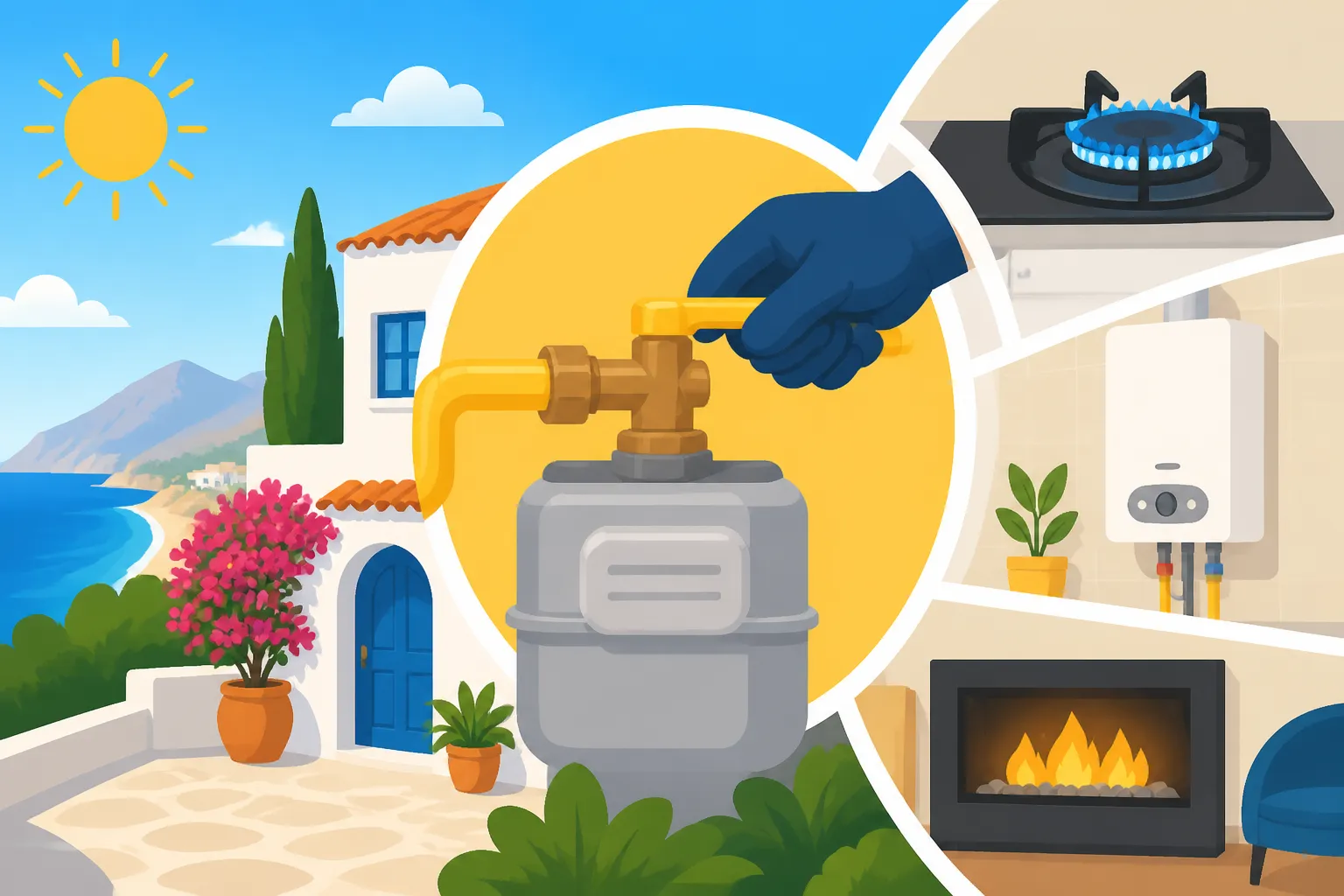
Since piped natural gas is off the table for homes, your primary "gas" source in Cyprus will be LPG, delivered in portable cylinders. These gas bottles, often a vibrant orange or blue, are ubiquitous and form the backbone of gas supply for most Cypriot households. They're primarily used for gas cookers, ovens, and sometimes for specific types of water heaters. You might even find them powering portable gas heaters during the cooler winter months, although electric heaters and air conditioning units are more common for space heating.
LPG cylinders come in various sizes to suit different needs and capacities. The most common sizes for household use are typically 10kg or 15kg bottles. A smaller 3kg or 5kg bottle might be used for a portable camping stove or a BBQ, but for your kitchen cooker, you'll be looking at the larger sizes. These cylinders are designed for easy connection to your appliance via a regulator and a reinforced gas hose. While it might seem a bit old-fashioned if you’re used to flicking a switch, it's a reliable and perfectly safe system once you understand how it works and follow the necessary safety protocols.
Getting Your First Gas Cylinder and Regulator
Okay, so you've moved into your new place – perhaps after a smooth relocation process you planned using tips from The Complete Guide to Moving to Cyprus: Your First 90 Days (2027) – and you're ready to get your cooker going. The first time you need to acquire a gas cylinder and all the necessary fittings, it can feel like a mini-quest. Unlike just signing up for an electricity or water bill, there's a physical component you need to purchase and set up. Don't worry, it's much simpler than it sounds, but there are a few key steps to ensure you get the right equipment.
Where to Buy Gas Cylinders: Supermarkets, Kiosks, and Delivery
Finding gas cylinders is fortunately very easy across Cyprus. You'll spot them almost everywhere. Larger supermarkets, like AlphaMega, Metro, and even Lidl, often have dedicated areas outside for gas cylinder exchanges. Beyond the big chains, smaller local kiosks (periptera) and hardware stores (sideradika) usually stock them too, especially in residential areas. The most common system involves exchanging an empty cylinder for a full one. This means your initial purchase might be slightly more expensive as you’re buying the physical cylinder itself, which includes a deposit. After that, you're just paying for the gas refill.
For convenience, especially if you need a larger 15kg cylinder, many dedicated gas distributors offer delivery services. A quick search online for "gas delivery Limassol" (or your specific city) will bring up local suppliers. This can be a lifesaver when you run out unexpectedly and don't fancy hauling a heavy bottle yourself. When arranging deliveries, having some basic Greek phrases down, or at least a translation app, can be incredibly helpful for smooth communication – something you might pick up from Learning Greek for Living in Cyprus: A Complete Guide for Expats.
Choosing the Right Regulator and Hose
This is a critical step for safety and proper functioning. You cannot just connect a gas cylinder directly to your appliance. You need a regulator, which controls the pressure of the gas, and a reinforced gas hose to connect the cylinder to your cooker. It's not a "one size fits all" situation, so pay close attention. Gas regulators are typically standardised for household LPG cylinders, but it's always best to check with the store or a local technician if you're unsure. The regulator will click onto the top of the cylinder, and the hose will attach from the regulator to your appliance's gas inlet.
You can buy regulators and hoses at most hardware stores or even at the larger supermarkets that sell gas cylinders. Crucially, gas hoses have an expiry date printed on them. These hoses degrade over time, and a perished hose is a serious safety hazard. Always buy a new hose if the one in your new home looks old, and make a note to replace it every 3-5 years, or as per the manufacturer's recommendation, regardless of how it looks. When purchasing, ask for a "regulator kai lastiho gia gas" (regulator and hose for gas). For permanent fixtures like gas water heaters or built-in hobs, it's highly recommended to have a certified plumber or gas technician install them to ensure everything meets safety standards.
Connecting Your Gas Cylinder Safely
Connecting a gas cylinder to a portable cooker or freestanding hob is something many expats do themselves, but it must be done with care. For anything more complex, like built-in hobs or water heaters, always call a professional. Do not attempt these installations yourself unless you are qualified.
Here’s a basic guide for a standard gas cooker connection:
- Placement: Ensure the gas cylinder is placed in a well-ventilated area, away from direct heat sources and sunlight. It should be easily accessible but not in a high-traffic area where it could be knocked over. Many kitchens have a designated cupboard for the gas bottle, but ensure it has proper ventilation.
- Inspect: Before connecting, visually inspect the cylinder valve and your regulator for any damage or debris. Ensure the rubber seal (washer) inside the regulator connection point is present and in good condition.
- Connect Regulator: Place the regulator firmly onto the cylinder valve. Twist the locking ring (usually a black or red knob) clockwise until it's tight and secure. You should hear a click or feel it lock into place. Do not over-tighten, but ensure it's snug.
- Connect Hose: Attach the gas hose to the regulator's outlet and to the gas inlet on your cooker. Use proper hose clamps to secure the connections firmly at both ends. Again, ensure these are tight but don't damage the hose by overtightening.
- Check for Leaks: This is the most vital step. Open the gas tap on the cylinder (usually a small lever or knob on the regulator that turns a quarter turn). Do not light the cooker yet. Instead, mix some washing-up liquid with water to create a soapy solution. Apply this solution generously to all connections: where the regulator meets the cylinder, and where the hose connects to the regulator and the cooker. If you see any bubbles forming, you have a leak. Immediately close the gas tap on the cylinder, tighten the connections, and retest. If the bubbles persist, disconnect everything and do not use it. Call a professional.
- Test Appliance: Once you're certain there are no leaks, you can try lighting your cooker. If it lights normally and the flame is blue (not yellow or orange), everything should be fine.
Remember, if you ever smell gas, immediately turn off the cylinder, open windows, and evacuate the area. If you experience a medical emergency due to a gas leak or any other incident, knowing what to do is paramount. Familiarise yourself with what to do during Emergency Medical Care in Cyprus: What Every Expat Needs to Know.
Ongoing Gas Supply and Safety Tips
Once you've successfully set up your first gas cylinder, managing your ongoing supply and ensuring continuous safety becomes a routine. It's a small but significant part of managing your household utilities, alongside your electricity, water, and internet – topics thoroughly covered in The Expat Guide to Setting Up Utilities (Electricity, Water, Internet) in Cyprus.
How to Reorder and Exchange Cylinders
The system for refilling your gas is pretty straightforward: it's an "empty for full" exchange. When your cylinder is nearing empty, you simply take it back to any of the places you'd buy a new one – supermarkets, kiosks, or local distributors – and swap it for a full one. You only pay for the gas itself.
How do you know it's nearly empty? Well, typically, the flame on your cooker will become weaker or sputter. Many expats also adopt the technique of having a spare cylinder on hand, so you never run out mid-meal. Keep the spare cylinder in a safe, well-ventilated outdoor area if possible. For larger cylinders, many people rely on delivery services. A quick call to your local gas supplier (you’ll often find their numbers painted on the cylinders themselves, or ask a neighbour) will usually result in a delivery to your doorstep, often within the same day. The delivery person will typically swap out your empty for a full one on the spot. Always ensure the new cylinder has an intact plastic seal on the valve before accepting it.
Essential Safety Precautions for LPG Gas at Home
Safety with LPG gas is non-negotiable. While the system is robust, adhering to simple precautions will prevent accidents and give you peace of mind.
- Ventilation: Always ensure good ventilation wherever you use gas, especially in the kitchen. If a gas cylinder is stored indoors, it should be in a well-ventilated space. Never store cylinders in bedrooms or basements.
- Hose and Regulator Check: Regularly inspect your gas hose for cracks, kinks, or signs of wear. Check the expiry date and replace it promptly when due. Do the same for your regulator – if it looks old or corroded, replace it. These are relatively inexpensive items, and replacing them prevents potential hazards.
- Leak Detection: Periodically perform the soapy water test on your connections, even if you don't smell gas. It's a quick and effective way to catch small leaks before they become serious.
- Storage: Keep cylinders upright. If you have a spare, store it outdoors in a shaded, well-ventilated area, away from any heat sources or ignition points. Never leave cylinders lying horizontally.
- Children and Pets: Ensure gas cylinders and appliances are out of reach of small children and curious pets.
- If You Smell Gas:
- Immediately turn off the gas supply at the cylinder.
- Open all windows and doors to ventilate the area.
- Do NOT switch on or off any electrical appliances (this could create a spark). Do NOT use lighters or matches.
- Evacuate everyone from the premises.
- Once outside, call the fire brigade (112) or your gas supplier.
- Carbon Monoxide Detectors: If you use gas heaters indoors (especially unflued ones), invest in a carbon monoxide detector. Carbon monoxide is an invisible, odourless, and deadly gas that can be produced by improperly burning fuels. While less common with modern cookers, it's an essential safety measure for any combustion appliance used indoors.
Costs Associated with Gas in Cyprus
Understanding the financial aspects of gas in Cyprus is an important part of managing your overall household budget, which can be explored further in The Complete Guide to Cost of Living in Cyprus for Expats (2026). The costs primarily revolve around the initial setup for new users and then the recurring expense of refills.
Initial Setup Costs
When you first transition to using LPG cylinders, there are a couple of upfront costs that you'll incur:
- Cylinder Deposit: You essentially "buy" the cylinder itself. This is often referred to as a deposit, and you'll pay a one-off fee for it. The price for a new, empty 10kg or 15kg cylinder can range from €20 to €40, depending on the supplier and size. This deposit is generally refundable if you return the cylinder without exchanging it when you eventually leave the island or switch to an alternative.
- Regulator and Hose: A new gas regulator and a compliant reinforced gas hose will cost you around €15 to €30, depending on where you purchase it and the specific type. Remember to factor in the cost of replacing the hose every few years for safety.
So, for a completely new setup with a 10kg or 15kg cylinder, regulator, and hose, you’re looking at an initial outlay of roughly €35 to €70.
Recurring Costs
After the initial setup, your primary recurring cost will be the gas refills. The price of LPG fluctuates with global energy markets, but generally, a 10kg cylinder refill costs approximately €15 to €25, and a 15kg cylinder refill costs around €20 to €35.
How long a cylinder lasts depends entirely on your usage. If you only use gas for cooking a few times a day, a 10kg cylinder could last a couple of months or more. If you're cooking elaborate meals, baking frequently, and perhaps also using it for a gas water heater, you'll go through it faster. Many families find a 15kg cylinder lasts them anywhere from 4-8 weeks for cooking purposes. Keeping an eye on these costs helps you manage your monthly expenses effectively.
Installation Costs If Professional Needed
If you have a built-in gas hob, a gas oven, or a gas-powered water heater that needs professional installation or connection, you will incur additional costs. A certified plumber or gas technician will charge for their time and expertise. This can vary significantly depending on the complexity of the job and your location. Expect to pay anywhere from €40 to €100 or more for a professional connection, especially if any modifications or safety checks are required for older appliances or fittings. It's a worthwhile investment for safety and peace of mind, as incorrect installations can be dangerous.
Alternatives to LPG Gas
While LPG cylinders are the default for residential gas use in Cyprus, it's worth knowing that you have several alternatives, particularly for cooking and water heating. Many homes, especially modern apartments, are designed to be entirely electric, eliminating the need for gas cylinders altogether. When deciding whether to live in How Do I Choose Between an Apartment and a House in Cyprus?, these utility considerations can play a big role.
Electric Cookers and Ovens
The most common alternative to a gas hob is an electric cooker or oven. Many apartments in Cyprus come equipped with ceramic, induction, or traditional electric hobs and ovens. These operate solely on your household electricity supply.
- Pros: No need to deal with gas cylinders, refills, or safety checks related to gas. Instant on/off. Induction hobs offer excellent efficiency and precise temperature control.
- Cons: Electric cookers can sometimes be slower to heat up than gas (though induction is very fast). The running costs will contribute to your electricity bill, which can be significant, especially during peak usage times. Understanding How Much Does Electricity Cost per Month in Cyprus? is vital here.
- Consideration: If your home comes with an electric cooker, you might find it perfectly adequate and decide against bringing in gas at all, simplifying your life.
Electric Water Heaters (Boilers)
While some homes, particularly older ones or those with solar hot water systems, might have a small gas water heater as a backup, the vast majority of Cypriot homes rely on electric water heaters, often referred to as "boilers." These range from small units under the sink for instant hot water in one tap to larger tanks that heat water for the entire household.
- Solar Water Heaters: Cyprus, with its abundant sunshine, also extensively uses solar water heating systems. These typically consist of panels on the roof that heat water stored in a tank, often boosted by an electric element on cloudy days or when demand is high. They are incredibly efficient and can drastically reduce your electricity consumption for hot water. When combined with air conditioning for heating (often used in reverse cycle during winter), these systems are very common.
Heating Alternatives
For space heating, LPG gas heaters are available, but they are far less common than electric alternatives.
- Air Conditioning Units (Reverse Cycle): Almost every home in Cyprus has air conditioning, primarily for cooling during the long, hot summers. However, most modern AC units are "reverse cycle," meaning they can also provide heating in the winter. They are highly efficient and are the primary source of heating for many households. Learning How to Keep My Home Cool in the Cyprus Summer? will also involve understanding how these units work in both seasons.
- Electric Heaters: Portable electric fan heaters, oil-filled radiators, or convector heaters are also popular for supplementary heating in individual rooms. While they can be very effective, they can also be heavy on electricity consumption if used constantly.
Here’s a quick comparison of the common methods for cooking and water heating:
| Feature | LPG Gas Cylinder | Electric Cooker/Oven | Electric Water Heater / Solar Boiler |
|---|---|---|---|
| Setup Cost (Initial) | Cylinder deposit, regulator, hose (€35-€70) | Often included in rental; purchase appliance (€100-€500+) | Often included in rental; purchase appliance (€150-€800+) |
| Running Cost | Cost of refills (€15-€35 per cylinder) | Electricity bill (variable based on usage & tariff) | Electricity bill (variable, less with solar) |
| Convenience | Need to manage refills/exchanges, delivery options | Always on, no running out | Always on, often boosted by solar |
| Installation | DIY for portable, professional for built-in/water | Plug-and-play for portable, electrician for built-in | Plumber/electrician for installation |
| Primary Use | Cooking, some water heating, portable heaters | Cooking, baking | Water heating for washing, showering |
| Safety Considerations | Leak checks, hose expiry, ventilation, CO detector | Electrical safety, circuit capacity | Electrical safety, thermostat operation |
| Availability | Widespread (supermarkets, kiosks, delivery) | Widespread (standard in most homes) | Widespread (standard in most homes) |
Ultimately, your choice will depend on your home's existing appliances, your personal preferences, and how you balance convenience with cost and safety. Many expats find a mix works best – electric for some needs, and a trusty gas bottle for others.
Disclaimer
The information provided in this guide is for general informational purposes only and does not constitute professional advice. While we strive to ensure accuracy, regulations, prices, and availability of services in Cyprus can change. Always consult with local service providers, hardware store experts, or certified technicians for the most current and specific advice tailored to your situation. Safety with gas is paramount; if you are unsure about any installation or suspect a leak, always contact a qualified professional.