What Is the Best Internet Provider in Cyprus?
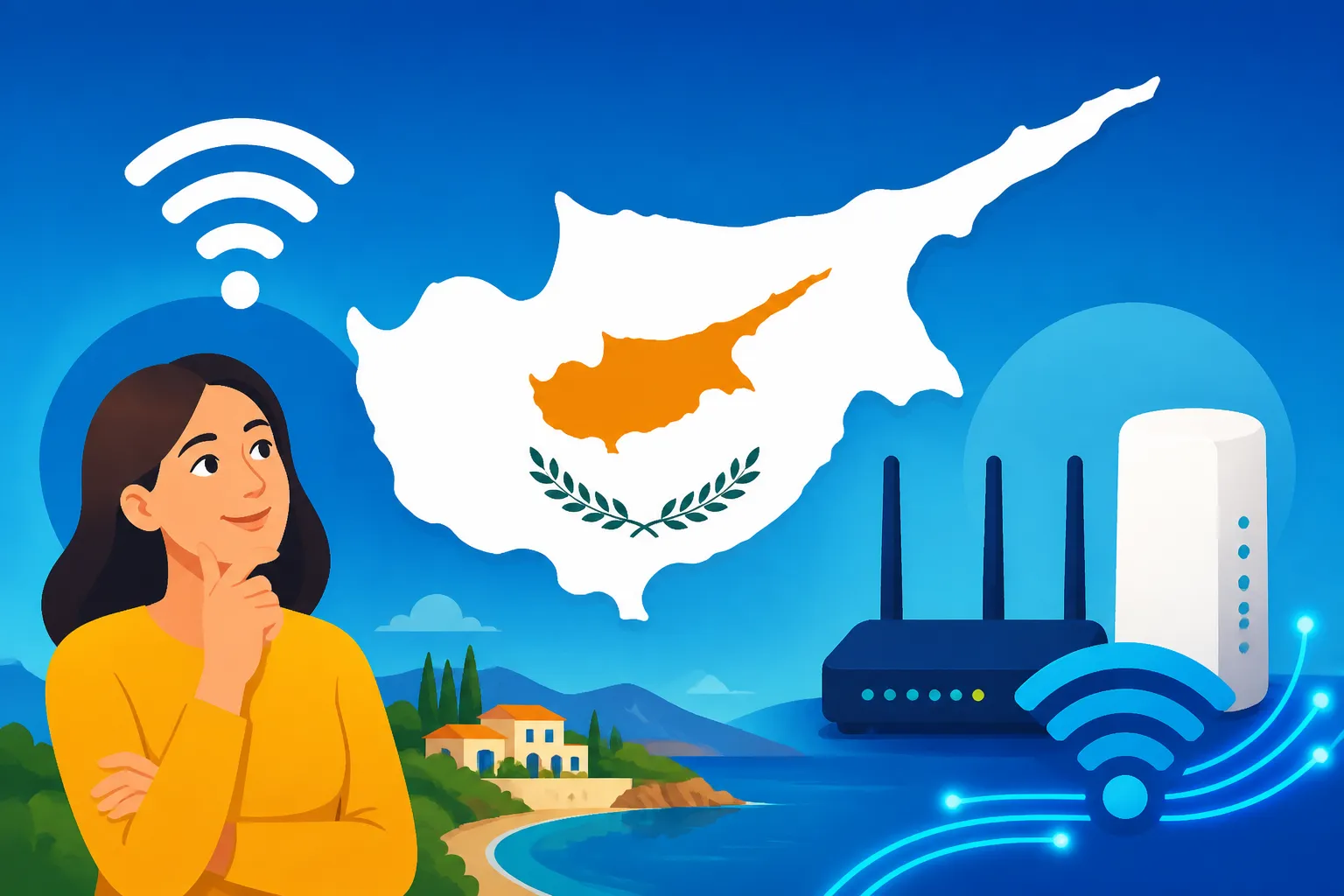
Moving to Cyprus is an exhilarating adventure, but let's be honest, getting your internet sorted can feel like deciphering an ancient scroll. You land, you need to connect with family, sort out banking, or maybe even work remotely, and suddenly you're faced with an unfamiliar landscape of providers, speeds, and contracts. This guide will cut through the confusion, offering a realistic look at the best internet providers in Cyprus and helping you choose the perfect connection for your expat life.
Navigating Cyprus's Internet Landscape: What You Need to Know
When you first arrive in Cyprus, setting up your internet is often high on the list, right after finding your new home and figuring out your residency permit. The good news is that Cyprus has come a long way in terms of internet infrastructure. Gone are the days when slow ADSL was the only option. However, understanding the nuances of the local market is crucial to avoid frustration.
The Core Technologies: Fiber, DSL, and Mobile Data
Cyprus offers a mix of internet technologies, each with its own benefits and drawbacks. Your choice often depends on your exact location, budget, and how you intend to use the internet.
- Fiber Optic (FTTH/FTTC): This is the gold standard for internet connectivity, offering the fastest and most reliable speeds. Fiber to the Home (FTTH) delivers the fiber connection directly to your property, while Fiber to the Cabinet (FTTC) brings fiber to a nearby street cabinet, with the final connection to your home via copper wires (which can slightly reduce speed but is still far superior to traditional DSL). Major cities and newer developments are usually well-covered by fiber, but if you're settling in a more rural or older area, it might not be available yet. If you're hoping to work remotely from Cyprus, especially in a bandwidth-intensive role, a fiber connection is non-negotiable. Many expats choose to work remotely from Cyprus, and a stable internet connection is paramount for productivity.
- DSL (Digital Subscriber Line): This uses traditional copper telephone lines to deliver internet. While slower than fiber, it's widely available, even in areas where fiber hasn't reached. DSL speeds can vary significantly depending on your distance from the telephone exchange. For basic browsing, email, and light streaming, DSL might suffice, but if you have multiple users, heavy streaming, or online gaming, you'll likely find it frustratingly slow.
- Mobile Data (4G/5G): All major providers offer robust mobile data networks, with 5G expanding rapidly in urban centres like Limassol, Nicosia, and Larnaca. Mobile data can be an excellent option for those who need flexibility, such as digital nomads or people in temporary accommodation. You can use a mobile router, a smartphone hotspot, or even a dedicated data SIM. For immediate connectivity upon arrival, or as a reliable backup, mobile data is invaluable. Companies like Airalo offer eSIMs that can get you connected the moment you land, giving you time to explore more permanent options without the stress of being offline. This can be a lifesaver during your The Complete Guide to Moving to Cyprus: Your First 90 Days (2027) period.
Major Players in the Cypriot Market
The internet service provider (ISP) landscape in Cyprus is dominated by a few key players, each vying for your business with different strengths. Understanding who they are and what they generally offer will make your decision much easier. The primary ISPs you'll encounter are Cyta, Epic, PrimeTel, and Cablenet. While they all offer similar services on the surface, their coverage, customer service, and package specifics can differ quite a bit, so it's not a one-size-fits-all situation.
- Cyta: As the semi-governmental telecommunications authority, Cyta is the oldest and largest provider, with the most extensive infrastructure.
- Epic: Formerly MTN Cyprus, Epic has invested heavily in modern infrastructure and is known for competitive pricing and strong mobile network coverage.
- PrimeTel: Another significant player, PrimeTel offers a range of internet, TV, and telephony services, often bundled together.
- Cablenet: Specialising in cable internet, Cablenet has built its own network in many urban areas, offering very fast speeds where available.
Each of these providers constantly updates its offerings, so it's always worth checking their latest plans directly.
A Deep Dive into Cyprus's Top Internet Providers
Choosing an internet provider in Cyprus isn't just about picking the cheapest option. It's about finding the right balance of speed, reliability, customer service, and cost that fits your expat lifestyle. Let's break down the major players so you can make an informed decision.
Cyta: The Incumbent Giant
Cyta holds a unique position in Cyprus. Being the national telecommunications provider, they have historically owned the lion's share of the infrastructure. This means they often have the widest coverage, especially when it comes to older DSL technology. However, they've also been aggressively expanding their fiber-optic network, known as "Cytanet Fiber," which is now available in most major towns and many suburban areas.
- Offerings and Strengths: Cyta offers a full suite of services, including internet, landline telephony, and TV packages. Their fiber plans typically range from 100 Mbps to 1 Gbps download speeds, making them suitable for everything from casual browsing to intensive professional use and multiple-device households. They are generally seen as reliable, largely due to their established infrastructure. For many, the peace of mind that comes with the largest provider is a strong draw, especially if you're dealing with the complexities of setting up all your utilities for the first time.
- Customer Service Experience: While their network is robust, customer service can sometimes be a point of contention for expats. While English-speaking staff are available, the response times can vary, and navigating administrative processes can feel a bit bureaucratic. It's not uncommon to hear tales of needing a fair bit of patience when dealing with queries or installations. However, their physical stores are widespread, offering face-to-face assistance which can be a comfort.
- Pricing: Cyta's prices can sometimes be perceived as slightly higher than competitors for similar speeds, but they often offer promotional bundles.
Epic: Modern Speeds and Competitive Packages
Epic has emerged as a dynamic and increasingly popular choice, particularly among younger expats and those looking for competitive pricing. They've invested heavily in their own modern fiber network and boast impressive mobile data speeds.
- Offerings and Strengths: Epic's internet plans typically mirror Cyta's fiber speeds, from 100 Mbps up to 1 Gbps, with strong performance. Where Epic really shines is its mobile network, which consistently ranks high for speed and coverage across the island. If you're looking for a provider that can handle both your home internet and your mobile phone plan seamlessly, Epic often provides attractive bundle deals. They've made a concerted effort to be seen as a modern, customer-friendly alternative.
- Customer Service Experience: Many expats report a more streamlined and responsive customer service experience with Epic compared to the incumbent. Their online chat support and app-based services are generally more efficient. They're keen to attract international clients, so English support is usually readily available.
- Pricing: Epic is often very competitive on price, frequently offering enticing introductory discounts or lower monthly fees for comparable speeds, especially when bundled with mobile plans. They are a strong choice if you're looking to balance cost and performance.
PrimeTel: A Strong Contender
PrimeTel is another significant player, having expanded its own fiber network over the years. They often appeal to those who appreciate straightforward packages and competitive bundles, much like Epic.
- Offerings and Strengths: PrimeTel offers a range of internet services, including both DSL and fiber, depending on your location. Their fiber speeds are comparable to Cyta and Epic, and they often offer attractive packages that combine internet, TV, and landline services into a single bill. If you're looking for a 'one-stop-shop' for your home entertainment and connectivity needs, PrimeTel's bundles can be quite appealing. They focus on delivering a comprehensive home solution.
- Customer Service Experience: PrimeTel generally receives positive feedback for its customer service, often striking a balance between the reach of Cyta and the modern approach of Epic. English support is standard, and while installations can sometimes take a little time, the ongoing support is usually solid.
- Pricing: PrimeTel's pricing is competitive, often falling between Cyta and Epic, depending on the specific promotion. Their bundles are particularly good value, so if you need more than just internet, it's worth checking their combined offers.
Cablenet: Cable Internet Specialists
Cablenet stands out because it operates on its own coaxial cable network, rather than traditional telephone lines or purely fiber. This means that where Cablenet's network is available, it can offer extremely fast and stable connections. However, their network coverage is more concentrated in urban and densely populated areas.
- Offerings and Strengths: If you live in an area served by Cablenet, you might find their speeds to be among the most consistent and fast, often achieving higher "real-world" speeds than advertised. They offer internet, TV, and telephony services. Their unique infrastructure can sometimes mean less congestion during peak times, leading to a smoother experience. They are known for their high-speed offerings, making them ideal for heavy internet users.
- Customer Service Experience: Cablenet has a reputation for good technical support, especially since their network is often less complex for them to manage internally. Their customer service is generally responsive, and they understand the needs of an international clientele.
- Pricing: Cablenet's pricing is very competitive, especially considering the performance they offer. If you're fortunate enough to be in a Cablenet-served area, they are definitely worth serious consideration, often providing excellent value for money.
Choosing the Right Internet Provider for Your Expat Life
Deciding on an internet provider in a new country can feel like a big commitment, especially when you're still getting settled. But by breaking it down, you can find the perfect fit for your home and lifestyle. Think of it like choosing the right school for your kids or figuring out How to Register for GeSY (General Healthcare System) in Cyprus (2027). It requires a bit of research and understanding of your own needs.
Assessing Your Needs: Speed, Usage, and Location
Before you even look at provider websites, take a moment to honestly assess what you actually need.
- What's Your Internet Usage Like? Are you a solo expat who mostly checks emails and browses social media? Do you have a family of four, all streaming 4K movies and gaming simultaneously? Are you working remotely, requiring constant video calls and large file transfers? A basic 50-100 Mbps plan might be perfectly fine for one or two light users, but a family or remote worker will likely need 200 Mbps or more, ideally fiber. For anyone considering Working Remotely from Cyprus: The Definitive Expat Guide (2027), stable, high-speed internet is an absolute must, and paying a bit more for reliability is usually worth it.
- Where in Cyprus Are You Located? This is perhaps the most critical factor. If you're in a city like Limassol, Nicosia, or Larnaca, especially in newer residential areas, fiber optic internet is likely available from multiple providers. However, if you're living in a charming village in the Troodos mountains or a more remote coastal area, your options might be limited to DSL or even solely relying on mobile data. Always check coverage for your specific address on each provider's website. They usually have a tool where you can input your postcode. Don't assume that because your neighbour has fiber, you will too; infrastructure rollout can be very granular.
- Consider Future Needs: Are you planning to stay long-term? Will your family be joining you? Anticipating future needs can prevent you from having to switch providers or upgrade plans too soon, which can often incur additional costs or contract extensions.
Understanding Packages, Contracts, and Hidden Costs
Cypriot internet providers, like many others, love to bundle services and have various contractual terms. Diving into the fine print is essential.
- Bundles: Most providers offer bundles that combine internet with landline telephony and/or TV packages. These can be cost-effective if you need all three. For example, if you want to watch Cypriot TV channels, a bundle might make sense. However, if you primarily use streaming services and your mobile phone, a standalone internet package might be cheaper. Don't pay for services you won't use.
- Contract Lengths: Standard contract lengths are typically 12 or 24 months. Shorter contracts might offer less attractive pricing or have higher setup fees. Be aware of the commitment before signing. Breaking a contract early often incurs penalties.
- Setup and Installation Fees: Many providers waive installation fees, especially with longer contracts or specific promotions. Always clarify if there are any initial setup costs, router rental fees, or activation charges. Sometimes, connecting to fiber might involve a one-time charge for running the fiber cable into your apartment, which isn't always covered.
- Modem/Router: Most providers will give you a modem/router as part of the package or for a small rental fee. Check if it's new or refurbished and if it's suitable for your home size and speed. If you have a large home, you might need to invest in additional mesh Wi-Fi systems later.
- Promotional Periods: Keep an eye out for introductory offers. They can significantly reduce your monthly bill for the first 3-6 months, but make sure you know what the price jumps to after the promotion ends. This is crucial for budgeting your overall The Complete Guide to Cost of Living in Cyprus for Expats (2026).
Here's a quick comparison of what you might expect from the main players:
| Provider | Typical Max Speeds (Fiber) | Fiber Availability | Typical Monthly Cost Range (Fiber, standalone) | Customer Service | Strengths |
|---|---|---|---|---|---|
| Cyta | Up to 1 Gbps | Widespread | €35 – €70+ | Established, can be bureaucratic | Largest network, reliable |
| Epic | Up to 1 Gbps | Growing rapidly | €30 – €65+ | Responsive, modern | Competitive pricing, strong mobile bundles |
| PrimeTel | Up to 1 Gbps | Good, growing | €30 – €65+ | Good, balanced | Comprehensive bundles, good value |
| Cablenet | Up to 1 Gbps | Urban areas | €30 – €60+ | Efficient, high performance | Fast, stable speeds where available |
Note: Prices are approximate and subject to change based on promotions and specific packages.
Customer Service and Technical Support: An Expat's Perspective
This is where your expat experience can truly diverge. Dealing with utility providers in a new country can be challenging due to language barriers and cultural differences in service.
- Language Support: All major providers have English-speaking staff, but their fluency and the ease of getting through to them can vary. Epic and Cablenet often receive higher marks for their English support. When you're trying to figure out why your internet isn't working, the last thing you want is a language barrier.
- Responsiveness: How quickly do they respond to technical issues or general queries? Online chat functions (offered by Epic and PrimeTel) can sometimes be quicker than phone calls. For serious issues, a physical visit to a store might be necessary for Cyta or PrimeTel.
- Technical Expertise: Are their technicians knowledgeable and efficient? Sometimes, the issue isn't with the main line but with your home setup. Ensuring the technician can communicate effectively about the problem is key.
- Your Patience Level: Honestly, some days you'll need a bottomless pit of patience. Issues can take time to resolve, especially if it involves external infrastructure. Manage your expectations, and remember to be polite but firm.
Choosing the right provider is a personal decision, but armed with this knowledge, you'll be in a much stronger position to get connected swiftly and smoothly.
Setting Up Your Internet and Staying Connected
Once you've navigated the choices and decided on a provider, the next step is getting everything up and running. This often involves a few administrative hurdles, but knowing what to expect can smooth the process significantly.
The Installation Process: What to Expect
The actual installation process in Cyprus generally follows a similar pattern regardless of the provider, though timelines can vary.
- Application: This is where it all begins. You'll typically apply online, by phone, or in person at one of the provider's shops. You'll need your passport, your residence permit (like a Pink Slip, if you have one), and proof of address (like your rental agreement or a utility bill). This is similar to the documents needed for other services, like setting up electricity or water, as covered in The Expat Guide to Setting Up Utilities (Electricity, Water, Internet) in Cyprus.
- Appointment Scheduling: Once your application is processed, the provider will schedule an appointment for a technician to visit your home. This can take anywhere from a few days to a couple of weeks, depending on demand and your location. It’s always best to apply as soon as you have a confirmed address.
- Technician Visit: On the day of the appointment, a technician will come to your property. Their job is to connect your home to the network (whether fiber, DSL, or cable), install the modem/router, and ensure the basic connection is working. If you're lucky, they'll speak enough English to explain things, but it’s always helpful to have a translator app ready or even a Greek-speaking friend on standby, just in case. They'll perform a speed test to confirm the connection.
- Activation: Sometimes, activation is immediate. Other times, it might take a few hours or even overnight for the service to fully go live. The technician will usually advise you on this. Once activated, you're good to go!
Be prepared for slight delays. "Siga siga" (slowly, slowly) is a common phrase here, and while services are generally efficient, the Mediterranean pace can sometimes apply to installations too.
Alternative and Backup Solutions
Even with a primary internet connection, having a backup or alternative for specific situations can be a lifesaver.
- Mobile Hotspots & eSIMs: For immediate connectivity upon arrival, or if you're waiting for your home internet to be installed, using your phone as a mobile hotspot or investing in an eSIM from providers like Airalo is incredibly useful. An eSIM allows you to get local data without needing a physical SIM card, which is perfect for short-term stays or as an emergency backup. Many expats also find that their mobile data plan provides enough speed for light work or streaming, especially if they are often on the move or live in an area with excellent 5G coverage. You might want to explore options for How Do I Set Up a Mobile Phone Plan in Cyprus?.
- Portable Wi-Fi Devices: These small, battery-powered devices use a SIM card to create a Wi-Fi network wherever you are. They're great for travel within Cyprus or for shared holiday homes where a permanent installation isn't practical.
- Public Wi-Fi: Many cafes, restaurants, and public spaces offer free Wi-Fi. While convenient for quick checks, always be mindful of security when using public networks, especially for sensitive transactions.
These alternatives are especially useful during the initial weeks when you're still navigating all the administrative tasks, from registering your address to ensuring your How Your Residency Status Affects GeSY Access in Cyprus is sorted.
Tips for Troubleshooting and Optimizing Your Connection
Even the best internet connection can have its off days. Here are some quick tips to help you troubleshoot and get the most out of your Cypriot internet.
- Restart Your Router: The oldest trick in the book, but it often works. Unplug your modem/router for 30 seconds, then plug it back in.
- Check Cables: Ensure all cables (power, Ethernet, fiber/DSL line) are securely connected to your router and the wall.
- Test with Ethernet: If your Wi-Fi seems slow, try connecting a device directly to the router with an Ethernet cable. If the wired connection is fast, the issue might be with your Wi-Fi signal (router placement, interference).
- Router Placement: Place your router in a central location, away from obstructions, other electronics, and reflective surfaces. If you have a multi-story home, consider Wi-Fi extenders or a mesh Wi-Fi system.
- Update Firmware: Occasionally, router firmware updates can improve performance. Check your router's administration page or contact your provider for guidance.
- Contact Support: If all else fails, contact your provider's technical support. Have your account details ready, be clear about the issue, and don't hesitate to mention specific troubleshooting steps you've already taken.
Remember, setting up a home in Cyprus, including all your utilities, is a process. Companies like Sirelo, who specialize in international moving services, can help manage the logistics of getting your belongings here, but the local utility connections will always be a hands-on experience. A little patience and preparation go a long way in ensuring you stay connected and enjoy your new life on the island.
Disclaimer
The information provided in this guide is for general informational purposes only and does not constitute professional advice. While we strive to keep the information up-to-date and accurate, details regarding internet packages, pricing, and service availability can change rapidly. Always verify current offerings and terms directly with the service providers. We are not responsible for any actions taken based on the information in this guide.