How Do I Transfer My Residence Permit to a New Passport in Cyprus?
Ah, the never-ending dance with Cypriot bureaucracy! Just when you think you've got all your ducks in a row – you've landed your dream job, found your perfect little apartment by the sea, and maybe even started to pick up a few Greek phrases – life throws a curveball. And more often than not, that curveball comes in the form of an expiring passport. It's a common scenario for us expats: your passport is new, shiny, and ready for adventure when you first arrive, but a few years down the line, it’s suddenly nearing its expiry date. The panic sets in, not just about getting a new passport, but about how that new document impacts your precious Cyprus residence permit. This guide is here to walk you through exactly how to transfer your existing residence permit to your brand-new passport, smoothing out what can feel like a very daunting administrative hurdle.
Understanding Why You Need to Transfer Your Residence Permit
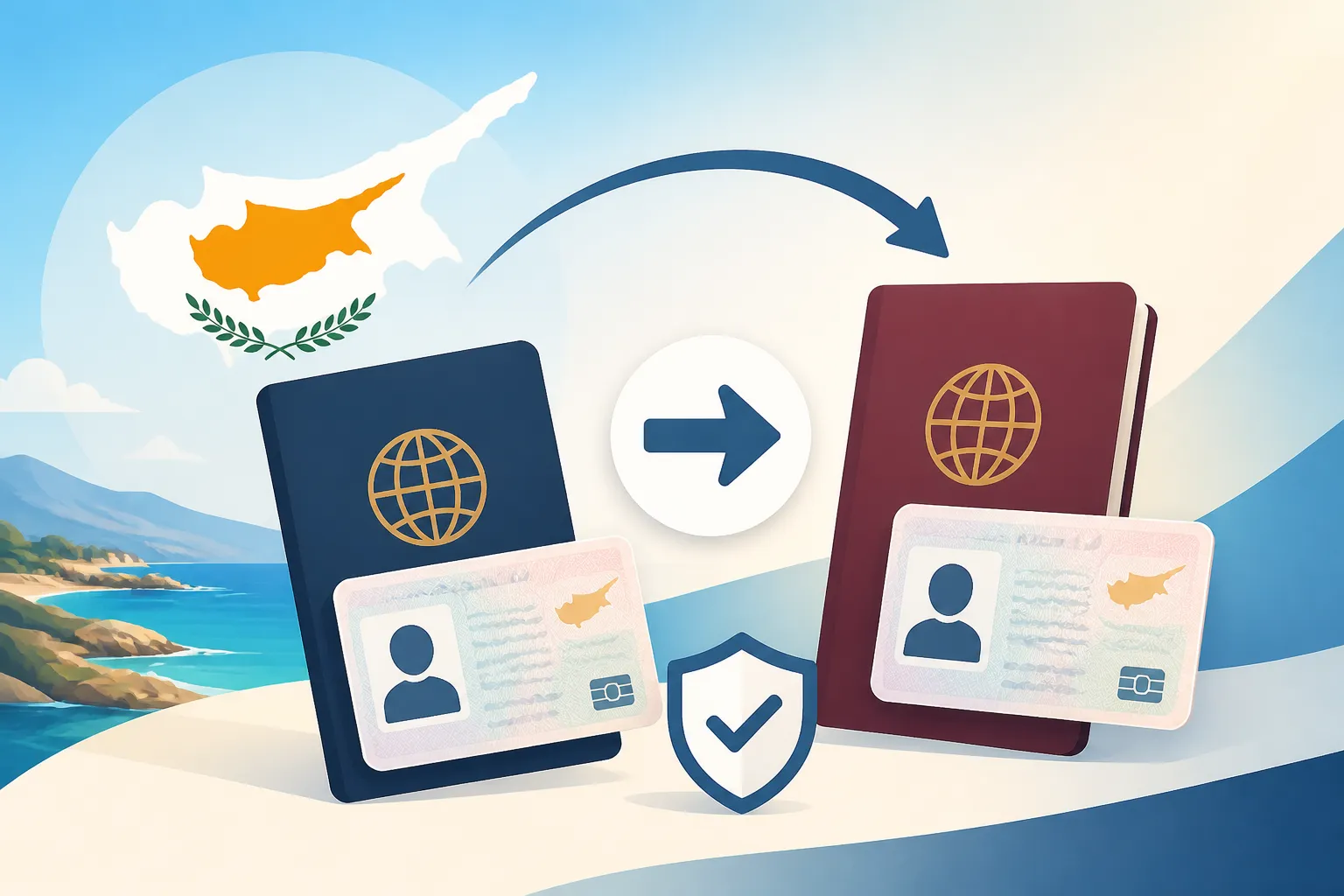
Let's be real, the thought of dealing with immigration offices again can send shivers down any expat's spine. But transferring your residence permit when you get a new passport isn't just a suggestion; it's an absolute necessity. Your residence permit, whether it's the famous Pink Slip or another type of permit, is inextricably linked to the passport you used to apply for it. Think of it as a pair: if one half changes, the other needs to be updated to reflect that change, especially since your residence permit card will reference your old passport number.
When you originally applied for your residence permit, the Civil Registry and Migration Department (CRMD) meticulously recorded your personal details, including your passport number, name, date of birth, and nationality. This information forms the basis of your legal right to reside in Cyprus. If you then get a new passport – perhaps your old one expired, it was lost or stolen, or you simply ran out of pages for those holiday stamps – your old passport number becomes invalid. Continuing to carry a residence permit that references an old, invalid passport number is essentially having a document that no longer accurately reflects your current identity or travel documents. This could lead to all sorts of headaches, from issues at border control when entering or exiting Cyprus, to problems with banks, utilities, or even just proving your identity for everyday tasks. It’s an administrative loose end that absolutely needs tying up. Trust me, you don't want to be explaining this nuance to a border agent at Larnaca airport at 3 AM.
Beyond simply avoiding future trouble, keeping your documents aligned is a sign of good administrative practice and shows you’re adhering to the regulations of your host country. Cyprus, like any other nation, requires accurate and up-to-date records of its foreign residents. Failing to transfer your permit could even be seen as a breach of your immigration conditions, although typically, authorities are understanding if you initiate the process promptly. It's not about being overly strict, but about ensuring a seamless flow of information and maintaining the integrity of the immigration system. So, while it might feel like "just another form," it's a critical step in maintaining your legal status here on the island. For a broader understanding of your immigration journey, you might want to look into The Complete Guide to Cyprus Visas and Immigration for Expats (2027).
The Step-by-Step Process for Transferring Your Permit
Alright, let's get down to the nitty-gritty. While the process itself isn't terribly complex, it requires attention to detail and patience, much like many administrative tasks in Cyprus. The key here is to be prepared and methodical.
Gathering Your Essential Documents
Before you even think about stepping foot in the CRMD office, you need to have your paperwork in perfect order. This is where most people get tripped up, and a missing document means a wasted trip.
Here’s a comprehensive list of what you’ll typically need:
- Your New Passport: This is obviously non-negotiable. Make sure it's valid for at least two years (or for the duration of your intended stay in Cyprus, if less than two years). You’ll need the original and at least two photocopies of the main biodata page (the page with your photo and details).
- Your Old Passport: Crucially, if you still have it, bring your old passport. The CRMD needs to see the original to verify the link to your existing residence permit. Make copies of the biodata page and any pages showing your previous entry stamps to Cyprus and the visa/permit sticker (if applicable). If your old passport was lost or stolen, you'll need an official police report from where it was lost or stolen.
- Your Current Residence Permit Card: The physical card itself. Again, bring the original and at least two photocopies of both sides.
- Completed Application Form: This is usually the M.I.P.A. 1 form, or an equivalent form for updating personal details, which you can typically download from the CRMD website or obtain directly from the office. Fill it out completely and accurately.
- Proof of Address: A recent utility bill (EAC or water) in your name, or a rental agreement, showing your current address in Cyprus. This helps confirm your residency.
- Proof of Financial Means: While not always strictly required for just a transfer, it's good practice to have recent bank statements (from a Cypriot bank account) demonstrating sufficient funds to support yourself, especially if your permit is nearing its renewal date or if you're on a permit type that requires this (like the Category F).
- Proof of Health Insurance: Another document that's crucial for maintaining your residency status. Whether it's your GeSY registration confirmation or a private health insurance policy like those offered by Cigna Global, ensure it's valid and covers you for the duration.
- Marriage Certificate / Birth Certificates: If you added dependents to your original permit and their details also need updating (e.g., if a child got a new passport), you’ll need relevant family certificates, apostilled and translated if they aren't in English or Greek.
- Two Passport-Sized Photos: Make sure these are recent, biometric-compliant photos (usually 3.5cm x 4.5cm) with a white background.
- Application Fee: There will likely be a small administrative fee for the transfer. It’s always best to check the latest fee on the CRMD website or by calling them, and be prepared to pay in cash or by card, depending on the specific office's preference.
Table of Required Documents for Residence Permit Transfer
| Document Type | Original Required? | Photocopies Needed? | Notes |
|---|---|---|---|
| New Passport | Yes | 2-3 | Biodata page |
| Old Passport | Yes (if available) | 2-3 | Biodata page, previous Cyprus stamps, permit sticker. Police report if lost/stolen. |
| Current Residence Permit Card | Yes | 2-3 | Both sides |
| Completed Application Form | Yes | 1 | M.I.P.A. 1 or equivalent update form |
| Proof of Address | Yes | 1 | Recent utility bill or rental agreement |
| Proof of Financial Means | Recommended | 1 | Recent Cypriot bank statements |
| Proof of Health Insurance | Yes | 1 | GeSY registration or private policy |
| Marriage/Birth Certificates | Yes (if applicable) | 1 | For dependent updates, apostilled/translated if needed |
| Passport-Sized Photos | Yes | 2 | Recent, biometric-compliant (3.5×4.5cm, white background) |
| Application Fee | Yes | N/A | Check current fee with CRMD, typically paid at the office |
Submitting Your Application
Once you have everything meticulously organised, you'll need to visit the relevant district office of the Civil Registry and Migration Department (CRMD). These offices are located in each major city – Nicosia, Limassol, Larnaca, Paphos, and Famagusta (Paralimni). It's always a good idea to check their current operating hours and any specific appointment requirements beforehand. Some offices, especially post-pandemic, might require you to book an appointment online or by phone.
When you arrive, you’ll typically take a number and wait for your turn. This can be a lengthy process, so bring a book, some water, and a good dose of patience. When your number is called, present all your original documents and photocopies to the immigration officer. They will review everything, cross-reference your new passport with your old one, and verify your existing permit details. They'll keep the photocopies and return your originals (except for the application form, of course). You will then be asked to pay the administrative fee.
Sometimes, if your permit is also nearing its renewal date, they might suggest you combine the transfer with the renewal process. This can save you a trip, but it might also mean a more comprehensive set of documents will be required, similar to when you initially applied for your permit. Knowing How to Renew Your Residence Permit in Cyprus can be really helpful here.
What to Expect After Submission
After you've submitted your application and paid the fee, the waiting game begins. You won't walk out with a new permit card that day. The CRMD needs time to process the change, update their records, and then issue a new physical residence permit card that reflects your new passport number.
The processing time can vary significantly, ranging from a few weeks to several months, depending on the workload of the department and the specific time of year. During this period, you should retain the receipt you receive from the CRMD as proof that you have initiated the process. This receipt, along with your old residence permit card and new passport, should be carried with you, especially if you plan to travel. It serves as your interim proof that your documents are being updated.
Once your new residence permit card is ready, you will usually receive an SMS notification or a call from the CRMD instructing you to pick it up. Head back to the office, present your old permit card (which they will typically invalidate or confiscate) and your new passport, and collect your updated permit. Always double-check all the details on the new card – your name, date of birth, new passport number, and expiry date – to ensure everything is correct before you leave the office. It's a small check that can save a big headache later.
Common Challenges and Tips for a Smooth Transfer
Navigating bureaucracy in any foreign country comes with its unique set of challenges. Cyprus is no exception, and while the process for transferring your residence permit isn't usually fraught with major issues, being aware of potential pitfalls can make your life a whole lot easier.
Language Barriers and Communication
Even in a place as international as Cyprus, where English is widely spoken, you might occasionally encounter officials who are more comfortable in Greek. While the CRMD staff generally speak excellent English, there might be times when specific nuances or questions are harder to convey. Don't be afraid to ask for clarification, or if you have a complex situation, consider bringing a Greek-speaking friend or engaging a professional service to assist you. Being polite and patient goes a long way. Remember, they deal with many people every day, and a calm, prepared approach makes their job easier and your process smoother.
Missing or Incorrect Documents
This is by far the biggest cause of delays and frustration. A single missing photocopy, an expired proof of address, or a photo that doesn't meet the specifications can send you right back to the beginning of the queue. Always bring more copies than you think you'll need, and ensure all documents are up-to-date and clearly legible. If you’ve had a name change, ensure all supporting documents like marriage certificates or deed polls are also provided and properly apostilled and translated. For guidance on legalising documents, you might want to read How to Get Your Documents Apostilled for Cyprus Immigration.
Long Waiting Times
Be prepared for waiting. The CRMD offices, particularly in larger cities like Nicosia and Limassol, can get very busy. Arriving early in the morning, right when they open, can sometimes help, but it's not a guarantee. Some offices might have designated days or times for specific types of applications, so a quick call or check on their website beforehand can save you hours. Also, mentally prepare for the possibility of multiple visits if there are unforeseen issues.
Changes in Regulations
Cyprus's immigration laws and procedures, while generally stable, can see occasional updates. What was true last year might have a slight modification this year. It's always best to consult the official CRMD website or call their offices for the most current requirements before you begin the process. Don't rely solely on anecdotal advice from expat forums, as rules can change. This proactive approach ensures you’re working with the most up-to-date information.
Tips for a Smoother Experience
- Organise a Physical Folder: Keep all your immigration documents, both original and copies, in a dedicated folder. Use dividers for different categories (passports, permits, proof of income, health insurance, etc.). This makes it easy to grab and go, and ensures nothing is forgotten.
- Make Digital Backups: Scan all your important documents and save them to a cloud service or a secure external drive. This is crucial for emergencies like a lost passport or permit.
- Understand Your Permit Type: Different residence permits (e.g., those for employed individuals, self-employed, students, digital nomads, family reunification) might have slightly different underlying requirements, which could subtly influence a transfer, especially if it coincides with a renewal. Know your permit category.
- Keep Your Contact Information Updated: Ensure the CRMD has your current phone number and email address, as this is how they’ll notify you when your new card is ready.
- Be Patient and Polite: This cannot be stressed enough. A positive attitude and respectful interaction can make a world of difference. The officials are there to help, and understanding their processes will aid your own.
What Happens After Your Permit is Transferred
Once you have that shiny new residence permit card in your hand, reflecting your new passport details, it feels like a weight has been lifted, doesn't it? But the journey doesn't quite end there. There are a few important follow-up steps and considerations to keep in mind.
Updating Other Authorities and Services
While the CRMD is the primary authority, your passport number is likely linked to many other services and institutions here in Cyprus. It's a good practice to proactively update them with your new passport details. This isn't always immediately critical, but it prevents future complications.
Consider updating:
- Your Bank: Your Cypriot bank (e.g., Bank of Cyprus, Hellenic Bank) will have your passport details on file. Updating them ensures their records are current, especially important for anti-money laundering regulations and account verification.
- Your Employer (if applicable): If you are working in Cyprus, your employer's HR or payroll department will need your updated passport and residence permit details for their records, especially for social insurance and tax purposes.
- GeSY (General Healthcare System): While your GeSY registration is primarily linked to your Social Insurance number, having consistent identification across all government services is always best. A quick email or visit to a GeSY service point might be prudent. Understanding How to Register for GeSY (General Healthcare System) in Cyprus (2027) is vital for all residents.
- Utility Providers: EAC, water board, internet providers might have your passport number on file, particularly if you used it as primary identification when setting up services. While less critical, updating them can prevent issues down the line.
- Driving Licence: If you have a Cypriot driving licence, your new passport information should eventually be updated with the Department of Road Transport. However, this is usually only required when you renew your driving licence or if there are other changes to your personal details. For now, ensure your residence permit is tied to your new passport. Check out How to Convert a Foreign Driving Licence in Cyprus for more details.
Travel Considerations with Your New Documents
With your new passport and updated residence permit, you're all set for future travel. When travelling into or out of Cyprus, always ensure you carry both your new passport and your new residence permit card. The two documents work in tandem to establish your identity and your right to reside in Cyprus.
Remember that while your residence permit allows you to live in Cyprus, your passport is your primary travel document. If you are a non-EU citizen, your residence permit also grants you certain Schengen area travel rights, allowing you to travel within the Schengen zone for up to 90 days in any 180-day period without a separate visa. Always check the specific rules for your nationality and destination before travelling, as these can be complex.
Maintaining Your Residence Status
Regularly updating your documents, like transferring your residence permit to a new passport, is a fundamental part of maintaining your legal residence status in Cyprus. It shows diligence and compliance with local laws. This habit of staying on top of administrative tasks will serve you well for future renewals of your residence permit and any other immigration applications you might make down the line, such as moving from temporary to The Complete Guide to Permanent Residency in Cyprus (2027). It’s all part of the expat journey – a series of forms, queues, and documents, all leading to a more secure and settled life on this beautiful island.
Disclaimer
The information provided in this guide is for general informational purposes only and does not constitute legal or immigration advice. While we strive to keep the information up-to-date and accurate, regulations and procedures can change. We highly recommend consulting the official website of the Civil Registry and Migration Department (CRMD) of Cyprus or seeking advice from a qualified immigration lawyer or consultant for specific guidance pertaining to your individual situation.