How Do I Open a Savings Account for My Child in Cyprus?
As an expat parent in Cyprus, you've probably already navigated the labyrinthine process of setting up your own finances, residency, and perhaps even healthcare. Now, the thought of doing it all over again for your little ones – setting up a savings account for your child – might feel like another mountain to climb. But trust me, it's a worthwhile endeavor, and this guide will walk you through every step, demystifying the process and helping you secure a financial future for your child here on the island.
Why Open a Child's Savings Account in Cyprus?
Setting up a dedicated savings account for your child in Cyprus might seem like just another task on your never-ending expat to-do list, but it's genuinely one of the most proactive steps you can take for their future on the island. Beyond just tucking away pocket money, these accounts are vital tools for long-term financial planning and integrating your family deeper into the Cypriot financial landscape.
Fostering Financial Literacy from a Young Age
One of the biggest benefits, often overlooked, is the opportunity to teach your children about money from an early age. Imagine taking your child to the bank, explaining how their savings grow, or showing them their bank statements. This isn't just about accumulating wealth; it's about instilling valuable lessons in financial responsibility, patience, and the power of saving. In a world where financial concepts can seem abstract, a tangible savings account makes it real. Many Cypriot banks offer special 'junior' accounts that come with educational materials or even small incentives, making the experience engaging for kids. It’s a chance for them to watch their efforts, whether from chores, birthday money, or small gifts, turn into something substantial over time. This foundational understanding will serve them well, regardless of where their future takes them.
Saving for Future Education or Milestones
Whether you envision your child attending university here in Cyprus, heading abroad for their studies, or simply want to give them a head start when they reach adulthood, a savings account is the cornerstone of that plan. The cost of education, driving lessons, first cars, or even a down payment on a future home can be daunting. By starting early, even with modest contributions, compound interest can work its magic over many years. Think of it as planting a financial seed that will grow into a mighty tree. Cypriot banks often have competitive interest rates for children's savings, encouraging long-term deposits. This dedicated fund means you won't be scrambling years down the line, and your child will have a safety net or a springboard ready for their significant life events.
Estate Planning and Managing Inherited Funds
While it’s not something we like to dwell on, opening a child’s savings account can also play a role in prudent estate planning. Should unexpected circumstances arise, having a clear, designated account in your child’s name can simplify matters, especially if they were to receive a small inheritance or gift. Funds can be held securely, managed under guardianship rules, and protected until they reach the age of majority. This ensures that any financial provisions made for your child are handled transparently and in accordance with Cypriot law, providing peace of mind that their future is protected, whatever life throws your way. It’s about building a secure financial foundation, not just for today, but for all tomorrows.
Eligibility and Requirements: Who Can Open an Account for a Child?
Navigating the paperwork for yourself in Cyprus is one thing, but when it comes to your children, the rules can feel even more intricate. Rest assured, it's a common process, but understanding the eligibility criteria and exactly what documents you'll need is crucial to avoid multiple trips to the bank and unnecessary headaches.
Age Restrictions and Guardianship Rules
In Cyprus, generally, a child cannot open a bank account themselves if they are under the age of 18, which is the legal age of majority. Therefore, a parent or legal guardian must open and manage the account on their behalf. This means that you, as the parent or guardian, will be the primary account holder or signatory, with the child designated as the beneficiary. The bank will require proof of your parental relationship or legal guardianship, which is typically your child's birth certificate or relevant court orders if you are a legal guardian.
For joint guardianship (i.e., both parents), most banks will require both parents to be present during the account opening process and to sign the necessary documents. This ensures both legal guardians are aware of and consent to the financial arrangements for the child. Once the child reaches 18, the account can typically be transitioned solely into their name, giving them full control. The specifics of this transition process will vary by bank, so it’s worth clarifying this when you open the account. It's often a smooth process, but requires the child's presence and updated ID.
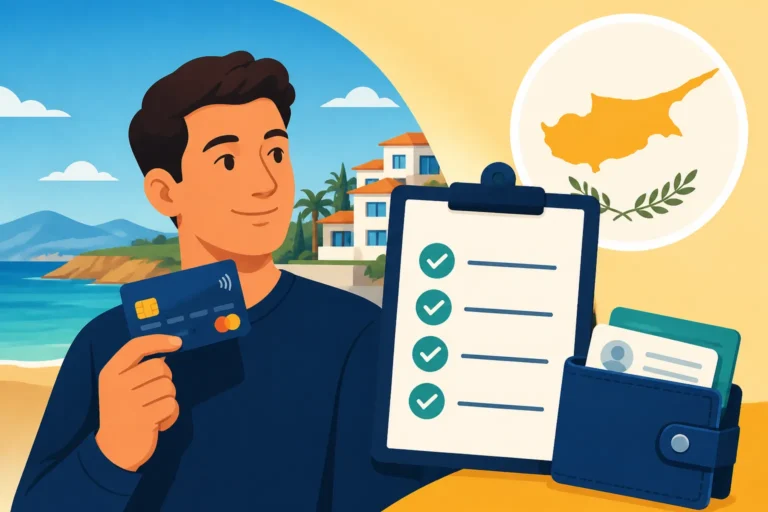
Required Documents for Parents or Guardians
This is where the infamous Cypriot paperwork comes into play, but having everything ready upfront makes a world of difference. You'll need to present several key documents to the bank to prove your identity, residency, and financial standing.
Expect to provide:
- Proof of Identity: Your valid passport or national ID card (for EU citizens).
- Proof of Address: A utility bill (EAC, water, internet) in your name, dated within the last three to six months, or a rental agreement/title deed. This is standard procedure for any financial transaction in Cyprus.
- Proof of Income/Financial Means: Banks want to ensure you have the means to fund the account and comply with anti-money laundering regulations. This could include recent pay slips, an employment contract, tax returns, or bank statements from your main account. If you're self-employed, having your registration documents or recent invoices might be requested. If you're transferring funds from abroad, a statement from your foreign bank or a letter from your employer might also be useful. Remember, transparency is key here.
- Cyprus Tax Identification Code (TIC): If you're a tax resident in Cyprus, you'll need your TIC. If you haven't got one yet, you can learn about the process in our guide on How to Get a Tax Identification Number as a Foreigner in Cyprus. This is essential for all financial dealings on the island.
- Residence Permit (Pink Slip/Yellow Slip): If you're a non-EU citizen, your Pink Slip (Temporary Residence Permit) or MEU1/Yellow Slip (for EU citizens registering their residence) will be required. These documents confirm your legal right to reside in Cyprus. More details can be found in our comprehensive guide to Understanding Residence Permits and the Pink Slip in Cyprus (2027).
Required Documents for the Child
Even though the child isn't opening the account themselves, they still need to be properly identified. This usually involves:
- Birth Certificate: This is crucial to establish the child's identity and their relationship to the parent/guardian.
- Passport or ID Card: If the child has their own passport or national ID card, bring it along.
- Cyprus Tax Identification Code (TIC): Yes, even children need a TIC in Cyprus for financial accounts. You'll need to apply for this on their behalf, a process similar to applying for your own.
- Residence Permit (Pink Slip/Yellow Slip): If the child is also a resident of Cyprus, their residence permit will be needed. This applies to both EU and non-EU children residing on the island. Our guide on Family Reunification in Cyprus: Bringing Your Spouse and Children (2027) can offer more context on ensuring your family's legal residency is in order.
Having all these documents organised and readily available will significantly streamline your visit to the bank. It feels like a lot, I know, but once it's done, it's done!
The Process: Step-by-Step Guide to Opening the Account
You’ve decided to take the plunge and open that savings account for your child. Fantastic! Now comes the practical part. While it can feel daunting, especially with Cypriot bureaucracy, breaking it down into manageable steps makes it much less intimidating.
Choosing the Right Bank for Your Family
Cyprus has several reputable banks, and while the major players like Bank of Cyprus and Hellenic Bank are often the go-to for expats due to their widespread branches and English-speaking staff, it's worth exploring all options. Other banks like Eurobank Cyprus or Alpha Bank Cyprus also have a presence. Each bank might offer slightly different features, interest rates, or specific "junior" savings products designed for children.
When choosing, consider:
- Proximity: How close is a branch to your home or work? While online banking is prevalent, you'll need to visit in person to open the account.
- English-Speaking Staff: This is often a non-negotiable for expats. Most major banks in urban areas like Limassol, Nicosia, and Paphos will have English-speaking staff, but it's always good to confirm.
- Account Features: Look at the interest rates offered on child savings accounts. Are there any fees? What are the withdrawal rules? Some accounts might offer bonus interest for consistent deposits or reach certain milestones.
- Ease of Use: Does the bank have a user-friendly online banking portal? Can you easily transfer funds from your main account?
- Expat Experience: Some banks might be more accustomed to dealing with expat clients and their unique documentation. If you've already established your own accounts, perhaps sticking with that bank might simplify things, as they already have your personal data on file. Our post, The Expat Guide to Opening a Bank Account in Cyprus, gives a broader overview of banking choices.
Gathering All Necessary Documentation
This is the golden rule for any administrative task in Cyprus: over-prepare. Double-check the list of required documents for both you (the parent/guardian) and your child, as outlined in the previous section. Make copies of everything, and bring the originals. Seriously, bring everything you think you might need, and then some. A separate folder for your child's banking documents will save you a lot of stress.
Here’s a handy checklist to make sure you haven’t missed anything:
| Document Type | For Parent/Guardian | For Child |
|---|---|---|
| Identity | Valid Passport / EU ID Card | Valid Passport / EU ID Card (if available) |
| Residency | Pink Slip (Temporary Residence) / Yellow Slip (MEU1) | Pink Slip / Yellow Slip |
| Proof of Address | Utility Bill (last 3-6 months) / Rental Agreement | (Usually not needed if parents provide theirs) |
| Tax ID | Cyprus Tax Identification Code (TIC) | Cyprus Tax Identification Code (TIC) |
| Proof of Income | Payslips, Employment Contract, Tax Returns, Bank Statement | (Not applicable) |
| Relationship Proof | (Not applicable) | Birth Certificate (showing parental link) |
Don't forget to have all documents that are not in Greek or English officially translated if required, though typically passports and standard birth certificates from most Western countries are accepted as is. It's always best to call the specific bank branch beforehand to confirm their exact requirements.
Visiting the Bank and Application Submission
Once your documents are in order, it's time for the bank visit. It's almost always best to make an appointment rather than just walking in, especially in larger branches. This ensures you'll be seen by someone who can assist with new account openings and who is well-versed in expat requirements.
During your appointment:
- Introduce Yourself and Your Intent: Clearly state you wish to open a savings account for your child.
- Present Documents: Hand over all your meticulously prepared documents. The bank representative will review them, make copies, and verify the originals.
- Complete Application Forms: You’ll fill out forms detailing your personal information, your child’s details, and the type of account you wish to open. This will also include declarations regarding your tax residency (which may involve questions about foreign tax obligations, especially if you're engaging with services like Taxes for Expats for your broader financial planning).
- Signatures: Both parents (if applicable) will need to sign the necessary agreements. The bank will explain the terms and conditions, including access rules, interest rates, and any potential fees. Pay close attention to these details.
This stage can take some time, as banks are thorough with their Know Your Customer (KYC) and anti-money laundering (AML) checks. Don't be surprised by detailed questions about the source of funds, your employment, or your residency status. It's standard procedure.
Funding the Account and Initial Deposits
Once the application is approved – which might not happen on the same day, especially if extra checks are needed – you'll be ready to make your initial deposit.
- Cash: You can always deposit cash directly at the counter.
- Transfer from Your Cypriot Account: The easiest method is usually an internal transfer from your own existing Cypriot bank account to your child's new account.
- International Transfer: If you're bringing funds from abroad, you might choose to use a service like Wise (formerly TransferWise) for competitive exchange rates and lower fees compared to traditional bank transfers. You can transfer the funds to your own Cypriot account first, then move them to your child’s account, or, depending on the bank's policy, directly to the child's new account. Just ensure you have all the correct IBAN and SWIFT/BIC codes.
The bank will advise on any minimum initial deposit requirements for the specific savings product you've chosen. Keep records of your deposits and any instructions given by the bank.
Understanding the Features and Limitations
So, you’ve successfully navigated the paperwork and the bank visits. Well done! Now, let’s talk about what you actually get with a child’s savings account in Cyprus and what you need to keep in mind for its practical use.
Interest Rates and Account Types
Child savings accounts in Cyprus typically fall into one of two categories: standard savings accounts or fixed-term deposits.
- Standard Savings Accounts: These are flexible, allowing you to deposit and withdraw funds relatively easily (though often with guardian consent). They usually offer a modest interest rate, which can sometimes be tiered, meaning higher balances earn slightly more. These are great for regular, small contributions and for teaching children the basics of saving. The interest earned is usually compounded annually or semi-annually.
- Fixed-Term Deposits: If you have a lump sum you don't need access to for a specific period (e.g., 1, 3, or 5 years), a fixed-term deposit might offer a higher interest rate. The catch is that the money is locked in for that duration, and early withdrawals might incur penalties. This option is better for long-term goals like university funds, where the money isn't intended for immediate access.
It’s always a good idea to compare the interest rates across different banks. While rates might not be sky-high, even a small difference can add up over 10 or 15 years, especially with compound interest. Some banks might offer special 'junior' accounts with slightly better rates or added perks to encourage long-term saving.
Access to Funds and Withdrawal Rules
This is a crucial point for parents. Since the account is opened by you on behalf of your minor child, you, as the legal guardian, will typically be the only one with direct access to withdraw funds or make significant transactions.
- Parental Control: The bank will usually require the signatory parent(s) to be present and provide ID for any withdrawals or major account changes. This protection is designed to safeguard the child's funds.
- Minor Transactions: For very small, symbolic withdrawals meant to teach the child about money, some banks might have a slightly more relaxed policy or allow the child to be present with a parent for the transaction. However, don't expect your 10-year-old to walk in and withdraw €50 without you!
- Age of Majority: As mentioned earlier, once your child turns 18, the account will typically transition into their full control. This usually involves a visit to the bank by the now-adult child with their updated ID to formally take over the account. This transition should be discussed with the bank when opening the account, so you know what to expect down the line.
The rules around access are designed for your child's protection, preventing premature or unauthorised depletion of their savings.
Tax Implications for Child Savings
Ah, taxes – the topic that follows us everywhere, even to our children's savings! The tax implications for a child's savings account in Cyprus depend on several factors, including the amount of interest earned and your family's tax residency status.
- Interest Income: Any interest earned on the savings account is generally considered taxable income. However, Cyprus has a generous tax-free threshold for income. For 2026, the first €19,500 of taxable income is exempt from income tax. This means that for the vast majority of children's savings accounts, the interest earned will fall well below this threshold and effectively be tax-free.
- Special Defence Contribution (SDC): This is a specific tax in Cyprus that applies to certain types of income, including interest. However, individuals who qualify for non-domicile status in Cyprus are generally exempt from SDC on interest income. This is a significant advantage for many expats. If you hold non-dom status, the interest earned on your child's account should also be exempt from SDC. This is a complex area, and understanding your family's tax residency is vital. For detailed advice, especially concerning the non-dom regime, consulting with a tax advisor or a service like Taxes for Expats is highly recommended. You can also explore our guide on Understanding Income Tax and Tax Bands in Cyprus (2026) for more general information.
- Parental Income: It's important to clarify whether the interest earned on the child's account is attributed to the child or the parent for tax purposes. In Cyprus, if the income is genuinely the child's (e.g., from gifts or their own small earnings), it is taxed under their TIC. If it's effectively an extension of parental income, then it might be considered part of the parents' taxable income. Generally, genuine child savings are treated as the child's income, benefiting from their individual tax-free allowance.
Always keep good records of the account’s activity and any interest statements. While most child savings accounts won't generate enough interest to be taxable, it’s good practice to be aware, especially as the savings grow over many years. When you file your annual income tax return in Cyprus, you'll need to declare all income, even if it falls within the tax-free threshold. Our guide on Filing Your Tax Return in Cyprus: The Complete Walkthrough (2027) can help you prepare.
Opening a savings account for your child in Cyprus is a proactive step that will serve them well into their future. While the initial setup might require patience and attention to detail, the long-term benefits of financial stability and education are immeasurable.
Disclaimer
The information provided in this guide is for general informational purposes only and does not constitute financial, legal, or tax advice. While every effort has been made to ensure accuracy, laws and regulations in Cyprus are subject to change. Expats are strongly advised to consult with a qualified financial advisor, legal professional, or tax consultant in Cyprus for advice tailored to their specific circumstances.