How Cyprus’s Health System Works: GeSY vs Private Explained (2027)
Moving to a new country like Cyprus is exhilarating, but the joy of sunshine and beautiful beaches can quickly fade when you face the daunting task of understanding a completely foreign healthcare system. It's often one of the biggest sources of stress for newcomers and even long-term residents. You're left wondering: Do I need private insurance? Is the national system any good? What happens if I get sick? This guide aims to cut through the confusion, explaining in detail how Cyprus’s dual healthcare system, encompassing both the General Healthcare System (GeSY) and private options, truly works, helping you make informed decisions for your well-being.
Understanding the Cyprus Healthcare Landscape
When you first arrive in Cyprus, the healthcare system can feel like a labyrinth, particularly for those coming from countries with very different setups. It's not a single, unified system, but rather a blend of public and private services, each with its own rules, benefits, and quirks. Many expats, myself included, have spent countless hours trying to decipher where to go, what's covered, and how much it will all cost. The key to navigating it successfully is understanding this fundamental dual nature.
The Dual System: GeSY and Private Healthcare
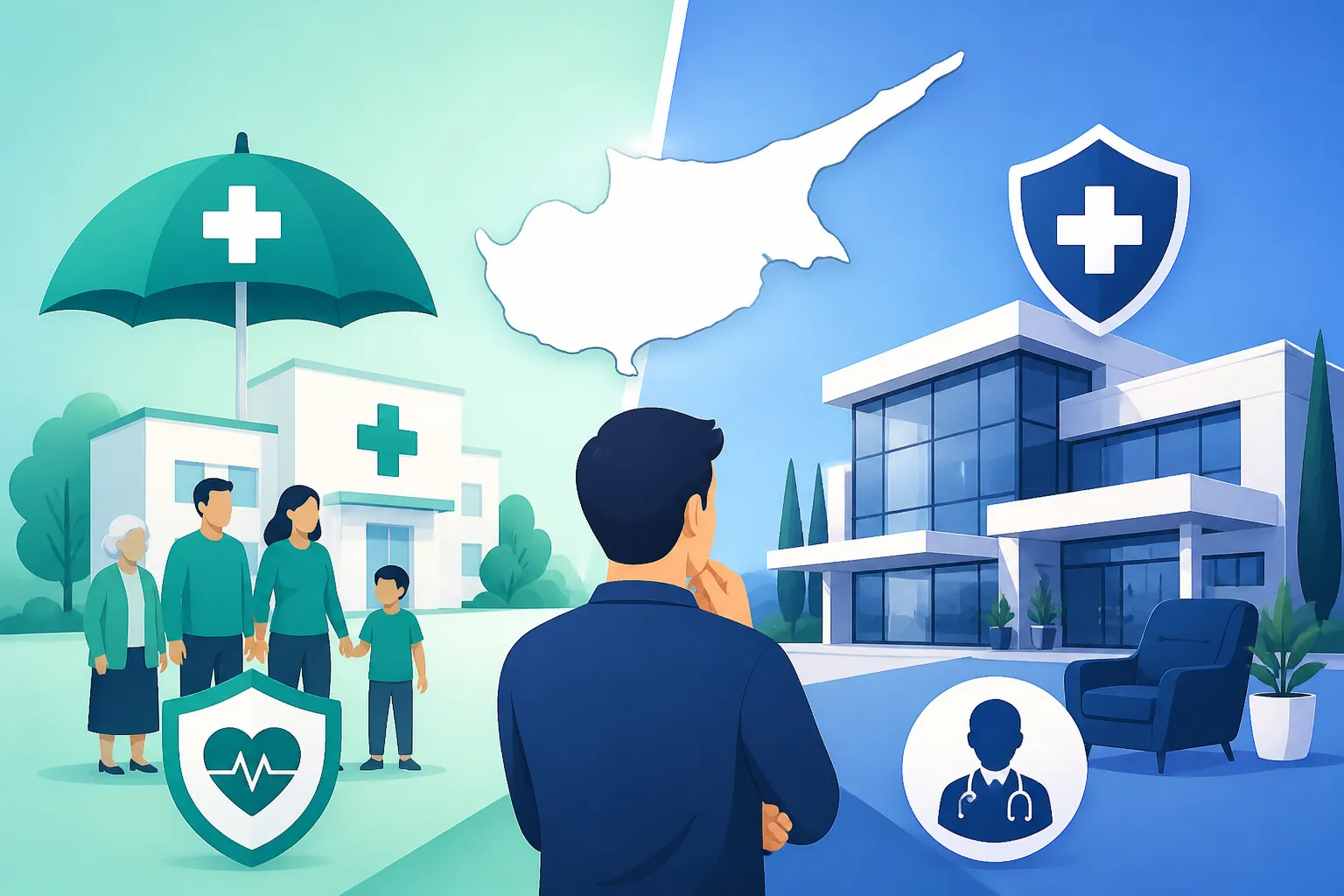
At its core, Cyprus operates with two distinct, yet sometimes overlapping, healthcare pathways: the General Healthcare System (GeSY), often referred to as the national health system, and the robust private healthcare sector. GeSY was introduced in phases, becoming fully operational relatively recently, aiming to provide universal healthcare coverage to legal residents based on social insurance contributions. Think of it as Cyprus's answer to national health services found elsewhere, albeit with its own unique Cypriot flavour of bureaucracy and patient flow.
On the other hand, the private healthcare system has a long-standing presence, comprising a network of private hospitals, clinics, and individual practitioners. This sector existed well before GeSY and continues to thrive, often providing an alternative for those seeking faster appointments, specific doctor choices, or amenities not always available in the public system. Many long-term expats, especially those who arrived before GeSY, have always relied solely on private care, sometimes supplemented by international health insurance.
Why Expats Need to Understand Both
For an expat, understanding both GeSY and the private system isn't just a matter of preference; it's a necessity. Your eligibility for GeSY depends heavily on your residency status and social insurance contributions, which can be a moving target depending on your employment and visa type. Even if you're eligible for GeSY, you might find situations where private care offers a quicker solution or a specialist who speaks your language more fluently. Conversely, relying solely on private care without understanding GeSY means you could be missing out on a comprehensive system you're already contributing to.
Moreover, unexpected medical emergencies or chronic conditions can quickly drain your finances if you're not prepared for out-of-pocket expenses, even with some forms of private insurance. Knowing the strengths and weaknesses of each system allows you to strategize, potentially combining the benefits of GeSY for routine care with private insurance for emergencies or specific preferences. It empowers you to make proactive choices rather than scrambling for information when you're already feeling unwell and vulnerable.
Delving into GeSY: Cyprus's National Health System
GeSY, or the General Healthcare System (ΓεΣΥ in Greek), is Cyprus's attempt at providing comprehensive healthcare for its residents. It's a significant undertaking that has transformed healthcare access across the island. For many, it offers a sense of security, knowing that essential medical services are covered. However, it's also a system that requires careful navigation, especially for expats who might not be familiar with its specific rules and procedures.
Who is Eligible for GeSY? Contributions and Entitlements
The fundamental principle of GeSY eligibility revolves around social insurance contributions. If you are a legal resident of Cyprus and make social insurance payments – either as an employee, self-employed individual, or certain government benefit recipients – you are generally eligible. This includes most working expats who hold a valid work permit and residency. Your employer will automatically deduct contributions from your salary, and if you're self-employed, you'll pay them directly to the Social Insurance Services.
It's not just about paying, though. The Health Insurance Organisation (HIO), which manages GeSY, requires you to register on their portal. This can sometimes be a bottleneck for new arrivals, as the process requires a certain level of administrative patience. Once registered, you and your eligible dependents (spouse and children under 18, or up to 21/23 if in full-time education) gain access to the system. Understanding Who Is Eligible for GeSY in Cyprus can feel like a bureaucratic hurdle race, with differing rules for EU and non-EU citizens, and specific requirements for registering dependents. Some expats, particularly those on specific visa types or early into their residency, might not be immediately eligible, making How Your Residency Status Affects GeSY Access in Cyprus a critical read.
Services Covered by GeSY
GeSY is designed to be comprehensive, covering a broad range of medical services. This includes visits to your personal doctor (GP), specialist consultations (with a referral from your GP), inpatient and outpatient hospital care, prescription medications, laboratory tests, physiotherapy, occupational therapy, and even some dental services (basic preventative care like cleanings, but not complex procedures). Mental health services are also included, which is a significant benefit for many.
However, it's crucial to understand that "covered" doesn't always mean "free." GeSY operates on a co-payment system for many services. For example, you'll pay a small fee for a GP visit, a specialist consultation, or each prescription item. These co-payments are usually quite nominal, often €1 or €3, designed to deter over-usage rather than be a barrier to access. Hospital stays and major surgeries are largely covered without significant direct patient costs beyond initial small co-payments, which is a huge relief for anyone facing serious illness. For a full breakdown, The Cost of Healthcare in Cyprus: A Complete Breakdown for Foreigners (2026) provides more detail on these fees.
Navigating the GeSY System: Personal Doctors and Referrals
Your personal doctor, or GP, is the cornerstone of the GeSY system. This is the first person you'll register with, and they act as your gatekeeper for specialist care. When you register for GeSY, one of your first steps is to Registering with a Personal Doctor (GP) in Cyprus: The Complete Expat Guide (2027). You'll need to choose a GP from the HIO's online portal. They are responsible for your general health, issuing referrals to specialists, ordering basic tests, and prescribing medication.
If you need to see a specialist – say, a dermatologist or a cardiologist – your personal doctor must provide a referral. This ensures a coordinated approach to your care and helps manage the flow of patients within the system. Without a referral, specialist visits are not covered by GeSY, and you would have to pay the full private fee. The referral process usually goes smoothly, but sometimes there can be waiting times for popular specialists, especially in major cities. Learning How Specialist Referrals Work Under GeSY in Cyprus is vital for effective use of the system. Finding an English-speaking GP is often a priority for expats, and while many doctors do speak English, it's worth taking the time to How to Choose a Personal Doctor (GP) Under GeSY in Cyprus who communicates well in your preferred language.
The Ins and Outs of Private Healthcare in Cyprus
While GeSY provides a robust framework for healthcare, the private sector remains a vital and often preferred option for many expats in Cyprus. It offers a different experience, often characterized by greater flexibility, shorter waiting times, and a more personalized approach. Understanding the private system is essential, whether you choose to rely on it entirely or use it to complement your GeSY coverage.
Benefits and Drawbacks of Private Care
The primary draw of private healthcare in Cyprus is speed and choice. You can often get an appointment with a specialist within days, sometimes even the same day, without needing a referral from a GP. This is a significant advantage for those who are used to immediate access or who want to avoid potentially long GeSY waiting lists for non-urgent consultations or procedures. Private facilities also tend to offer more comfortable surroundings, newer equipment, and a wider selection of English-speaking medical professionals. For many, the ability to choose their own doctor and hospital, rather than being assigned one, is a huge benefit.
However, the main drawback is, predictably, cost. Private healthcare in Cyprus can be expensive if you're paying out-of-pocket for every visit, test, and procedure. A single GP consultation can range from €40-€70, while a specialist visit might be €60-€100 or more. Complex surgeries, hospital stays, and extensive diagnostic tests can quickly run into thousands of euros. Without adequate private health insurance, these costs can become a significant financial burden, which is why many who choose this route invest in comprehensive policies.
Types of Private Health Insurance
If you decide to go the private route, health insurance becomes paramount. There are generally two main types of private health insurance available: local Cypriot policies and international health insurance plans. Local policies are typically more affordable and designed specifically for the Cypriot market. They might have a network of local providers they work with and often require direct payment followed by reimbursement, though direct billing is becoming more common.
International health insurance, on the other hand, offers broader coverage, often extending beyond Cyprus, which is beneficial for frequent travellers. These plans tend to be more expensive but provide higher limits, more comprehensive benefits, and a wider choice of hospitals and doctors, both locally and globally. They often have better direct billing agreements, meaning the insurer pays the hospital or clinic directly, saving you the hassle of upfront payments and claims. Companies like SafetyWing offer flexible international plans that can be particularly appealing to digital nomads or those who need coverage that travels with them, covering unexpected illnesses or injuries even while outside their primary country of residence. When considering Understanding Private Health Insurance Options in Cyprus, it’s crucial to evaluate your lifestyle, travel habits, and budget.
How to Access Private Hospitals and Specialists
Accessing private healthcare is typically straightforward. You can directly contact private hospitals or clinics to book appointments with specialists or for diagnostic tests. There's no need for a referral from a GP, although having one can sometimes streamline the process or provide useful background information for the specialist. Major private hospitals across the island, such as Ygia Polyclinic in Limassol, American Medical Center in Nicosia, or Saint George Hospital in Paphos, have dedicated departments and administrative staff who are well-versed in assisting international patients and dealing with various insurance providers.
When you arrive for your appointment, you'll usually be asked for your insurance details or expected to pay upfront. If you have insurance, always check beforehand if the provider has a direct billing agreement with the facility to avoid having to pay and claim later. If you're relying on a flexible international plan like SafetyWing, ensure you understand their claims process and any deductibles that might apply. Many private doctors also operate their own clinics outside of hospital settings, offering more intimate and personalized care, and often, immediate availability.
Comparing GeSY and Private: A Head-to-Head Look
Choosing between GeSY and private healthcare, or deciding how to combine them, is a significant decision for any expat in Cyprus. Both systems have distinct characteristics that impact cost, access, and the overall patient experience. Let's break down the key differences so you can weigh your options effectively.
Cost Comparison: Co-payments vs. Premiums
This is often the most significant factor for many. With GeSY, your contributions are taken directly from your income as part of your social insurance. Once you're eligible, the day-to-day costs are minimal, consisting of small co-payments (typically €1-€3) for doctor visits, specialist consultations (with referral), lab tests, and prescriptions. Major medical events like surgeries or hospital stays have very low, if any, direct out-of-pocket costs for the patient. This predictability and low cost at the point of service is a major benefit, especially for families or those with chronic health conditions.
Private healthcare, conversely, operates on an entirely different financial model. If you're uninsured, you'll pay the full fee for every service, which can quickly accumulate. The real cost comes when you factor in private health insurance premiums. These premiums can vary widely based on your age, health status, desired coverage level, and the insurer. While a basic local policy might be relatively affordable, a comprehensive international plan could run into hundreds or even thousands of euros per year. However, these premiums buy you peace of mind and access to the private sector's benefits. For a deeper dive into the specifics, Understanding GeSY Co-payments and Out-of-Pocket Fees in Cyprus and The Cost of Healthcare in Cyprus: A Complete Breakdown for Foreigners (2026) will offer detailed figures.
Waiting Times and Access to Specialists
Here's where the private system often shines. Waiting times for appointments, especially with specialists, are generally much shorter in the private sector. You might be able to see a specialist within a few days or even the same day if it's urgent. This can be a huge relief if you're dealing with a worrying symptom and want a quick diagnosis. Similarly, elective procedures or diagnostic tests (like MRI scans) can usually be scheduled much faster privately.
GeSY, while providing excellent care, can sometimes involve longer waiting lists. This is particularly true for popular specialists in urban centres or for non-urgent procedures. While the HIO actively works to manage these, the sheer volume of patients can mean you wait weeks, or occasionally months, for a routine specialist appointment. Emergency care, however, is generally efficient in both public and private hospitals, with GeSY covering emergency room visits for eligible individuals. For insights on navigating delays, How Long Are Waiting Lists Under GeSY in Cyprus? is a helpful resource.
Quality of Care and Doctor-Patient Relationships
The quality of medical care in Cyprus, across both systems, is generally high. Doctors are well-trained, often having studied or worked abroad, and many speak excellent English. In the private sector, you might find that doctors have more time for individual patients, leading to longer consultation times and a more personalized experience. The facilities in private hospitals can also be more modern and comfortable, with private rooms often available.
Within GeSY, the quality of care remains high, particularly in the larger public hospitals that boast state-of-the-art equipment. However, the patient experience might differ. Consultations can sometimes feel more rushed due to higher patient loads, and while many GeSY doctors are proficient in English, it's not universally guaranteed, especially outside of major expat hubs. The relationship with your personal doctor under GeSY is crucial, as they are your primary point of contact and care coordinator, making How to Find an English-Speaking Doctor in Cyprus a key step for new residents. Both systems offer competent medical professionals, but the private sector often affords a more consumer-driven, concierge-like experience.
| Feature | GeSY (National Healthcare System) | Private Healthcare (with/without insurance) |
|---|---|---|
| Eligibility | Legal residents making social insurance contributions | Anyone willing to pay or with private insurance |
| Cost Basis | Income-based contributions + nominal co-payments | Full fees out-of-pocket or private insurance premiums + deductibles/co-pays |
| Access Speed | Generally longer waiting times for specialists/non-urgent care | Significantly shorter waiting times; direct access to specialists |
| Doctor Choice | Choose from available GeSY GPs; specialist assigned via referral | Choose any private doctor/specialist |
| Referrals | Mandatory for specialist visits to be covered | Not required; direct booking with specialists |
| Facilities | Public hospitals & clinics; varying modernity | Private hospitals & clinics; generally modern, comfortable |
| English Speakers | Many, especially in urban areas, but not guaranteed | Very common, often a key selling point |
| Coverage Scope | Broad range of services, including hospital, meds, some dental | Varies by insurance plan; full coverage if paying directly |
| Emergency Care | Covered for eligible residents in public hospitals | Covered by private insurance or paid out-of-pocket; available at private hospitals |
Practicalities for Expats: Making the Right Choice
As an expat, navigating the intricacies of the Cypriot healthcare system requires a pragmatic approach. There’s no single "best" solution that fits everyone; your ideal choice will depend on your personal circumstances, health needs, financial situation, and what you prioritize in medical care. The good news is that Cyprus offers flexibility, allowing you to tailor your approach.
Scenarios Where GeSY Shines
GeSY is particularly beneficial for several expat profiles. If you are formally employed in Cyprus and regularly contribute to social insurance, you're already paying into the system, so utilising it makes financial sense. For families with children, GeSY provides comprehensive coverage for pediatric care, vaccinations, and general health needs without the worry of escalating private insurance premiums per child. Individuals with chronic conditions that require frequent doctor visits, ongoing prescriptions, or regular tests will find GeSY's low co-payment structure incredibly cost-effective, offering predictable expenses rather than variable private fees.
Furthermore, if you prioritise cost-effectiveness over immediate access for non-urgent matters, GeSY is an excellent option. While waiting times can exist, the fundamental services are there, and the peace of mind that comes with knowing major medical events are largely covered for a minimal out-of-pocket cost is invaluable. For many, Is Healthcare Free in Cyprus for Residents? is a question answered by GeSY, as it offers near-free access at the point of care for those who contribute.
When Private Healthcare is a Better Fit
Private healthcare, with or without comprehensive insurance, often becomes the preferred choice in situations where speed, specific doctor choice, or seamless international coverage are paramount. If you're a high-income earner who prioritises instant access to specialists and minimal waiting times, or if you simply prefer the amenities and personalised service of private hospitals, the private route is likely for you. Expats who travel frequently outside of Cyprus might find international private health insurance, like those offered by SafetyWing, more suitable, as it provides seamless coverage wherever they are in the world, not just within Cyprus.
For those who are not eligible for GeSY – perhaps you're a student, a retiree not meeting specific criteria, or on certain types of visas that don't entail social insurance contributions – private insurance becomes a necessity. Also, if you want specific treatments or second opinions that might not be readily available or easily accessible through GeSY, the private sector offers greater flexibility. Understanding Private Health Insurance Options in Cyprus can help you explore policies that cater to these specific needs, from basic outpatient to comprehensive inpatient and international coverage.
The Hybrid Approach: Combining Both Systems
Many savvy expats adopt a hybrid strategy, leveraging the best aspects of both GeSY and the private system. This often involves registering for GeSY and using it for routine GP visits, common illnesses, and prescription medications, where the co-payments are low and access is generally good. This covers the bulk of everyday medical needs efficiently and affordably.
However, for instances where speed is critical, or for specialist consultations where GeSY waiting times are too long, they might opt to pay privately for a single consultation or a diagnostic test. Some expats also maintain a private insurance policy with a high deductible, primarily for catastrophic events or to cover specific services not fully included in GeSY (e.g., extensive dental work, certain elective procedures, or access to a particular private hospital). This 'top-up' or 'gap' coverage ensures they have a safety net while still benefiting from their GeSY contributions. It's a pragmatic approach that allows for flexibility without breaking the bank, providing an ideal balance for many long-term residents.
Addressing Common Expat Concerns and Misconceptions
Moving to a new country and figuring out the healthcare system is never easy. Expats often arrive with questions, fears, and sometimes, misconceptions about how things work on the ground. Let's tackle some of these common concerns, drawing on real-life experiences to give you a clearer picture.
Emergency Care: What to Expect
One of the biggest worries for anyone abroad is a medical emergency. In Cyprus, the emergency services are well-established. For any medical emergency, dial 112 (the pan-European emergency number). This connects you to services that can dispatch an ambulance or guide you to the nearest emergency department. Public hospitals across Cyprus have Accident & Emergency (A&E) departments that operate 24/7. If you are eligible for GeSY, emergency treatment in a public hospital is covered, usually with a small co-payment for the visit, if any.
Private hospitals also have emergency departments, and if you have private health insurance, it will typically cover emergency treatment there, subject to your policy terms. If you don't have private insurance and choose a private emergency room, you will be expected to pay upfront. It's crucial to understand that in a life-threatening situation, you will be treated regardless of your insurance status, but the billing will follow later. Knowing Emergency Medical Care in Cyprus: What Every Expat Needs to Know can provide immense peace of mind, outlining precisely what to do and where to go when seconds count.
Prescription Medications and Pharmacies
Cyprus has an excellent network of pharmacies, easily identifiable by a green cross sign. Many pharmacists speak English, especially in tourist areas and major cities, and they are often your first point of contact for minor ailments. For prescription medications under GeSY, your personal doctor or specialist will issue an electronic prescription, which you can then take to any GeSY-registered pharmacy. You will pay a small co-payment per item (usually €1). The pharmacist will have access to your electronic prescription via the GeSY system.
If you opt for private care, your private doctor will issue a paper prescription. You can take this to any pharmacy, but you will pay the full cost of the medication. It's worth noting that drug prices are regulated in Cyprus, so while private prescriptions are full price, they are generally not exorbitant. For expats arriving from countries with different medication names, it’s always helpful to bring a list of your generic drug names to your doctor or pharmacist. Detailed information can be found in Prescription Medications and Pharmacies in Cyprus: The Complete Guide.
Adding Dependents and Family Coverage
Navigating healthcare for the whole family can be a significant administrative task. Under GeSY, if you are an eligible beneficiary, you can add your immediate family members as dependents. This usually includes your spouse and children under 18, and in some cases, children up to 21 or 23 if they are in full-time education and financially dependent on you. The process involves submitting an application through the HIO portal or at one of their offices, providing proof of relationship and dependency. Once approved, they will also have access to GeSY services with the same co-payments.
For private health insurance, adding dependents means paying additional premiums per person, which can significantly increase the total cost of your policy. Each family member will have their own coverage and policy details. If you're considering a family move, evaluating How to Add Dependents to Your Health Coverage in Cyprus for both GeSY and private options is crucial to budget effectively and ensure everyone is covered. It's an area where the comprehensive nature of GeSY for families can offer considerable financial advantages over private alternatives.
Key Considerations for Newcomers and Long-Term Residents
Whether you've just landed or have been soaking up the Cypriot sun for years, understanding how your healthcare needs might evolve is crucial. The system, while relatively stable, does see minor adjustments, and your personal circumstances as an expat can change, impacting your best healthcare strategy.
Registering for GeSY After Moving to Cyprus
For newcomers, one of the first and most confusing steps can be actually getting into GeSY. It's not automatic, even if your employer starts deducting social insurance contributions from day one. You need to officially register with the Health Insurance Organisation (HIO) through their online portal. This often requires you to have your alien registration number (ARC) or identity card, and proof of your social insurance contributions. The system might take a few weeks to register your contributions, causing a delay in your eligibility. During this interim period, many expats rely on travel insurance or a short-term private policy, such as those offered by SafetyWing, to cover any immediate medical needs.
The process of How to Register for GeSY (General Healthcare System) in Cyprus (2027) involves creating an account, linking your social insurance number, and then selecting a personal doctor. Be prepared for some administrative back-and-forth; it's part of the expat experience here. Once successfully registered, you’ll receive confirmation, and you can start utilising the services. Remember, without this registration, even if you’re contributing, you won’t be able to access GeSY benefits.
Finding an English-Speaking Doctor
For many expats, the language barrier is a significant concern, especially when discussing health matters. Thankfully, Cyprus has a high proportion of medical professionals who speak English, particularly in the major cities like Limassol, Nicosia, and Paphos. Both the GeSY and private sectors have many English-speaking doctors. When choosing your personal doctor for GeSY, the HIO portal allows you to search for GPs in your area, and often, clinics will indicate the languages spoken by their doctors.
For private care, English-speaking doctors are even more prevalent, and many private clinics actively market their multi-lingual staff. Don't hesitate to call a clinic or doctor's office and ask about language proficiency before making an appointment. Online expat forums and social media groups are also invaluable resources for recommendations on How to Find an English-Speaking Doctor in Cyprus who are known for their excellent communication and patient care. Good communication with your doctor is paramount to effective treatment and understanding your health conditions.
Reviewing Your Options Annually
Healthcare needs and financial situations can change, so it's wise to review your healthcare strategy annually. Perhaps your family situation has changed, or you've developed a new health condition. What worked perfectly for you as a single expat might not be suitable if you now have a family. Similarly, if your employment status changes (e.g., from employed to self-employed or retired), your GeSY eligibility or contribution levels might be affected.
Consider whether your current private insurance policy still meets your needs and budget, especially as premiums can increase with age. If you're on a flexible international plan, ensure it still aligns with your residency and travel plans. Assess whether the balance between GeSY and any private coverage you hold is still optimal for your peace of mind and financial security. This annual check-up of your healthcare coverage ensures that you always have the most appropriate and cost-effective plan in place for your life in Cyprus.
Disclaimer
The information provided in this guide is intended for general informational purposes only and does not constitute professional medical, legal, or financial advice. While we strive to keep the information up-to-date and accurate, regulations and services within the Cypriot healthcare system (GeSY and private) can change. It is always recommended to consult with official government sources, a qualified healthcare professional, legal advisor, or insurance expert for advice tailored to your specific situation. Reliance on any information in this guide is solely at your own risk.