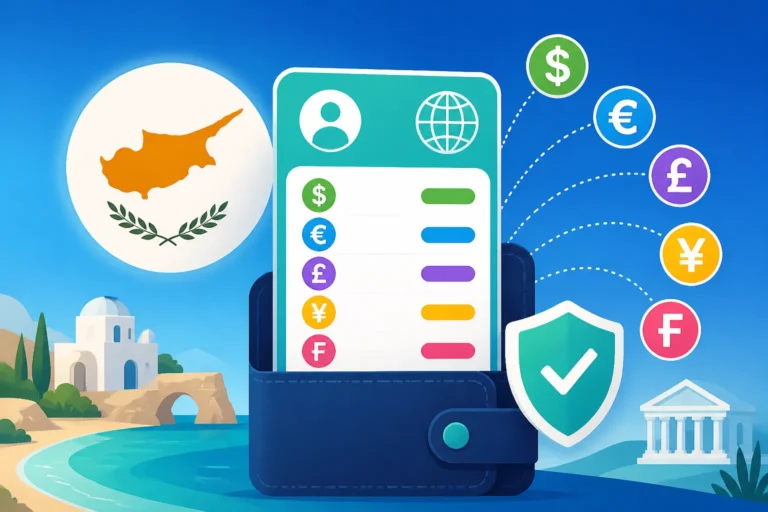
Can I Open a Cypriot Bank Account as a Non-Resident?
One of the first, most baffling challenges many newcomers face when moving to or even just spending extended time in Cyprus is the seemingly simple task of opening a bank account. You'd think it would be straightforward, but as a non-resident, the process can feel like navigating a labyrinth with ever-changing rules. This guide is here to cut through the confusion, offering realistic expectations and practical advice on whether you can open a Cypriot bank account as a non-resident, what you'll need, and how to manage your finances here without losing your sanity.
Navigating the Initial Hurdle: Can Non-Residents Really Open a Bank Account in Cyprus?
Let's address the elephant in the room right away: Yes, in principle, a non-resident can open a bank account in Cyprus. However, the reality of it is often far more complex and demanding than many might anticipate, especially if you're comparing it to opening an account in your home country. You'll hear stories from seasoned expats about how it used to be much easier, a simple walk-in-and-sign affair. Those days are long gone, primarily due to stricter international regulations aimed at combating money laundering and financial crime. Banks are now under immense pressure to know their customers (KYC – Know Your Customer) inside out, and that means a whole lot more paperwork and scrutiny for anyone without a clear, established link to the country.
The Legal Stance Versus Practical Reality
Legally speaking, Cypriot banks are permitted to open accounts for individuals who are not residents of Cyprus. This is especially true for those with legitimate ties to the island, such as property owners, business investors, or those with immediate plans to relocate. The catch is that each bank has its own internal policies, risk assessments, and interpretation of these regulations. What one bank might accept, another might flat-out refuse. This inconsistency is a source of immense frustration for many foreigners, making the process feel like a lottery. You might get lucky on your first try, or you might spend weeks going from branch to branch, gathering increasingly obscure documents. It really depends on the individual bank, the specific branch, and sometimes, even the person behind the counter.
The key takeaway here is to manage your expectations. Don't assume it will be quick or easy. Prepare for bureaucracy, prepare for questions, and prepare for potential rejections. Having a clear, understandable reason for needing a Cypriot bank account as a non-resident will significantly help your case. If you're buying property, investing in a local business, or moving funds related to a future residency application, be ready to articulate that clearly and provide supporting evidence. For general banking purposes without a strong local connection, it becomes a much harder sell.
Who Qualifies as a "Non-Resident" for Banking Purposes?
When a Cypriot bank refers to a "non-resident" for account opening, they're generally talking about someone who doesn't hold a valid Cypriot residence permit (like a Pink Slip or Yellow Slip) and isn't considered a tax resident under the Cypriot tax system. This could include:
- Tourists or frequent visitors: If you spend several months a year here but maintain your primary residence and tax obligations elsewhere.
- Property owners: Individuals who have purchased real estate in Cyprus but don't yet live here full-time.
- Investors: Those making financial investments in Cyprus without necessarily relocating.
- Individuals planning to relocate: People who are in the process of moving to Cyprus, perhaps waiting for their residency permits, but need a local account for initial setup costs or property purchases.
Your status as an EU or non-EU citizen can also play a role, though the general requirements for non-residents tend to be stringent regardless. EU citizens often have an easier time transitioning to residency and thus opening accounts, but as a non-resident, the scrutiny is similar. For anyone working towards becoming a resident, understanding the process for obtaining your Understanding Residence Permits and the Pink Slip in Cyprus (2027) is crucial, as this will eventually simplify your banking life significantly.
The Gauntlet of Documentation: What You Actually Need
This is where the rubber meets the road, or rather, where your patience will be truly tested. Cypriot banks are notorious for their extensive documentation requirements, which can often feel like a moving target. What's sufficient for one bank might be deemed inadequate by another. Furthermore, documents might need to be translated, apostilled, or certified, adding extra layers of cost and time. This isn't just about showing who you are; it's about proving why you need an account here and demonstrating the legitimacy of your funds.
Proving Your Identity and Address: More Than Just a Passport
Beyond the obvious requirement of your passport, you'll need a robust portfolio of documents to satisfy the bank's KYC requirements. Here's a general checklist, but always be prepared for more:
- Valid Passport: This is a non-negotiable. It must be current and not close to expiration.
- Proof of Residential Address (Non-Cypriot): This is for your permanent address outside Cyprus. Think utility bills (electricity, water, gas – not mobile phone bills), bank statements, or official government correspondence, all dated within the last three months. The catch? They usually need to be in your name and clearly show your address.
- Proof of Residential Address (Cypriot, if applicable): If you've already secured a rental agreement or purchased property in Cyprus, bring a copy. This helps establish your connection to the island. If you’re just setting up utilities, this can serve as an initial stepping stone, so keep all your The Expat Guide to Setting Up Utilities (Electricity, Water, Internet) in Cyprus documents handy.
- Proof of Income/Financial Standing: This is increasingly important. Banks want to see where your money comes from. This could be recent pay slips, tax returns, audited financial statements for your business, or pension statements. They need assurance that your funds are legitimate.
- Bank Reference Letter: Often, a letter from your current bank in your home country, confirming you've been a customer in good standing for a certain period, is required. This needs to be on official letterhead.
- Purpose of Account and Expected Activity: You might need to fill out a detailed form explaining why you need the account (e.g., property purchase, future relocation, investment) and what kind of transactions you anticipate.
Always make sure any documents not in Greek or English are officially translated and certified. This might sound like overkill, but trust me, it saves endless headaches down the line.
Table: Common Documents Required for Non-Resident Bank Accounts
| Document Category | Specific Item | Notes for Non-Residents |
|---|---|---|
| Identification | Valid Passport | Essential. Must not be expired or close to expiration. |
| Proof of Address | Foreign Utility Bill/Bank Statement | Dated within 3 months, in your name, showing your permanent address outside Cyprus. Must be certified/translated if not in English/Greek. |
| Cypriot Rental/Property Contract | If applicable, helps establish a local link. | |
| Financial Standing | Salary Slips/Tax Returns | Proof of legitimate income source. Usually for the past 3-6 months. |
| Bank Reference Letter | From your current bank, stating good standing, account opening date, and usually, no bounced cheques. | |
| Purpose of Account | Written Statement/Form | Clearly outlining why you need a Cypriot account (e.g., property, investment, future residency). |
| Additional Documents | Curriculum Vitae (CV) | Some banks ask for this to understand your professional background. |
| Tax Identification Number (TIN) | From your home country. You will also need to get a Cypriot one eventually if you become a tax resident, as detailed in The Complete Guide to Taxes in Cyprus for Expats (2027). |
The Source of Funds Quandary and Other Bureaucratic Demands
The "source of funds" is a huge deal for Cypriot banks. They don't just want to see that you have money; they want to know how you got it. This is a direct consequence of past financial controversies and the current stringent anti-money laundering regulations. Be prepared to provide documentation for any large sums you plan to deposit, especially if they are coming from a non-EU country. This could mean sales agreements for property, inheritance documents, business sale contracts, or even detailed explanations of savings accumulated over time. The more transparent and well-documented your financial history, the better your chances.
Another common demand, particularly for those opening an account with the intention of eventual residency, is a Cypriot Tax Identification Code (TIC) or a confirmation that you are in the process of obtaining one. Even though you are a non-resident, showing intent to formalise your presence often helps. You can find more information on this if you are planning to become a resident, by looking at articles like What Documents Do I Need to Open a Bank Account in Cyprus?.
Choosing the Right Bank: Big Players vs. Smaller Options
Cyprus has a few main banking players, with Bank of Cyprus and Hellenic Bank being the two largest. They have the most extensive branch networks and offer a full range of services. For non-residents, these banks are often the first port of call, but they also tend to be the most bureaucratic due to their size and regulatory exposure. Smaller cooperative banks or international branches might sometimes offer a slightly more personal touch, but their services might be more limited.
When considering which bank to approach, it's worth doing some upfront research. Don't just walk into the first branch you see. Ask around in expat forums, speak to real estate agents (if you're buying property), or consult with local legal or accounting firms. They often have up-to-date insights into which banks are currently more accommodating to non-residents. Some banks might have dedicated international client departments, which could streamline the process. For a deeper dive into options, consider reading How to Choose the Best Bank for Expats in Cyprus. You'll want to choose a bank that can eventually support you with all your financial needs, including online banking capabilities and easy international transfers, which are vital for expats.
The Application Process: Expect Delays and Persistence
Once you’ve gathered your mountains of paperwork, the actual application process begins. It's rarely a one-day affair. From your initial inquiry to actually having a functional account, you should factor in weeks, possibly even months, especially for non-residents. This is not a reflection of inefficiency, but rather the meticulous due diligence required by current regulations.
Step-by-Step: From Initial Inquiry to Account Activation
- Initial Contact & Document Submission: Your journey will typically start with an appointment at a branch, or sometimes even an online inquiry. You’ll present your initial set of documents. Don't be surprised if they ask for additional items on the spot or within a few days. Be polite, patient, and persistent. This stage can feel like a game of 'fetch', where you continually bring more documents.
- Review and Due Diligence: The bank will then review your application and documents. This is the longest phase. They will verify your identity, check your background, and scrutinise your source of funds. This might involve internal checks, contacting your previous banks, or even querying tax authorities. This is why a thorough understanding of How to Open a Bank Account at a Cypriot Bank as a Foreigner is essential before you even walk in the door.
- Approval and Account Opening: If everything checks out, the bank will eventually approve your application. You'll then sign the necessary forms and your account will be opened. You’ll receive your IBAN, and typically, your debit card will be mailed to you within a few days or weeks.
- Online Banking Setup: Once your account is active, you’ll usually need to visit the branch again to set up your online banking credentials. This is a crucial step for managing your finances remotely and making transfers. Learning How to Set Up Online Banking with a Cypriot Bank promptly will save you many future trips to the physical branch.
Remember, this isn't a race. The more prepared and organised you are with your documents from the outset, the smoother, albeit still slow, the process will be.
Common Pitfalls and How to Overcome Them
Many expats trip up during this process. Here are some common pitfalls and how to navigate them:
- Incomplete Documentation: This is the most frequent cause of delays. Always over-prepare. If they ask for proof of address, bring two different types. If they ask for income proof, bring multiple months of statements. Having everything apostilled or certified from your home country before you arrive can also save time.
- Lack of a Clear Local Link: If you genuinely have no intention of becoming a resident, owning property, or running a business in Cyprus, banks might be reluctant. A clear, legitimate reason is paramount. If you're buying a house, bring the sales agreement. If you're incorporating a company, bring the company registration documents.
- Language Barrier: While many bank staff in Cyprus speak excellent English, especially in larger cities like Limassol and Nicosia, there might be moments where a specific term or nuance is lost. If you're struggling, consider bringing a trusted Greek-speaking friend or engaging a professional to help.
- Patience Depletion: This process tests even the most stoic individuals. It’s easy to get frustrated. Take a deep breath, remain polite but firm, and follow up regularly but not incessantly. A positive attitude, even when faced with bureaucratic hurdles, can make a difference.
If you hit a wall with one bank, don't give up entirely. Try another. Their policies can differ significantly, and you might find a more accommodating branch or officer elsewhere.
Essential Alternatives for Managing Your Money
Let’s be honest, for many non-residents, navigating the Cypriot banking system can be a monumental headache. Thankfully, in our increasingly globalised world, traditional banks aren't your only option for managing money internationally. While they won't replace a full Cypriot bank account for certain local transactions (like receiving a Cypriot salary or paying local mortgages), these alternatives can bridge the gap beautifully and manage much of your financial activity.
Exploring Digital Banks and Multi-Currency Accounts
The rise of digital banks and fintech platforms has been a godsend for expats and frequent travellers. Companies like Wise (formerly TransferWise) offer multi-currency accounts that allow you to hold, send, and receive money in numerous currencies, often with much lower fees and better exchange rates than traditional banks.
For a non-resident in Cyprus, a Wise account (or similar platforms like Revolut) can be incredibly useful:
- Hold multiple currencies: You can keep euros alongside your home currency, making it easy to manage expenses in Cyprus without constant conversions.
- Receive international payments: You can often get local bank details for countries like the UK (GBP), Eurozone (EUR), US (USD), and more. This means you can receive payments as if you had a local bank account in those regions, which is fantastic for managing international income or receiving funds from abroad.
- Lower transfer fees: When you need to send money to or from Cyprus, services like Wise are typically far cheaper and faster than traditional bank transfers. This is especially relevant if you frequently need to How to Transfer Money Into and Out of Cyprus as an Expat.
- Debit cards: Most digital banks offer a debit Mastercard or Visa, which you can use for payments and ATM withdrawals in Cyprus, just like a local card.
While these accounts don't offer an official Cypriot IBAN (they typically provide a Belgian or German IBAN for EUR transactions), they are perfectly legitimate for daily spending, online purchases, and receiving international payments. They are a robust temporary solution and often a permanent complement to a local Cypriot bank account, especially if you deal with multiple currencies. For those who are not yet fully established or are waiting for their residency permits to clear, this is often the most practical way to handle day-to-day finances. You can explore options for How to Open a Foreign Currency Account in Cyprus for more traditional bank alternatives as well.
The Role of International Money Transfer Services
Even if you manage to open a Cypriot bank account, you’ll likely still need reliable international money transfer services. Traditional banks often charge hefty fees and offer less favourable exchange rates for cross-border transactions. This is where dedicated services really shine.
- Cost-Effectiveness: Companies like Wise or others in the market specialise in international transfers, offering transparent fees and competitive exchange rates. This means more of your money arrives at its destination.
- Speed: Transfers are often much faster, sometimes arriving within minutes or hours, compared to the several business days a traditional bank might take.
- Convenience: The entire process can usually be managed online or through a mobile app, saving you trips to the bank.
Whether you're sending money home to family, receiving funds from an overseas employer, or moving savings to your new Cypriot account, understanding these services is key to smart financial management in Cyprus. It's an indispensable tool for nearly every expat, helping you keep track of your money without excessive charges.
Disclaimer
The information provided in this guide is for general informational purposes only and does not constitute financial, legal, or tax advice. While we strive to keep the information up-to-date and correct, banking regulations and requirements in Cyprus can change rapidly. Always consult with a qualified professional, such as a financial advisor or legal counsel in Cyprus, for advice tailored to your specific situation before making any financial decisions.