How Do I Get a Same-Day Sick Note in Cyprus?
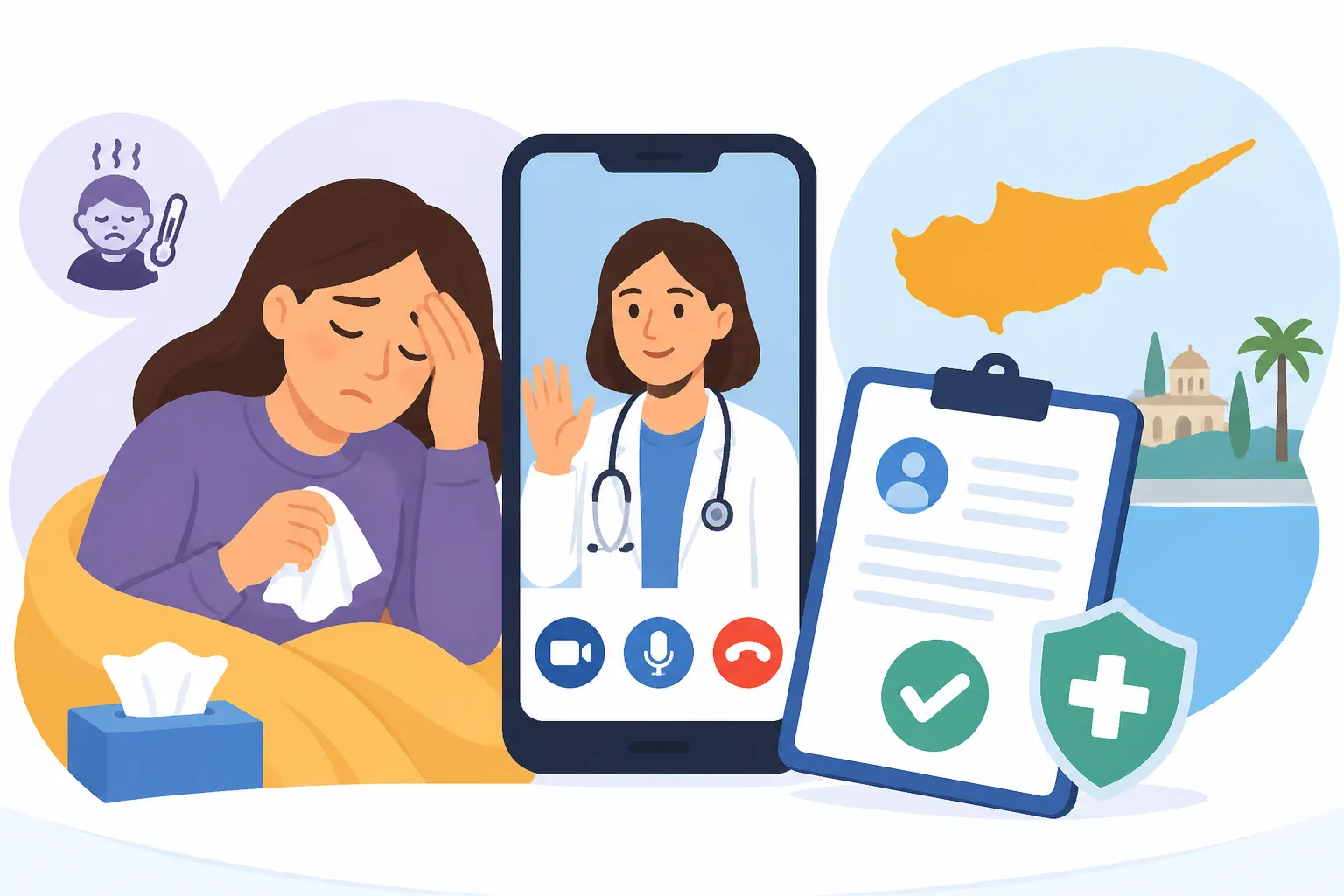
Getting sick in a new country like Cyprus can throw you for a loop, especially when your employer or a travel insurance claim demands a sick note, and you need it today. The panic sets in: Who do I call? Where do I go? Will they even understand me? It’s a common expat dilemma. This guide is here to walk you through the ins and outs of securing a same-day sick note in Cyprus, helping you navigate the local healthcare system with a bit more confidence and a lot less stress.
Understanding Sick Notes in Cyprus: The Basics for Expats
First things first, let's demystify what a sick note (or medical certificate, as it's often called here) actually is and why it's so important. It's not just a formality; it's a formal document issued by a licensed medical professional stating that you are unwell and unable to perform your duties, whether that's at work, school, or even for certain legal or insurance purposes. Failing to provide one when required can lead to all sorts of administrative headaches, from unpaid leave to issues with claims.
Why You Might Need a Sick Note
The reasons for needing a sick note are pretty universal, but the consequences of not having one can feel particularly acute when you’re an expat figuring things out. Most commonly, your employer will require a medical certificate if you're absent for more than a day or two. Some workplaces even ask for one for a single day's absence, depending on their internal policies. This isn't just about proving you're genuinely ill; it's also a crucial document for your employer to accurately process your sick leave and for you to potentially claim social insurance benefits for prolonged illness. Imagine missing a few days due to a nasty flu – without that note, your employer might mark it as unpaid leave, which nobody wants when trying to manage the cost of living in Cyprus.
Beyond work, you might need a sick note for travel insurance claims. Perhaps you’ve had to cancel a trip last minute due to illness, or you’ve cut a trip short. Reputable travel insurance providers, even flexible options like SafetyWing, will require medical documentation to process your claim for trip cancellation, interruption, or even medical expenses incurred while abroad. It's all about proving that your illness was legitimate and impacted your plans. For children, schools may also require a sick note for extended absences, especially for contagious illnesses, to ensure the health and safety of other students.
The Role of Personal Doctors GPs and Clinics
In Cyprus, your Personal Doctor, or GP, is the primary gateway to getting a sick note. This holds true whether you are registered under the General Healthcare System (GeSY) or rely on private healthcare. Your GP is the one who understands your medical history (or at least establishes it during your visit) and can officially certify your inability to work or attend school. They are responsible for assessing your condition, determining the necessary recovery period, and issuing the appropriate documentation.
If you are covered by GeSY, registering with a Personal Doctor (GP) in Cyprus is a foundational step. This doctor becomes your first point of contact for almost all non-emergency medical needs, including consultations for sick notes. For those utilizing private healthcare, you'll still typically go through a general practitioner at a private clinic or hospital first. While you might think about heading straight to a specialist for a specific ailment, a GP is usually the one who confirms the initial illness and provides the sick note, sometimes referring you to a specialist if your condition warrants further investigation. This structure ensures that medical professionals have a holistic view of your health and that sick notes are issued responsibly and accurately.
Navigating the System for a Same-Day Sick Note
When you wake up feeling utterly miserable and know you need a sick note by the end of the day, panic can quickly set in. But don't worry, there are clear steps you can take, whether you're a seasoned expat with a trusted GP or a newcomer still figuring out How to Register for GeSY After Moving to Cyprus.
Accessing Your Registered Personal Doctor GeSY or Private
If you've been in Cyprus for a while and have already taken the crucial step of registering with a personal doctor, you're in the best position for a same-day sick note. This is the simplest and most recommended route.
For GeSY-registered individuals:
The first thing you should do is call your registered Personal Doctor's clinic as soon as they open. Explain clearly, in English if necessary (many clinics have English-speaking staff), that you are unwell and believe you need a sick note for work or another institution. Emphasize that you need to be seen today. GeSY doctors often have slots reserved for urgent, same-day appointments, especially for existing patients. Be prepared to describe your symptoms accurately so they can gauge the urgency. Sometimes, if your symptoms are mild and your doctor knows your history, they might even provide initial advice over the phone, though a physical examination is usually required for a formal sick note. If you cannot reach your specific doctor, some larger GeSY polyclinics might have a duty doctor who can see you.
For private patients with a regular GP:
The process is very similar. Call your private clinic immediately. Private doctors generally have more flexibility with scheduling and are often more readily available for same-day appointments, though you will be paying out-of-pocket for the consultation unless your private health insurance policy covers it. Many private clinics are accustomed to expats needing urgent appointments and sick notes for various reasons, including for claiming with international health insurance providers like SafetyWing. Be clear about needing a sick note, and they will guide you through their process, which usually involves a short wait at the clinic before seeing the doctor.
Regardless of whether you're GeSY or private, always call first. Turning up unannounced might work in some smaller, quieter clinics, but it's risky and can lead to longer waits or being turned away if they're fully booked. Calling ahead ensures they can fit you in, advise you on the best time to come, and tell you what documents you might need to bring along.
What to Do If You Don't Have a Registered GP
This is where many newcomers to Cyprus find themselves, and it can feel incredibly daunting. You're sick, you need a note, and you haven't yet found or registered with a regular doctor. Don't despair; you still have options, though they might involve a bit more legwork or expense.
Firstly, a word of caution: if your condition is genuinely an emergency, such as severe chest pain, difficulty breathing, or a serious injury, you should head straight to the nearest hospital's A&E department or call 112 for an ambulance. However, for typical sick note reasons (like a bad flu, stomach bug, or common cold), the emergency room is not the appropriate place to seek a sick note. You will likely face long waits and be redirected, as they prioritize life-threatening conditions. Misusing emergency services can also incur higher costs if you are not in an emergency situation. For more on this, you can refer to Emergency Medical Care in Cyprus: What Every Expat Needs to Know.
For non-emergency sick notes when you don't have a GP, your best bet is a private walk-in clinic or a private hospital's outpatient department. These facilities are designed to handle immediate, non-scheduled consultations.
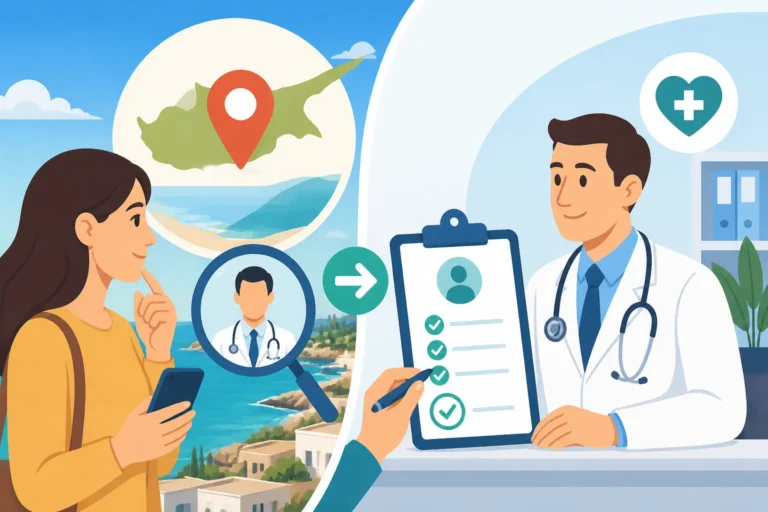
- How to find one: A quick online search for "walk-in clinic Limassol," "private doctor Nicosia," or "medical centre Paphos" will usually yield several results. Many private clinics specifically cater to the expat community and will have English-speaking staff and doctors. Websites for major private hospitals like Ygeia Polyclinic in Limassol, Apollonion Private Hospital in Nicosia, or Evangelismos Hospital in Paphos are good starting points.
- What to expect: When you arrive, you'll register as a new patient. You'll need to provide your passport or ID, and potentially proof of address (though less common for a one-off visit). You will pay for the consultation upfront, which can range from €40-€80 or more, depending on the clinic and city. While it's an out-of-pocket expense, this route usually offers the fastest access to a doctor for a sick note if you don't have a registered GP. If you have private health insurance, make sure to get a detailed receipt for potential reimbursement. Some international health insurance plans, like SafetyWing, are designed to cover such unexpected medical costs for expats and digital nomads.
The Consultation and Obtaining the Note
Once you're in front of the doctor, whether at your regular GP's office or a private clinic, the process for obtaining the sick note is relatively straightforward.
First, the doctor will conduct a consultation. This involves asking you about your symptoms, when they started, their severity, and any other relevant medical history. They will perform a physical examination if necessary, such as checking your throat, listening to your chest, or taking your temperature. It’s crucial to be honest and clear about your condition to ensure the doctor makes an accurate assessment. Don't try to exaggerate or minimize your symptoms; a medical professional needs a true picture to provide appropriate care and certification.
After the examination, the doctor will determine if a sick note is warranted and for how long. The sick note itself will typically include:
- Your full name and identification number (e.g., passport or ARC number)
- The date of the consultation
- A statement that you were examined and found to be suffering from a specific condition (though often generalized for privacy, like "acute respiratory infection")
- The recommended period of absence from work/school (e.g., "unable to work from [start date] to [end date]")
- The doctor's name, signature, and stamp (essential for validity)
In Cyprus, these notes are typically physical paper documents. While some systems are moving towards digitalization, you should expect to receive a printed note. Always double-check the dates and your name on the note before you leave the clinic to ensure everything is correct. If you require it for an international purpose, like a travel insurance claim through a provider like SafetyWing, you might ask for an English version or for the doctor to ensure the key information is presented clearly in English. Keep the original note safe and make copies for your records before submitting it to your employer or institution.
Important Considerations and Potential Hurdles
Even with the best intentions, navigating the healthcare system for a same-day sick note can present a few challenges for expats. Knowing what to expect and what issues might arise can help you prepare.
GeSY vs. Private for Same-Day Notes
The choice between GeSY and private healthcare significantly impacts your experience when seeking a same-day sick note, particularly concerning speed and cost.
GeSY:
- Pros: Minimal out-of-pocket cost (usually a small co-payment for the visit, if applicable, or free for many services). If you have a registered GeSY Personal Doctor, getting an appointment on the same day can be relatively easy, especially for established patients with urgent needs. This is part of the system's design – to have a primary point of contact for routine and urgent care. You can learn more about How Cyprus's Health System Works: GeSY vs Private Explained.
- Cons: Waiting times can sometimes be longer, especially if your doctor is very busy or if you are trying to see a "duty doctor" at a larger polyclinic rather than your specific registered GP. There might be a perception among some expats that GeSY can be slower, though for an established GP relationship, this isn't always the case for same-day needs. If you don't have a registered GeSY GP, you won't be able to just walk into any GeSY clinic for a same-day appointment. You'd first need to register, which isn't a same-day process.
Private Healthcare:
- Pros: Generally offers faster access to doctors and shorter waiting times for appointments. Many private clinics cater specifically to expats, often guaranteeing English-speaking doctors and more immediate service. If you don't have a registered GeSY GP, a private walk-in clinic is usually the quickest way to see a doctor today.
- Cons: Significantly higher costs. A single private GP consultation can range from €40 to €80, and if you need any tests or medication, those are additional expenses. While private health insurance might cover this, you'll still need to pay upfront and claim reimbursement, which can take time. This is where comprehensive expat insurance can be a lifesaver.
| Feature | GeSY (Registered GP) | Private Clinic (Walk-in/Appointment) |
|---|---|---|
| Accessibility | Good for existing patients, harder if not registered. | High, especially for walk-ins; caters to new patients/expats. |
| Cost | Low co-payment (e.g., €1-€6), often free for GP visits. | Full consultation fee (€40-€80+), paid upfront. |
| Waiting Times | Variable, can be quick for urgent slots with own GP. | Generally shorter for urgent needs. |
| Language | Many English-speaking doctors, but not guaranteed. | High likelihood of English-speaking staff and doctors. |
| Sick Note Process | Standard, requires doctor's assessment. | Standard, requires doctor's assessment. |
| Insurance Claim | N/A (GeSY covers directly). | Reimbursable with private insurance, e.g., SafetyWing. |
Cost Implications and Insurance Coverage
The financial aspect of getting a sick note is a legitimate concern, particularly when unexpected illness strikes.
If you are a GeSY beneficiary, your visit to your Personal Doctor for a sick note is typically covered with very minimal or no co-payment. For instance, a visit to your registered GP might only cost you €1, or even be free depending on your eligibility and circumstances. The cost of any prescribed medication will also have a small co-payment under GeSY. This makes GeSY an incredibly cost-effective option for expats who are eligible and registered. However, if you're not yet registered, or if you're visiting GeSY out-of-hours clinics (which might also provide sick notes), there could be slightly higher co-payments. You can find out more by reading Understanding GeSY Co-Payments and Out-of-Pocket Fees in Cyprus.
For private healthcare, the costs are entirely out-of-pocket at the point of service. A standard GP consultation can range anywhere from €40 to €80, depending on the clinic's location and reputation. If the doctor recommends any blood tests, imaging (like an X-ray), or refers you to a specialist, these will incur additional, significant costs. This is where having private health insurance, whether it's a local Cypriot plan or an international expat insurance policy, becomes invaluable. Policies from providers like SafetyWing are designed to cover unforeseen medical expenses, often including GP visits and the subsequent costs of medication or further diagnostics. When using private insurance, always ensure you get an official, detailed receipt (proof of payment and the service rendered) from the clinic. This is essential for submitting your claim for reimbursement. Without insurance, these costs can add up quickly, especially if your illness is more complex than a common cold.
When a Sick Note Might Be Denied or Delayed
While doctors are there to help, there are instances where obtaining a sick note, especially a same-day one, might not be straightforward.
- Non-Medical Reasons: A doctor can only issue a sick note if there's a genuine medical reason preventing you from working or attending school. They cannot issue a note simply because you feel stressed, have personal issues, or want a day off. If your symptoms are vague, non-specific, or don't align with a discernible medical condition, the doctor might decline to issue a note.
- Late Requests: If you turn up at a clinic late in the day, especially an hour before closing, it might be difficult for them to fit you in, assess your condition, and issue the note efficiently. This is why calling first thing in the morning is always recommended.
- Doctor's Discretion: Ultimately, it's the doctor's professional judgment whether to issue a sick note and for how long. They assess your condition and determine the appropriate course of action. If they believe you are fit for work or that your symptoms don't warrant an absence, they have the right to decline the request. It's rare for a doctor to outright refuse if there's a clear medical need, but they might issue it for a shorter period than you anticipated.
- Administrative Delays: Sometimes, even if the doctor agrees to issue the note, administrative processes at a busy clinic can lead to delays in printing and handing it over. Be prepared for a short wait, especially in larger public or private facilities.
Understanding these potential hurdles can help you manage your expectations and approach the situation proactively.
After You Have Your Sick Note: What Next?
Once you've secured that precious piece of paper, your immediate stress might subside, but there are still a few crucial steps to take to ensure everything is properly handled.
Informing Your Employer or Institution
This is the most critical next step. Your sick note is only effective if the relevant party knows about it.
- Timeliness is Key: Don't sit on the note. Most employers in Cyprus require you to inform them of your absence on the first day of illness, and then provide the sick note within a specific timeframe, often within 1-3 working days of your return or the start of your absence. Check your employment contract or company policy for exact details.
- Submission Method: How you submit the note matters. Some employers might accept a scanned copy via email initially, but nearly all will require the original physical document upon your return to work. For schools, it's typically an original copy handed to the administration. Always keep a personal copy (photo or scan) for your records.
- Follow Up: If you send it electronically, follow up with a quick email or phone call to confirm receipt. This prevents any misunderstandings or claims that they never received your documentation. For longer sick leaves, you might need to provide updated sick notes from your doctor periodically.
Social Insurance Benefits and Claiming Them
For prolonged periods of illness, your sick note is the fundamental document required to claim sickness benefit from the Cyprus Social Insurance Services. This is a vital safety net for employed individuals.
- Eligibility: To be eligible, you generally need to have paid sufficient social insurance contributions. The sickness benefit is paid after the third day of absence (meaning the first three days are usually unpaid by Social Insurance, though your employer might have policies to cover them).
- Application Process: The sick note from your doctor is the starting point, but it's not the full application. You will need to complete an official application form (usually found on the Department of Social Insurance Services website or at their local offices) and submit it along with your sick note. The application will require details about your employer, your illness, and your bank account for payment.
- Doctor's Role: Your doctor will often specify on the sick note if they believe your condition warrants social insurance benefits and for how long. For longer illnesses, you might need follow-up sick notes from your doctor to extend your claim. This system ensures that those genuinely incapacitated by illness receive financial support during their recovery. For more on this, you can check Understanding Sick Leave Entitlements in Cyprus.
Travel Insurance Claims
If you needed a sick note because your illness impacted your travel plans, it becomes a critical piece of evidence for your travel insurance provider. Whether you had to cancel your trip, cut it short, or needed emergency medical treatment abroad, the sick note validates your claim.
- Documentation is Key: When making a claim with your travel insurance provider, such as SafetyWing, you'll typically be asked for medical certificates, receipts for any medical treatment, and proof of your travel booking and cancellation. The sick note provides official confirmation from a medical professional of your illness and its severity.
- Clarity and Detail: Ensure the sick note clearly states the nature of your illness and the period you were deemed unfit to travel or perform normal activities. If it's for medical expenses incurred, the note should ideally detail the diagnosis and treatment received. An English version, or at least a note with clear English headings, is highly beneficial for international insurance claims.
- Timelines: Report your claim to your travel insurance provider as soon as reasonably possible. There are usually time limits for submitting claims and supporting documentation. Keep all original documents and submit copies to your insurer, retaining the originals for your records. This rigorous documentation ensures your claim is processed smoothly and you receive the compensation you're entitled to for your disrupted travel or medical expenses.
Disclaimer
The information provided in this guide is intended for general informational purposes only and does not constitute medical, legal, or professional advice. While we strive to provide accurate and up-to-date information, regulations and procedures in Cyprus can change. Always consult with a qualified medical professional for health concerns, legal counsel for immigration and employment matters, and the relevant authorities (e.g., Civil Registry and Migration Department, Ministry of Health, Social Insurance Services) for the most current and specific information applicable to your situation. Reliance on any information in this guide is solely at your own risk.