How Do I Find a Physiotherapist Near Me in Cyprus?
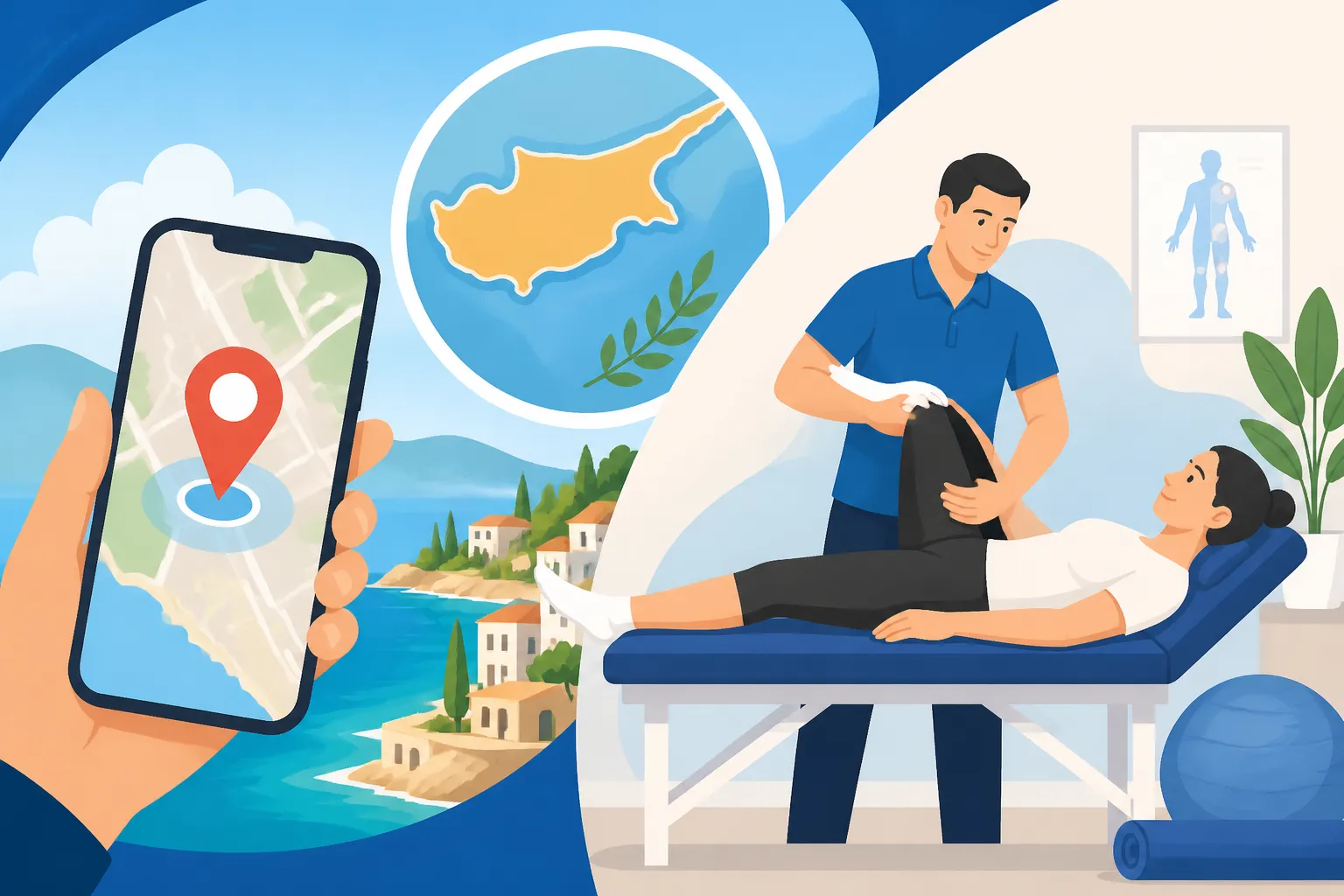
When you’re new to Cyprus, or even if you’ve been here a while, the simple act of finding a reliable healthcare professional can feel like navigating a maze blindfolded. You might have just strained your back hauling groceries, twisted an ankle exploring a historical site, or perhaps that old shoulder injury is flaring up again after a move. Whatever the reason, needing a physiotherapist, especially one who speaks your language and understands your specific needs, can add an unexpected layer of stress to expat life. This guide is here to cut through the confusion, offering a comprehensive walkthrough on how to find a qualified physiotherapist near you in Cyprus, whether you're relying on GeSY or going the private route.
Understanding Physiotherapy Services in Cyprus
So, you’ve decided it’s time to see a physio. Maybe your doctor suggested it, or perhaps you're just fed up with that nagging pain. The first step is understanding how physiotherapy slots into the broader healthcare landscape here in Cyprus. It's not always as straightforward as it might seem back home.
Public vs. Private Physiotherapy under GeSY
Cyprus operates on a dual healthcare system, with the General Healthcare System (GeSY) offering universal coverage, running alongside a robust private sector. For many expats, particularly those employed and contributing to social insurance, GeSY is their primary port of call. But how does physiotherapy fit in?
Under GeSY, you can access physiotherapy services, but there's a specific process. You can't just walk into a GeSY-affiliated physiotherapy clinic. You'll first need to consult with your registered Personal Doctor (GP). This GP will assess your condition and, if they deem physiotherapy necessary, will issue you a referral. This referral is crucial. Without it, you won't be able to access GeSY-covered physiotherapy sessions. It’s part of the system’s gatekeeping to manage resources, and while it can sometimes feel like an extra hoop to jump through, it ensures that your treatment plan is coordinated.
Once you have that referral, you can then choose a GeSY-registered physiotherapist. There's usually a list available on the GeSY portal, or your GP might recommend one. Be aware that while the service is covered, you will typically incur a co-payment per session. This co-payment is generally a small, fixed fee, much like seeing a specialist or having a diagnostic test. For more details on what these fees might entail, you can look into Understanding GeSY Co-Payments and Out-of-Pocket Fees in Cyprus. One common frustration for expats is that the number of sessions covered under GeSY for a specific condition might be limited, and waiting lists can sometimes be a factor, especially for popular therapists or specific public clinics.
The private option, on the other hand, offers more flexibility but comes with a higher direct cost. You don't necessarily need a GP referral to see a private physiotherapist, although many private doctors might still recommend one if they’re collaborating. You can often book directly with a clinic of your choice. This route is often preferred by those who have private health insurance or are willing to pay out-of-pocket for quicker appointments, a wider choice of therapists, or more specialised treatments not always readily available or covered extensively under GeSY.
What to Expect from a Physiotherapy Session
When you eventually walk into that clinic, what should you actually expect? Your initial consultation will be a thorough assessment. The physiotherapist will ask you about your medical history, the nature of your pain or injury, when it started, what makes it better or worse, and how it impacts your daily life. They’ll likely perform a physical examination, checking your posture, range of motion, strength, and any specific areas of discomfort. Don’t be shy about explaining everything in detail; the more information they have, the better they can tailor a treatment plan for you.
Following the assessment, they'll discuss their findings and propose a treatment plan. This plan might include a variety of techniques. You could be looking at manual therapy, which involves hands-on treatment like massage, mobilisation, or manipulation. There might be therapeutic exercises to strengthen weak muscles or improve flexibility, often demonstrated by the physio for you to practice at home. Electrotherapy, such as ultrasound or TENS (Transcutaneous Electrical Nerve Stimulation), is also common for pain relief and muscle stimulation. They might even suggest specific stretches, advice on posture correction, or modifications to your daily activities to prevent re-injury. Sessions typically last between 30 to 60 minutes, depending on the clinic and the nature of your treatment. Be prepared to ask questions and take notes, especially regarding any exercises you need to do at home.
Navigating the Search for a Physiotherapist Near You
Now for the practical bit: actually finding someone. This can feel like a hunt for treasure, especially if you’re not familiar with the local scene. But fear not, there are several effective avenues to explore.
Online Directories and Professional Associations
In Cyprus, the digital landscape for healthcare providers is constantly improving. Your first port of call should always be the official channels. The Pancyprian Association of Physiotherapists (Παγκύπριος Σύνδεσμος Φυσιοθεραπευτών) is the primary professional body. Their website often provides a directory of registered physiotherapists across the island, which is incredibly useful. Being registered with this association generally means they adhere to professional standards and are licensed to practice.
Beyond the official association, general online search engines like Google Maps are your friend. Simply typing "physiotherapist Limassol" or "physiotherapy Nicosia" will bring up local clinics. Many clinics have their own websites, detailing their services, specialisations, and often, the languages spoken by their staff. Review sites and local business directories can also provide insights, but always take online reviews with a grain of salt and cross-reference information. Remember, your goal here is to find a licensed professional, so prioritising official sources helps.
Personal Recommendations and Expat Networks
Honestly, sometimes the best advice comes from those who've been there, done that. Fellow expats are an invaluable resource in Cyprus. Join local expat groups on Facebook, connect with people at social gatherings, or simply ask around your workplace or among friends. Someone almost always has a recommendation for a great "English-speaking physio who sorted out my bad back."
These personal referrals often come with a level of trust that online reviews can't quite match. A friend’s positive experience can tell you a lot about a therapist’s bedside manner, effectiveness, and even their understanding of expat-specific issues (like dealing with foreign insurance or cultural nuances). Don't underestimate the power of word-of-mouth in a place like Cyprus; it often leads to hidden gems. For general health advice, connecting with other expats through communities can be a godsend, even for things like understanding The Complete Guide to Healthcare in Cyprus for Expats (2027).
Asking Your Personal Doctor for a Referral
If you're already registered with a Personal Doctor (GP) under GeSY, or even if you have a private GP, they are an excellent source of recommendations. As mentioned earlier, if you're planning to use GeSY, a referral from your GP is mandatory to access covered physiotherapy sessions. Your GP will have a network of colleagues and specialists they trust and refer patients to regularly. They can guide you towards a physiotherapist who not only has a good reputation but also specialises in treating your specific condition.
Even if you're going private, a GP referral is beneficial. It ensures that your treatment is integrated into your overall health plan and provides the physiotherapist with a clear medical background, potentially saving time on initial assessments. Plus, your GP might be able to recommend someone whose practice aligns with your needs, such as a physiotherapist who has experience with certain sports injuries or chronic pain conditions. Finding a reliable GP is a critical first step for any expat in Cyprus, and you can learn more about that process in Registering with a Personal Doctor (GP) in Cyprus: The Complete Expat Guide (2027).
Key Considerations When Choosing a Physiotherapist
Once you have a few names in mind, it's time to refine your choice. This isn't just about finding a physiotherapist, but the right one for you.
Language, Specialisations, and Experience
Living in Cyprus means navigating a multicultural environment, and language can sometimes be a barrier, especially in medical settings. While many healthcare professionals, especially in larger cities like Limassol and Nicosia, speak excellent English, it's always worth confirming. You want to be able to describe your symptoms accurately and understand your treatment plan fully, without any misunderstandings. Don't be afraid to ask during your initial inquiry if the physiotherapist is fluent in English.
Beyond language, consider their specialisations. Physiotherapy is a broad field. Some therapists excel in sports injuries, others in post-operative rehabilitation, neurological conditions, paediatric care, or chronic pain management. If you have a specific issue, like a frozen shoulder or sciatica, seek out someone with demonstrated expertise in that area. A quick look at their website or a phone call to their clinic can usually clarify their areas of specialisation. Finally, experience matters. A physiotherapist with many years in practice, particularly with conditions similar to yours, often brings a wealth of knowledge and a refined clinical approach. Don't hesitate to ask about their professional background and how long they've been practicing.
Cost, Insurance, and Payment Options
Let's talk money, because it's always a factor. The cost of physiotherapy in Cyprus can vary significantly. Under GeSY, as discussed, you'll pay a small co-payment per session, which makes it very affordable. However, the private sector is a different ball game.
Private physiotherapy sessions typically range from €30 to €60 per session, sometimes more for highly specialised treatments or longer appointments. It's crucial to confirm the exact fee structure upfront. Many private clinics offer package deals for multiple sessions, which can sometimes work out cheaper in the long run.
Regarding insurance, if you have private health insurance, check your policy details carefully. Many private plans, especially expat-focused ones, do cover physiotherapy, but there might be limitations on the number of sessions, a requirement for a GP referral, or an excess/deductible to pay. Companies like SafetyWing, which offers comprehensive travel and health insurance designed for digital nomads and expats, often include physiotherapy in their plans, but always confirm the specifics of your individual policy. Make sure you understand the claims process: do you pay upfront and get reimbursed, or does the clinic bill your insurer directly? Having this clear can save you a lot of headache later.
A helpful table outlining cost comparisons:
| Feature | GeSY Physiotherapy | Private Physiotherapy |
|---|---|---|
| Referral Needed | Yes, from GeSY Personal Doctor | Usually not, can book directly (though GP referral beneficial) |
| Cost Per Session | Small co-payment (e.g., €6-€10, subject to change) | €30-€60+ per session (variable) |
| Coverage | Limited number of sessions per condition/year | Depends on private insurance policy; self-funded |
| Waiting Times | Can sometimes have waiting lists | Generally shorter waiting times |
| Choice of Therapist | Limited to GeSY-registered providers | Wider choice, can select based on specialisation/reviews |
| Payment Method | Co-payment at clinic, rest covered by GeSY | Direct payment (cash/card), or through private insurance claim |
For those without GeSY or comprehensive private insurance, understanding the out-of-pocket expenses is vital. It’s always a good idea to factor these costs into your overall budget, especially if you anticipate needing multiple sessions. Information on The Cost of Healthcare in Cyprus: A Complete Breakdown for Foreigners (2026) can provide a broader context for budgeting.
Location and Accessibility
This might seem obvious, but convenience is key, especially if you’re in pain or will require multiple visits. Is the clinic near your home or workplace? Is it easily accessible by car, and crucially, is there parking available? Public transport in Cyprus is improving, but it's not always extensive, especially outside major city centers. If you rely on buses, check the routes and bus stops in relation to the clinic.
Consider the clinic's operating hours too. Do they offer appointments outside of typical 9-to-5 working hours? For many expats working full-time, evening or weekend slots can be incredibly important. Don't compromise on accessibility, as consistent attendance is vital for effective physiotherapy treatment. What good is a brilliant physiotherapist if getting to their clinic feels like an Olympic event every time?
What to Do After You've Found Your Physiotherapist
Alright, you've done the legwork, made some calls, and you've found 'the one.' What's next?
Preparing for Your First Appointment
Preparation can make your first session much more productive.
- Documents: If you have a GeSY referral, bring it. If you have any relevant medical records, such as X-ray or MRI reports, bring those too. If you’re using private insurance like SafetyWing, bring your policy details and any necessary claim forms. Your ID (Arca or Yellow Slip) will likely be needed for registration.
- Questions: Jot down any questions you have about your condition, the treatment plan, expected recovery time, or home exercises. This shows you're engaged and helps ensure you leave with a clear understanding.
- Clothing: Wear comfortable, loose-fitting clothing that allows for movement. The physiotherapist will need to assess your body, and you might be asked to perform some exercises.
Being prepared not only helps the physiotherapist but also ensures you get the most out of your valuable time and money.
Following Through with Your Treatment Plan
Finding a great physiotherapist is only half the battle; the other half is diligent adherence to your treatment plan. Physiotherapy isn't a magic bullet; it requires commitment from your side. This means consistently doing your prescribed exercises at home, following any advice on posture or activity modification, and attending all your scheduled appointments.
Open communication with your physiotherapist is also vital. If something feels worse, if an exercise causes new pain, or if you're unsure about anything, speak up! They need your feedback to adjust the treatment plan as necessary. It's a collaborative process. Remember, consistency and honesty are your best friends on the road to recovery. If you neglect your home exercises, progress will be slow, and you might feel like you're throwing money down the drain. This journey can sometimes feel isolating, but remember that many other expats in Cyprus are also navigating the healthcare system, whether it's through GeSY or private providers, and sharing experiences can be really helpful.
Navigating the Cypriot Healthcare System
The overall healthcare system in Cyprus can be a bit of a labyrinth. While this guide focuses specifically on physiotherapy, understanding the broader context will empower you further. Don't hesitate to dive into topics like How Cyprus's Health System Works: GeSY vs Private Explained (2027) or even Emergency Medical Care in Cyprus: What Every Expat Needs to Know for a more complete picture of what's available here. Knowledge is power, especially when it comes to your health.
Disclaimer
The information provided in this article is intended for general guidance and informational purposes only, and does not constitute professional medical, legal, or financial advice. While we strive to keep the information up-to-date and correct, we make no representations or warranties of any kind, express or implied, about the completeness, accuracy, reliability, suitability, or availability with respect to the website or the information, products, services, or related graphics contained in the article for any purpose. Any reliance you place on such information is therefore strictly at your own risk. Always consult with a qualified professional for advice tailored to your specific situation.