Can I Refill a Prescription at Any Pharmacy in Cyprus?
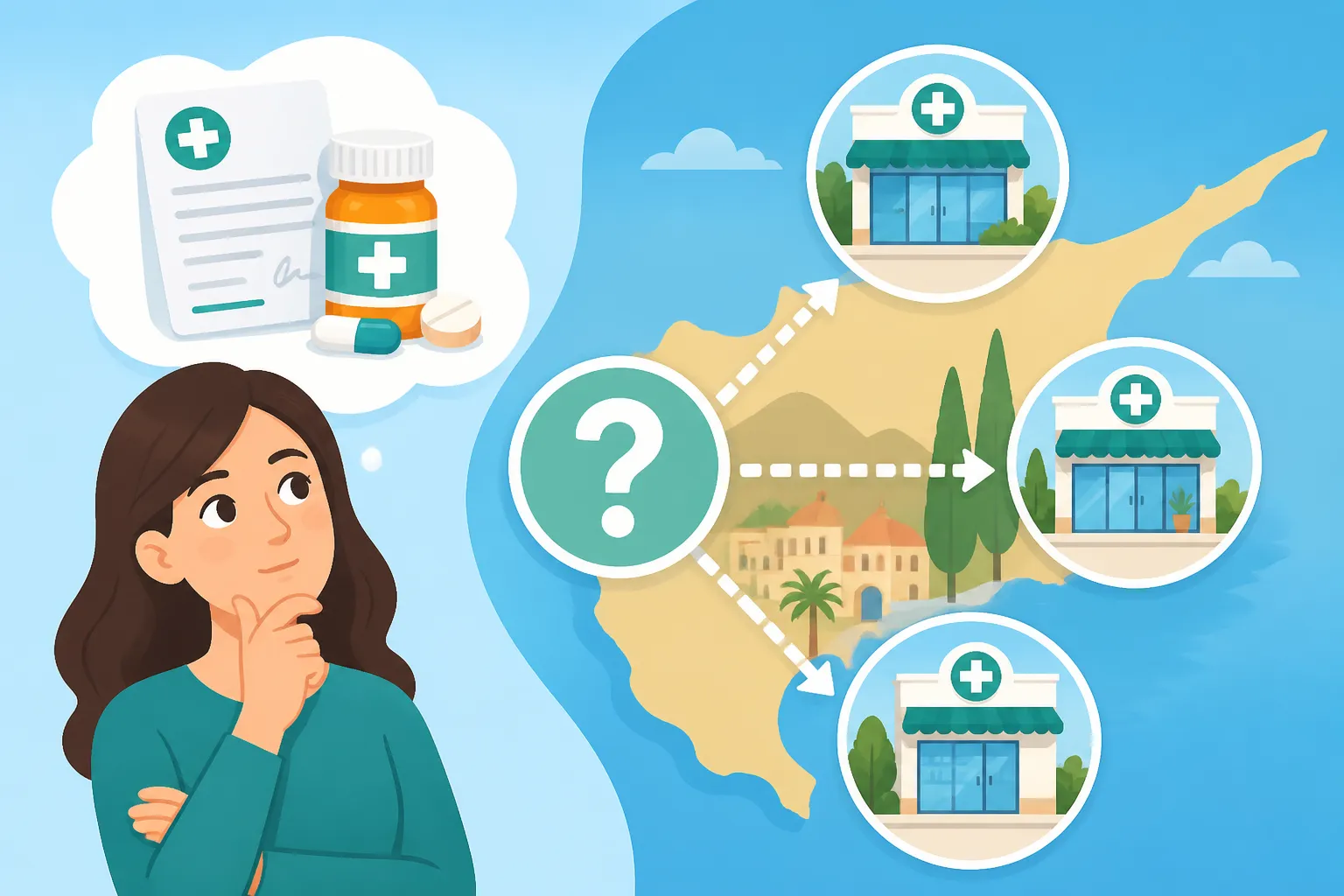
Ah, the familiar expat dilemma! You’ve finally settled into your Cypriot rhythm, mastered the art of ordering coffee in Greek, and then it hits you: your regular medication is running low. The question pops into your head, "Can I just stroll into any pharmacy here in Cyprus and get a refill?" If only it were that simple! The truth is, refilling a prescription isn't quite as straightforward as grabbing a loaf of bread, and it really depends on whether you're using the General Healthcare System (GeSY) or private care, and what kind of medication you need. This guide will walk you through the ins and outs, so you're never left scrambling when your pillbox is looking sparse.
Understanding the Cypriot Pharmacy System: GeSY vs. Private Prescriptions
When you're dealing with prescriptions in Cyprus, the first thing to understand is that the system operates on two distinct, albeit sometimes overlapping, tracks: the General Healthcare System (GeSY) and the private healthcare sector. This distinction is absolutely crucial when it comes to getting your medication refilled, as the rules, costs, and even the pharmacies you can use will differ significantly. It's a common point of confusion for newcomers, and believe me, you're not alone in feeling a bit lost at first.
GeSY Prescriptions and the Integrated System
If you're registered with GeSY, you're tapping into Cyprus's national healthcare system. This means your prescriptions are handled digitally and are linked to your GeSY personal doctor (GP) and specialists. The goal of GeSY is to provide universal healthcare, including subsidised medications. When a GeSY doctor prescribes something for you, it's immediately entered into the system. This digital record is a blessing and a curse; it streamlines refills, but also means you're largely tied to the GeSY network. For a deeper dive into the overall system, check out our guide on How Cyprus's Health System Works: GeSY vs Private Explained (2027).
One common frustration is that not all pharmacies are GeSY-affiliated. While most are, particularly in the larger towns like Limassol or Nicosia, it's not a given. You might find a small, independent pharmacy that hasn't opted into the system. This becomes important if you're out in a village or a less populated area. Always look for the "GeSY" logo or, if in doubt, just ask. The good news is that for most routine prescriptions, once your GeSY doctor issues a repeat prescription, you can visit any GeSY pharmacy with your ID (or even just your GeSY number) and they can access your digital prescription. You'll then pay a small co-payment for the medication, usually just €1 per item.
Private Prescriptions and Greater Flexibility
On the other hand, if you're primarily using private healthcare in Cyprus, either because you prefer it, you're not yet eligible for GeSY, or you're supplementing your GeSY coverage, your prescription experience will be different. Private doctors issue handwritten or printed prescriptions, much like you might be used to from your home country. These prescriptions are generally accepted at any pharmacy, regardless of whether they are GeSY-affiliated or not. This offers a certain degree of flexibility that GeSY sometimes lacks, especially if you have a specific, non-GeSY pharmacy you prefer.
However, this flexibility comes with a trade-off: cost. When refilling a private prescription, you will pay the full retail price for the medication. While some private health insurance plans, like those offered by SafetyWing, might cover prescription costs (always check your policy!), you'll typically pay upfront and then claim reimbursement. The cost of medications in Cyprus can vary, so it's always worth being aware of this. For those still finding their feet with the healthcare system here, our article on The Complete Guide to Healthcare in Cyprus for Expats (2027) offers a good overview of all options.
Navigating GeSY Prescriptions and Refills
Alright, let's zoom in on GeSY prescriptions, as this is where most long-term expats will find themselves. The system is designed for efficiency once you're in it, but getting used to the flow can take a little time. The key is understanding the role of your Personal Doctor (GP) and the digital nature of your prescriptions.
The Role of Your Personal Doctor (GP)
Your GeSY Personal Doctor (GP) is the gatekeeper for most of your medical needs, including repeat prescriptions. When you initially register for GeSY, one of the first steps is to choose a GP. Our guide on Registering with a Personal Doctor (GP) in Cyprus: The Complete Expat Guide (2027) explains this in detail. Your GP will assess your ongoing medication needs and issue repeat prescriptions directly into the GeSY electronic system. They can often authorise multiple repeats for chronic conditions, saving you frequent trips to the clinic.
For routine refills of chronic medications, you usually won't need a fresh consultation every time. A quick phone call or a message through the GeSY portal (if your doctor uses it) might be enough for your GP to issue a new digital prescription. However, for new medications, or if your condition changes, an appointment is definitely necessary. It's crucial to maintain a good relationship with your GP and understand their preferred method for repeat prescription requests.
Digital Prescriptions and GeSY Pharmacies
Once your GP or a GeSY specialist issues a prescription, it's immediately accessible by any GeSY-affiliated pharmacy across the island. This is where the "any pharmacy" part becomes somewhat true for GeSY users – within the network, yes! You simply walk into a GeSY pharmacy, present your ID or GeSY number, and the pharmacist can pull up your active prescriptions. They will then dispense your medication and you'll pay the standard GeSY co-payment, typically €1 per item. For a comprehensive overview of how medicines are handled, our guide on Prescription Medications and Pharmacies in Cyprus: The Complete Guide is invaluable.
The beauty of this system is that it's centralised. If you're in Paphos for the weekend and need a refill, you can go to a GeSY pharmacy there, even if your GP is in Nicosia. The system knows. Just make sure you're going to a GeSY pharmacy. These are usually clearly marked, but it never hurts to ask, "Είστε φαρμακείο ΓεΣΥ;" (Are you a GeSY pharmacy?). Sometimes, very specific or specialist medications might need to be ordered, but for most common drugs, they are readily available.
Refilling Private Prescriptions and Over-the-Counter Options
While GeSY is the dominant player, many expats, especially new arrivals or those with specific needs, rely on private prescriptions. This pathway offers different pros and cons.
Using Private Prescriptions
As mentioned, private prescriptions are typically physical documents issued by a private doctor. These can be from a GP at a private clinic or a specialist you've seen outside the GeSY system. The main advantage is that you can take these prescriptions to virtually any pharmacy in Cyprus. There's no network restriction here. This can be particularly useful if you're travelling or prefer a specific pharmacy that isn't GeSY-affiliated.
The downside, however, is cost. You'll be footing the entire bill for the medication. For chronic conditions, this can add up quickly. If you have private health insurance, it's vital to understand Understanding Private Health Insurance Options in Cyprus and whether it covers outpatient prescription costs. Many plans will require you to pay first and then submit a claim for reimbursement. It's a good idea to keep all your receipts and prescription slips for this purpose. Even if you're just starting your expat journey and looking for flexible travel or short-term coverage, providers like SafetyWing often have options that can help bridge gaps, so it's always worth checking what they cover for medication on the go.
Over-the-Counter Medications
Beyond prescriptions, Cyprus has a fairly robust system for over-the-counter (OTC) medications. Many pharmacies in Cyprus operate more like health stores in some respects, with a wide range of common remedies available without a doctor's note. This includes pain relievers, cold and flu medications, allergy pills, some anti-fungals, and even certain stronger medications that might require a prescription in other countries. For example, some low-dose corticosteroids or specific stomach medications might be available OTC here.
However, there are differences. What you consider OTC might be prescription-only here, and vice-versa. For instance, antibiotics are strictly prescription-only in Cyprus, unlike in some other countries where you might find them more easily. Our article Can I Buy Antibiotics Over the Counter in Cyprus? delves deeper into this specific point. Pharmacists in Cyprus are highly trained and are a fantastic resource for advice on minor ailments and appropriate OTC treatments. Don't hesitate to consult them; many speak excellent English and can guide you.
Pharmacy Refill Comparison: GeSY vs. Private
To give you a clearer picture, here's a quick comparison of how refilling prescriptions works under both systems:
| Feature | GeSY Prescriptions | Private Prescriptions |
|---|---|---|
| Issuing Doctor | GeSY Personal Doctor or GeSY Specialist | Private Doctor (GP or Specialist) |
| Acceptance | Any GeSY-affiliated pharmacy only | Any pharmacy (GeSY or non-GeSY) |
| Cost | Low co-payment (typically €1 per item) | Full retail price |
| Payment Method | Direct at pharmacy | Upfront, then claim reimbursement from private insurance (if applicable) |
| Record Keeping | Digital record in GeSY system | Physical prescription slip (keep for insurance claims) |
| Repeat Prescriptions | Often issued for multiple months without new consultation via digital system | Requires new physical prescription from private doctor for each refill period |
| Flexibility | Limited to GeSY network | Wider choice of pharmacies, but higher cost |
What to Do in a Pinch: Emergency Refills and Out-of-Hours Pharmacies
Life doesn't always go according to plan, and sometimes you find yourself unexpectedly out of medication. Whether you've forgotten to get a refill, lost your pills while traveling, or just arrived and haven't registered with a doctor yet, knowing what to do in an emergency is crucial.
Out-of-Hours Pharmacies
Cypriot pharmacies have rotating shifts for after-hours and weekend service. There's always an "on-call" pharmacy in every major district, often more than one, open outside regular business hours or on public holidays. These pharmacies are listed on the doors of all other closed pharmacies, typically with their address and phone number. You can also find this information online, usually on municipal websites or local news portals, or by calling 112 for non-emergency medical advice if you're really stuck.
If you need an emergency refill after hours, and you have a valid GeSY prescription, the on-call GeSY pharmacy should be able to access your digital record. If you have a private prescription, they will also honour it, though you'll pay the full price. Be aware that the pharmacist might exercise their professional judgment, especially for controlled substances, and might only dispense a limited supply until you can see a doctor. It's not an ideal situation, but it's a vital safety net. Our guide on Emergency Medical Care in Cyprus: What Every Expat Needs to Know covers broader emergency scenarios, but pharmacists are often the first port of call for medication issues.
Bridging the Gap Without a Prescription
This is perhaps the trickiest situation for expats, especially new arrivals. If you've just moved to Cyprus and haven't yet registered for GeSY, or even found a private doctor, running out of essential medication can be stressful. Your best bet is to carry a sufficient supply of your essential medications to last you at least the first few weeks, or ideally a couple of months. Along with that, bring the original prescription from your home country, preferably translated into English (or Greek, if possible) and with the generic name of the drug, not just the brand name.
In a true emergency, a pharmacist might be able to dispense a very limited supply of non-controlled medication if you can show them evidence of your ongoing prescription from your home country. However, this is entirely at their discretion and should not be relied upon. The safest route is to see a private doctor as soon as possible, explain your situation, and get a local Cypriot prescription. They can often write a bridging prescription to tide you over. This is where having comprehensive travel insurance or expat insurance like SafetyWing can be incredibly helpful in covering initial private consultations and medication costs before you get fully set up with local healthcare.
Essential Tips for Expats: Managing Your Medications in Cyprus
Living in a new country always comes with its unique set of challenges, and managing your healthcare, especially ongoing prescriptions, is definitely one of them. Here are some seasoned expat tips to help you navigate the system in Cyprus.
Come Prepared
Before you even step foot on Cypriot soil, ensure you have an adequate supply of your essential medications. Aim for at least 1-3 months' worth, if permitted by your home country's regulations. Along with the medication itself, carry your original prescriptions, a letter from your doctor detailing your conditions and current medications (including generic names), and any relevant medical reports. This documentation will be invaluable when registering with a new doctor in Cyprus or in case of an emergency. Remember to declare any controlled substances with customs.
Register with a GeSY GP Promptly
Once you've secured your residence permit (the famed "Pink Slip" or "Yellow Slip"), make it a priority to How to Register for GeSY (General Healthcare System) in Cyprus (2027) and choose a Personal Doctor (GP). Even if you initially plan to use private healthcare, having a GeSY GP gives you a fallback and access to the subsidised prescription system. Many GeSY GPs are excellent and, importantly, many are English-speaking. Don't be shy to ask about their language capabilities when choosing. You can find more advice on How to Find an English-Speaking Doctor in Cyprus.
Understand Your Medication's Generic Name
Brand names for medications can vary wildly between countries, even for the exact same drug. Always know the generic (active ingredient) name of your medication. This makes it far easier for Cypriot doctors and pharmacists to identify and dispense the correct equivalent, as they might not recognise the brand name you're used to. It's a small detail that can save a lot of headaches!
Keep Track of Expiry and Refill Dates
It sounds obvious, but when you're busy adapting to a new life, things can slip. Mark your calendar, set reminders on your phone, or use a medication tracker app to keep tabs on when you need to request a refill. The GeSY system will often notify you when a prescription is running low, but it's always best to be proactive. Don't wait until you're on your last pill, especially for critical medications! Give your GP a few days' notice for repeat prescription requests.
Explore Private Insurance for Gaps
While GeSY is fantastic, some expats still opt for private insurance to cover services not fully covered by GeSY (like certain dental procedures or faster access to specialists) or for travel insurance. This is where options from companies like SafetyWing can be quite useful, offering flexibility for those who frequently travel or want additional coverage beyond the public system, particularly for unexpected medical needs while abroad or bridging between healthcare systems. Always read the fine print to understand what is covered, especially for pre-existing conditions and prescriptions.
Navigating prescriptions in Cyprus doesn't have to be a bewildering experience. With a little preparation and an understanding of how the GeSY and private systems operate, you can ensure your medication needs are always met, allowing you to focus on enjoying your expat life on this beautiful island.
Disclaimer
The information provided in this guide is for general informational purposes only and does not constitute medical, legal, or professional advice. While we strive to ensure accuracy, healthcare regulations and processes in Cyprus can change. Always consult with a qualified healthcare professional, your personal doctor, or the relevant Cypriot authorities for specific advice tailored to your situation.