How Do I Pay for a Doctor Visit in Cyprus?
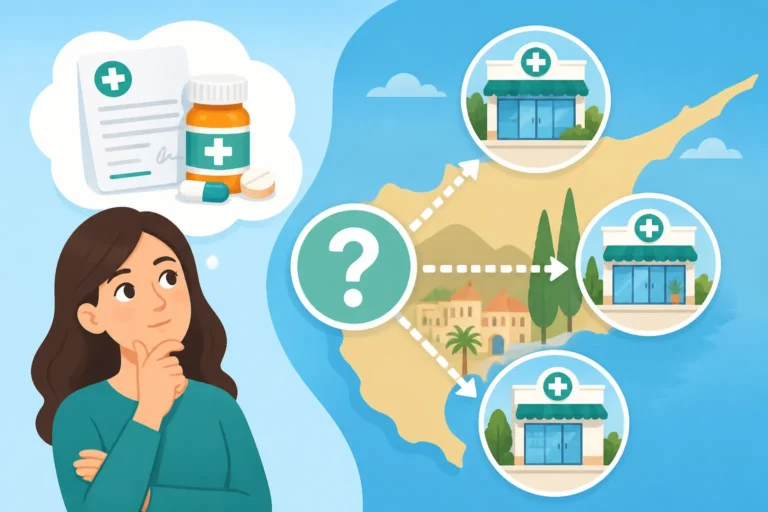
When you first arrive in Cyprus, one of the biggest initial stresses, beyond just finding your way around or understanding the local supermarket, is figuring out how the healthcare system actually works, especially when you need to see a doctor. It’s a maze of public and private options, co-payments, and often, a language barrier that leaves many expats feeling completely bewildered. This guide is here to untangle that knot for you, breaking down exactly how you pay for a doctor visit in Cyprus, whether you're navigating the General Healthcare System (GeSY) or opting for private care.
Navigating Cyprus's Dual Healthcare System: GeSY and Private Care
Ah, Cyprus healthcare! It’s truly a tale of two systems, and understanding them is the first step to knowing how you’ll pay for your doctor visits. On one hand, you have the General Healthcare System, affectionately known as GeSY (pronounced 'YES-y'). This is the public, universal healthcare system, designed to provide comprehensive medical care to all legal residents who contribute to it. On the other, you have a robust private healthcare sector, often chosen for its speed, convenience, and perceived higher comfort levels. It’s easy to feel lost, wondering which path to take, especially when you’re not feeling your best.
For those of us who've been here a while, we've seen GeSY evolve. It’s a game-changer for many, offering accessible care at a much lower out-of-pocket cost. However, it's not always as straightforward as walking into a clinic. There's a process to register, choose your personal doctor, and understand the co-payment structure. The private sector, conversely, often means quicker appointments and a more direct route to specialists, but it comes with a significantly higher price tag if you're paying completely out of pocket. Many expats find themselves weighing the pros and cons of both, sometimes even using a hybrid approach. It really boils down to your residency status, employment situation, and personal preferences regarding costs versus convenience.
The Foundation: GeSY Explained
GeSY is Cyprus’s attempt to provide universal healthcare, and for eligible residents, it's a huge relief. If you’re legally residing and working in Cyprus, or are a permanent resident, chances are you’re contributing to GeSY through your social insurance payments. This automatically grants you access to the system. However, "access" doesn't always mean "free." While many services are fully covered, others involve a small co-payment. Think of it like a symbolic fee to use the service, rather than paying the full cost of your consultation or treatment.
The main benefit of GeSY is that once you’re registered and have chosen your Personal Doctor (GP), most of your primary care needs, diagnostics, and specialist referrals become incredibly affordable. This includes everything from routine check-ups and blood tests to prescriptions and even hospital stays. Learning how to register for GeSY (General Healthcare System) in Cyprus (2026) is one of the first crucial steps when you move here. Without proper registration, you won't be able to benefit from the reduced fees, and you'll be treated as a private patient, even in GeSY-affiliated clinics, leading to unexpected costs. The system is designed to be inclusive, but you do need to actively engage with the registration process to unlock its benefits.
The Alternative: Private Healthcare Explained
Before GeSY, private healthcare was the go-to for many expats, and it still holds a significant place in the Cypriot medical landscape. It operates much like private systems in other countries: you pay for services as you receive them, or your private health insurance covers the costs, either directly or through reimbursement. The major draw here is typically reduced waiting times for appointments, the ability to choose your own specialist without a GP referral, and often, more luxurious facilities.
Many private clinics and hospitals cater specifically to the expat community, offering English-speaking staff and doctors. This can be a huge comfort, especially when dealing with complex medical issues where clear communication is paramount. If you're a new arrival and haven't yet sorted out your GeSY registration, or if your income status doesn't make you eligible for GeSY, private care will be your default option. Understanding private health insurance options in Cyprus is key if you plan to rely on this sector long-term, as costs can quickly add up. For some, the peace of mind that comes with private care – the ability to jump the queue or see a specific highly-regarded specialist – is worth the extra expense.
Paying for a Doctor Visit Under GeSY
Once you've successfully navigated the initial hurdles and are registered with GeSY, paying for a doctor visit becomes much simpler and more predictable. It's a world away from the often high, unpredictable costs of private care. However, "simple" doesn't always mean "obvious," and there are still a few things you need to know about the co-payment system.
The core principle of GeSY is that you, as a beneficiary, will pay a nominal co-payment directly at the point of service for certain consultations, diagnostic tests, and prescriptions. These fees are set by the Health Insurance Organisation (HIO) and are standard across all GeSY providers. It removes the sticker shock you might get from private visits, but it requires you to always have a few euros on hand.
GeSY Co-Payments: What to Expect
The beauty of GeSY is that most services come with a very small, fixed co-payment, typically just €1 for prescriptions and €6 for a GP visit or specialist consultation. Yes, you read that right – six euros for a specialist! It feels almost unbelievable when you're used to paying hundreds. These co-payments are designed to ensure that access to healthcare remains affordable for everyone contributing to the system.
Let's say you wake up with a nasty cough and decide to visit your GeSY Personal Doctor (GP). You’ll pay a €6 co-payment at the clinic reception. If your GP then refers you to a specialist – perhaps an ENT doctor for your persistent cough – that specialist visit will also cost you a €6 co-payment. If the specialist then orders blood tests or an X-ray, those diagnostic services will incur their own small co-payments, usually between €1 to €6 per category of test, up to a maximum. It's truly a game-changer for those who are used to significant out-of-pocket expenses. This structure is detailed further in guides like Understanding GeSY Co-Payments and Out-of-Pocket Fees in Cyprus.
What about actual payment? Most GeSY clinics, especially in larger cities like Limassol or Nicosia, are equipped to accept both cash and card payments. However, it's always wise to carry small denominations of cash, just in case their card machine is down, or you're visiting a smaller, more traditional practice in a village. I've had situations where a €6 co-payment meant rummaging for change, as they preferred cash for such small amounts. Always ask at reception upon arrival about their preferred payment method to avoid any last-minute fumbling.
Finding and Paying Your GeSY Personal Doctor
Finding a personal doctor (GP) under GeSY is a critical first step. You register your chosen GP through the GeSY portal, and they become your primary point of contact for most health concerns. When you book an appointment with your registered GP, you simply arrive, check in, and pay your €6 co-payment at the reception either before or after your consultation, depending on the clinic's procedure. It’s usually a quick and seamless transaction. For specific advice on choosing your GP, check out How to Choose a Personal Doctor (GP) Under GeSY in Cyprus.
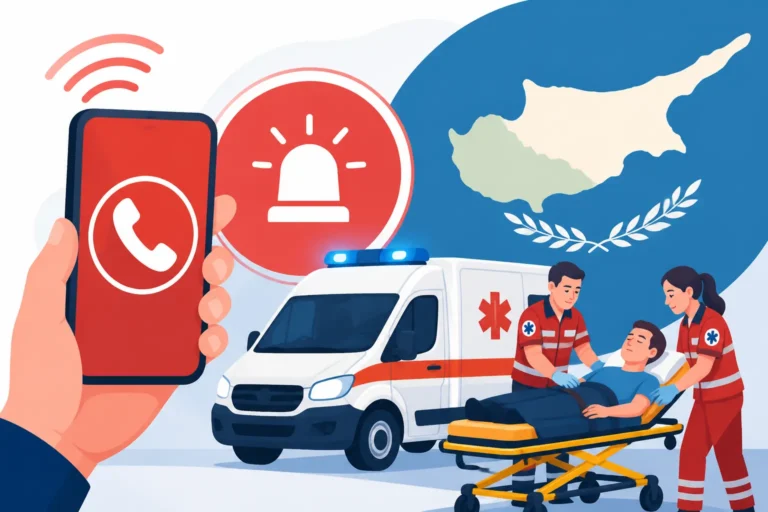
What if you need to see a doctor urgently but your GP isn't available, or it's outside regular hours? GeSY also covers out-of-hours services and walk-in clinics, though the co-payment might be slightly different for these. For true emergencies, the emergency department of a public hospital will also treat GeSY beneficiaries, again, with minimal co-payments. It’s always best to be registered and know the ropes before an emergency strikes. For instance, if you experience a sudden severe illness, Emergency Medical Care in Cyprus: What Every Expat Needs to Know can provide much-needed guidance.
Paying for a Private Doctor Visit
Even with GeSY in place, many expats and tourists opt for private healthcare for various reasons: perhaps they're not eligible for GeSY, they prefer specific doctors, or they simply want the convenience and speed that the private sector often offers. The payment process here is quite different, and you should be prepared for higher costs upfront.
The private medical scene in Cyprus is robust, with numerous clinics and hospitals, especially in expat-heavy areas like Limassol and Paphos. While GeSY focuses on broad access, private care often emphasizes individualized attention and quick service. The key takeaway here is that you'll almost always pay out of pocket at the time of service, and then, if you have private insurance, you’ll seek reimbursement later.
Out-of-Pocket Costs for Private Consultations
When you step into a private clinic, there’s no fixed €6 co-payment. Instead, you’re looking at fees that reflect the actual cost of the consultation. A general practitioner (GP) visit in the private sector can range anywhere from €40 to €80, depending on the clinic, its location, and the doctor's experience. For a specialist, this jumps significantly, often between €70 and €150, or even more for highly specialized fields or complex initial consultations.
These costs are usually paid directly to the clinic or doctor’s office at the time of your appointment. Most private clinics accept both cash and major credit/debit cards. It’s uncommon for them to offer credit or payment plans unless it’s for a very extensive treatment plan like a major surgery. Always confirm the consultation fee when you book your appointment, especially with a new doctor, to avoid any surprises. This is especially important for those new to the island, as the cost of healthcare in Cyprus: A complete breakdown for foreigners (2026) can vary widely.
Leveraging Private Health Insurance for Payments
This is where private health insurance truly shines in Cyprus. If you have a comprehensive private policy, it can significantly mitigate the financial burden of private care. Many international expats come with existing policies, or they purchase one specifically for their time in Cyprus. Companies like SafetyWing, for example, offer travel medical insurance and global health insurance designed for digital nomads and expats, which can be a lifeline for covering unexpected medical expenses abroad. It's definitely an option worth exploring, particularly for those who aren't eligible for GeSY or simply prefer the private route.
The process usually involves paying the private clinic upfront and then submitting a claim to your insurance provider for reimbursement. You’ll need to keep all your receipts, doctor’s notes, and any diagnostic reports. Some larger private hospitals or clinics might have direct billing agreements with certain major insurance companies, meaning the hospital bills your insurer directly, and you only pay any deductible or uncovered portion. However, this isn't universal, so it’s crucial to check with both your insurer and the clinic beforehand. Asking How to Claim Reimbursement from Private Insurance in Cyprus is a common query, and understanding your policy's specifics (deductibles, exclusions, pre-authorization requirements) is vital.
Here’s a simplified breakdown of typical private doctor visit costs:
| Service Category | GeSY Co-payment (Approx.) | Private Fee (Approx.) | Notes |
|---|---|---|---|
| GP Visit | €6 | €40 – €80 | Cash/Card accepted at point of service |
| Specialist Visit | €6 | €70 – €150 | Referral not always needed for private specialist |
| Blood Tests (per category) | €1 – €6 | €10 – €50+ | Costs vary widely by lab and specific tests |
| X-Ray/Scan | €1 – €6 | €80 – €200+ | Private scans often have shorter wait times |
| Prescription | €1 | Market Price | GeSY prescriptions are €1, private prescriptions are full price |
Note: These are approximate costs and can vary based on location, doctor's experience, and specific services provided.
What If You Don't Have GeSY or Private Insurance?
This is a scenario many expats dread, and it's particularly common for new arrivals who are still navigating bureaucracy or for tourists. It's a stressful position to be in, but it's important to know your options and what to expect financially. Cyprus, like any civilized nation, will not deny you emergency care, but the bill afterwards will definitely be a conversation starter.
If you find yourself without GeSY coverage and no private health insurance, all medical care will be considered private, and you will be liable for the full cost. This can range from a few dozen euros for a simple consultation to thousands for emergency procedures, hospitalization, or surgery. The key is to be proactive and understand the financial implications from the outset.
Emergency Care for Uninsured Individuals
In a genuine medical emergency, you will receive treatment, regardless of your insurance status. Public hospitals in Cyprus have emergency departments that operate 24/7. If you arrive by ambulance or walk in with a life-threatening condition, they are legally obligated to stabilize you. However, once the immediate danger has passed, you will be presented with a bill. The costs for emergency room visits without insurance can be substantial, often starting from €50-€100 for a basic consultation, escalating rapidly if diagnostic tests (like X-rays or blood work) or procedures are required. If you're admitted to the hospital, daily bed rates, medication, and doctor fees will all add up.
I've heard stories from new expats who fell ill before their GeSY was activated. One friend had a severe allergic reaction and ended up in a public hospital ER. While the care was excellent, the final bill for a few hours of observation and medication was several hundred euros. For comprehensive information on emergencies, it's worth reading What Happens If I Get Sick Before My GeSY Registration in Cyprus?. This scenario highlights the importance of having some form of coverage, even if it's just travel insurance like SafetyWing for your initial weeks or months while you get settled.
Options for Immediate Needs and Non-Emergencies
For non-emergency situations when you're uninsured, your best bet is to seek out a private GP. As mentioned earlier, a private GP consultation will typically cost between €40-€80. While it might seem steep, it's a manageable cost for initial assessment and advice, much better than accruing potentially higher costs by delaying care until a minor issue becomes a major one. Many private clinics have English-speaking doctors, making communication easier.
Pharmacies in Cyprus can also be a valuable first stop for minor ailments. Pharmacists are highly trained and can offer advice for common issues like colds, minor cuts, or stomach upsets. They can also recommend over-the-counter medications. However, they cannot diagnose serious conditions or prescribe strong medications that require a doctor’s assessment. Remember, unlike in some other countries, you generally cannot get antibiotics without a prescription from a doctor in Cyprus.
Another critical point for uninsured individuals, particularly tourists, is to consider what your travel insurance covers. A good travel insurance policy often includes medical emergencies and doctor visits. Before traveling, always understand your policy's limits, what's covered, and the claims process. It's a small investment that can save you a fortune and immense stress if something unexpected happens.
Practical Tips for Managing Doctor Visit Payments
Living in Cyprus means adapting, and managing healthcare payments is no exception. Having been through the mill myself, I've picked up a few practical tips that can save you headaches and unexpected expenses. Don't be shy about asking questions – the Cypriot medical staff, especially those in expat areas, are often used to queries from foreigners.
Always Ask About Fees Upfront
Whether you're calling a private clinic or booking a specialist through GeSY, always ask about the expected fees. For GeSY, this means understanding the co-payment structure for your specific service (e.g., "What is the co-payment for a specialist consultation in neurology?"). For private clinics, a simple "What is the consultation fee for a general practitioner/specialist?" will suffice. This way, you know exactly what to expect and can prepare your payment method. There's nothing worse than getting to the reception and realizing you don't have enough cash or their card machine is out of order.
This transparency is standard practice, and you won't be seen as rude for asking. In fact, it shows you're being responsible. It's particularly important when dealing with referrals under GeSY or seeing specialists, as the ancillary tests or follow-ups can have their own small costs.
Keep Records of All Payments and Consultations
This tip is golden, especially if you plan to claim reimbursement from private insurance or simply want to keep track of your medical expenses. For every doctor visit, pharmacy purchase, or diagnostic test, ask for a detailed receipt.
For private insurance claims, these receipts are absolutely essential. Your insurer will require proof of payment and often a medical report or referral letter from the doctor. A company like SafetyWing will need proper documentation to process your claim efficiently. Even if you're using GeSY, keeping records of your co-payments can be useful for your own financial tracking or if there's ever a dispute. A simple folder, either physical or digital, where you store these documents can be a lifesaver.
Know Your Insurance Status and Eligibility
Before any doctor visit, be clear about your insurance status. Are you a registered GeSY beneficiary? Do you have a valid private health insurance policy? Is your travel insurance current? Knowing this allows you to inform the clinic upfront and ensures you're billed correctly.
If you’re unsure about your GeSY eligibility, you can always check through the official GeSY portal or contact the Health Insurance Organisation (HIO). For private insurance, a quick call to your provider or a review of your policy documents will clarify your coverage. This proactive step prevents awkward situations at the reception desk and helps you choose the right healthcare path from the start. Remember, if you're an EU citizen, your European Health Insurance Card (EHIC) can also provide some coverage during temporary stays, but it's not a replacement for comprehensive local insurance or GeSY for long-term residents.
Disclaimer
The information provided in this guide is intended for general informational purposes only and does not constitute professional medical, legal, or financial advice. While we strive to keep the information up-to-date and accurate, healthcare systems and regulations in Cyprus can change. Always consult with a qualified professional or the relevant authorities (such as the Health Insurance Organisation, your doctor, or an insurance provider) for advice tailored to your specific situation. Reliance on any information provided in this guide is solely at your own risk.