Can I Get a Health Check as a Newcomer in Cyprus?
Arriving in a new country like Cyprus often comes with a whirlwind of administrative tasks, from sorting out residency to finding a place to live. Amidst all this, one crucial aspect that often gets overlooked, especially if you're feeling perfectly healthy, is getting a comprehensive health check. Many newcomers wonder if it's even possible or necessary, given the complexities of a foreign healthcare system, but trust me, understanding your health status early on can save you a lot of worry and hassle down the line. This guide will walk you through everything you need to know about getting a health check as a newcomer in Cyprus.
Why a Health Check is Crucial for Newcomers in Cyprus
When you first land in Cyprus, it's easy to assume your health status from back home remains the same. But a new environment, different climate, altered diet, and even the stress of relocation can all subtly impact your well-being. Getting a health check isn't just a formality; it's a proactive step towards ensuring your long-term health and peace of mind in your new Cypriot home.
Initial Assessment of Your Health
Think of a health check as a baseline. It provides a comprehensive snapshot of your current health, identifying any underlying conditions you might be unaware of, or subtle changes that have occurred during your move. For instance, the Mediterranean diet, while famously healthy, might be a big shift from what you're used to, potentially affecting cholesterol levels or blood sugar. Knowing your baseline helps you and your doctor monitor any changes effectively. It’s particularly important if you have a family history of certain illnesses or if you’ve been too busy to focus on your health amidst the packing and moving. This initial assessment can put your mind at ease or, if needed, flag areas that require attention before they become more serious.
Proactive Health Management
Beyond a baseline, a health check empowers you to take control of your health. It’s an opportunity to discuss any lifestyle concerns, genetic predispositions, or specific worries you might have with a local medical professional. This is especially vital in Cyprus where certain health risks might differ from your home country, perhaps due to environmental factors or common local dietary habits. Your doctor can offer tailored advice on everything from diet and exercise to necessary vaccinations or screenings. For example, if you're spending more time outdoors due to the lovely Cypriot weather, discussing sun protection and skin checks becomes more relevant. Proactive management means addressing potential issues before they develop into chronic conditions, ensuring you enjoy your expat life to the fullest.
Meeting Residency Requirements
In some cases, particularly for certain long-term residence permits or specific work visas, the Cypriot authorities may require a medical certificate or a health check as part of the application process. While not always a full, comprehensive check-up in the general sense, these usually involve basic blood tests, a chest X-ray, and a general physical examination to rule out communicable diseases like tuberculosis. It’s crucial to understand the specific requirements for your visa type. Even if it's not explicitly stated, having a recent health check on hand can provide necessary documentation if requested by immigration officials. Always double-check the latest requirements from the Civil Registry and Migration Department to ensure you’re fully compliant.
Understanding Your Options: GeSY vs. Private Healthcare
When it comes to getting a health check in Cyprus, you essentially have two main avenues: the General Healthcare System (GeSY) and the private healthcare sector. Each has its own advantages and considerations, especially for newcomers.
Navigating GeSY as a Newcomer
GeSY, Cyprus's universal healthcare system, aims to provide comprehensive medical care to all eligible residents, regardless of income. If you've secured employment in Cyprus and are contributing to social insurance, or if you're a legal resident under other categories, you're likely eligible to register for GeSY. The process for how to register for GeSY after moving to Cyprus involves getting your Social Insurance number and then registering online via the GeSY portal. Once registered, you'll need to choose a Personal Doctor (GP). This GP will be your first point of contact for all medical needs, including general health checks.
The main benefit of using GeSY for a health check is the cost-effectiveness. Once you're registered, most services, including GP consultations and referred tests, only require a small co-payment. For a routine health check, your GP would typically conduct a physical examination, discuss your medical history, and, if deemed necessary, refer you for blood tests, urine tests, or other screenings. However, a potential drawback can be waiting times for specialist referrals or certain tests, though for a general check-up with your GP, appointments are usually quite swift. To truly understand the full scope of your options, it's worth reading The Complete Guide to Healthcare in Cyprus for Expats (2026).
The Benefits of Private Health Checks
The private healthcare sector in Cyprus is robust, offering a wide range of clinics and hospitals, many with English-speaking staff and state-of-the-art facilities. Opting for a private health check offers several distinct advantages. Firstly, you generally experience shorter waiting times for appointments, including immediate access to specialists without a GP referral, if you choose a comprehensive package. This can be a huge relief when you're anxious about your health and don't want to wait.
Private clinics often offer various "executive" or "wellness" health check packages specifically designed to be comprehensive, including a wider array of tests (e.g., advanced blood panels, heart screenings, cancer markers, imaging like ultrasounds or MRIs) that might not be routinely covered or deemed necessary under GeSY for a standard check-up. The environment in private clinics can also feel more personalized and comfortable. Many expats find the direct approach of private care, where you can often just book an appointment with any doctor or specialist, less intimidating than navigating a new public system, even if the latter is free or low-cost. If you're pondering the differences, our article on Public vs Private Healthcare in Cyprus: Which Should Expats Choose? delves deeper into this choice.
Considering Travel and Expat Health Insurance
While GeSY is excellent for residents, new arrivals often don't have immediate access, especially if they are on a tourist visa or in the process of applying for residency. This is where comprehensive expat health insurance comes into play. Many international health insurance providers offer plans that cover routine check-ups and preventative care, alongside emergency services. For those still in the transitional phase, or even digital nomads, services like SafetyWing offer flexible travel medical insurance that can bridge the gap, often including coverage for doctor visits and some diagnostic tests.
Even once you're settled and eligible for GeSY, private health insurance can supplement your coverage, allowing you to access the private sector's benefits without significant out-of-pocket costs. This means you can still leverage the quick appointments and comprehensive packages of private clinics. It’s always wise to compare various options, looking at what fits your lifestyle and budget, and checking if they cover routine check-ups. A deep dive into Health Insurance in Cyprus: GeSY, Private and Employer Options Explained can help you make an informed decision.
The Health Check Process: What to Expect
Once you've decided whether to go the GeSY or private route, knowing what to expect during a health check can alleviate any anxieties. The process is generally straightforward, but a few key steps are helpful to understand.
Finding a Doctor (GP)
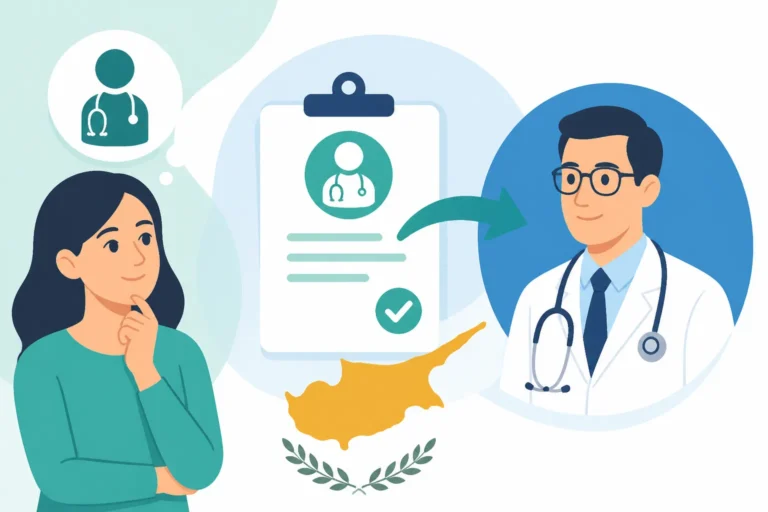
If you're using GeSY, your first step is to register for GeSY (if you haven't already) and then choose a personal doctor (GP). The GeSY portal allows you to search for GPs by area and language spoken. Many GPs in Cyprus are fluent in English, which is a huge relief for expats. When choosing, consider their location, reviews, and availability. For those opting for private care or those still awaiting GeSY registration, finding an English-speaking doctor in Cyprus is usually quite easy. Many private clinics openly advertise their doctors' language proficiencies. You can often find recommendations through expat groups online or directly by searching for "private clinics Limassol" or "GP Paphos," for example. When you're ready to make this important choice, our guide on Registering with a Personal Doctor (GP) in Cyprus: The Complete Expat Guide (2026) offers invaluable advice.
Typical Procedures Included
A standard health check, whether public or private, usually begins with a thorough consultation with your doctor. They'll ask about your medical history, any current symptoms, family medical history, and lifestyle habits (diet, exercise, smoking, alcohol consumption).
Common procedures often include:
- Physical Examination: This involves checking your blood pressure, heart rate, listening to your heart and lungs, palpating your abdomen, and generally assessing your physical condition.
- Blood Tests: A standard blood panel often includes a complete blood count (CBC), cholesterol levels (lipid panel), blood sugar (glucose), and kidney and liver function tests. Depending on your age, gender, and medical history, additional tests like thyroid function, Vitamin D, or specific markers might be suggested.
- Urine Test: A basic urinalysis can screen for kidney disease, diabetes, and urinary tract infections.
- Weight and Height Measurement: To calculate your Body Mass Index (BMI).
- Discussion of Vaccinations: Your doctor might review your vaccination history and recommend any necessary updates relevant to Cyprus or for your general health.
For women, a general health check might also include a Pap test (cervical screening) if due, and a breast examination. For men, prostate specific antigen (PSA) testing might be discussed for those over a certain age. Private comprehensive packages can include even more, like ECGs, stress tests, ultrasounds, or advanced cancer screenings. It’s always best to clarify what’s included in your chosen health check package upfront.
Follow-up and Referrals
After your tests, your doctor will usually schedule a follow-up appointment to discuss the results. This is your chance to ask questions, understand any findings, and talk about next steps. If any issues are identified, your GP will provide advice, prescribe medication, or refer you to a specialist.
- Under GeSY: Referrals to specialists (e.g., a cardiologist, dermatologist, or endocrinologist) are made by your GP through the GeSY system. You'll then receive an electronic referral and can book an appointment with a GeSY-registered specialist, again with a co-payment.
- Private Care: In the private sector, your GP can also refer you to a private specialist, or you might choose to book directly if your insurance allows, bypassing the GP for certain specialist visits.
Understanding how referrals work, especially under GeSY, is key to navigating the system effectively. The process is usually smooth, but it requires you to be proactive in booking appointments once referred.
Costs and Coverage
Money matters, especially when you're new to a country and trying to budget. Understanding the costs associated with health checks in Cyprus and how your insurance or GeSY covers them is vital.
GeSY Co-Payments
For those registered with GeSY, the cost of a general health check with your chosen personal doctor is minimal. You will typically pay a small co-payment for each GP visit. If your GP deems blood tests or other diagnostic procedures necessary, these will also involve a small co-payment per test or referral, up to a certain annual cap. For example, a visit to your GP might cost €1-3, and specialist visits or certain lab tests might incur co-payments of €3-6. These fees are significantly lower than private costs and make regular health monitoring very accessible. To get a better grasp of these expenses, explore Understanding GeSY Co-Payments and Out-of-Pocket Fees in Cyprus.
There are also annual limits on co-payments. Once you hit a certain amount in co-payments within a calendar year, all further services under GeSY for that year become free. This ensures that even for those with chronic conditions or multiple health needs, the costs remain manageable.
Private Clinic Costs
Private health checks can vary widely in price depending on the clinic, the doctor's experience, and the comprehensiveness of the package. A basic private GP consultation might range from €40 to €80. Comprehensive health check packages, which include extensive blood tests, screenings, and specialist consultations, can range from €200 for a basic package to €800 or more for an executive-level check-up with imaging and multiple specialist reviews.
For example, a full annual check-up at a reputable private hospital in Limassol like Ygia Polyclinic or American Medical Center might offer different tiers, with the most extensive covering heart health, cancer markers, and even dietary consultations. While more expensive, these provide thorough peace of mind and often faster results. If you’re considering how to use private hospitals and clinics in Cyprus, you'll find more information in our dedicated guide.
Insurance Reimbursements
If you have private health insurance, either local or international, check your policy details carefully. Many plans, especially comprehensive expat policies, include coverage for routine health checks and preventative care. You might have an annual allowance for a full check-up, or coverage for individual doctor visits and tests.
Typically, you would pay for the private health check upfront and then submit a claim to your insurance provider for reimbursement. Ensure you keep all invoices and medical reports. Companies like SafetyWing, for instance, offer plans that cover eligible medical expenses, and while primarily travel insurance, their longer-term nomadic plans often have provisions for preventative care or doctor visits that could apply to parts of a health check. Always confirm the specifics with your insurer before undergoing any tests to avoid unexpected costs. Understanding private health insurance options in Cyprus is crucial for maximizing your coverage.
| Feature | GeSY (Public) | Private Healthcare |
|---|---|---|
| Eligibility | Eligible residents contributing to social insurance | Anyone who can pay |
| Cost (Health Check) | Low co-payments for visits and tests | €40-€80 for GP visit, €200-€800+ for comprehensive packages |
| Waiting Times | GP visits usually quick; specialist referrals can vary | Generally shorter for all services |
| Doctor Choice | Select from GeSY-registered GPs; specialists by referral | Wide choice, often can self-refer to specialists |
| Inclusions | GP consultation, essential blood/urine tests, basic screenings if deemed necessary | Comprehensive packages with extensive tests, imaging, specialist access |
| Language | Many English-speaking GPs available | High prevalence of English-speaking staff |
| Documentation | GeSY registration, Social Insurance Number | Passport/ID, medical history |
Practical Tips for Expats
Navigating a new healthcare system can be daunting, but with a few practical tips, your health check experience in Cyprus can be smooth and stress-free.
Language Barriers
While English is widely spoken in Cyprus, especially in tourist areas and among younger generations, it’s not universal in every medical setting. Most private clinics and many GeSY GPs, particularly in larger cities like Limassol, Nicosia, and Paphos, will have English-speaking staff and doctors. However, if you venture into smaller, more rural clinics, you might encounter a language barrier.
- Before Your Appointment: Always confirm that the doctor or clinic has English-speaking staff when you book. Don't be shy about asking.
- During Your Appointment: Prepare a list of your symptoms, medical history, and any questions in English. This ensures you cover everything even if communication is slightly strained. If you're concerned, consider bringing a friend who speaks Greek or using a translation app for complex discussions.
- Medical Terminology: Remember that medical terms can be tricky even in your native language. Ask your doctor to explain things clearly and simply.
Choosing the Right Provider
The choice between GeSY and private care for a health check largely depends on your eligibility, budget, and personal preferences regarding speed and comprehensiveness.
- For Routine & Cost-Effective Care: If you are eligible for GeSY and just need a standard check-up, registering with a GeSY GP is your most economical option. It integrates you into the local public system, which is beneficial for ongoing care.
- For Speed & Comprehensive Packages: If you need a health check quickly, desire a very extensive screening, or prefer the convenience and personalized feel of private clinics, then the private sector is ideal. This is often the route taken by those who are still awaiting GeSY registration or those with premium private insurance.
- For Specific Needs: If you have particular health concerns that require immediate specialist attention, a private clinic might offer faster access to specialists.
It’s always a good idea to research clinics and doctors, read reviews, and perhaps ask for recommendations from other expats in local online forums. Knowing what documents do I need to see a doctor in Cyprus is also a critical piece of information before your visit.
Documentation Needed
Regardless of whether you choose GeSY or private, having your documents in order will make the process much smoother.
- For GeSY:
- Your Alien Registration Card (ARC) or relevant residency permit.
- Your Social Insurance Number.
- Your GeSY registration details (you'll usually have a digital patient number).
- For Private Clinics:
- Your passport or national ID card.
- Your private health insurance card/details (if applicable).
- Any previous medical records from your home country (especially relevant if you have existing conditions or are due for specific screenings). This might include vaccination records, past blood test results, or specialist reports.
- General:
- A list of any medications you are currently taking, including dosages.
- A list of any known allergies.
- A list of any questions or concerns you want to discuss with the doctor.
Having these prepared will help your doctor get a full picture of your health quickly and efficiently, ensuring your health check is as effective as possible.
Final Thoughts for Your Health Journey in Cyprus
Embarking on a new life in Cyprus is an exciting adventure, and safeguarding your health should be at the forefront of your priorities. Getting a health check as a newcomer isn’t just about ticking a box; it's about establishing a foundation for your well-being in a new environment. Whether you choose the accessible and community-integrated GeSY system or the speed and comprehensive offerings of the private sector, the key is to be proactive.
From understanding The Cost of Healthcare in Cyprus: A Complete Breakdown for Foreigners (2026) to knowing what to do in an Emergency Medical Care in Cyprus: What Every Expat Needs to Know, having a grip on your healthcare options is empowering. Don't wait until you're feeling unwell to explore these options. Take the initiative, book that health check, and enjoy the peace of mind that comes with knowing you're looking after yourself while embracing all that beautiful Cyprus has to offer.
Disclaimer
The information provided in this guide is for general informational purposes only and does not constitute medical, legal, or professional advice. Healthcare regulations and procedures in Cyprus can change, and individual circumstances vary. Always consult with a qualified medical professional, legal advisor, or the relevant Cypriot authorities for advice tailored to your specific situation. We strive to provide accurate and up-to-date information, but we cannot guarantee its completeness or accuracy at all times.