What Happens If I Get Sick Before My GeSY Registration in Cyprus?
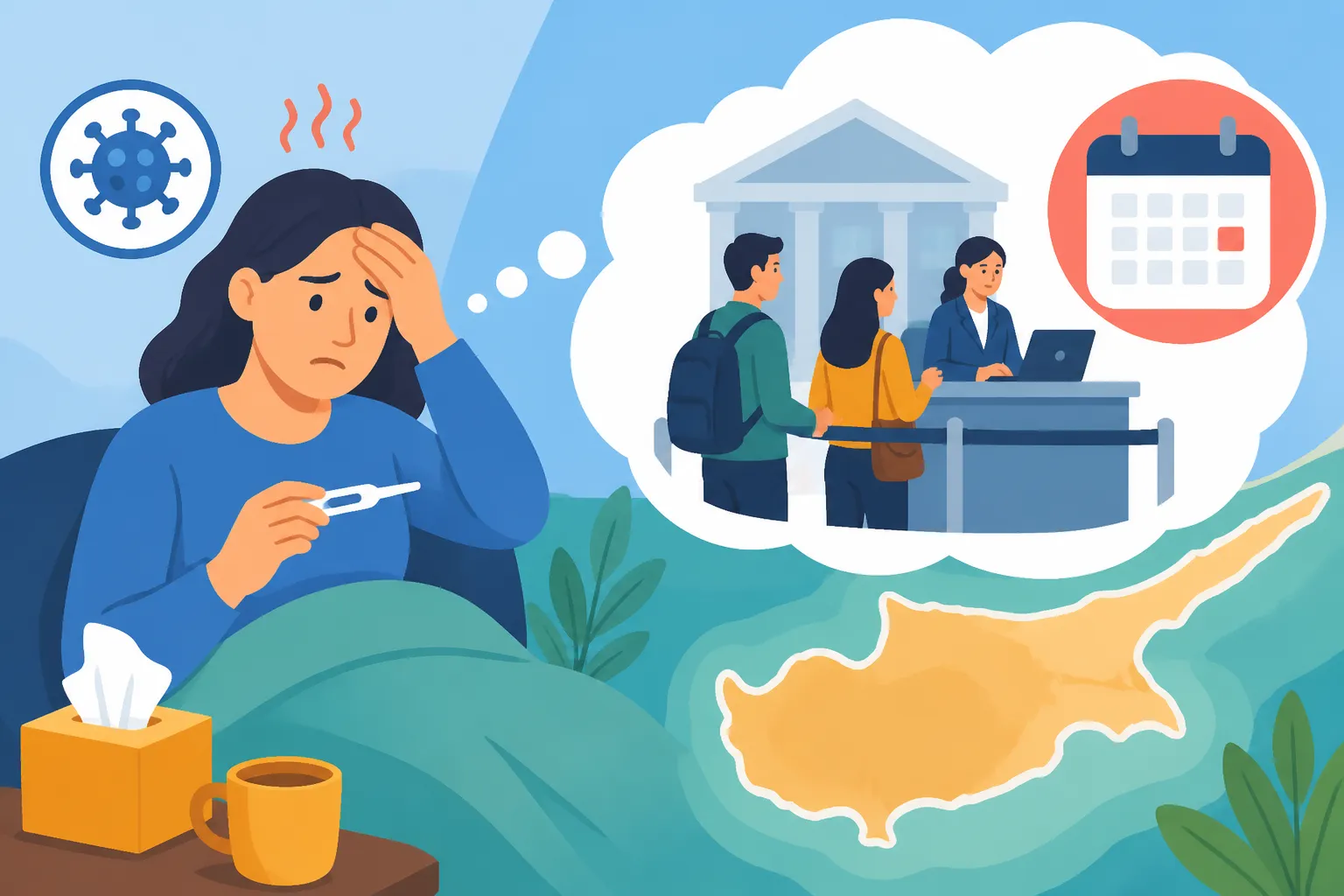
One of the most unsettling fears for any expat landing in a new country, especially Cyprus, is falling ill before all the official bits and bobs are sorted out. You've just arrived, you're trying to navigate the maze of paperwork for your residency, your work permit, and of course, getting yourself registered with GeSY, and suddenly, you feel that tell-tale tickle in your throat or a nasty stomach bug hits. It's a truly vulnerable feeling, isn't it? This comprehensive guide is here to walk you through exactly what happens, what your options are, and how to prepare for those tricky early days before your GeSY registration is complete.
The Early Days: Why GeSY Registration Isn't Instant and Why It Matters
Moving to Cyprus is exciting, but let's be honest, the administrative hurdles can sometimes feel like an Olympic sport. One of the biggest areas of confusion and anxiety for newcomers is healthcare access, particularly concerning the General Healthcare System, or GeSY. It’s natural to assume that once you arrive and start the registration process, everything just falls into place. But Cyprus, like many countries, operates on its own timeline, and that means there's often a significant gap between your physical arrival and your official enrollment in the public healthcare system. This isn't just a minor inconvenience; it's a crucial period where you could find yourself without direct access to affordable medical care.
Understanding the GeSY Waiting Game
So, you've landed, you're breathing in that lovely Mediterranean air, and you're ready to get settled. Part of that "settling" involves getting your Yellow Slip if you're an EU citizen, or your residence permit if you're a non-EU citizen, and subsequently, registering with the Social Insurance Services. Only once you're officially contributing to social insurance does the path to GeSY really open up. Even then, the actual registration for GeSY itself, which involves choosing a personal doctor and getting your GeSY portal access, can take additional time.
Many expats I've spoken to, myself included back in the day, arrive thinking "I'll get it all done in a week!" The reality is often far different. You're dependent on various government departments, appointment availability, and processing times. It's not uncommon for the entire process, from arrival to full GeSY activation, to span several weeks, or even a couple of months, particularly during busy periods or if you encounter any unexpected issues with your paperwork. This means for a potentially extended period, you might be living in Cyprus without the safety net of the national healthcare system. For a deeper dive into the system, you can always check out How Cyprus's Health System Works: GeSY vs Private Explained (2027).
The Gap in Coverage: A Vulnerable Period
This interim period, before you're fully registered and activated on GeSY, is what we call the "gap in coverage." During this time, you are essentially a private patient in the Cypriot healthcare system. What does that mean in practical terms? It means every doctor's visit, every blood test, every prescription, and certainly any emergency care, will be an out-of-pocket expense. There's no €1 co-payment here; you'll be paying the full, unsubsidised private rates.
The financial implications alone can be daunting, especially if you're just starting out and watching your budget carefully. But beyond the money, there's the stress. Imagine waking up with a high fever or a persistent cough, or worse, needing urgent medical attention, and having to worry about where to go, who will understand you, and how much it will cost. It's a scenario that every expat hopes to avoid, but one that is surprisingly common. This is why having a plan, even a temporary one, is absolutely critical. It’s a period where securing some form of interim private health insurance, like that offered by SafetyWing, can provide immense peace of mind and financial protection.
Your Immediate Options When Illness Strikes Pre-GeSY
Okay, so you're in the thick of it. You've fallen ill, and your GeSY registration is still pending. Panic often sets in, but take a deep breath. You have options, and understanding them clearly will make a world of difference. The key is knowing which door to knock on and what to expect when you get there. Cyprus has a robust private healthcare sector that serves both locals who prefer it and, crucially, those of us still waiting for GeSY to kick in.
Heading to a Private Doctor or Clinic
This is usually your first and best port of call for non-emergency situations. Private clinics and doctors are abundant across Cyprus, especially in the major cities like Limassol, Nicosia, and Paphos. The beauty of the private system is its accessibility: you don't need a referral to see a specialist, and you can often get an appointment much quicker than you might expect.
Let's say you wake up with a nasty flu. You can simply call a private clinic, explain your symptoms, and usually get an appointment within the same day or the next. Many private doctors, especially those catering to the expat community, speak excellent English. You can even find a comprehensive list of English-speaking practitioners through various expat forums or local directories. When you arrive for your appointment, you'll typically pay for the consultation upfront. This is where having some form of private coverage, like a SafetyWing plan, can step in to reimburse eligible expenses. For more tips on finding a healthcare provider, check out How to Find an English-Speaking Doctor in Cyprus.
Expect a professional, attentive service. The doctor will assess your condition, prescribe medication if necessary, or refer you for tests. The costs for these initial visits are generally manageable for routine issues, but they can quickly add up if you need follow-up appointments, diagnostics, or specialist consultations.
Emergency Situations: Public Hospitals and Accident & Emergency (A&E)
Now, what if it's more serious? A sudden, severe pain, an accident, or symptoms that indicate a true emergency. In such cases, you absolutely do not hesitate. Head straight to the Accident & Emergency (A&E) department of the nearest public hospital. Cypriot public hospitals are obligated to provide emergency care to anyone, regardless of their insurance status or nationality. This is a fundamental human right, and you will not be turned away.
However, a crucial distinction: while you will receive care, it will not be free. Since you're not yet under GeSY, you will be treated as a private patient for billing purposes. Expect to register upon arrival, and you might be asked for your passport or ID. The wait times in public A&E can sometimes be long, especially if your condition is not life-threatening, as priority is given to the most critical cases. After treatment, you will be presented with a bill. This can range from a few hundred euros for minor injuries or conditions that don't require admission, to potentially thousands for more complex treatments, hospital stays, or surgery. This is precisely the kind of scenario where robust private travel or expat insurance, such as SafetyWing, proves invaluable, covering the potentially crippling costs of unexpected emergency care. For further details on emergency care, refer to Emergency Medical Care in Cyprus: What Every Expat Needs to Know.
Utilising Pharmacies for Minor Ailments
For minor health niggles that don't necessarily warrant a doctor's visit, your local Cypriot pharmacy can be an absolute lifesaver. Pharmacists in Cyprus are highly trained and are often your first point of contact for common ailments. They can offer advice, recommend over-the-counter remedies, and even dispense certain medications that might require a prescription in other countries, particularly for things like minor infections or common pain relief.
Think about a bad cold, a persistent headache, or a minor skin rash. A quick chat with the pharmacist can often resolve the issue without the need for a consultation fee. They're usually very helpful and many speak English. Just walk in, describe your symptoms, and they'll guide you. This approach is not only cost-effective but also time-efficient when you're just experiencing a mild, self-limiting condition. Always remember, though, if symptoms persist or worsen, or if you're unsure, seeking a doctor's opinion is always the safest bet. You can learn more about the pharmacy system in Prescription Medications and Pharmacies in Cyprus: The Complete Guide.
Financial Realities: Costs to Expect Without GeSY
Let's talk brass tacks. The financial aspect of getting sick before GeSY kicks in is arguably one of the biggest stressors for new arrivals. Without the subsidies and co-payments of the national system, you're looking at full private rates, which, while often lower than in many Western European or North American countries, can still be a significant blow to your budget if you're unprepared. It’s crucial to understand these potential costs so you can budget accordingly or, better yet, secure adequate temporary coverage. For a broader view of costs, check out The Cost of Healthcare in Cyprus: A Complete Breakdown for Foreigners (2026).
Breakdown of Typical Private Healthcare Costs
The costs can vary quite a bit depending on the clinic, the doctor's experience, and the specific region in Cyprus, but here's a general idea of what you might expect for common services if you're paying out-of-pocket:
| Service | Estimated Cost (EUR) | Notes |
|---|---|---|
| General Practitioner (GP) Visit | €50 – €80 | For a standard consultation. Often paid upfront. |
| Specialist Consultation | €80 – €150 | For dermatologists, cardiologists, etc. (no referral needed in private system). |
| Basic Blood Tests | €30 – €100 | Depending on the number and type of tests (e.g., full blood count, liver function). |
| X-ray | €50 – €100 | For a single area (e.g., chest, limb). |
| Ultrasound Scan | €80 – €150 | For diagnostic imaging. |
| Emergency Room Visit (Non-admission) | €100 – €300 | For assessment and minor treatment without requiring an overnight stay. |
| Prescription Medications | Varies | Can range from a few euros to hundreds, depending on the drug and duration. |
| Dental Check-up | €40 – €70 | Basic examination (dental is largely private even with GeSY). |
These figures are estimates, of course, and can fluctuate. For instance, a private GP visit in a smaller town might be closer to €50, while in a bustling city centre it could lean towards €80. If you need multiple tests, repeat visits, or more complex procedures, those costs will naturally compound very quickly. This is where many expats feel the pinch, especially when facing an unexpected medical event. Understanding How Do I Pay for a Doctor Visit in Cyprus? can also be helpful.
The Value of Private Health Insurance During the Gap
Given the out-of-pocket expenses highlighted above, it becomes abundantly clear why having a temporary private health insurance plan is not just a good idea, but essential for peace of mind during your initial weeks or months in Cyprus. Companies like SafetyWing specialise in flexible travel and expat insurance designed precisely for situations like these.
Unlike traditional long-term private health insurance policies, which can be complex and sometimes require a longer commitment, SafetyWing offers month-to-month coverage that's ideal for bridging the gap until your GeSY is active. It's built for digital nomads and global citizens, meaning it understands the unique needs of those in transition. A good temporary policy will typically cover:
- Emergency medical expenses: This is huge. If you end up in a public hospital A&E or need emergency surgery, the costs can be astronomical. A policy like SafetyWing's can cover hospitalisation, emergency doctor fees, and necessary medical transportation.
- Urgent care: Many plans will cover visits to private doctors and clinics for unexpected illnesses or injuries, which directly addresses the scenario we're discussing.
- Prescription medications: Related to an eligible illness or injury.
- Accident benefits: For things like broken bones or other accidental injuries.
Think of it as your financial guardian angel during a period of vulnerability. It means that if you get that nasty stomach bug, twisted ankle, or even something more serious before your GeSY card arrives, you're not facing those private healthcare bills entirely on your own. It alleviates a significant amount of stress, allowing you to focus on getting better rather than worrying about the bill. For comprehensive information on securing private health insurance as a newcomer, consider reading How to Buy Private Health Insurance as a Newcomer in Cyprus.
Proactive Steps: Minimising Risk While You Wait for GeSY
While we've covered what to do if you get sick, the best defence is always a good offense. Being proactive about your health and preparation can significantly reduce the stress and financial burden of navigating healthcare in Cyprus before your GeSY registration is complete. After all, the aim is to enjoy your new life here, not spend it worrying about medical bills! It’s all part of The Complete Guide to Healthcare in Cyprus for Expats (2027).
Getting Private Health Insurance Immediately Upon Arrival
Seriously, do this. Ideally, you should have at least basic travel or expat insurance coverage before you even set foot on the island. Many people underestimate the time it takes to get fully settled, and an unexpected illness or accident can happen literally on day one. A simple, flexible plan like SafetyWing can start from the moment you leave your home country and continue for as long as you need it, adapting to your situation.
It's not just about emergencies. Even a bad cold or a nasty allergic reaction can necessitate a doctor's visit and prescription, which, as we've seen, comes with a cost. Having insurance means you can seek medical attention without that immediate financial apprehension. It's a bridge of coverage, giving you the security you need until your official GeSY status is activated. Don't leave it to chance; think of it as an essential part of your moving checklist, right up there with sorting your accommodation and residency.
Researching Local Private Facilities
Before you need a doctor, spend a little time researching. Identify at least one or two private medical clinics and the nearest public hospital (for emergencies only!) in your immediate area. Look up their addresses, phone numbers, and check if they have English-speaking staff or doctors. A quick online search or asking in local expat groups can yield a wealth of information.
Having this information readily available, perhaps even saved as contacts in your phone, means that if you do feel unwell, you won't be scrambling to find help while feeling miserable. It empowers you to act quickly and confidently, knowing exactly where to go. This foresight is part of Navigating the Cypriot Healthcare System: An Expat's Roadmap (2027).
Some popular private medical centres and hospitals in major cities include:
- Limassol: Ygia Polyclinic, Limassol General Hospital (public, for emergencies), Mediterranean Hospital of Cyprus.
- Nicosia: American Medical Center, Apollonion Private Hospital, Nicosia General Hospital (public).
- Paphos: Evangelismos Hospital, Blue Cross Medical Center, Paphos General Hospital (public).
These facilities are well-equipped and generally have staff who can communicate in English, making the experience less stressful for non-Greek speakers.
Maintaining a Basic First-Aid Kit and Essential Medications
This might sound like basic advice, but it's often overlooked in the chaos of international moves. Pack a small, well-stocked first-aid kit that includes essentials for common ailments. This should include:
- Pain relievers: Paracetamol (acetaminophen) and Ibuprofen.
- Antihistamines: For allergies or insect bites.
- Antiseptic wipes and bandages: For minor cuts and scrapes.
- Digestive aids: For upset stomachs or heartburn.
- Any personal prescription medications: Ensure you have enough to last until you can get a local prescription, plus a little extra buffer. Make sure to carry a copy of your prescription if you're bringing controlled medications.
Having these basics on hand means you can address minor issues without immediately needing to find a pharmacy or a doctor. It's about self-sufficiency for the little things, freeing up your mental energy for the bigger tasks of settling in.
Navigating GeSY Once You're Registered
Eventually, the waiting game ends! You'll receive confirmation of your GeSY registration, get your unique identification number, and gain access to the GeSY online portal. This is a moment of relief for many expats, as it signals the start of your integration into Cyprus's national healthcare system. Understanding what happens next is important to seamlessly transition from private care to public provision.
How to Access GeSY Services
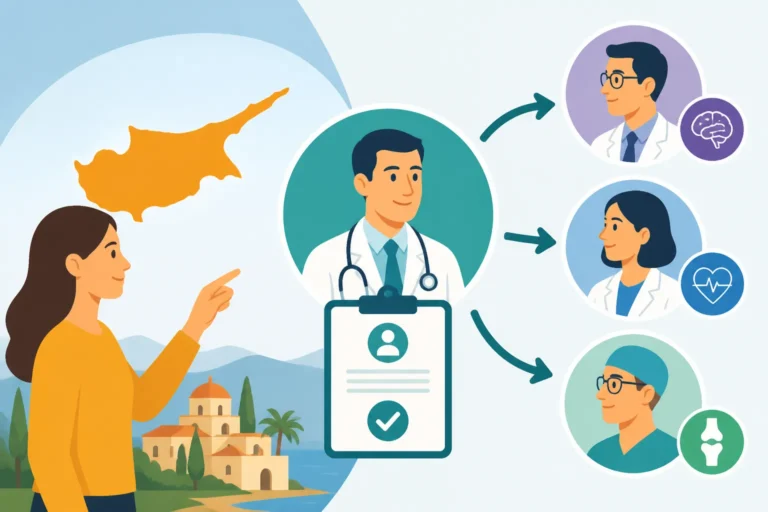
Once registered, your first step will be to choose a Personal Doctor (GP). This is a crucial decision, as your GP will be your primary point of contact for all your healthcare needs under GeSY. They act as your gatekeeper to specialist services, issuing referrals if you need to see a cardiologist, dermatologist, or any other specialist. You can select a GP through the GeSY portal, and it's advisable to look for one with good reviews, a convenient location, and, of course, one who speaks English. Many expats find English-speaking GPs quite readily, especially in areas with larger foreign populations. For a detailed walkthrough of this process, check out Registering with a Personal Doctor (GP) in Cyprus: The Complete Expat Guide (2027).
With your chosen GP, you’ll then be able to schedule appointments for routine care, health checks, and for any new health concerns that arise. You’ll pay a nominal co-payment (typically €1 for GP visits, and slightly more for specialist referrals and certain tests) which is significantly different from the full private rates you might have paid previously.
The Shift from Private to Public
The transition to GeSY means a fundamental shift in how you access and pay for healthcare. Where before you might have called a private clinic and paid upfront, now you'll mainly go through your GeSY GP. The benefits are clear: significantly reduced costs, comprehensive coverage for most medical services (including hospitalisation, specialist care, and a wide range of medications), and a more integrated approach to your health management.
However, there are also some trade-offs. Waiting times for certain specialist appointments or elective procedures can sometimes be longer under GeSY compared to the private sector. Additionally, some expats choose to retain private health insurance for specific reasons, such as access to a wider choice of hospitals, private rooms, or to bypass potential waiting lists. This choice between public and private healthcare is a common dilemma for expats and is explored in detail in Public vs Private Healthcare in Cyprus: Which Should Expats Choose?. Ultimately, having GeSY means you have a solid foundation of healthcare coverage, providing security and affordability that is truly invaluable for long-term living in Cyprus.
Disclaimer
The information provided in this guide is intended for general informational purposes only and does not constitute professional medical, legal, or financial advice. While we strive to ensure accuracy, regulations and procedures in Cyprus can change, and individual circumstances vary. Always consult with qualified professionals for advice tailored to your specific situation. Reliance on any information in this article is solely at your own risk.