Is Healthcare Free in Cyprus for Residents?
One of the biggest questions on every newcomer's mind when they arrive in Cyprus, myself included, is about healthcare. We often hear whispers about how healthcare here is "free" for residents, and frankly, that's a common misconception that can lead to quite a shock. The reality is far more nuanced, and this guide aims to peel back the layers of Cyprus's healthcare system, particularly the General Healthcare System (GeSY), to explain exactly what residents can expect in terms of costs and access.
Unpacking the Idea of "Free" Healthcare in Cyprus
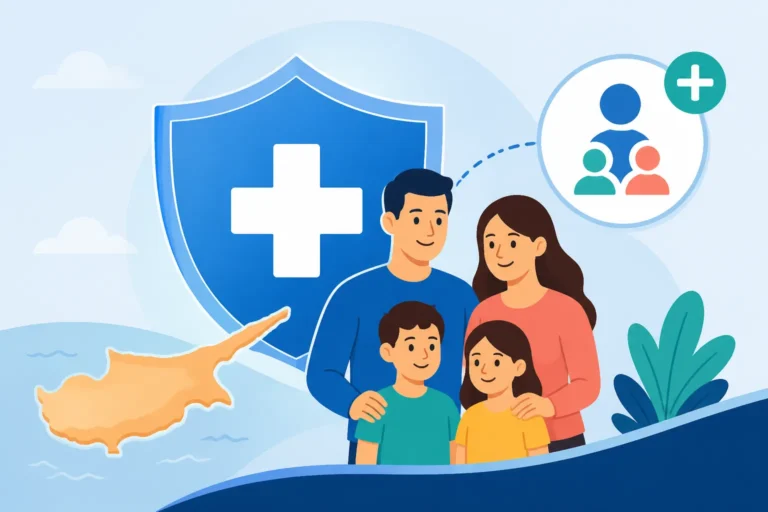
Let's cut right to the chase: is healthcare truly "free" in Cyprus for residents? The short answer is no, not in the sense that you pay nothing at all. While Cyprus boasts a wonderful universal healthcare system called GeSY (ΓεΣΥ in Greek, the General Healthcare System), which provides comprehensive care to eligible residents, it's funded through mandatory contributions and involves small co-payments for certain services. This makes it heavily subsidized, but not entirely free.
Many expats arrive here from countries with fully tax-funded systems and assume GeSY operates in the same way, where you show up, get treated, and never see a bill. That's simply not the case. Your eligibility for GeSY is tied to your residency status and social insurance contributions, and even then, there are nominal fees involved. The core idea is that everyone contributes according to their income, and in return, everyone gets access to high-quality medical services without facing prohibitive costs. It’s a fantastic system, don't get me wrong, but understanding its mechanics is crucial to avoid any unpleasant surprises.
What GeSY Covers and Who Can Access It
GeSY is designed to be a comprehensive system, covering a wide array of medical services for eligible residents. This includes visits to personal doctors (GPs), specialist consultations, hospital care (both inpatient and outpatient), prescription medications, laboratory tests, diagnostic procedures, and even certain dental and physiotherapy services. It's a robust package, aimed at providing holistic care.
Who gets to tap into this? Generally, if you are a legal resident of Cyprus and make social insurance contributions, you are eligible. This applies to employees, self-employed individuals, pensioners, and even dependents (spouses and children) of eligible individuals. EU citizens who are economically active in Cyprus are also covered, as are non-EU citizens with valid work permits or long-term residence permits who are contributing to social insurance. If you're wondering Understanding Who Is Eligible for GeSY in Cyprus, it really boils down to your legal residency and whether you're actively contributing. The system is managed by the Health Insurance Organisation (HIO), and they are the ones who set the rules and manage the funds. For a deeper dive into the overall system, you might find our guide on How Cyprus's Health System Works: GeSY vs Private Explained (2027) helpful.
The Mechanism: Contributions, Not Charity
The "free" perception often stems from not seeing a direct bill for every single service. However, the system is funded by compulsory contributions from employees, employers, the self-employed, pensioners, and the state itself. These contributions are a percentage of your income, capped at a certain amount, ensuring that everyone contributes their fair share to keep the system running.
For employees, these contributions are typically deducted directly from your salary, so you might not even feel them directly leaving your bank account each month, leading to the impression that healthcare is "free." However, they are there, and they are essential. Self-employed individuals pay their contributions regularly to the Social Insurance Services. This pooling of resources is what allows the system to operate and provide such extensive coverage at low direct costs to the patient at the point of service. Without these contributions, GeSY simply wouldn't exist as it does.
The Reality of Out-of-Pocket Expenses: GeSY Contributions and Co-Payments
So, while the broad strokes of GeSY mean you don't pay the full market price for medical services, it's not entirely without cost. Think of it as a membership fee (your contributions) that grants you access to heavily subsidized services, where you sometimes pay a small "user fee" – what we call co-payments. These co-payments are a fact of life under GeSY and are crucial to understand.
Mandatory GeSY Contributions
As we touched upon, your primary "payment" for GeSY healthcare comes through your mandatory contributions. These are fixed percentages of your insurable earnings, up to a certain maximum. The exact rates can change, but for 2024, as an example, employees contribute 2.65% of their gross earnings, employers contribute 2.90%, and the state contributes 4.70%. Self-employed individuals contribute 4.00%. Pensioners and income earners contribute at different rates.
These aren't optional; if you're working and living here legally, they are a statutory deduction. This is how the system maintains its financial viability, ensuring that a collective pool of funds is available to cover the healthcare needs of all residents. It's a solidarity principle: those who can contribute more do so, supporting the entire system. Without these regular payments, you simply won't be able to utilize GeSY services.
Understanding Co-Payments: Small Fees, Big Impact
Beyond your regular contributions, you will encounter co-payments. These are small, fixed fees you pay directly at the point of service for certain medical acts or prescriptions. They are a way to manage demand, encourage responsible use of services, and slightly offset costs. The amounts are typically quite low, making healthcare accessible even for routine visits.
For example, as of recent updates, a visit to your personal doctor (GP) often incurs a €1 co-payment. A visit to a specialist, if referred by your GP, might be €3. For prescribed medications, you'll pay €1 per item, with some exceptions. Laboratory tests also have a co-payment of €1 per test. While these amounts seem negligible individually, they can add up, especially if you have chronic conditions requiring frequent visits or multiple medications. Our guide on Understanding GeSY Co-Payments and Out-of-Pocket Fees in Cyprus delves into this in much more detail.
It's important to differentiate: your monthly contributions enable your access to GeSY, while co-payments are what you pay at the moment of service. Many expats, myself included, found this system a bit confusing initially, especially if coming from countries where healthcare might be entirely free at the point of use.
When GeSY Isn't "Free": Services and Situations with Out-of-Pocket Costs
While GeSY offers incredible coverage, it's not a magic wand that makes all medical expenses vanish. There are specific services and situations where you'll find yourself reaching for your wallet, even as a fully registered GeSY patient. Being aware of these exceptions is key to managing your healthcare budget in Cyprus.
Dental Care Limitations
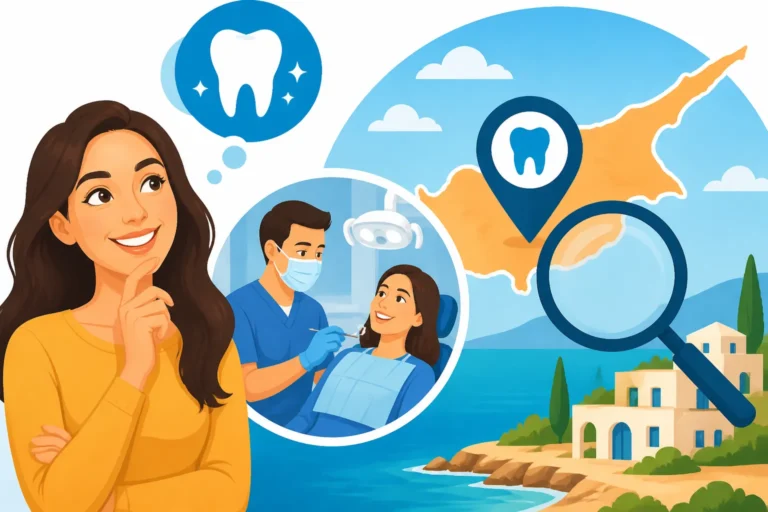
One of the most common areas where expats express surprise is dental care. While GeSY provides some very basic dental services, like routine check-ups and extractions at public dental clinics, it generally does not cover comprehensive dental treatments such as fillings, root canals, orthodontics, or cosmetic procedures in private dental practices. For these, you'll almost certainly need to pay out of pocket.
This is a significant difference from some other European health systems. Many residents opt for private dental insurance or simply budget for these costs independently. If you need extensive dental work, it can quickly become an expensive affair, so make sure to factor this into your financial planning. You can explore Understanding Dental Care Costs and Coverage in Cyprus for more specific information.
Choosing Private Care or Specialist Referrals
Although GeSY covers specialist consultations, there's a specific process to follow. You usually need a referral from your personal doctor to see a specialist within the GeSY system. If you decide to bypass this and go directly to a private specialist, or if you prefer a private hospital for a procedure that could be done under GeSY, then you will be paying the full private rates.
Many expats choose this route for speed (waiting lists can sometimes be a factor, though often not as long as in other countries), convenience, or simply to see a specific doctor. For instance, if you want to find an English-speaking dermatologist in Limassol without a GP referral, you'll be paying privately for that consultation. Our article, How to Access Specialist Care Through GeSY in Cyprus, outlines the referral process.
Medications Not on the GeSY List
While GeSY covers a vast range of prescription medications, there are instances where a specific drug might not be on the official GeSY formulary. If your doctor prescribes a medication that isn't included, you'll be responsible for the full cost. This is relatively rare for common conditions, but it's something to be aware of, especially for newer, specialized, or very expensive drugs. The standard co-payment for GeSY-approved medications is a nominal €1 per item, making most prescriptions incredibly affordable. More details on this can be found in Prescription Medications and Pharmacies in Cyprus: The Complete Guide.
Emergency Care for Non-Eligible Individuals
What if you've just arrived and haven't registered for GeSY yet? Or what if you're here on a tourist visa? Emergency care is always provided, but it certainly won't be "free." Public hospitals will treat you in an emergency, but you will be billed for the services rendered. These bills can quickly add up, especially for serious conditions or hospital stays.
This is where having good private health insurance, especially travel insurance like SafetyWing, becomes incredibly important. SafetyWing offers coverage for unexpected medical emergencies, which can be a lifesaver for new arrivals or short-term visitors. It’s always best to be proactive about your health coverage. If you're concerned about What Happens If I Get Sick Before My GeSY Registration in Cyprus?, this is a critical point to consider.
Navigating Healthcare Before, During, and After GeSY Registration
The journey through Cyprus's healthcare system, particularly as a new expat, has distinct phases. Understanding how to manage your health during these transitions is vital. From the moment you land to when you're fully integrated into GeSY, your options and costs will vary significantly.
The Initial Phase: No GeSY Coverage Yet
When you first land in Cyprus, whether you're an EU citizen or a non-EU citizen, you won't automatically have GeSY coverage. If you're an EU citizen, your European Health Insurance Card (EHIC) can cover medically necessary treatment in public facilities, but it's not a substitute for comprehensive local health coverage and doesn't cover all the benefits of GeSY. For non-EU citizens, it's even more critical.
During this initial period, which can last a few weeks or even months depending on your immigration process and GeSY registration timeline, you'll need private coverage. This is where options like SafetyWing can bridge the gap. It's designed for digital nomads and remote workers, offering flexible travel medical insurance that can cover you for medical emergencies and unexpected illnesses before your permanent residency and GeSY eligibility kick in. Relying solely on the public system without official registration will lead to significant out-of-pocket expenses for anything beyond basic emergencies. Think about it: if you slip and break an ankle or get a nasty ear infection, you'll be paying for that emergency room visit and any follow-up care.
Registering for GeSY: The Essential Steps
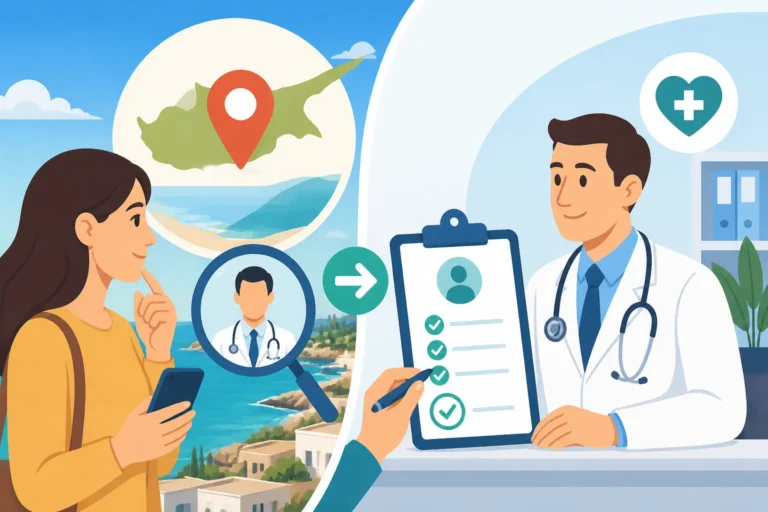
Once you have your residency status sorted and are contributing to social insurance, your next crucial step is to register for GeSY. This process, while sometimes a bit bureaucratic, is straightforward if you have all your documents in order. You'll need to visit a local HIO office or register online through their portal. The first thing you'll do is select a personal doctor (GP) who will be your primary point of contact for all medical needs within the system. You can find guidance on How to Register for GeSY (General Healthcare System) in Cyprus (2027) to make this process smoother.
The registration unlocks the heavily subsidized care we've been discussing. Without registering, even if you're technically eligible, you won't be able to access the benefits and will be treated as a private patient. This selection of a GP is key because they act as your gatekeeper to specialist referrals and many other services. You can also look for How to Find an English-Speaking Doctor in Cyprus to make communication easier.
Understanding the Full Cost of Healthcare
To truly understand the "cost" of healthcare in Cyprus, you need to look beyond the co-payments and even the monthly contributions. It’s about assessing your overall healthcare needs.
Let's break it down in a table for clarity:
| Category | GeSY Contribution (Monthly/Annually) | GeSY Co-Payment (Per Service) | Private Care (Out-of-Pocket) |
|---|---|---|---|
| Personal Doctor Visit | Covered by contributions | €1 | €40 – €70 (Avg.) |
| Specialist Consultation | Covered by contributions | €3 (with GP referral) | €60 – €120 (Avg.) |
| Hospital Stay (Public) | Covered by contributions | €6 per day (max €60/year) | N/A (Go private for full cost) |
| Prescription Medications | Covered by contributions | €1 per item | Full cost (varies widely) |
| Lab Tests/Diagnostics | Covered by contributions | €1 per test | Full cost (varies widely) |
| Emergency Visit (Public) | Covered by contributions | €10 (if not admitted) | €50 – €150+ (if no GeSY) |
| Dental Treatment | Basic services only | Co-payments apply for basics | Full cost for most treatments |
| Physiotherapy | Covered by contributions | €1 per session (with referral) | €30 – €60 per session (Avg.) |
Note: All co-payment and average private costs are approximate and subject to change by the HIO or private providers.
This table illustrates that while GeSY makes essential care incredibly affordable, there are still costs. For services not fully covered by GeSY, or if you prefer private treatment, the expenses can quickly add up. This is precisely why many expats opt for supplementary private health insurance even after registering for GeSY, especially if they want access to services like private hospital rooms or more extensive dental and optical care without the wait times or referral process. For a comprehensive overview of expenses, our guide on The Cost of Healthcare in Cyprus: A Complete Breakdown for Foreigners (2026) is an invaluable resource.
The Role of Private Health Insurance
Given the co-payments and the areas GeSY doesn't fully cover (like extensive dental work or immediate private specialist access), many expats choose to invest in private health insurance. This doesn't replace GeSY; rather, it complements it. A good private policy can cover the gaps, offer direct access to private hospitals and specialists without referrals, and provide benefits like private rooms during hospital stays.
This approach gives you the best of both worlds: the safety net and affordability of GeSY for most needs, combined with the flexibility and added benefits of private care when you want it. This could mean using GeSY for your GP and routine blood tests, but having private insurance to cover an elective surgery in a private facility or more advanced dental work. When moving to Cyprus, especially as a newcomer, exploring How to Buy Private Health Insurance as a Newcomer in Cyprus is a very wise step. Even if you're not planning to use private facilities often, knowing you have that option for peace of mind is invaluable.
Alternative Healthcare Options and Emergency Preparedness
Even with GeSY, it's always good to know your options and be prepared for various scenarios. Sometimes, GeSY might not be the right fit for a specific need, or you might find yourself in a situation before your full registration is complete.
Private Clinics and Hospitals
Cyprus has a robust private healthcare sector that operates entirely outside of GeSY. This means you can book appointments directly with specialists, choose private hospitals, and often experience shorter waiting times. The quality of care in private facilities is generally excellent, with many English-speaking doctors and state-of-the-art equipment. However, the costs are borne entirely by you or your private health insurance.
For example, if you need an MRI scan and don't want to wait for a GeSY referral or appointment, you can often get one done privately within a day or two, but it will come with a significant price tag. Many expats with comprehensive private insurance use both systems: GeSY for everyday needs and their private insurance for more complex or urgent non-emergency issues. For those considering private care, knowing How to Use Private Hospitals and Clinics in Cyprus is key.
Travel and Temporary Insurance
For those still finding their feet, perhaps on a temporary visa or awaiting full residency, travel medical insurance is non-negotiable. It's essentially your safety net for unexpected medical events. Companies like SafetyWing provide flexible, comprehensive coverage that's ideal for expats in transition. This type of insurance typically covers emergency medical treatment, hospital stays, and even medical evacuation if needed.
Having this kind of policy ensures that a sudden illness or accident doesn't derail your finances before you've even settled. It’s a good idea to maintain such coverage until you are fully registered and confident in your GeSY access. This also applies to visitors and tourists, who absolutely need travel insurance to cover potential medical emergencies while on the island. For travel outside Cyprus too, it's wise to consider Understanding the EHIC and Travel Health Cover in Cyprus if you're an EU citizen or get separate travel insurance.
Emergency Medical Care
In a genuine medical emergency, whether you're a registered GeSY patient, a private patient, or even a tourist, you will receive care. The emergency services are accessible to everyone. The universal emergency number in Cyprus is 112, which connects you to ambulance, police, and fire services.
For GeSY-eligible residents, emergency room visits often have a co-payment if you're not admitted, but the critical care itself is covered. For non-GeSY patients, expect to be billed for services received. It's always a good idea to know what to do in a medical crisis, regardless of your insurance status. Familiarize yourself with Emergency Medical Care in Cyprus: What Every Expat Needs to Know so you're never caught off guard. Hospitals like Limassol General Hospital or Nicosia General Hospital have excellent emergency departments.
Disclaimer
The information provided in this article is for general guidance only and does not constitute legal, financial, or medical advice. Healthcare regulations and costs in Cyprus can change. Always consult with the official Health Insurance Organisation (HIO), a qualified medical professional, or a legal expert for personalized advice regarding your specific situation.