What Are the Requirements to Keep My Permanent Residency in Cyprus?
Ah, the coveted Permanent Residency in Cyprus! Getting that "green slip" (or just the approval for Category F, which is the most common path for non-EU citizens) feels like reaching the summit of a rather bureaucratic mountain. You’ve navigated the initial hurdles, gathered countless documents, and perhaps even spent more than a few anxious hours waiting at the Civil Registry and Migration Department. But here’s the thing many expats don't realise until later: securing PR isn't always the end of the journey; you also need to understand how to keep it. It’s easy to assume once you have it, it's yours forever, but Cyprus, like many countries, has specific rules to ensure you're genuinely integrated and intend to make this beautiful island your long-term home. This guide will walk you through the essential requirements to maintain your permanent residency, sparing you from potential heartache and bureaucratic surprises.
The Golden Rule: Avoiding Long Absences from Cyprus
Let’s start with the most critical, often misunderstood, aspect of maintaining your Cyprus Permanent Residency: your physical presence on the island. Many expats think of PR as a "set it and forget it" status, but the Cypriot authorities want to see that you actually live here. There are specific rules regarding how long you can be away from Cyprus before your PR status might be jeopardised. This isn't just about popping back for a few days to restart a clock; it's about demonstrating a genuine continuous link to the country.
Understanding the Two-Year Rule for General PR Holders
For most non-EU citizens who obtain permanent residency through routes like Category F (which requires demonstrating stable income from abroad without working in Cyprus), the primary concern is the "two-year rule." This rule states that if you are absent from Cyprus for a continuous period exceeding two years, your permanent residency permit can be automatically revoked.
Imagine you've settled into life in Limassol, you've got your local kafenio, your preferred grocery shop, and you even greet your neighbours in a bit of Greek. Then, a family emergency calls you back to your home country for an extended period, or perhaps a unique work opportunity arises that requires you to relocate temporarily. While these life events are entirely understandable, the Cypriot law doesn't make many exceptions. If you find yourself out of the country for, say, two years and one month without any special permission or prior arrangement, you could return to find your permanent residency status has been cancelled. This can be a crushing blow, requiring you to start the entire application process from scratch, which, as you know, is no small feat. It's not just about losing a document; it's about potentially losing your legal right to reside in the place you've built a life. This is why it’s absolutely crucial to keep track of your time spent outside Cyprus. Think of it as a rolling two-year period, not just a one-off countdown from the day you got your PR.
The Seven-Year Mark and Long-Term Resident Status
Beyond the initial permanent residency, there's another level of status you can achieve: Long-Term Resident (LTR) status. This is governed by EU directive 2003/109/EC and applies to third-country nationals who have lawfully resided in an EU Member State for five continuous years. Once you’ve held your Cyprus permanent residency for five years, you become eligible to apply for this Long-Term Resident status.
The key advantage of Long-Term Resident status, compared to the initial Cyprus-specific PR, is a slightly more lenient absence rule. With LTR status, you can be absent from the entire EU territory for a continuous period not exceeding 12 months without losing your status. In certain circumstances, especially if it's for specific professional reasons, this period might be extended. However, if you're absent for a total of more than six years from the EU territory, or for two consecutive years from Cyprus specifically, your LTR status could also be withdrawn. It's a bit more flexible, but certainly not a free pass for indefinite absence. For those of us who came here from non-EU countries, this LTR status offers an added layer of security and mobility within the Schengen area, a privilege that needs to be respected. It’s a testament to your long-term commitment to living here. If you're planning an extended period away, always consult with the Civil Registry and Migration Department or a legal professional to understand the precise implications for your specific status.
Demonstrating Continuous Ties and Financial Stability
Keeping your permanent residency isn't just about counting days in and out of the country. The authorities also want to see tangible proof that you're genuinely living here and are self-sufficient. This goes beyond the physical; it delves into your intent to reside permanently and your financial capacity to do so without becoming a burden on the state.
Proving Your Intention to Reside Permanently
This is where things can feel a bit subjective, but there are clear indicators the Cypriot government looks for. "Intention to reside permanently" isn't explicitly defined by a list of checkboxes, but it's an overarching principle. It means you're not just using Cyprus as a postal address or a convenient stepping stone; you've actually put down roots.
Think about it from their perspective: they've granted you the right to live here indefinitely. They want to see that you're exercising that right meaningfully. One of the strongest indicators is home ownership or a long-term rental agreement. If you’ve purchased property, especially a primary residence, that shows a significant commitment. Even if you're renting, consistently renewing a long-term lease year after year, rather than jumping between short-term rentals, helps build your case. You’ll want to ensure you're properly connected to essential services. For a detailed guide on getting settled, you might find useful information in resources like The Expat Guide to Setting Up Utilities Electricity Water Internet in Cyprus.
Beyond housing, they look at your financial footprint. Maintaining active bank accounts with local banks like Bank of Cyprus or Hellenic Bank, having your salary or pension deposited here, and regularly using local payment systems are all crucial. You can learn more about this in Banking in Cyprus A Complete Guide for Foreigners 2026. Your utility bills (electricity, water, internet) being regularly paid from your Cypriot accounts also serve as proof of address and consistent presence. Are you registered for taxes and filing your annual returns? Being a tax resident, and understanding Tax Residency in Cyprus The 183-Day and 60-Day Rules Explained 2026, is a significant demonstration of your ties. Enrolling your children in local schools, joining local clubs, learning Greek, and generally participating in the community all contribute to showing that your life is genuinely here. These aren’t just administrative tasks; they’re reflections of building a life.
Maintaining Adequate Financial Resources
When you applied for permanent residency, particularly Category F, you had to demonstrate a stable and sufficient annual income from sources outside of Cyprus (or local passive income like rental yield). This wasn't a one-time requirement to get your foot in the door; it's an ongoing expectation. The Cypriot authorities need assurance that you can continue to support yourself and your dependents without relying on the state.
The exact income thresholds can be updated periodically, so it’s always best to check the latest guidelines from the Civil Registry and Migration Department. However, generally, you're expected to maintain the income level that qualified you initially. For example, for Category F, this has historically been around €9,568 per year for a single applicant, with an additional €4,613 for a spouse and €3,417 for each dependent child. This income should be proven to be derived from legal sources outside of Cyprus, such as pensions, dividends, fixed deposits, or other investments. It's not enough to simply have the money; you must be able to demonstrate its consistent availability and source.
You might be asked to provide annual bank statements, proof of pension payments, or other financial documents. Keep meticulous records! This is where having a good local accountant, especially if your income sources are complex, can be invaluable. They can help ensure your financial declarations align with what the authorities expect. Moreover, having adequate health insurance, perhaps from reputable providers like Cigna Global, also contributes to proving your financial self-sufficiency. It shows you’re prepared for unexpected medical costs, further reducing any potential burden on the public healthcare system. Understanding the overall The Cost of Living in Cyprus for Expats 2026 will give you a good benchmark for what "adequate" truly means in practice.
Navigating the Administrative Side of Permanent Residency
While the big picture items like physical presence and financial stability are crucial, don't overlook the smaller, but equally important, administrative duties. Staying on top of your paperwork and knowing when to seek expert advice can save you a lot of grief down the line.
The Importance of Keeping Your Documents Up-to-Date
Life happens, and your personal circumstances are bound to change over time. You might get a new passport, move to a different address in Cyprus, get married, or have a child. Each of these events has administrative implications for your permanent residency status. It is your responsibility to inform the Civil Registry and Migration Department (CRMD) of any significant changes to your personal details or circumstances.
For instance, if you obtain a new passport, you’ll need to update your details with the CRMD. Failing to do so could lead to issues when travelling or attempting to renew other documents. Similarly, if you move house, you must register your new address. This is not just a formality; your official correspondence will be sent to your registered address. Missing important notices because your address is out of date could lead to severe consequences. The process for updating these details usually involves filling out specific forms and submitting supporting documentation at your local CRMD office. It can sometimes feel like a chore, but it's far less complicated than trying to rectify issues that arise from outdated records. Remember, your permanent residency is linked to your identity and your documented life in Cyprus. For a broader understanding of how all these documents fit together, check out The Complete Guide to Cyprus Visas and Immigration for Expats 2026. And if you're accustomed to the Pink Slip as a temporary permit, understanding the nuances of how permanent residency differs is key; a useful resource is Understanding Residence Permits and the Pink Slip in Cyprus 2026.
Here's a quick overview of common changes and what to do:
| Change in Circumstance | Action Required | Documentation Needed (Examples) |
|---|---|---|
| New Passport | Inform CRMD, update passport details on record. | New passport, old passport, copy of PR permit. |
| Change of Address | Register new address with CRMD. This often involves updating your electricity bill in your name at the new address. | New rental agreement/title deed, utility bills at new address, proof of old address. |
| Marriage / Divorce | Inform CRMD, update marital status. | Marriage certificate, divorce decree. |
| Birth of Child | Register newborn with CRMD to add to family's residency (if applicable). | Birth certificate, parents' PR permits. |
| Change of Name | Inform CRMD. | Official deed poll or legal document confirming name change. |
It's also worth noting that while PR is permanent, the physical permit card itself often has an expiry date (usually 5 or 10 years). This is simply for administrative reasons, related to photo updates and security features. You will need to apply for a renewal of the card, not your PR status itself, before it expires. The renewal process is typically straightforward, provided you have maintained all other requirements.
When to Seek Professional Guidance
While this guide aims to be comprehensive, specific situations can be complex, and interpreting legal texts can be challenging, especially when English isn't the primary administrative language. This is precisely when engaging a reputable immigration lawyer or legal consultant becomes invaluable. They deal with these nuances daily and can offer tailored advice for your unique circumstances.
Consider these scenarios where professional guidance is highly recommended:
- Extended Absences: If you anticipate being away from Cyprus for a period that might approach or exceed the two-year limit, speak to a lawyer before you leave. They might advise on specific steps to take to demonstrate your continued ties or to apply for a special exception if one exists for your situation.
- Changes in Income Source or Level: If your financial situation changes significantly, for example, if your pension provider changes, or if you plan to start a business in Cyprus (which might impact your Category F status if you're not allowed to work locally), a lawyer can guide you on how to best communicate this to the authorities and ensure compliance. Understanding Filing Your Tax Return in Cyprus The Complete Walkthrough 2026 and potentially How to Get a Tax Identification Number as a Foreigner in Cyprus become crucial here.
- Family Reunification: If you are bringing new family members to Cyprus under your permanent residency, navigating the family reunification process can be intricate. A lawyer can help streamline applications and ensure all necessary documentation is in order.
- Denial of Re-entry or Questions at the Border: In the rare and unfortunate event that you face difficulties returning to Cyprus or if your PR status is questioned at the border, having a legal professional on standby can be critical.
- Appeals: If your permanent residency is ever challenged or revoked, an immigration lawyer is essential for understanding your rights and assisting with any appeal process.
While the initial move to Cyprus might have involved services to help you settle, like finding your way around, establishing your permanent roots and maintaining them often benefits from specialist legal advice. Your life here isn't just about documents; it's about your home, your possessions – the very things you brought with you, perhaps with the help of services like Sirelo, that anchor you to this island. Protecting that right to stay requires vigilance and, at times, expert help. Don't be shy about investing in professional advice; it's an investment in your future on this island.
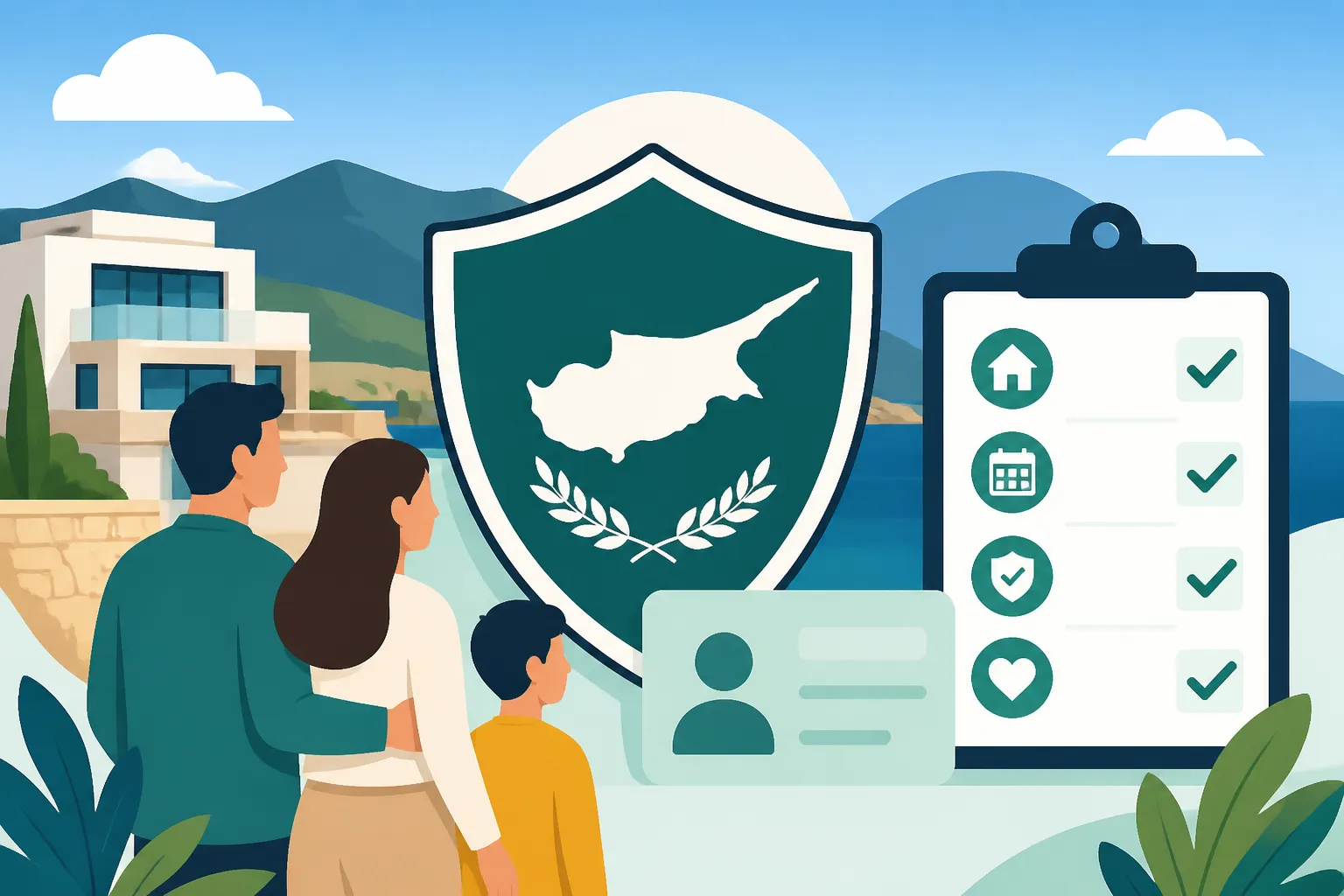
Key Requirements to Maintain Your Permanent Residency
| Requirement | Description |
|---|---|
| Physical Presence | Do not be absent from Cyprus for a continuous period exceeding two years. For Long-Term Residents (after 5 years of PR), absence from the EU for more than 12 consecutive months, or from Cyprus for two consecutive years, can lead to revocation. |
| Demonstrated Intent to Reside | Establish and maintain strong ties to Cyprus. This includes: – Primary Residence: Owning property or having long-term rental agreements. – Financial Ties: Active Cypriot bank accounts, local income/pension deposits, paying bills locally. – Community Engagement: Local utility registrations, tax residency, social integration. |
| Financial Self-Sufficiency | Continuously demonstrate a stable and sufficient annual income from legal sources (typically non-Cypriot for Category F) that meets the minimum thresholds required at the time of your initial application. This income should be proven annually if requested. |
| Valid Documents & Updated Information | Keep your passport valid and inform the Civil Registry and Migration Department (CRMD) of any changes to your personal details (address, marital status, name, etc.). Renew your physical PR permit card before its expiry date (this renews the card, not the underlying PR status). |
| Compliance with Law | Adhere to Cypriot laws and regulations. Any serious criminal offences could lead to a review or revocation of your residency status. |
| Health Insurance (for non-GeSY eligibility) | For those not eligible for the General Healthcare System (GeSY), maintaining comprehensive private health insurance, demonstrating financial preparedness for healthcare needs, is a strong indicator of self-sufficiency. |
Disclaimer
The information provided in this guide is for general informational purposes only and does not constitute legal or professional advice. While we strive to keep the information up-to-date and accurate, regulations and procedures in Cyprus can change. Always consult with the relevant Cypriot authorities (such as the Civil Registry and Migration Department) or a qualified legal professional for advice tailored to your specific situation. Reliance on any information in this guide is solely at your own risk.