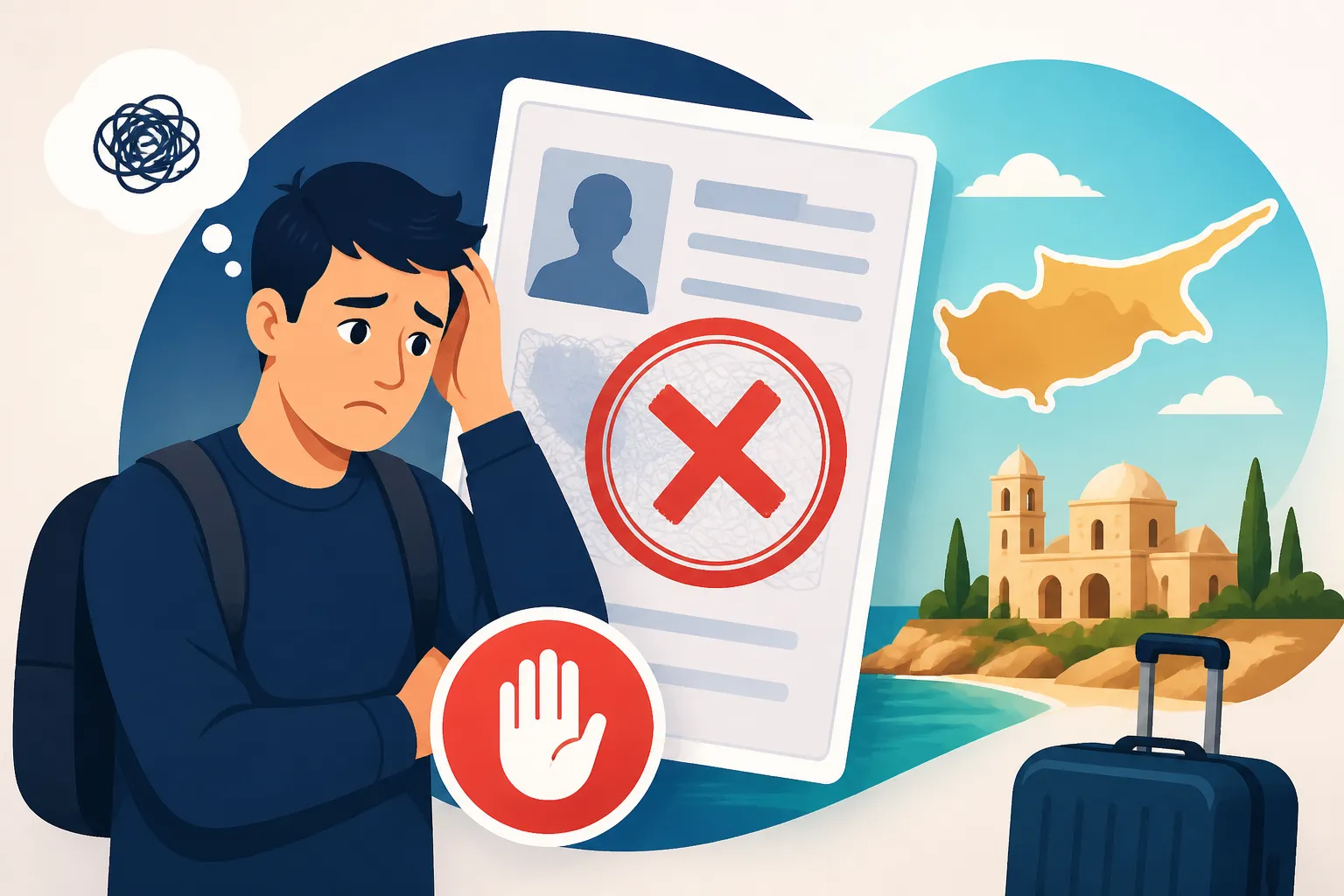
What Happens If My Cyprus Visa Application Is Denied?
The sinking feeling when your Cyprus visa application is denied is a punch to the gut. You’ve put in so much effort, gathered countless documents, dreamt of sun-drenched beaches and a new life, only to hit a bureaucratic brick wall. It's frustrating, disheartening, and can leave you utterly confused about what to do next. This guide is here to walk you through the immediate aftermath, help you understand why your application might have been refused, and outline your options for moving forward, whether that's appealing, reapplying, or exploring other pathways.
Understanding the Reasons for Your Cyprus Visa Denial
First things first: you absolutely need to understand why your application was denied. The Civil Registry and Migration Department (CRMD) isn't always crystal clear, but they are legally obliged to provide a reason. Without knowing the specific grounds for refusal, any subsequent action you take will be a shot in the dark.
Common Grounds for Refusal
There are a multitude of reasons why a visa or residence permit application might be rejected, and they often boil down to either administrative errors on your part or a failure to meet the strict criteria.
- Incomplete or Incorrect Documentation: This is perhaps the most common reason. You might think you've submitted everything, but a missing signature, an expired passport copy, an un-apostilled document, or a translation that isn't officially certified can be enough to trigger a denial. Remember, the Cypriot authorities are sticklers for detail. Did you miss a single utility bill for your proof of address, or was your bank statement not recent enough? Even minor omissions can derail your entire application. This is why when you're preparing, it's always best to assume they need more, not less, and ensure everything is absolutely perfect.
- Insufficient Funds or Proof of Financial Stability: Cyprus wants to ensure you can support yourself without becoming a burden on the state. If your bank statements don't show enough funds to cover your living expenses for the proposed duration of your stay, or if the source of your income is unclear or deemed unstable, your application can be denied. For example, for the "Pink Slip" (Temporary Residence Permit), you typically need to show a minimum annual income, and this figure can vary based on your family size. The authorities scrutinize these financial proofs rigorously.
- Purpose of Stay Not Clearly Defined or Credible: If you're applying for a student visa, but your academic background doesn't quite align with the course, or if your ties to your home country (that would compel you to return after your studies) aren't strong enough, they might doubt your true intentions. Similarly, if your proposed business plan for an entrepreneur visa seems vague or unfeasible, it could lead to rejection. They want to see a clear, coherent, and believable reason for your long-term presence in Cyprus.
- Past Immigration Violations: If you've previously overstayed a visa in Cyprus or any other Schengen area country, or if you've been deported, your application will almost certainly face an uphill battle. Immigration authorities share data, and a history of non-compliance raises serious red flags. This also includes any criminal record, even minor ones, which must be declared.
- Lack of Adequate Health Insurance: Comprehensive health insurance is a non-negotiable requirement for almost all long-term visas and residence permits in Cyprus. If your policy doesn't meet the minimum coverage requirements, specifically for inpatient, outpatient, and repatriation, or if it expires too soon, your application will be refused. When looking for coverage, companies like Cigna Global are often cited for offering plans that meet these stringent requirements, covering you thoroughly while you're navigating the healthcare system here. Always double-check the exact minimum coverage amounts and policy duration.
- Public Policy, Internal Security, or Public Health Concerns: While less common for the average applicant, a denial can occur if you're deemed a risk to public order, internal security, or public health. This usually comes into play with serious criminal records or if there's any information suggesting a potential threat.
- Incorrect Visa Type Application: Sometimes, people apply for a tourist visa when they actually intend to stay and work, or they apply for a residence permit from outside Cyprus when they should be applying from within (or vice-versa). Understanding The Complete Guide to Cyprus Visas and Immigration for Expats (2027) is paramount, as choosing the wrong application pathway can lead to an automatic rejection.
Deciphering the Denial Letter
The official denial letter is your most critical piece of evidence. It should state the specific article of law or regulation under which your application was rejected and, ideally, provide a brief explanation. Read it meticulously, multiple times if necessary. Don't let your emotions cloud your judgment. Highlight the key phrases. This letter is the foundation for your next steps, whether you decide to reapply or appeal. Without a clear understanding of what went wrong, you risk repeating the same mistakes.
Your Immediate Next Steps After a Visa Denial
Receiving that dreaded denial letter can feel paralyzing. It’s okay to feel disappointed, but it's crucial not to panic. Instead, take a deep breath and immediately shift into a proactive mode. There are specific actions you need to take without delay.
Step 1: Read the Denial Letter Carefully and Understand the Reason
As emphasized before, this is non-negotiable. The letter isn't just a formality; it's your roadmap. It will outline the specific reason(s) for the refusal and, critically, inform you of your rights, including the timeframe for an appeal. In Cyprus, these appeal deadlines are often very short – sometimes just 15 days from the date of receipt of the decision. Missing this window means you forfeit your right to appeal.
- Look for Specifics: Does it say "insufficient funds"? "Incomplete documentation"? "Purpose of stay unclear"? The more specific the reason, the better you can target your response. If it's vague, you might need to seek clarification.
- Check the Deadline: Note the exact date by which you must submit an appeal. Mark it prominently on your calendar.
Step 2: Gather All Relevant Documents Again
If the denial mentions incomplete or incorrect documents, go back through your original application with a fine-tooth comb. Compare every single item against the official checklist for the visa or permit you applied for.
- Official Checklists: Re-download and review the latest checklists from the Civil Registry and Migration Department (CRMD) website or the relevant embassy/consulate. Requirements can change, so ensure you have the most up-to-date version.
- Cross-Reference: Check expiry dates, official stamps, signatures, and translations. Was your passport valid for at least six months beyond your intended stay? Was every copy certified correctly? Did you include your bank statements for the full required period?
- Proof of Accommodation: For example, if you were applying for a residence permit, did you provide a valid rental agreement or title deed, along with utility bills in your name? These details are vital for establishing your residence, as detailed in The Complete Guide to Renting a Home in Cyprus (2027).
Step 3: Seek Professional Legal Advice
This is where a good immigration lawyer in Cyprus becomes invaluable. While you might be tempted to handle everything yourself to save money, a professional can offer crucial insights that could make or break your case.
- Understanding Nuances: Cypriot immigration law has many intricacies. A local lawyer specializing in immigration can interpret the denial letter accurately, advise on whether an appeal or a reapplication is more strategic, and help you prepare a robust case. They understand the unspoken expectations and common pitfalls.
- Drafting Submissions: They can assist in drafting a compelling appeal letter or ensuring your reapplication addresses all previous deficiencies comprehensively. They know the precise language and format that the authorities expect.
- Case Assessment: They can assess the strength of your case and your chances of success, potentially saving you time, money, and further frustration on an application that has little hope. Many lawyers offer initial consultations for a fee, which can be a worthy investment. This is particularly true when your future in Cyprus hangs in the balance.
Step 4: Consider Your Logistics if Your Stay is Ending
If you applied for an extension of your existing visa or residence permit and it was denied, and your current legal stay in Cyprus is nearing its end, you face an immediate logistical challenge. You cannot simply remain in Cyprus illegally.
- Departure Planning: You must prepare to leave Cyprus before your current visa or permit expires to avoid overstaying, which will severely complicate any future applications.
- Storage and Shipping: If you've already moved your belongings to Cyprus, and now your long-term plans are uncertain, this can be incredibly stressful. This is where services like Sirelo become really useful; they can help you arrange for storage or even reverse shipping of your household goods, offering a lifeline when your plans are up in the air. Having a plan for your possessions can reduce some of the immediate pressure.
Reapplying vs. Appealing: Which Path to Take?
Once you've understood the reasons for your denial and gathered legal advice, you'll generally have two main avenues: appealing the decision or reapplying for the visa/permit. The choice depends heavily on the specific circumstances of your denial.
The Appeal Process
An appeal is a formal request to a higher authority (usually the administrative court or a review committee within the CRMD) to reconsider the original decision. You are essentially arguing that the initial decision was incorrect, based on either an error in fact or an error in law.
Pros of Appealing:
- Potentially Faster Resolution: If successful, an appeal can sometimes be quicker than starting an entirely new application from scratch, as the administrative review should focus only on the contested points.
- Formal Review: It ensures a formal review of your case by potentially different officials, offering a fresh perspective on the evidence you presented.
- Correction of Errors: It’s ideal if you believe the CRMD made a factual or legal error in assessing your application. For instance, if they misinterpreted a document or applied an incorrect legal standard.
Cons of Appealing:
- Strict Deadlines: As mentioned, appeal periods are very short, often 15-30 days from the date of receiving the denial. Missing this deadline means the right to appeal is lost.
- Complex Legal Process: Appeals are typically legal proceedings and often require the assistance of an immigration lawyer. You need to present a strong legal argument, not just resubmit the same documents.
- Limited Scope: An appeal is not an opportunity to submit entirely new evidence or change the basis of your application. You are challenging the original decision based on the information provided at that time (though you can clarify existing information).
- Uncertain Outcome: There's no guarantee of success, and the process can still take several months to resolve, leaving you in limbo.
When to Appeal: You should consider appealing if you firmly believe:
- The CRMD made a clear mistake in assessing your original application (e.g., they overlooked a crucial document, misinterpreted your financial statements, or applied the wrong eligibility criteria).
- You have solid evidence to refute their stated reason for denial.
- You can articulate a strong legal argument, ideally with professional help.
The Reapplication Process
Reapplying means submitting an entirely new visa or residence permit application. This is often the more straightforward path if the denial was due to correctable errors on your part.
Pros of Reapplying:
- Address Deficiencies Directly: You get a fresh start to correct any errors, provide missing information, or strengthen weak points in your previous application. This could be anything from including more detailed bank statements to getting additional documents apostilled, as detailed in How to Get Your Documents Apostilled for Cyprus Immigration.
- Submit New Information: You can include entirely new information or supporting documents that weren't available or included in your initial application.
- Simpler Administration: While still requiring a complete package, reapplying might feel less daunting than a formal legal appeal for many individuals.
Cons of Reapplying:
- Time and Cost: You'll have to pay the application fees again and go through the entire process, including waiting times, from the beginning. This can be a significant investment in both money and time.
- No Guarantee of Success: There's still no guarantee your new application will be approved, especially if you haven't fully understood or adequately addressed the underlying reasons for the initial denial.
- Potential for Repetition: If you don't genuinely fix the issues, you might find yourself in the same situation again.
When to Reapply: This is generally the better option if:
- The denial was due to an oversight, such as a missing document, an expired certificate, or insufficient funds which you can now easily rectify.
- You need to provide substantially new information or documents that weren't part of your original application.
- The grounds for denial were clear and correct, meaning the CRMD didn't make a mistake, but you simply didn't meet a specific requirement which you can now meet.
- You missed the deadline for an appeal.
Comparison Table: Appeal vs. Reapply
| Feature | Appeal | Reapply |
|---|---|---|
| Goal | Challenge the original decision | Submit a completely new, improved application |
| Timeline | Strict, short deadlines (15-30 days) | Can apply any time (subject to conditions) |
| Cost | Legal fees, potential court fees | New application fees, document costs |
| Focus | Errors in original decision (factual/legal) | Addressing past deficiencies, new info |
| Complexity | Higher, often requires legal counsel | Generally lower, but requires diligence |
| Evidence | Clarify/support existing evidence | New and updated evidence can be submitted |
| Best For | Clear official error, strong legal argument | Correctable applicant errors, new info needed |
Ultimately, the best strategy will be unique to your situation. This is where the value of an immigration lawyer or consultant cannot be overstated. They can help you weigh the Understanding the Cost and Timeline of the Cyprus Immigration Process for both options and guide you on the most pragmatic path.
Exploring Alternatives and Future Planning
Sometimes, after a denial, or even a second denial, you might realize that the particular visa type or even Cyprus itself might not be the right fit for your immediate plans. It's tough, but it's important to be realistic and explore other avenues.
Considering Other Visa Types
If your initial application for a specific type of residence permit (e.g., self-sufficiency or Category F) was denied, it might be worth investigating other options that could better suit your circumstances. Cyprus offers several routes for foreigners to live and work here.
- Work Permits: If you have a job offer from a Cypriot company, a work permit might be a more direct route. This process is usually employer-sponsored, meaning the company handles a significant portion of the paperwork. You can find more details in How to Get a Work Permit to Work in Cyprus (2027).
- Digital Nomad Visa: If you work remotely for a company outside of Cyprus, the Digital Nomad Visa could be an excellent alternative. This visa is specifically designed for individuals who can perform their job entirely online. It has specific income requirements and conditions, but it's a popular option for many expats. You can learn more about it in The Expat Guide to the Cyprus Digital Nomad Visa (2027).
- Student Visas: If education is on your agenda, applying for a student visa might be a viable path. This allows you to reside in Cyprus while pursuing studies at a recognized institution. Check out How to Get a Student Visa and Study in Cyprus: The Full Guide (2027) for comprehensive information.
- Family Reunification: If you have a spouse or close family member who is already a legal resident in Cyprus, you might be eligible for a visa through family reunification. This process allows dependents to join their family members. Details can be found in Family Reunification in Cyprus: Bringing Your Spouse and Children (2027).
- Investment or Business Visas: For those with substantial capital, various investment-based residency programmes exist, leading to permanent residency. These typically involve significant financial commitments but offer a more expedited route.
Strengthening Your Next Application
Regardless of whether you reapply for the same visa or a different one, the key is to strengthen your application significantly.
- Financial Proof: Go above and beyond the minimum. Provide ample evidence of stable and sufficient income, not just the bare minimum. Show consistent income over a longer period, if possible.
- Document Checklist: Create your own rigorous checklist, cross-referencing it with the official one. Double-check every single document for validity, accuracy, certification, and official translations. Get multiple pairs of eyes to review it.
- Letter of Intent: Write a clear, concise, and compelling letter of intent explaining your purpose of stay, your ties to Cyprus, and your commitment to abiding by immigration laws. Be honest and transparent.
- Accommodation: Ensure your proof of accommodation is solid – a long-term rental agreement (not a short-term holiday let) or a property title deed.
- Health Insurance: Revisit your health insurance policy. Make sure it explicitly meets all the criteria set by the Cypriot authorities for comprehensive coverage, including the duration of your intended stay. Again, brands like Cigna Global are often a reliable choice as they understand expat needs and local regulations.
Considering Other Countries
While it's painful to think about, if Cyprus continues to be a dead end despite your best efforts, it might be time to consider if another country offers a more accessible pathway to your expat dreams. Different nations have different immigration policies, and what might be a hurdle in Cyprus could be a non-issue elsewhere. This doesn't mean giving up on your expat dream, just perhaps redirecting your journey.
Maintaining a Positive Outlook
A visa denial is a setback, not necessarily the end of your journey. Many expats face bureaucratic hurdles and frustrations when moving abroad. It’s part of the expat experience in many countries, and Cyprus is no exception. Learn from the experience, stay persistent, and remain organized. With careful planning and potentially professional guidance, you can overcome this obstacle and eventually build the life you envision in the sun-drenched island of Cyprus.
Disclaimer
The information provided in this guide is for general informational purposes only and does not constitute legal or professional advice. Immigration laws and procedures in Cyprus can change frequently. Always consult with a qualified immigration lawyer or the relevant Cypriot authorities for advice tailored to your specific situation.