How Do I Set Up Electricity After Moving to Cyprus?
Landing in Cyprus is exhilarating, isn't it? The sun, the sea, the promise of a new life. But then reality hits when you step into your new home – often, the first hurdle is something as seemingly simple as getting the electricity turned on. It's not always as straightforward as flipping a switch, and the bureaucratic dance can leave you feeling utterly bewildered. This guide is here to cut through the confusion and walk you through every single step of setting up your electricity connection with the Electricity Authority of Cyprus (EAC), ensuring your transition to island living is as smooth as possible.
Understanding the Electricity Authority of Cyprus EAC
When you arrive in Cyprus, you'll quickly learn that almost everything related to your power supply falls under the purview of one entity: the Electricity Authority of Cyprus, or EAC. They are the sole provider of electricity across the island, so whether you're living in bustling Limassol, historic Paphos, or the quieter villages, the EAC is your main port of call. It's not like back home where you might have multiple providers to choose from; here, it's the EAC or nothing.
The Role of the EAC and Why It's Your Go-To
The EAC is a semi-governmental organisation, and they pretty much handle everything from generation and transmission to distribution and billing. This means they are responsible for connecting your property to the national grid, issuing your monthly or bimonthly bills, and dealing with any power outages or technical issues you might encounter. Think of them as the all-in-one utility provider for electricity. Their offices are spread across all major towns, and while they do have an online presence, many expats find that an in-person visit is often the most effective way to get things done, especially for initial setup.
For new arrivals, understanding their processes is critical. You can't just move in and assume the previous tenant's electricity will remain connected indefinitely under their name. You'll need to transfer the account into your own name, or initiate a new connection if the property has been vacant for a while. The good news is that once you're set up, the service is generally reliable, and the rates are consistent across the island. Just be prepared for a bit of paperwork and a system that operates at its own Cypriot pace.
Common Challenges Expats Face with EAC
Let's be honest, bureaucracy in a new country can test anyone's patience, and the EAC is no exception. One of the biggest challenges for expats is often the language barrier, although many staff members do speak English. However, explanations can sometimes be brief or use technical jargon that's hard to follow. Another common frustration is the specific documentation required, which might seem arbitrary or excessive if you're not used to Cypriot administrative procedures. For instance, sometimes a simple proof of address isn't enough, and you might need your rental agreement and a confirmation letter from your landlord.
The process can also feel a bit slow. Don't expect instant gratification. While they aim to connect properties within a few business days, unforeseen delays can occur. This is why it’s always best to start the process as soon as you have your rental agreement signed and your keys in hand. Imagine moving all your belongings, perhaps with the help of a reputable international moving service like Sirelo, only to find you can't even boil a kettle because the power isn't on! It's a common story, but one you can avoid with a bit of planning.
Step-by-Step Guide to Setting Up Your Electricity Account
Getting your electricity connected might feel like a mini-quest, but with the right preparation, it's entirely manageable. I've been through this myself, and trust me, knowing what to expect makes all the difference.
Gather Your Essential Documents
Before you even think about heading to an EAC customer service centre, make sure you have all your ducks in a row. This is where most people get caught out. Here’s a checklist of what you’ll typically need:
- Passport or EU ID Card: Original and a photocopy. This is your primary form of identification.
- Rental Agreement (Tenancy Contract) or Property Title Deeds: If you're renting, you'll need the original signed rental agreement. Make sure it clearly states your name, the property address, and the landlord's details. If you've bought property, you'll need your title deeds or the sales agreement.
- Proof of Address: Sometimes the rental agreement is enough, but occasionally they might ask for an additional utility bill (like a water bill, if you've managed to get that far!), or a letter from your landlord confirming your tenancy. It's rare, but be prepared.
- Tax Identification Code (TIC): This is increasingly required for various services in Cyprus. If you haven't got one yet, you'll need to register with the Tax Department first. This is a good time to get it sorted, as you’ll need it for pretty much anything official.
- Surety/Deposit Payment: The EAC typically requires a security deposit. This varies depending on the property type and sometimes the size of your connection. Be prepared to pay this upfront, either in cash or by card.
- The Meter Number: This is crucial. Your electricity meter will have a unique number. Note it down (or take a photo) before you go. This helps the EAC locate the correct supply point.
Having these documents organised will save you multiple trips and a lot of frustration. For a more general overview of setting up utilities, you might want to read our guide on The Expat Guide to Setting Up Utilities (Electricity, Water, Internet) in Cyprus.
Visiting the EAC Customer Service Centre
Once your documents are in order, your next step is to physically visit an EAC Customer Service Centre. While some services are moving online, for an initial connection or name change, an in-person visit is usually necessary.
- Find Your Local Branch: There are EAC offices in all major towns like Nicosia, Limassol, Paphos, Larnaca, and Famagusta. A quick search on Google Maps for "EAC Customer Service" will show you the nearest one.
- Be Prepared for a Wait: Cypriot offices, especially government-related ones, can have queues, particularly during peak hours or at the beginning of a month. Try to go first thing in the morning if possible.
- State Your Purpose Clearly: When you get to the counter, clearly state that you want to transfer the electricity account into your name (if it's an existing connection) or request a new connection.
- Provide Your Documents: Hand over your documents. The staff member will review them, likely make copies, and input your details into their system. They will ask for your meter number at this stage.
- Pay the Deposit: You'll be asked to pay the required security deposit. Keep the receipt for your records. This deposit is refundable when you eventually close your account, provided all bills are paid.
- Receive Your Account Number: You will be given an account number. This is vital for all future interactions and bill payments, so keep it safe!
The whole process in the office usually takes about 15-30 minutes, assuming you have all your documents ready and the queue isn't too long.
Understanding the Connection Process and Initial Fees
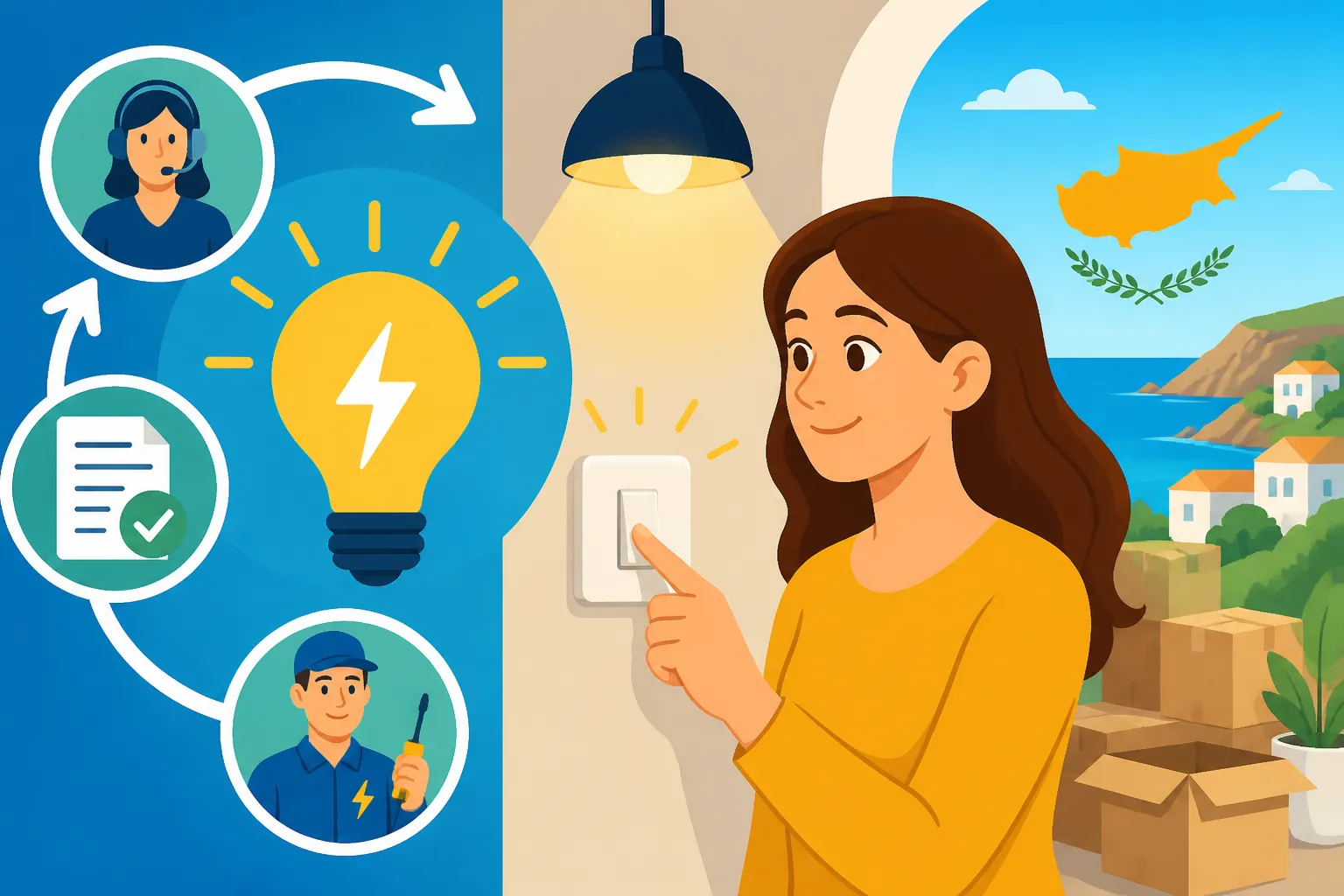
After your visit to the EAC office, the ball is now in their court. They will schedule a technician to visit your property and either reconnect the electricity or change the account details remotely.
- Connection Timeline: Typically, the electricity is reconnected within 1-3 working days. This timeframe can sometimes be longer if there's a backlog or if the property requires more extensive work (e.g., if the electricity was cut off for a long time or if it's a brand new connection).
- Initial Fees: Besides the security deposit, you might encounter a small connection fee, though this is often waived for simple name transfers. For new installations, there will be more significant charges related to the infrastructure. The EAC staff will inform you of any such fees during your visit.
- Meter Readings: When the technician connects your power, they will also take an initial meter reading. This reading will be the starting point for your first bill. It’s always a good idea to take a photo of the meter yourself at this exact time, just for your own records.
- Be Patient: While waiting, resist the urge to constantly call them. They will get to it. This is Cyprus, things move at a slower pace, which is part of the charm, right? Just make sure you've covered all your bases on your end. In the meantime, having a fully charged phone and perhaps a portable power bank, along with a local data eSIM from a provider like Airalo, can be a lifesaver for communication and staying connected before your home internet is set up.
Navigating Your Electricity Bill and Payment Options
Once the power is flowing, the next step is understanding your bills and how to pay them. This is where you really start to feel like a local, managing your household expenses.
Deciphering Your EAC Bill
EAC bills are usually issued every two months, though some commercial properties or high-usage residential accounts might be billed monthly. They can be a bit intimidating at first glance, but breaking it down makes it easier.
Key Components of Your Bill:
- Account Number: Your unique identifier with EAC.
- Customer Details: Your name and address.
- Meter Readings: You'll see the previous reading and the current reading, along with the difference, which is your consumption in kilowatt-hours (kWh).
- Tariff: This indicates the rate at which you are charged. Most residential properties fall under a standard domestic tariff, but there are also tariffs for commercial use, night-time usage, etc.
- Consumption Charges: This is the cost for the electricity you've used. Cyprus has a tiered pricing system, meaning the more electricity you consume, the higher the rate you pay per kWh for subsequent units. This encourages mindful usage, especially with the hot summers requiring heavy air conditioning.
- Fixed Charge: A small, regular charge regardless of consumption.
- Other Charges/Taxes: This can include VAT and other minor levies.
- Total Amount Due: The final amount you need to pay.
- Due Date: The deadline for payment. Pay on time to avoid late fees or, in extreme cases, disconnection.
Understanding these elements helps you monitor your usage and budget accordingly. If you're curious about general costs, our article on How Much Does Electricity Cost per Month in Cyprus? offers a good overview.
Convenient Ways to Pay Your Bill
Paying your electricity bill in Cyprus is relatively straightforward, with several options available.
- EAC Customer Service Centres: You can always pay in person at any EAC office. This is a good option if you have questions or prefer cash payments.
- Banks: Most commercial banks in Cyprus (like Bank of Cyprus and Hellenic Bank) allow you to pay your EAC bill through their counters, ATMs, or online banking platforms. You'll need your EAC account number.
- JCC Smart: This is the Cypriot government's official online payment portal for various bills and services, including EAC. It's secure and convenient. You simply register, link your EAC account, and pay with your credit or debit card. This is probably the most popular method for online payments and it's something you will use for many other bills too. Learn more about it in our guide How Do I Pay My Electricity Bill Online in Cyprus?.
- Direct Debit: You can set up a direct debit with the EAC through your bank, ensuring your bills are paid automatically each cycle. This is perfect for avoiding late payments and forgetting deadlines. Just make sure you have sufficient funds in your account!
- Co-operative Banks: Similar to commercial banks, Co-op branches also accept EAC bill payments.
- Post Offices: Local post office branches throughout Cyprus also offer bill payment services.
Having these varied options makes managing your bills much easier, regardless of your preference.
Smart Energy Habits and Potential Savings
Living in Cyprus, especially during the scorching summer months, means your electricity bill can quickly become a significant expense, primarily due to air conditioning. However, there are ways to manage and even reduce your consumption.
- Efficient Air Conditioning Use: Instead of setting your AC to arctic temperatures, aim for a comfortable 24-26°C. Use timers to cool rooms before you arrive home and turn them off when you leave. Regular servicing of your units also improves efficiency.
- Insulation: While you might not be able to change your rental property's insulation, be mindful of keeping windows and doors closed when the AC is on. Use heavy curtains or blinds to block out direct sunlight during the hottest parts of the day.
- Energy-Efficient Appliances: If you're buying new appliances, look for those with high energy efficiency ratings. Over time, these will save you a considerable amount on your bills.
- Unplug Electronics: Even when turned off, many electronics still draw "phantom" power. Unplugging chargers, TVs, and other devices when not in use can add up to small but noticeable savings.
- Solar Water Heaters: Most Cypriot homes come with solar water heating systems, which are a blessing! Make sure you understand how to use yours effectively. Only switch on the electric booster when absolutely necessary (e.g., on cloudy days or for extra hot water). Relying on the sun is effectively free hot water!
By adopting these habits, you can enjoy the Cypriot lifestyle without unnecessary financial strain from your electricity bills. For a broader picture of living expenses, check out The Complete Guide to Cost of Living in Cyprus for Expats (2026).
What to Do in Specific Scenarios
Life in Cyprus often presents unique situations, and your electricity setup is no exception. Let's look at a couple of common scenarios you might encounter.
Moving into a Property with Existing Electricity
This is the most common situation for expats renting in Cyprus. You've found your dream apartment or villa, signed the lease, and the power is already on. Don't fall into the trap of thinking you don't need to do anything immediately.
- Immediate Action Required: Even if the lights are on, you need to visit the EAC and transfer the account into your name as soon as possible. If you delay, you risk the previous tenant or owner disconnecting the power, leaving you in the dark. Moreover, if a bill arrives in the previous occupant's name and isn't paid, you could face issues when trying to connect later.
- Check Meter Reading: When you move in, note down the current meter reading and ideally, have your landlord or real estate agent confirm it. This way, you ensure you're only paying for your own consumption from day one. You can mention this reading when you go to the EAC office.
- Landlord's Role: Your landlord should ideally facilitate this transfer or at least provide you with the previous account number and meter number. It’s a good practice to include a clause in your [rental agreement] regarding utility transfers.
- The Grace Period: While there isn't an official "grace period," the EAC usually gives a reasonable amount of time before disconnecting power if a change of ownership or tenancy isn't registered. However, relying on this is risky. Just get it done.
This scenario is far easier to manage than having no power at all, but proactive steps are still necessary to prevent future headaches.
Dealing with Temporary Accommodation and Sub-metering
Sometimes, expats might stay in temporary accommodation before finding a permanent home, or perhaps you're renting a room in a shared house. This can complicate electricity arrangements.
- Temporary Accommodation: If you're in a serviced apartment or short-term rental, electricity might be included in the rent, or there might be a separate arrangement. Always clarify this with your landlord or host beforehand. You probably won't need to deal with the EAC directly in these cases.
- Shared Accommodation/Sub-metering: In some shared living situations, there might be a single main EAC meter for the entire property, with sub-meters installed for individual rooms or apartments. In this case, your landlord or the main tenant will be responsible for the EAC bill, and you will pay them based on your sub-meter reading.
- Get It in Writing: If this is the arrangement, ensure it's clearly stated in your rental agreement, including the per-unit price you'll be charged and how often you'll be billed.
- Regular Readings: Make sure regular, transparent meter readings are taken and shared with you. Take photos of your sub-meter each time.
- Fairness: Be aware that the EAC's tiered pricing means the main bill payer might pay a higher rate if total consumption is very high. Discuss how this is factored into your individual charge to ensure fairness.
These situations require clear communication with your landlord or housemates. For more information on securing a rental property and what documents you need, consult our guides like The Complete Guide to Renting a Home in Cyprus (2027) and What Documents Do I Need to Rent a Property in Cyprus?. Setting up other utilities like water and internet also has its own intricacies, so remember to check out How to Set Up Water Supply in Cyprus and How Do I Set Up Internet in My Cyprus Home? as well.
Important Contacts and Emergency Information
Knowing who to call when things go wrong is crucial. While the EAC handles routine matters, emergencies require a different approach.
| Service | Contact Number | Notes |
|---|---|---|
| EAC Customer Service | 1818 (Local) / +357 22 201818 (from abroad) | For general inquiries, account issues, billing questions. |
| EAC Faults/Emergencies | 1800 (Local) | For reporting power outages, downed lines, or other electrical emergencies. Available 24/7. |
| General Emergency | 112 | For fire, ambulance, or police emergencies. This number works across the EU. |
Always prioritise safety in an electrical emergency. Do not attempt to fix anything yourself if you are not qualified.
Disclaimer
The information provided in this guide is intended for general informational purposes only and does not constitute legal or professional advice. While we strive to keep the content accurate and up-to-date, regulations and procedures in Cyprus can change. It is always recommended to verify current requirements directly with the relevant authorities, such as the Electricity Authority of Cyprus (EAC) or a local legal professional, before making any decisions. We are not liable for any actions taken based on the information provided herein.