What Is the Income Requirement for the Pink Slip in Cyprus?
Moving to Cyprus as a non-EU citizen often feels like navigating a labyrinth, especially when it comes to understanding the Pink Slip. One of the biggest points of confusion, and frankly, a source of major stress for many, revolves around the crucial income requirement. This guide is here to untangle that knot, providing you with a clear, empathetic, and realistic breakdown of what the Migration Department expects in terms of your financial standing to secure and maintain your temporary residency in Cyprus.
Understanding the Cyprus Pink Slip and Its Purpose
Ah, the infamous Pink Slip! For those of us who've gone through the immigration process in Cyprus, it's a rite of passage, often accompanied by long waits and a lot of paperwork. Officially known as a Temporary Residence Permit, the Pink Slip (so named for the colour of the application form back in the day, though it's now a less exciting white form and a small card) is what allows non-EU citizens to live in Cyprus for longer than the typical 90-day tourist visa period. It's essentially your ticket to legally residing here without seeking employment within Cyprus.
Think of it this way: Cyprus welcomes individuals who can contribute to the local economy by spending their money here, without taking jobs from locals. That's the core philosophy behind the Pink Slip. It's not a work permit; it explicitly states you're not allowed to work in Cyprus on this visa unless you have a separate, employer-sponsored work permit. This is a critical distinction that many newcomers sometimes misunderstand, leading to complications down the road. For a deeper dive into what it is, you might find our guide on Understanding Residence Permits and the Pink Slip in Cyprus helpful.
Who Needs a Pink Slip?
If you're a third-country national (meaning from outside the EU/EEA/Switzerland) and you intend to stay in Cyprus for more than 90 days within any 180-day period, chances are you'll need a Pink Slip. This includes a broad spectrum of people: retirees living off pensions, individuals with passive income from investments, those working remotely for companies outside Cyprus (though for specific remote workers, the Digital Nomad Visa might be a more fitting option now), or simply those wishing to reside here without working.
It's particularly common for people who want to embrace the Cypriot lifestyle, perhaps buying a property, enjoying the sunshine, and integrating into the community without the formal ties of local employment. Students, too, receive a different type of temporary residence permit, but the Pink Slip is generally for those living on their own means.
The Role of the Civil Registry and Migration Department
The Civil Registry and Migration Department (CRMD) is the gatekeeper for all things immigration in Cyprus. They are the ones who review your application, assess your eligibility, and ultimately decide whether you receive your Pink Slip. Dealing with the CRMD can be an exercise in patience and precision. They are sticklers for detail, and any missing document or unclear information can lead to delays or even rejection.
Their role is to ensure that applicants genuinely meet the criteria set out in Cypriot immigration law, primarily that you are self-sufficient and pose no burden to the state. This is where the income requirement really comes into play, as it’s a direct measure of your self-sufficiency. You'll interact with them multiple times, from initial application to annual renewals of your How Do I Renew My Residence Permit in Cyprus? if you plan to stay long-term. Be prepared for a bureaucratic process, but remember that thoroughness on your part can significantly smooth the journey.
Demystifying the Income Requirement for the Pink Slip
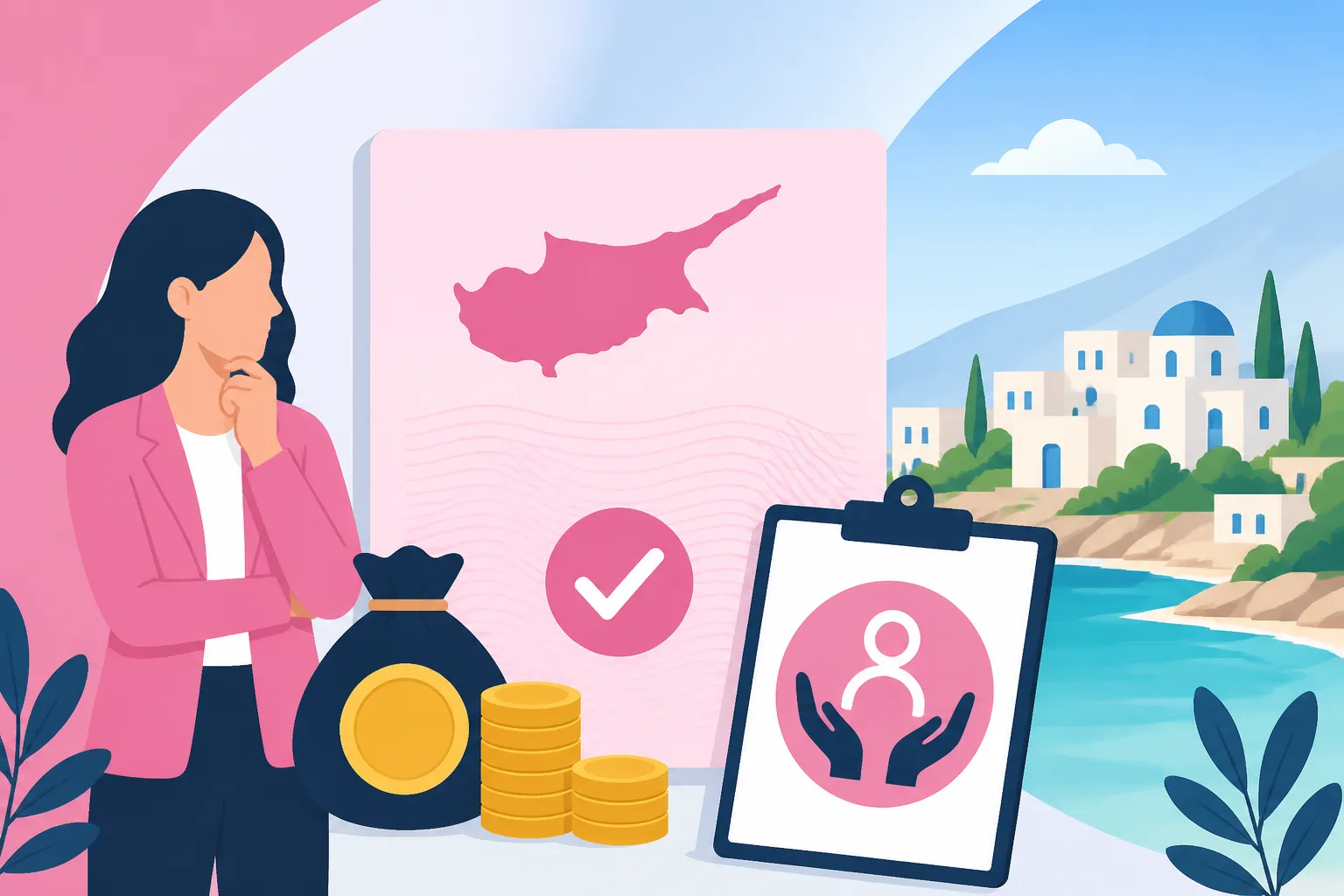
Now, let's get down to the brass tacks: the money. The income requirement for the Pink Slip is probably the most scrutinized part of your application. The Cypriot authorities need to see concrete proof that you can financially support yourself and any dependents you bring along without becoming reliant on the state. This means your income must be sufficient, stable, and derived from outside Cyprus.
There isn't a single, universally published, hard-and-fast rule that says "exactly X amount for everyone." It's more of a guideline that the CRMD uses, and it can be subject to a degree of discretion based on your specific circumstances, particularly if you have unique assets or liabilities. However, we do have very reliable benchmarks based on historical approvals and current departmental expectations. These figures are generally revised periodically, so staying updated is key.
Baseline Income Figures and How They're Calculated
The most commonly cited baseline for the principal applicant (the individual applying for the Pink Slip) is an annual income of at least €10,000 to €15,000. This is considered the bare minimum to cover basic living expenses in Cyprus for one person. Remember, this is net income – what you actually have available after any taxes or deductions in your home country.
For each additional dependent you include in your application, you'll need to demonstrate further income. The general rule of thumb is:
- Spouse: An additional €5,000 per year.
- Each Child (under 18): An additional €3,000 to €4,000 per year.
So, if you're a couple with two children, your total required annual income would be in the range of €21,000 to €28,000 (e.g., €10,000-€15,000 for you + €5,000 for your spouse + €3,000 to €4,000 for each child). This is a significant sum, and it’s meant to ensure that you can maintain a reasonable standard of living without needing to work locally or rely on public services that are meant for contributors to the social insurance system.
It’s not just about hitting the number, though. The CRMD also looks at the source and stability of this income. Is it from a reliable pension? Is it rental income from a long-term contract? Are your investments diversified and generating consistent dividends? They want to be sure this income isn't a one-off payment but a sustainable stream that will cover your expenses for the duration of your stay. The Complete Guide to Cost of Living in Cyprus for Expats might give you a better idea of how these figures stack up against actual expenses.
Navigating Fluctuations and Discretion
While the above figures provide a solid framework, there can sometimes be a degree of flexibility or additional scrutiny depending on your situation. For instance, if you own a property outright in Cyprus, that might implicitly reduce some of your living expenses (like rent), but it doesn't necessarily reduce the required demonstrated income. The CRMD typically wants to see liquid funds or reliable income streams, not just assets.
On the other hand, if your lifestyle is perceived as potentially more expensive – perhaps you’re renting a high-end villa or planning to put your children in expensive international schools – the authorities might implicitly expect a higher demonstrated income. It’s all about proving self-sufficiency relative to your stated intentions and actual living situation. It’s also worth noting that these amounts are often viewed as minimums. Having a bit of a buffer, proving income significantly above these thresholds, can only strengthen your application and provide you with peace of mind.
Here’s a quick glance at the typical minimum annual income expectations:
| Family Composition | Minimum Annual Income (Approximate Range) |
|---|---|
| Single Applicant | €10,000 – €15,000 |
| Couple | €15,000 – €20,000 |
| Couple + 1 Child | €18,000 – €24,000 |
| Couple + 2 Children | €21,000 – €28,000 |
Note: These figures are indicative and subject to change by the Cypriot authorities. Always confirm the latest requirements with official sources or an immigration lawyer.
Proving Your Income: What Documents You'll Need
Successfully demonstrating your income is all about providing solid, undeniable proof. This isn't the time for casual estimates or vague promises; the CRMD needs to see official documentation that stands up to scrutiny. Gathering these documents often involves some coordination with banks, pension providers, or employers in your home country, so it's wise to start this process well in advance.
One of the common frustrations expats face is the sheer volume and specificity of documents required. It can feel like they're asking for your life story, but each piece of paper serves a purpose in building a comprehensive financial picture. Be prepared to provide originals and certified translations if your documents aren't in English or Greek.
Acceptable Sources of Foreign Income
The key here is "foreign." Any income you plan to use for your Pink Slip application must originate from outside Cyprus. Here are the most common and accepted sources:
- Pensions: If you're a retiree, official pension statements from your government or private pension provider are excellent proof. They demonstrate a stable, long-term income stream.
- Rental Income: Do you own property abroad that you rent out? Rental agreements, bank statements showing consistent rent payments, and tax declarations related to this income are crucial.
- Dividends and Investment Income: If you have a portfolio of stocks, bonds, or other investments generating regular income, provide statements from your brokerage or financial institution. They'll want to see a consistent history, not just a snapshot.
- Remote Work for a Foreign Company: This is a bit of a grey area for the Pink Slip itself, as the intent of the permit is generally not to work. However, if your remote work is for a company entirely outside Cyprus, and you're not offering services to Cypriot clients, it can sometimes be accepted as a source of foreign income, provided it's stable and well-documented. For explicit remote work, consider the Digital Nomad Visa. You cannot work for a Cypriot entity on a Pink Slip.
- Other Passive Income: This could include royalties, trust distributions, or other verifiable, regular payments from sources outside Cyprus.
What won't work? Simply having a large sum of money in a bank account isn't enough if you can't prove how it's being consistently generated as income. They're looking for sustainable income flow, not just capital.
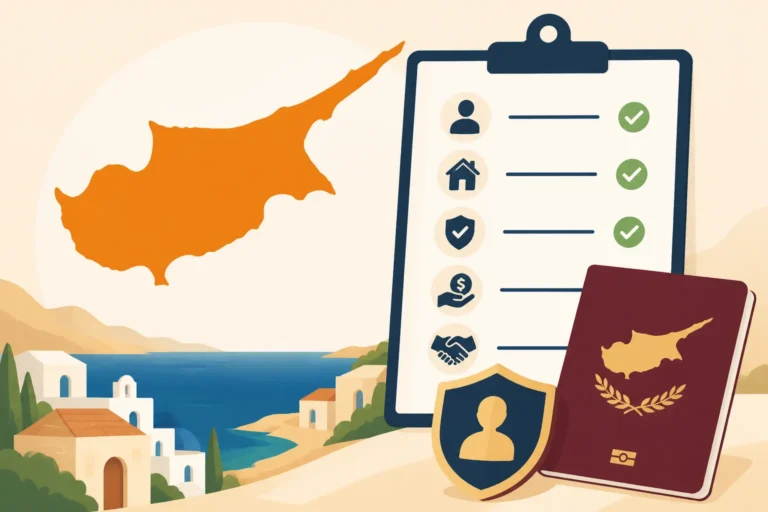
Essential Documentation Checklist
Get ready for paperwork! Here's a breakdown of the documents you'll almost certainly need to prove your income:
- Bank Statements (Cypriot and Foreign): You'll need recent bank statements (typically the last 6 months) from both your Cypriot bank account and any foreign accounts where your income is received. These statements should clearly show the regular inflow of your declared income. The CRMD wants to see that you have access to these funds and that they are sufficient.
- Official Income Statements:
- Pensioners: Official pension statements from your government or private pension fund.
- Rental Income: Copies of rental contracts, property deeds, and bank statements showing rent receipts.
- Investors: Statements from your brokerage house, dividend statements, or audited financial reports if applicable.
- Remote Workers (if applicable): Employment contracts with foreign companies, recent payslips, and bank statements showing salary transfers.
- Tax Returns: Your most recent income tax returns from your home country can be a very strong piece of evidence, as they independently verify your declared income.
- Proof of Funds: While not strictly "income," they will want to see that you have readily available funds in your Cypriot bank account. Often, a lump sum equivalent to a few months' worth of living expenses (e.g., €5,000-€10,000 for a single person) is expected to be maintained in your local account as an additional layer of financial security.
Remember, all foreign documents must be officially translated into Greek or English and, in many cases, apostilled in your home country. This step, covered in detail in our guide on How to Get Your Documents Apostilled for Cyprus Immigration, is critical and often overlooked, causing unnecessary delays. Don't skip it!
Common Pitfalls and How to Avoid Them
- Inconsistent Documentation: If your bank statements don't match your official income statements, or if there are unexplained large deposits or withdrawals, the CRMD will raise questions. Ensure everything aligns.
- Insufficient Funds in Cypriot Account: Even with excellent foreign income, the CRMD wants to see that you've transferred some of those funds into a local Cypriot bank account, demonstrating your commitment to living and spending here.
- Non-Certified Translations: Sending documents in a language other than English or Greek without proper certification will lead to immediate rejection. Use a registered translation service in Cyprus.
- Lack of Stability Proof: A single large deposit won't cut it. They want to see a history of regular, stable income.
- Working in Cyprus: A major pitfall is engaging in any form of employment or economic activity within Cyprus while holding a Pink Slip that doesn't permit it. This can lead to severe penalties, including revocation of your permit. This temporary residence is for those living on foreign means.
Being meticulous and transparent with your financial documentation is your best defence against delays or rejections. The CRMD is not trying to trick you; they just want assurance that you won't become a burden.
Beyond Income: Other Crucial Pink Slip Considerations
While income is paramount, securing your Pink Slip involves more than just flashing your bank statements. There are several other critical elements that must be in place to complete a successful application. These factors contribute to the overall picture the Civil Registry and Migration Department forms about your suitability as a resident.
Many expats find themselves scrambling to get these pieces together, especially soon after arriving. My advice? Tackle them early. Thinking about your move to Cyprus is more than just packing boxes; it's about systematically ticking off every bureaucratic box, from your accommodation to your health. Companies like Sirelo can help coordinate the physical move, but the paperwork is all on you!
Proof of Accommodation
Where will you live? This isn't just a casual question; it's a fundamental requirement. You must demonstrate that you have suitable and stable accommodation in Cyprus. This typically means:
- Rental Agreement: A signed rental contract for a long-term property (usually 12 months or more), registered with the District Land Office or stamped by the tax department. The CRMD needs to see that you have a legal place to reside.
- Property Ownership: If you've purchased a property in Cyprus, you'll need to provide the sales agreement or title deeds. This is a very strong indicator of your commitment to residing here.
The accommodation needs to be appropriate for the number of people applying. For example, a studio apartment won't be deemed suitable for a family of four. This requirement underscores the authorities' intent to ensure new residents have a stable base and aren't living in precarious situations.
Comprehensive Health Insurance Coverage
This is non-negotiable. You absolutely must have valid health insurance coverage for your entire stay in Cyprus. The Pink Slip is typically issued for one year, so your insurance policy needs to cover that full period. And we’re not talking about just a basic travel insurance policy.
The requirements are quite specific:
- Full Inpatient and Outpatient Coverage: Your policy should cover both hospital stays (inpatient) and doctor visits, specialist consultations, and prescription medications (outpatient).
- Repatriation: It must include coverage for repatriation of remains.
- Minimum Coverage Amount: There’s usually a minimum coverage amount stipulated by the CRMD, often around €30,000 per person per year.
While GeSY, Cyprus's General Healthcare System, is excellent, non-EU Pink Slip holders are generally not eligible to register for it unless they obtain a work permit in Cyprus and start contributing to social insurance. Therefore, private health insurance is your primary safeguard. Many expats opt for international providers like Cigna Global because their policies are designed for global mobility and meet these stringent requirements. Finding the right policy can be daunting, so researching Understanding Private Health Insurance Options in Cyprus is a smart move. Without adequate health insurance, your Pink Slip application will hit a brick wall.
Clean Criminal Record
The Cypriot authorities want to ensure that those residing in their country are law-abiding individuals. Therefore, a clean criminal record certificate from your country of origin (and any other country you've resided in for a significant period over the last few years) is mandatory.
This document must be recent (usually issued within the last 3-6 months) and, like other foreign documents, must be apostilled and officially translated. This helps the CRMD assess your character and ensures you meet the public safety requirements for residency. It's a standard check, but one that can hold up an application if not prepared correctly.
Bank Guarantee
For many non-EU citizens applying for a Pink Slip, particularly those from certain countries, a bank guarantee might be required. This is a sum of money deposited into a special account in a Cypriot bank, which acts as a safeguard for the government. The amount varies depending on your country of origin and family size, usually ranging from €500 to €1,500 per person.
This guarantee is essentially an assurance that if you were ever deported or needed to leave Cyprus under certain circumstances, the government would have funds to cover the costs without burdening the state. It remains blocked in your account for the duration of your residency and is refundable once you permanently leave Cyprus and cancel your residence permit. It's an extra layer of security for the Cypriot government, so don't be surprised if your bank or lawyer mentions it.
The Application Process: Step-by-Step Overview
Getting your Pink Slip isn't a one-and-done trip to a government office. It's a multi-stage process that requires careful planning and adherence to specific procedures. Many expats find the bureaucracy challenging, but breaking it down into manageable steps can make it feel less overwhelming. This is your roadmap, guiding you through the system from arrival to approval.
Remember, patience is a virtue when dealing with immigration matters anywhere in the world, and Cyprus is no exception. Delays can happen, but being prepared for each step will reduce your stress considerably. For a more detailed walkthrough, our post on How to Apply for the Pink Slip Temporary Residence in Cyprus covers the process in depth.
Initial Entry and Registration with Local Authorities
Your journey begins even before you submit your Pink Slip application. As a non-EU citizen, you'll initially enter Cyprus on a short-stay visa (if required for your nationality) or under visa-free entry rules. Upon arrival, it's crucial to acknowledge the 90-day limit for tourists. Your Pink Slip application must be submitted before this period expires.
Your very first administrative step in Cyprus after sorting out your accommodation is to register with the local District Migration Office, which falls under the Civil Registry and Migration Department. This is where you’ll obtain the application forms and potentially receive preliminary advice on your specific requirements. In cities like Limassol, Nicosia, or Paphos, these offices are busy, so arrive early.
You'll also need to open a local bank account relatively quickly. This is essential for demonstrating local funds and future financial transactions, and most Cypriot banks will require proof of your address and passport. Having a Cypriot bank account is a prerequisite for most of the financial proofs you'll submit later.
Submitting Your Application
Once you've gathered all your documents – and I mean all of them, with translations and apostilles where necessary – you'll submit your application at your local District Migration Office. This submission typically requires an appointment, so check the CRMD website for scheduling procedures.
When you submit, an officer will review your documents for completeness. Even if everything seems to be in order, they might ask for additional clarifications or documents later. This is where your comprehensive planning pays off. Expect to pay an application fee at this stage, which is non-refundable regardless of the outcome.
Crucially, upon successful submission, you will usually receive an application receipt. This receipt is immensely important because it acts as proof that you have a pending legal residency application. This means you are legally allowed to remain in Cyprus even if your 90-day tourist visa expires while your application is being processed. However, you might be advised against leaving the country during this period, as re-entry could be problematic without a valid visa or residence permit.
Processing Times and What to Expect
Let's be realistic: the processing times for Pink Slip applications in Cyprus can vary significantly. While the official guidelines often suggest a few months, real-world experiences can see applications taking anywhere from 3 to 9 months, or sometimes even longer, especially during peak seasons or with complex cases. This is where the veteran expat in me advises extreme patience!
During this waiting period, you might be contacted by the CRMD for further information or to attend an interview. Ensure your contact details are up-to-date and respond promptly to any requests. It's also during this time that your fingerprints and biometric data will be collected for the eventual residence card.
Once your application is approved, you'll be notified to collect your Pink Slip (the actual card) from the District Migration Office. Congratulations – you've successfully navigated the initial stages of Cypriot immigration!
Renewing Your Pink Slip Annually
The Pink Slip is a temporary residence permit, meaning it's generally valid for one year. If you plan to continue living in Cyprus, you'll need to renew it annually. The renewal process is similar to the initial application but might be slightly less extensive in terms of documentation, as the authorities already have your basic file. However, you'll still need to demonstrate ongoing financial stability, valid health insurance (like Cigna Global), and continuous suitable accommodation.
It's vital to start your renewal application well in advance of your current Pink Slip's expiration date, typically at least two to three months prior. This ensures continuous legal residency and avoids any complications. Keeping impeccable records of all your documents, especially financial ones, will make the annual renewal much smoother. The Complete Visa and Immigration Guide for Relocating to Cyprus offers more holistic advice on your long-term residency strategy.
Disclaimer
Please note that the information provided in this guide is for general informational purposes only and does not constitute legal or financial advice. Immigration laws and requirements in Cyprus can change frequently. While we strive to provide accurate and up-to-date information, it is essential to consult with the official Civil Registry and Migration Department of Cyprus or a qualified immigration lawyer for personalized advice regarding your specific situation. We are not responsible for any decisions made based on the information presented here.