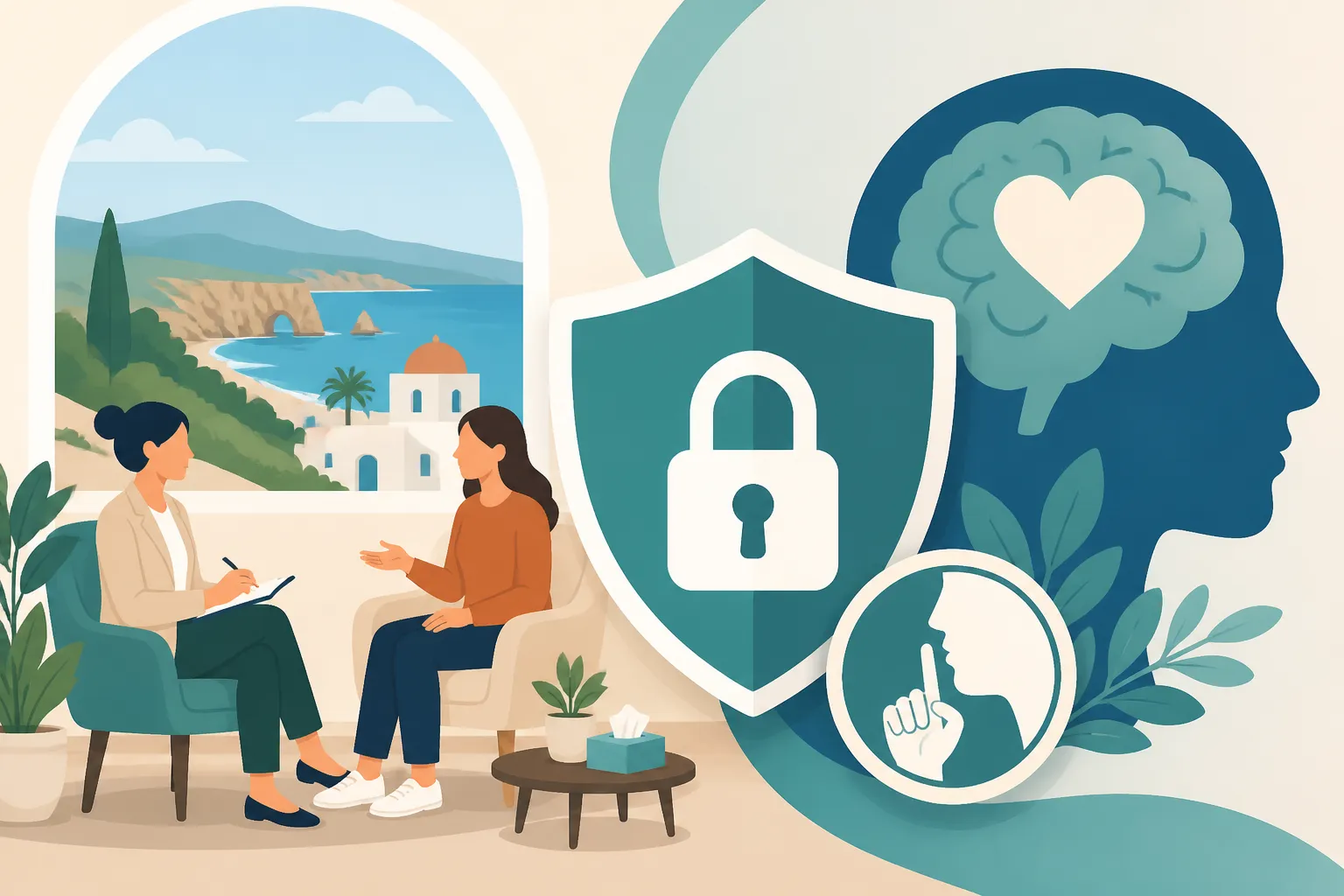
Is Mental Health Treatment Confidential in Cyprus?
Moving to Cyprus, or living here for a while, brings a lot of adjustments, and sometimes those adjustments can take a toll on our mental well-being. It’s natural to feel a bit vulnerable when seeking help in a new country, especially when it comes to something as personal as mental health. One of the biggest concerns I hear from fellow expats is whether their conversations and medical details will truly remain private. This guide is here to shed light on how mental health treatment confidentiality is handled in Cyprus, reassuring you about your rights and what to expect.
Understanding Patient Confidentiality in Cyprus's Healthcare System
When you’re grappling with personal challenges and decide to seek professional help for your mental health, the last thing you want to worry about is your sensitive information being shared without your consent. Thankfully, Cyprus, as an EU member state, has robust protections in place designed to keep your medical details private. It’s a foundational principle of healthcare here.
The Legal Framework Governing Privacy
Cyprus operates under a strong legal framework when it comes to patient data, which is heavily influenced by the European Union’s General Data Protection Regulation (GDPR). This isn't just some vague guideline; it's a strict set of rules that healthcare providers must follow, making it one of the most comprehensive data protection laws globally. In addition to GDPR, Cyprus has its own national legislation that reinforces and specifies these protections, such as the Law on the Protection of Natural Persons with regard to the Processing of Personal Data and on the Free Movement of Such Data.
What this means for you is that your personal health information, including anything related to your mental health treatment, is legally protected. Providers are obligated to ensure your data is processed lawfully, fairly, and transparently. They must collect data for specified, explicit, and legitimate purposes, and not further process it in a manner that is incompatible with those purposes. They also have to implement appropriate security measures to protect this data from unauthorised access, disclosure, alteration, or destruction. Think of it as a digital fortress around your most personal conversations and diagnoses. Mental health records are often considered "special categories" of personal data under GDPR, meaning they receive an even higher level of scrutiny and protection. This isn't just a nicety; it's a legal requirement that carries significant penalties for non-compliance.
Who Has Access to Your Mental Health Records?
The idea behind confidentiality is rooted in the "need-to-know" principle. This means that only individuals directly involved in your care, or those with a legitimate administrative reason, should have access to your mental health records. It’s not a free-for-all.
Typically, the primary individuals who will access your mental health records include:
- Your treating clinician: This is your psychiatrist, psychologist, or therapist. They need full access to understand your history, track your progress, and formulate the best treatment plan. They are bound by professional ethics and legal obligations to keep your information confidential.
- Other specialists (with your consent): If your mental health professional believes you would benefit from consulting with another specialist – perhaps a neurologist if there are co-occurring physical symptoms, or a different type of therapist – they would need your explicit consent to share relevant parts of your records. This isn't an automatic process. You have the right to refuse, though it might impact the comprehensiveness of your care. For instance, if you are being treated for anxiety and your GP needs to know about your medication for a separate physical issue, your mental health provider would typically ask for your permission to communicate with your GP.
- Limited administrative staff: Individuals who handle scheduling, billing, and general patient administration might have limited access to your records, primarily for operational purposes. However, their access is usually restricted to what's absolutely necessary for their job function, and they are also bound by confidentiality agreements. They won't be reading your therapy notes. For example, the receptionist might see your name and appointment time, but not the details of your session.
It's important to differentiate between access for care and access for casual curiosity. Healthcare professionals undergo strict training on data protection and professional ethics. Breaching patient confidentiality can lead to severe professional repercussions, including loss of license and legal action. This is true whether you're using the public system (GeSY) or a private clinic; the ethical and legal standards apply across the board.
Specifics for Mental Health Professionals
In Cyprus, mental health professionals – be they psychiatrists, psychologists, psychotherapists, or counsellors – adhere to stringent ethical codes that place confidentiality at the very core of their practice. These codes are often derived from international standards and enforced by local professional bodies, such as the Cyprus Psychologists' Association or the Pancyprian Medical Association for psychiatrists.
For example, psychologists in Cyprus follow principles that require them to respect the privacy and dignity of those with whom they work. They are expected to maintain strict confidentiality regarding all information obtained in the course of their professional services. This extends beyond just formal records to include anything discussed during a session. This commitment is crucial for building the therapeutic alliance – the trust and rapport between you and your therapist – which is essential for effective mental health treatment. Imagine trying to open up about your deepest fears and vulnerabilities if you weren't absolutely sure that what you said would stay in that room. It just wouldn't work.
Moreover, these professionals are trained to understand the profound impact that a breach of confidentiality can have on an individual's trust, reputation, and willingness to seek future help. Therefore, the commitment to privacy is not just a legal obligation but a deeply ingrained professional and ethical duty. When you first begin therapy, it’s common for your therapist to outline their confidentiality policy, often in writing, explaining how your information will be protected and under what very specific, limited circumstances it might need to be shared. This transparency is key to establishing a secure and trusting therapeutic environment, particularly for expats who might be navigating an unfamiliar system and feeling more vulnerable.
Exceptions to Confidentiality: When Information Can Be Shared
While patient confidentiality is paramount, there are specific, legally defined circumstances where a mental health professional is not only allowed but obligated to break that confidentiality. These situations are rare and always involve a clear and present danger or a legal mandate. It’s not something taken lightly, and professionals are trained to navigate these difficult ethical waters with the utmost care.
Situations Involving Harm to Self or Others
This is perhaps the most common and ethically challenging exception to confidentiality. Mental health professionals have a "duty to warn" or "duty to protect" when there is a clear and imminent danger that their patient may harm themselves or others. This is a critical safeguard, not a punitive measure.
Examples of such situations include:
- Serious risk of suicide: If a client expresses clear, credible, and immediate plans to commit suicide, and the professional assesses this risk as high, they may need to intervene to ensure the client's safety. This could involve contacting emergency services, family members, or other support networks, even against the client's wishes, to prevent a tragedy. The aim is to protect life, not to punish.
- Threats of violence towards others: Similarly, if a client makes specific, credible threats to harm an identifiable individual or group, the therapist has a duty to warn the potential victim(s) and/or law enforcement. This isn't about general anger, but concrete plans to inflict harm.
- Child abuse or neglect: In Cyprus, like many other countries, healthcare professionals are mandated reporters for suspected child abuse or neglect. If during a session, a therapist learns of ongoing abuse or neglect of a child, they are legally required to report this to the relevant authorities, such as the social welfare services or the police. This applies to both physical and emotional abuse, and neglect.
- Elder abuse or abuse of vulnerable adults: Similar protections often extend to vulnerable adults, especially those who are unable to protect themselves due to age, disability, or incapacitation.
It's crucial to understand that these exceptions are not about gossip or casual sharing. They are about preventing serious harm. Professionals in Cyprus are very careful in making these assessments, often seeking consultation with supervisors or colleagues before breaching confidentiality. They will usually try to discuss these concerns with the client first and explore options before taking unilateral action. This is a very delicate balance, but the priority is always safety.
Court Orders and Legal Proceedings
Another scenario where confidentiality might be overridden is through a legally binding court order. This is typically a more formal process than a therapist unilaterally deciding to share information.
If a court in Cyprus issues a subpoena or a specific order demanding a patient's mental health records, the professional is legally obligated to comply. This might happen in cases such as:
- Child custody disputes: In some contentious divorce or custody cases, a judge might order mental health evaluations or records to determine the best interests of a child.
- Criminal proceedings: If a defendant's mental state is central to a criminal case (e.g., an insanity plea), their mental health records might be requested by the court.
- Personal injury claims: In cases where emotional or psychological damages are being claimed, the opposing legal counsel might seek access to mental health records to assess the validity and extent of these claims.
It’s important to note that a mere request from a lawyer or a police officer is usually not enough to breach confidentiality. There must be a formal, legally issued court order. Even then, therapists often try to release only the minimum amount of information required by the order to protect their client's privacy as much as possible. This is a complex area, and professionals will often seek legal advice themselves when faced with such demands to ensure they are acting appropriately and legally. For expats, especially, understanding these legal distinctions can be challenging, but rest assured that professionals here are well-versed in these protocols.
Cases Involving Minors or Incapacitated Adults
When the patient is a minor (under 18 in Cyprus) or an adult deemed legally incapacitated, the rules of confidentiality become more nuanced. The balance shifts from absolute patient autonomy to considering the legal rights and responsibilities of parents or legal guardians.
For minors, parents or legal guardians generally have the right to access their child's medical information, including mental health records. However, mental health professionals often navigate this by:
- Encouraging open communication: Therapists usually work with both the child and parents to foster an environment where information can be shared constructively, explaining to parents that some aspects of therapy might remain confidential to maintain the child's trust.
- Assessing maturity: For older adolescents, professionals often grant a higher degree of confidentiality, especially if the adolescent is mature enough to understand the nature of their treatment and the implications of sharing information. The goal is to encourage the adolescent to seek help, which might not happen if they fear their parents will know every detail.
- Duty to protect: If the minor is at risk of harm, or is harming others, the duty to protect overrides parental confidentiality, just as it would for an adult.
For incapacitated adults, a legally appointed guardian or power of attorney holder might have access to their medical records. This is typically for individuals who cannot make informed decisions about their own healthcare due to severe cognitive impairment, mental illness, or other conditions. The guardian acts in the best interest of the individual, and access to records is usually granted to facilitate appropriate care and decision-making. Again, this is not a casual disclosure but a legal arrangement to ensure the well-being of a vulnerable person.
These exceptions are designed to protect the most vulnerable and maintain public safety, not to undermine the fundamental principle of confidentiality. A good mental health professional will always strive for transparency and discuss these limits with you upfront.
Navigating Mental Health Services as an Expat in Cyprus
As an expat, finding your footing in a new healthcare system, especially for something as personal as mental health, can feel like a daunting task. You're not just looking for a service; you're looking for understanding, empathy, and, crucially, discretion. The good news is that Cyprus takes patient confidentiality seriously, regardless of whether you opt for public or private care.
Public vs. Private Providers and Confidentiality
Let’s talk about the two main routes you can take for mental health support in Cyprus: the public General Healthcare System (GeSY) and private providers. My experience, and what I’ve observed amongst fellow expats, is that both systems adhere to high standards of confidentiality, driven by the legal framework we've already discussed.
Under GeSY, your mental health records are part of your broader electronic health record. This means that your personal doctor (GP) and any specialists you see within the GeSY system – including psychiatrists – can access relevant parts of your medical history. This integrated approach is designed to provide holistic care, ensuring that all your healthcare providers are aware of your overall health picture. For example, if your psychiatrist prescribes medication, your GP needs to know about it to avoid potential drug interactions with other medications they might prescribe. This access is still governed by strict "need-to-know" principles, and all professionals are bound by confidentiality. While the system is more interconnected than purely private care, the legal and ethical obligations to protect your data remain unwavering. To learn more about how the public system works, you might want to check out our guide on How Cyprus's Health System Works: GeSY vs Private Explained (2027).
Private providers – independent psychologists, therapists, or private clinics – also operate under the same GDPR and national data protection laws. Their record-keeping might be separate from the GeSY system, meaning your private mental health records might not automatically be shared with your GeSY GP unless you explicitly request and consent to it. Some expats feel that private clinics offer a higher perceived level of discretion simply because their staff might be smaller, or their systems aren't integrated with the broader public network. However, legally and ethically, the confidentiality standards are the same. If you’re considering which route to take, you might find our article on Public vs Private Healthcare in Cyprus: Which Should Expats Choose? helpful.
The bottom line is that whether you choose public or private, your confidentiality is legally protected. The key difference might be in the integration of your records with other medical services.
Finding English-Speaking Mental Health Professionals
One of the practical hurdles for many expats is finding a mental health professional who speaks fluent English and, just as importantly, understands the unique challenges of expat life. It’s not just about language; it’s about cultural understanding.
Here’s how you can go about it:
- Online Directories: Websites for professional associations, like the Cyprus Psychologists' Association, often have directories where you can filter by language. Many private clinics also have English-speaking staff.
- Expat Forums and Social Media Groups: These can be invaluable resources. Fellow expats often share recommendations based on personal experience, which can give you a better feel for a practitioner's approach and understanding of expat issues. Just remember to take personal anecdotes with a grain of salt and do your own research.
- Embassy/Consulate Lists: Your embassy or consulate might maintain a list of English-speaking doctors and mental health professionals in Cyprus.
- Health Insurance Providers: If you have private health insurance, they might have a network of approved providers, some of whom will be English-speaking. For details on various options, see Health Insurance in Cyprus: GeSY, Private and Employer Options Explained.
When you find a potential therapist, don't hesitate to schedule an initial consultation to gauge your comfort level. This isn't just about their qualifications; it's about whether you feel you can trust them with your most sensitive thoughts and feelings. A good connection is paramount. For general advice on finding doctors, you can also look at How to Find an English-Speaking Doctor in Cyprus.
Practical Steps for Ensuring Your Privacy
While the legal framework in Cyprus is robust, there are proactive steps you can take as an expat to feel more secure about your privacy when seeking mental health treatment. Knowledge is power, and asking the right questions can make a big difference to your peace of mind.
- Discuss Confidentiality Upfront: When you first meet a new mental health professional, make it a point to discuss their confidentiality policy. A good therapist will be transparent about this and will be happy to explain their procedures and any potential limitations to confidentiality. Ask them directly: "Under what circumstances would you be legally or ethically obligated to share information without my consent?" This conversation helps establish clear boundaries and expectations.
- Review Consent Forms Carefully: Before starting any treatment, you’ll typically be asked to sign consent forms. Read these documents thoroughly. They should outline your rights, the therapist's responsibilities, and the parameters of confidentiality. If anything is unclear, ask for clarification before signing. You have every right to understand what you're agreeing to.
- Clarify Data Sharing Policies: If you are part of the GeSY system, or if your mental health care is connected to your GP, ask how information is shared between different providers. For example, you might want to clarify if your GP will automatically receive detailed reports from your psychiatrist, or if only summary information is shared, and what your options are regarding this sharing. Understanding How Specialist Referrals Work Under GeSY in Cyprus can also provide helpful context.
- Inquire About Digital Security: If you're engaging in online therapy or using any digital platforms for communication or record access, ask about the security measures in place. Reputable professionals and clinics use encrypted, secure platforms that comply with GDPR to protect your digital footprint.
- Understand Co-payments and Billing: While not directly about confidentiality, Understanding GeSY Co-Payments and Out-of-Pocket Fees in Cyprus can alleviate financial stress, which is often intertwined with overall well-being.
- Trust Your Gut: Ultimately, while laws provide a baseline, personal comfort with your chosen professional is paramount. If something feels off, or you don't feel entirely secure about the privacy of your discussions, it’s okay to seek another opinion or another therapist. Your mental health journey is deeply personal, and feeling safe and respected is fundamental to its success.
Taking these practical steps will not only help you feel more secure about your privacy but will also empower you as you navigate the healthcare system in Cyprus. Remember, asking questions and advocating for your needs is always within your rights as a patient.
Here’s a quick summary table on confidentiality for mental health treatment in Cyprus:
| Aspect of Confidentiality | Description in Cyprus | Key Considerations for Expats |
|---|---|---|
| Legal Basis | Protected by EU GDPR and Cypriot national laws. Mental health data is 'special category' data, requiring higher protection. | Laws are robust and aligned with EU standards. You have legal recourse if a breach occurs. |
| Who Has Access | Primarily treating clinicians (psychiatrists, psychologists, therapists). Limited administrative staff for operational needs. Other specialists with explicit consent. | Understand that GeSY means integrated records, but private providers may have separate systems. Consent is key for sharing beyond direct care team. |
| Ethical Standards | High. Professionals adhere to strict ethical codes (e.g., Cyprus Psychologists' Association, Pancyprian Medical Association). | These ethical codes reinforce the legal obligations, focusing on trust and patient well-being. |
| Duty to Warn/Protect | Obligation to break confidentiality if there's imminent danger of harm to self or others (e.g., suicide risk, credible threats of violence, child abuse). | This is a safety measure, not a punitive one. Professionals are trained to assess risk carefully and involve you where possible. |
| Court Orders | Legal obligation to comply with formal, legally binding court orders (e.g., for child custody, criminal cases). | A court order is required, not just a request from a lawyer. Minimal information is usually released. |
| Minors/Incapacitated | Parents/guardians may have access, balanced with the minor's maturity and best interest. Guardians for incapacitated adults. | Discuss with the professional how information might be shared with guardians or parents. |
| Practical Steps | Discuss confidentiality upfront, review consent forms, clarify data sharing, inquire about digital security. | Be proactive in asking questions. Don't assume; get clarity directly from your provider. |
Navigating your mental health journey in a new country like Cyprus can be challenging, but understanding your rights to confidentiality should help ease some of those worries. Remember, the system is designed to protect you, allowing you to focus on your healing and well-being. For broader information, consider reviewing The Complete Guide to Healthcare in Cyprus for Expats (2027) or Navigating the Cypriot Healthcare System: An Expat's Roadmap (2027) for comprehensive support.
Disclaimer
The information provided in this article is for general informational purposes only and does not constitute legal or medical advice. While every effort has been made to ensure accuracy, laws and regulations in Cyprus can change. Always consult with a qualified legal or healthcare professional for advice tailored to your specific situation.