How Do I File My Taxes Online in Cyprus?
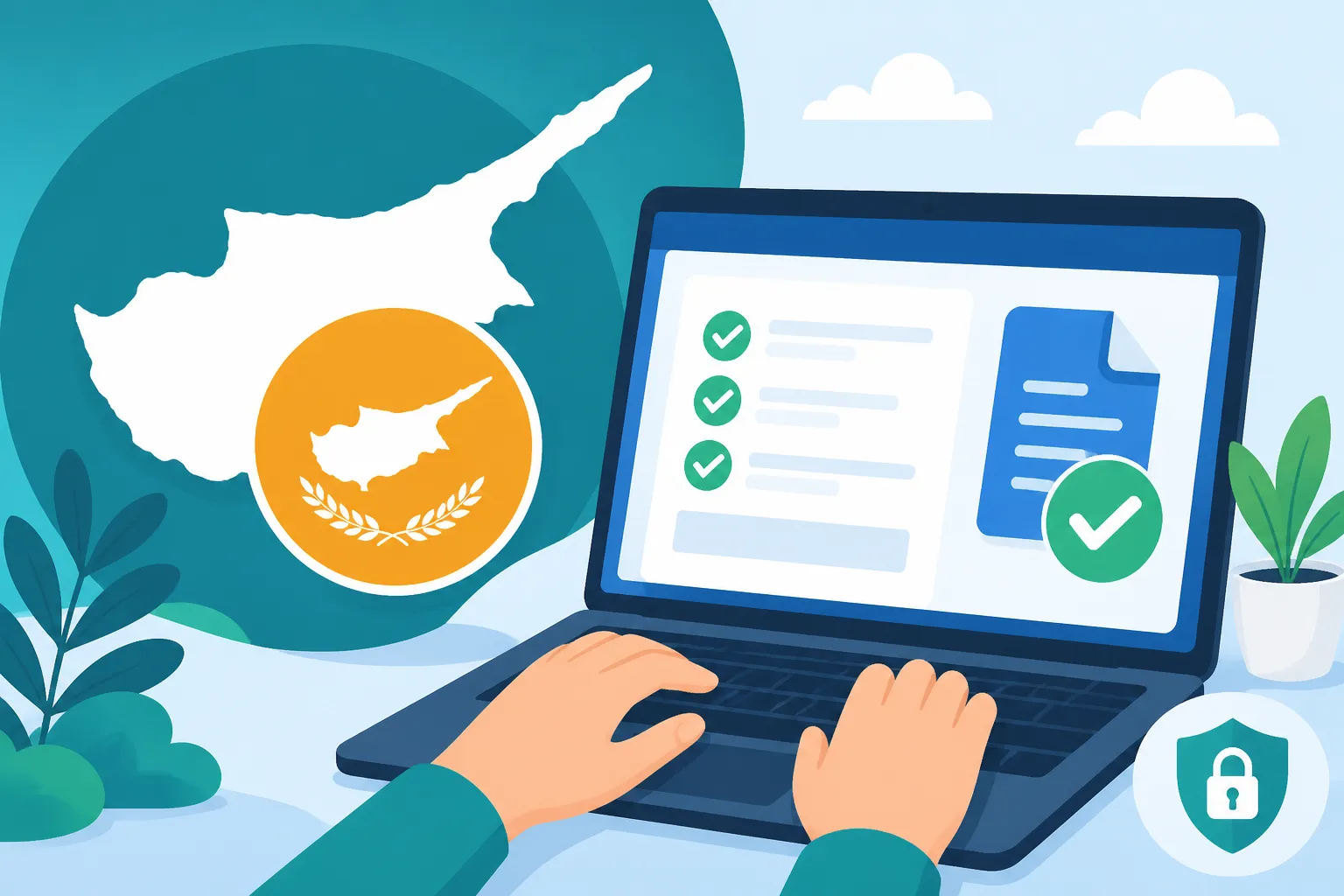
Let's be honest, moving to Cyprus is a dream for many, full of sunshine and a relaxed pace of life. But then reality hits – specifically, the reality of navigating the Cypriot tax system. For most of us, the idea of "filing taxes online" conjures images of sleek, user-friendly portals, but here in Cyprus, it’s a journey that requires patience, a keen eye for detail, and a good sense of humor. This guide is here to demystify the process and walk you through exactly how to file your income tax return online using the TaxisNet system, helping you avoid those all-too-common expat headaches.
Getting Started: Your TaxisNet Account and Tax Identification Number
Before you even think about inputting numbers, you need to ensure you're properly set up with the Tax Department. This isn't just a simple login; it's a foundational step that can take some time, so don't leave it until the last minute. Trust me, I've seen enough expats pull their hair out over this part to know it's a critical first hurdle.
Registering for a Tax Identification Number TIN
First things first, every resident of Cyprus who earns income, whether employed, self-employed, or deriving income from other sources, needs a Tax Identification Number (TIN). This is your unique identifier for all tax-related matters. Without it, you can't even dream of accessing the online system. You might hear it referred to as an ARC (Alien Registration Number) for non-Cypriots, or sometimes even your social insurance number can act as a de facto TIN if you're employed, but it's crucial to officially register for a standalone TIN.
The process for getting your TIN typically involves a trip to the local District Tax Office. You'll need your passport, residence permit (Pink Slip or Yellow Slip), and potentially a utility bill as proof of address. They’ll give you a form to fill out, and then you wait. Sometimes it’s quick, sometimes it feels like they’re still using carrier pigeons. Once you have it, guard that number with your life! It’s essential for everything from employment contracts to opening bank accounts, and of course, filing your taxes. If you haven't done this yet, you'll find a detailed walkthrough in our guide on How to Register with the Tax Department and Get a TIN in Cyprus.
Activating Your TaxisNet Account
Once your TIN is secured, the next challenge is activating your TaxisNet account. TaxisNet is the online portal provided by the Cyprus Tax Department for electronic tax submission. It's the central hub for all your online tax activities, from submitting your annual income tax return to making payments and accessing your tax history. Don't expect a super sleek, modern interface; it's functional, but it definitely has a classic government portal feel.
To register for TaxisNet, you generally need to visit the Tax Department office again, or sometimes, depending on how you initially registered for your TIN, they might issue your TaxisNet credentials simultaneously. You'll typically be given a temporary username and password. The first time you log in, you'll be prompted to change your password and set up security questions. Make sure you use an email address you check regularly, as this is how the system will communicate important updates or password reset information. It's a bit clunky, but once you're in, you're halfway there. Just remember, patience is key here, and if you hit a wall, a visit to the actual office might be your best bet – sometimes a face-to-face chat can clear things up faster than battling an online form.
The Step-by-Step Walkthrough: Filing Your Annual Income Tax Return
Now that you’re armed with your TIN and TaxisNet login details, it’s time to tackle the actual tax return. This section will guide you through the process, which, while not always intuitive, is perfectly manageable once you know the steps.
Logging In and Accessing the Relevant Form
First, open your browser and navigate to the official TaxisNet portal. Enter your username and password. If you’re a new user, you might encounter some pop-ups or security prompts, just follow them through. Once logged in, you'll usually see a dashboard or a menu on the side. Look for options related to "Income Tax" or "Tax Returns." The specific form you'll be looking for is the "Income Tax Return for Individuals" (often referred to as TD1 for employees or TD1 self-employed).
The portal can sometimes feel like a maze, so take your time clicking through the options. You might need to select the relevant tax year first. Always ensure you're working on the correct year’s return, as previous years’ forms will also be available. If you're employed, your employer should have provided you with a copy of your annual earnings statement, which will be vital here. For those who are self-employed, all your meticulously kept records of income and expenses will be your best friend.
Completing Your Income Tax Declaration
This is where the real work begins. The income tax form (TD1) is divided into several sections. Let's break down the most common ones you'll encounter as an expat:
- Personal Details: This section will usually be pre-filled with your basic information based on your TaxisNet registration. Double-check everything, especially your TIN and contact details.
- Income from Employment: If you’re employed, this is where you'll input your gross salary, any benefits, and your social insurance contributions as per your employer's annual statement. Ensure you differentiate between taxable and non-taxable income. Cyprus has various tax bands, and understanding them is crucial. Our guide on Understanding Income Tax and Tax Bands in Cyprus can provide more clarity on this.
- Income from Self-Employment: For the freelancers and business owners among us, this section requires a detailed breakdown of your business income and allowable expenses. Keep all your invoices and receipts organized throughout the year – it makes this part so much easier. If you're new to this, it might be worth consulting with a local accountant or reading our guide on How to Pay Tax as a Self-Employed Person in Cyprus.
- Other Income: This can include rental income, pension income, or certain types of investment income. Be particularly mindful if you have foreign-sourced income. Cyprus has double taxation treaties with many countries, but it’s still important to declare it correctly. You can learn more about this in How to File Taxes If You Have Both Foreign and Cypriot Income.
- Allowable Deductions and Reliefs: Cyprus offers various deductions, such as social insurance contributions (employee share), life insurance premiums, and professional subscriptions. Make sure you claim everything you’re entitled to! It can significantly reduce your taxable income. For a comprehensive overview, see Understanding Tax Deductions and Allowances Available in Cyprus.
- Special Defence Contribution (SDC) and GeSY Contributions: These are separate taxes that apply to certain types of income (like dividends, interest, and rental income for tax residents, with exemptions for non-domiciled individuals). GeSY (General Healthcare System) contributions are also deducted from most incomes. This is where the non-dom status becomes a big deal for many expats. If you’re eligible for the Non-Dom Regime, ensure you correctly declare your status and apply the exemptions.
As you fill out each section, the system will typically calculate your tax liability in real-time or after you save the section. Always save your progress frequently! There’s nothing worse than losing a chunk of work due to a timeout or connection issue.
Review, Declaration, and Submission
Once you've meticulously entered all your income, expenses, and deductions, it's time for the final review. This is not a step to rush. Go through every section, comparing it against your physical documents. Any discrepancy could lead to issues down the line. Many expats find using a professional service like Taxes for Expats invaluable for this, especially when dealing with complex income streams or navigating the intricacies of the non-dom regime. They can cross-check your entries and ensure everything aligns with Cypriot tax law.
After you're confident everything is correct, you'll need to electronically declare that the information is true and accurate. This usually involves ticking a box. Finally, hit that "Submit" button! You should receive an immediate confirmation, often with a submission reference number. It's crucial to download or print this confirmation for your records. This is your proof that you’ve met your obligation. You can find more general information about this process in How to File Your Annual Income Tax Return in Cyprus.
Here's a quick table of important tax filing deadlines in Cyprus, which are pretty consistent year after year:
| Income Type | Filing Deadline (for individuals) | Payment Deadline (Provisional Tax) |
|---|---|---|
| Employee (TD1) | 31 July of the following year | 31 July (1st instalment), 31 Dec (2nd instalment) |
| Self-Employed (TD1) | 30 June of the following year | 31 July (1st instalment), 31 Dec (2nd instalment) |
| Pensions, Rental, Dividends (TD1) | 31 July of the following year | 31 July (1st instalment), 31 Dec (2nd instalment) |
Note: These dates are for the submission of the tax return for the previous tax year. For example, the 2025 tax return would be due in 2026. Always check the official Tax Department website for the most current deadlines, as they can occasionally shift.
Beyond the Basics: Common Expat Scenarios and Troubleshooting
The general filing process might seem straightforward, but expats often face unique situations that can complicate matters. It's these nuances that can trip you up.
Dealing with Foreign Income and Assets
Many of us move to Cyprus but still have income or assets back home. This is where things can get a bit more intricate. If you're a tax resident of Cyprus, generally, your worldwide income is subject to tax here, even if it's earned outside the island. However, as mentioned, Cyprus has a robust network of double taxation treaties that prevent you from being taxed twice on the same income. You might need to declare your foreign income on your Cypriot tax return, but then claim credit for any taxes already paid in the source country.
The key here is accurate reporting. Make sure you have documentation for all foreign income and any taxes paid on it. The TaxisNet system will have specific sections for foreign income, and it's essential to populate these correctly. For those with significant overseas earnings, especially if you're leveraging the non-domicile status, it's highly advisable to seek professional advice. Experts at firms like Taxes for Expats are well-versed in international tax law and can help ensure you're fully compliant and taking advantage of all available reliefs. Remember, being a Tax Residency in Cyprus: The 183-Day and 60-Day Rules Explained (2027) doesn't automatically make your foreign income tax-free; it depends on the income type and your domicile status.
Troubleshooting TaxisNet Issues
Let’s face it, online government portals can be frustrating. TaxisNet is generally stable, but you might encounter issues. Here are some common ones and how to tackle them:
- Login Problems: If your password isn't working, use the "Forgot Password" link immediately. Don't keep guessing, as your account might get locked. If you're completely locked out, a visit to the Tax Department is often the fastest resolution.
- System Glitches: Sometimes the system is just slow, or a page won't load correctly. Try clearing your browser cache and cookies, or switch to a different browser (Chrome, Firefox, Edge). Incognito mode can also sometimes help. If it persists, it might be a server issue on their end, so try again later.
- Error Messages: If you get an error message, read it carefully. It usually points to a specific field or calculation that needs correction. Often, it's a simple data entry mistake, like an incorrect format for a date or number.
- Uploading Documents: While the main TD1 form is data entry, some specific situations (like supporting documentation for certain deductions) might require uploads. Ensure your files are in the correct format (usually PDF) and within any specified size limits.
- Technical Support: The Tax Department does have a technical support line for TaxisNet, but be prepared for a potentially long wait or language barriers. Sometimes it's more efficient to visit in person if the issue is complex and time-sensitive.
Don't panic if you hit a snag. Most issues are resolvable with a bit of persistence or, if necessary, a trip to the local tax office. It's part of the expat experience here!
Ensuring Compliance: What Happens After You File
Submitting your return isn't the absolute end of the process. There are still a few crucial steps and considerations to ensure you remain fully compliant and to understand the implications of your submission.
Making Payments and Receiving Refunds
If your tax return shows that you owe tax, you'll need to make a payment. The TaxisNet portal usually generates a payment reference number once you’ve submitted your return. You can typically pay online via JCCSmart, which is another government e-payment platform, or directly through your bank's online banking using the payment code. If you're needing to transfer funds to pay your tax bill from an overseas account, or perhaps receive a refund to one, services like Wise are incredibly useful for currency exchange and fast, transparent transfers, saving you a headache with international bank fees.
Conversely, if you're due a refund, the Tax Department will process it and deposit it directly into your designated bank account. Ensure your bank details are up-to-date in your TaxisNet profile. The processing time for refunds can vary, so a little patience is usually required. This whole system of Filing Your Tax Return in Cyprus: The Complete Walkthrough (2027) is built around these eventual payments or refunds.
Keeping Records and Potential Audits
Even after filing, your work isn't quite done. It is absolutely crucial to keep meticulous records of all your income, expenses, and any supporting documents for at least six years. This includes payslips, invoices, receipts, bank statements, and any communication with the Tax Department.
While tax audits are not an everyday occurrence for every individual, the Tax Department does conduct checks, especially if there are inconsistencies or significant changes in your declared income. If you're ever contacted for an audit or clarification, having all your documents neatly organized will make the process infinitely smoother and less stressful. Think of it as your financial diary; it's there to protect you. The Complete Guide to Taxes in Cyprus for Expats (2026) provides a broader context on all tax obligations you might face.
Filing your taxes online in Cyprus, while sometimes a bureaucratic dance, is a mandatory part of expat life. With a little preparation, a lot of patience, and perhaps some external guidance from professionals like Taxes for Expats, you'll master the TaxisNet system and keep yourself on the right side of the taxman.
Disclaimer
The information provided in this guide is for general informational purposes only and does not constitute professional tax or legal advice. Tax laws and regulations in Cyprus can change and are subject to individual circumstances. It is highly recommended to consult with a qualified tax advisor or the Cyprus Tax Department for advice tailored to your specific situation.