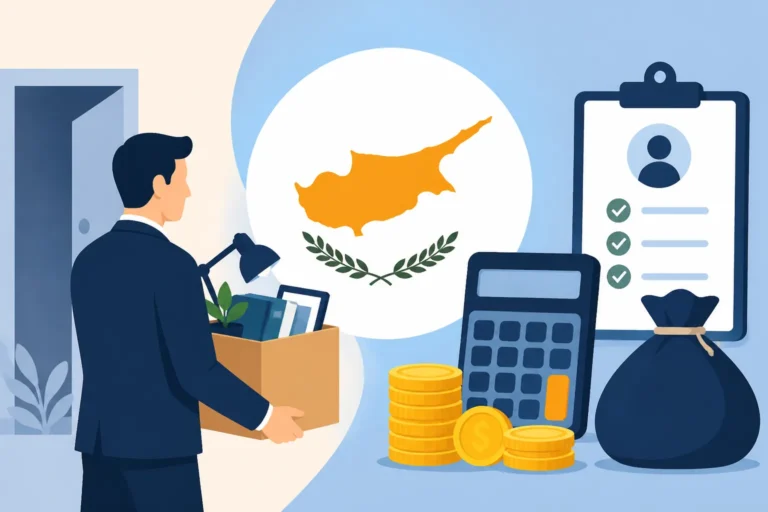
How Do I Transition from Student to Working Professional in Cyprus?
So, you’ve hit that crucial point in your expat journey in Cyprus: student life is winding down, and the big question looms – "How do I actually stay here and start my career?" It’s a moment packed with excitement, but let's be honest, also a fair bit of anxiety. The administrative hurdles here can feel like a labyrinth even for the most seasoned expats, and transitioning from a student visa to a working professional status adds another layer of complexity. This guide is here to walk you through the essential steps, from understanding your post-graduation residency options to navigating the job market and getting your ducks in a row with the local authorities.
Understanding Your Post-Graduation Residency Options
One of the biggest anxieties after completing your studies in Cyprus is figuring out how to legally remain in the country and transition into employment. Your student visa has a shelf life, and you can’t just jump from attending lectures to working full-time without a change in your immigration status. This stage requires careful planning and a deep understanding of the available pathways for non-EU/EEA citizens. For EU citizens, the process is generally simpler, but still requires registration.
The Race Against the Clock: Student Visa Expiry
First and foremost, you need to be acutely aware of your student visa's expiry date. Unlike some countries that offer an automatic post-study work visa, Cyprus generally does not provide a direct, universal "graduate visa" that allows you to stay and seek employment for an extended period after your studies conclude. This means that as your student permit nears its end, you’ll either need to secure a job offer and a corresponding work permit, switch to another type of residence permit, or unfortunately, make arrangements to leave. The Civil Registry and Migration Department (CRMD) will expect you to regularize your status promptly.
The stress of this timeframe is real. Many students find themselves scrambling in their final semester, not only with exams and dissertations but also with job applications and immigration paperwork. It's a delicate balance, and you truly need to start thinking about this transition many months before your graduation ceremony. Don't wait until the last minute, as the processing times for new permits can be unpredictable, often leaving you in a state of limbo.
Exploring Alternative Residence Permits
If you're not an EU/EEA citizen and don't immediately secure a job offer, your options might seem limited, but there are possibilities. One common route is securing a work permit, which is employer-sponsored. This means a Cypriot company has to go through the process of applying for a permit for you, demonstrating that they couldn't find a suitable local or EU candidate for the role. This can be a hurdle, as employers sometimes shy away from the extra paperwork involved. You'll want to read up on How to Get a Work Permit to Work in Cyprus (2026) to understand the full scope of this process.
Another less common, but increasingly popular, option is exploring self-employment or the Digital Nomad Visa. If you have a viable business idea or can work remotely for a company outside Cyprus, these might be alternative avenues. However, be prepared for rigorous financial requirements and a comprehensive application process. For those looking at a longer-term stay and eventually Permanent Residency in Cyprus (2026), understanding these initial steps is paramount.
| Permit Type | Eligibility (Non-EU) | Key Requirement | Typical Duration | Application Process |
|---|---|---|---|---|
| Work Permit | Job offer from a Cypriot employer | Employer sponsorship, local market test | 1-4 years | Employer applies on your behalf to CRMD |
| Digital Nomad Visa | Remote work for non-Cypriot company, minimum income | Proof of stable foreign income | 1 year (renewable) | Direct application to CRMD, significant documentation |
| Self-Employment | Viable business plan, sufficient capital | Proof of financial self-sufficiency | 1-2 years | Direct application to CRMD, complex documentation |
| Pink Slip (Visitor) | Proof of sufficient passive income, no right to work | Substantial bank balance, no employment | 1 year (renewable) | Direct application to CRMD, strict conditions |
For EU citizens, the process is much simpler. You will need to apply for a Yellow Slip (MEU1) to formalize your residency, even if you are working. This grants you the right to live and work in Cyprus without needing a separate work permit. However, you still need to prove you have a source of income or sufficient funds to support yourself. Understanding Residence Permits and the Pink Slip in Cyprus (2026) will provide broader context, even if your immediate focus is on a work-related permit.
Job Searching Strategies for Post-Graduates
Transitioning from student to professional means shifting your job search approach. What worked for part-time student jobs might not cut it for full-time career positions. The Cypriot job market has its unique nuances, and understanding them is key to a successful search.
Tailoring Your CV and Understanding Local Expectations
The first step is often the most critical: your CV. While you might have a stellar academic record, you need to present it in a way that resonates with Cypriot employers. Typically, a concise, one-to-two-page CV is preferred, highlighting your education, relevant internships, volunteer work, and any demonstrable skills. Make sure your contact information is up-to-date, including a local Cypriot phone number. Crucially, if your degree is from outside Cyprus or the EU, you might need to consider getting it officially recognized by KYSATS (Cyprus Council for the Recognition of Higher Education Qualifications). This process can take time, so it's wise to start it well before you even begin actively applying for jobs. You can find more information in our guide on How to Get Your Foreign University Degree Recognised in Cyprus.
Don't underestimate the power of a well-written cover letter, even if some companies state it's optional. A personalized cover letter shows genuine interest and allows you to explain why you, a recent graduate with international experience, are the perfect fit for their specific role and company culture. Emphasize any language skills you have – English is widely spoken in business, but a basic grasp of Greek can certainly set you apart, particularly in customer-facing roles or smaller local businesses. Consider using platforms like iTalki to brush up on your conversational Greek, which can make a huge difference in interviews and daily interactions.
Where to Look: Online Platforms and Networking
Gone are the days when simply checking university job boards was enough. While your university's career services might offer some leads, a broader strategy is essential. Online job portals are your best friend. Sites like Ergodotisi, Kariera, and even LinkedIn are widely used by Cypriot companies to post vacancies. Set up job alerts for positions that match your skills and qualifications, and be diligent about checking them regularly. Don't forget about industry-specific platforms if you're in niche sectors like forex, tech, or shipping, which are significant in Cyprus.
Networking, however, remains king. Attend industry events, career fairs, and professional meetups. Even casual coffee chats can open doors you didn't even know existed. Many jobs in Cyprus are filled through personal recommendations or connections, so start building your network now. Reach out to former lecturers, internship supervisors, or even other expats who have successfully transitioned. LinkedIn is an excellent tool for this; connect with professionals in your target industries and don't be afraid to send a polite message introducing yourself and expressing interest in their field. Even for specific roles, understanding the job market in your chosen sector is key, so consider guides like The Expat Guide to Finding a Job in Cyprus (2026).
Navigating Visa and Residency Changes After Graduation
Once you've landed that coveted job offer, the real administrative fun begins. This is where your new employer typically plays a crucial role, especially for non-EU citizens, in sponsoring your work permit.
The Work Permit Application Process
For non-EU citizens, your employer will initiate the work permit application through the Department of Labour and then the CRMD. This process involves proving that no suitable Cypriot or EU candidate could be found for the role, often requiring a labour market test. Your employer will need to provide various documents, including the job contract, evidence of their company's financial stability, and a detailed description of your role. You, as the applicant, will need to provide your passport, academic qualifications (which should ideally be KYSATS recognized by this point), a clean criminal record certificate, and a medical certificate.
The timeline for work permit processing can vary wildly, sometimes taking several months. This is another reason why early planning is essential. During this period, you may not be able to work legally until the permit is approved. This interim period can be financially challenging, so having savings is highly advisable. Always ensure your employer is fully compliant with Cypriot labour laws and understands the requirements for employing third-country nationals. Our comprehensive guide, The Complete Guide to Cyprus Visas and Immigration for Expats (2026), covers these processes in meticulous detail.
Yellow Slip Registration for EU Citizens
If you're an EU citizen, the process is streamlined but still requires action. Once you secure employment, you’ll need to apply for the "Yellow Slip" (Form MEU1), which is your certificate of registration for EU citizens. This document essentially legalizes your long-term stay and right to work in Cyprus. You'll submit this application to the CRMD office in your district.
The documents required typically include your passport, a copy of your employment contract, proof of address (a rental agreement or utility bill), and proof of sufficient funds (though your employment contract usually covers this). The process is generally quicker than for non-EU citizens, often just a few weeks for the appointment and issuance, but don't delay. This isn't optional; it's a mandatory step to ensure your residency is fully compliant. You can learn more about this by reading How to Register as an EU Citizen (Yellow Slip / MEU1) in Cyprus.
Financial Considerations and Tax Implications
Moving from a student budget to a professional salary brings a whole new set of financial responsibilities. Understanding your tax obligations and how to manage your money in Cyprus is crucial for a smooth transition.
Registering for Tax and Social Insurance
As a working professional in Cyprus, you'll need a Tax Identification Number (TIN) and you'll start contributing to the Social Insurance Fund. Your employer will usually handle the Social Insurance deductions directly from your salary, along with Pay As You Earn (PAYE) income tax. However, you are personally responsible for ensuring you are registered with the Tax Department and for understanding your tax obligations. It's not uncommon for new expats to feel a bit lost in this regard. This is where resources like "Taxes for Expats" can be incredibly helpful, offering guidance on filing your first tax return and understanding the Cypriot tax system.
Understanding How GeSY Contributions Are Calculated in Cyprus is also vital, as these healthcare contributions will also be deducted from your salary, ensuring you have access to the General Healthcare System (GeSY). It's a progressive system, and the contributions vary based on your income, but it's important to know where your money is going. Furthermore, dive into Understanding Social Insurance and Payroll Deductions for Employees in Cyprus for a detailed breakdown.
Budgeting for Your New Lifestyle
While the prospect of a regular salary is exciting, it's essential to create a realistic budget. The Cost of Living in Cyprus for Expats (2026) can vary significantly depending on where you live (Limassol versus a smaller town, for example) and your lifestyle choices. Factor in rent, utilities, transport costs (a car is often a necessity outside major city centres), groceries, and leisure activities. Even with a good starting salary, initial costs like setting up your new apartment or purchasing a car can quickly add up.
Many employers in Cyprus will pay you monthly, so managing your finances to last the full month is a skill you'll quickly develop. Consider setting up a local bank account as soon as possible after securing your job. This makes receiving your salary, paying bills, and managing daily expenses much easier. Most major banks, like Bank of Cyprus and Hellenic Bank, offer services tailored to expats. Our guide to The Expat Guide to Opening a Bank Account in Cyprus can provide a step-by-step process for this.
Navigating Your New Financial Landscape: A Checklist
- Tax Identification Number (TIN): Apply for one as soon as you have a job offer.
- Social Insurance: Your employer handles deductions, but ensure you understand your contributions.
- GeSY Contributions: Also deducted from your salary, providing access to healthcare.
- Budgeting: Create a detailed monthly budget to manage your new income.
- Bank Account: Open a local Cypriot bank account for salary deposits and bill payments.
- Professional Advice: Consider consulting with tax professionals, especially if you have foreign income or specific tax situations.
Building Your Professional Network and Skills in Cyprus
The transition isn't just about papers and permits; it's also about seamlessly integrating into the Cypriot professional landscape. This involves continuous learning, adapting to local work culture, and expanding your professional circle.
Adapting to Cypriot Work Culture
Cypriot work culture can sometimes be a blend of Mediterranean informality and structured business practices. Hierarchies are generally respected, and personal relationships often play a significant role in business dealings. Punctuality is appreciated, but flexibility can also be a common trait, especially in smaller companies. Communication styles can be direct, but often softened with personal warmth. Don't be surprised if your colleagues invite you for coffee breaks or after-work drinks; these are excellent opportunities to bond and integrate.
Patience is a virtue, particularly with administrative processes. Things might take longer than you're used to, and it's best to adopt a relaxed but persistent approach. Understand that while English is the lingua franca in many international companies, showing an effort to learn Greek, even basic phrases, is always appreciated and can help you connect more deeply with colleagues and clients. You might want to consider specific courses or dedicated language learning apps, alongside tools like iTalki for practical conversation. This will not only aid your social integration but can also be a significant asset in your career progression. You can also explore our guide on Learning Greek for Living in Cyprus: A Complete Guide for Expats.
Continuous Learning and Skill Development
The job market is always evolving, and what got you hired might not be enough to propel you forward. In Cyprus, like anywhere else, continuous learning is key. Look for opportunities within your company for professional development, attend workshops, or pursue online courses that enhance your skills. If your degree was in a general field, consider specializing. If you're in a fast-paced industry like technology or finance, staying current with the latest trends is non-negotiable.
Networking extends beyond job searching; it's also about finding mentors, sharing knowledge, and staying informed about industry developments. Join professional associations related to your field, attend webinars, and connect with thought leaders. These activities not only enrich your professional life but also make you a more valuable asset to your employer and the broader Cypriot economy. Embrace the opportunity to learn from your Cypriot colleagues, who can offer invaluable insights into local business practices and client expectations.
Disclaimer
The information provided in this guide is for general informational purposes only and does not constitute legal, financial, or immigration advice. While we strive to keep the information up-to-date and accurate, regulations and procedures in Cyprus can change frequently. It is essential to consult with qualified legal, immigration, or financial professionals for advice tailored to your specific situation. Reliance on any information in this guide is solely at your own risk.