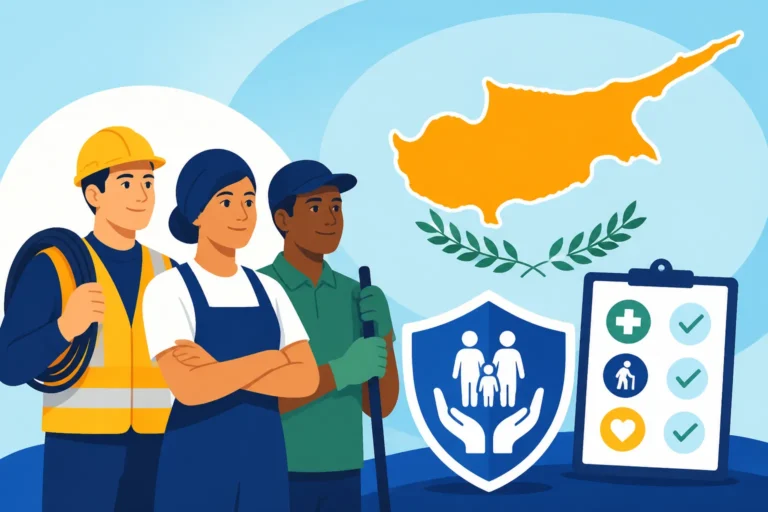
How Do I Find a Job in Paphos as a Foreigner?
Finding a job in a new country like Cyprus, especially in a dynamic but sometimes insular city like Paphos, can feel like navigating a maze blindfolded. You’re not just looking for a job; you’re trying to understand an entirely new culture, a different way of doing business, and often, a distinct set of expectations. This guide is designed to cut through the confusion, offering a realistic, step-by-step roadmap to help foreign job seekers land their ideal role in Paphos, validating the struggles you might encounter along the way.
Understanding the Paphos Job Market for Foreigners
Paphos, with its stunning coastline, ancient ruins, and a thriving expat community, often presents a unique job market. It's not always as diverse as Limassol or Nicosia, and finding a role that truly fits your skills and expectations can be a journey of persistence and adaptability. Don't be disheartened if the initial search feels overwhelming; many of us have been there!
Key Industries and Opportunities
The economy in Paphos, more so than other major Cypriot cities, heavily leans on tourism and related sectors. This means that while opportunities exist, they often concentrate in certain areas. It's not always a high-tech hub, so if you're coming from a very specific niche, you might need to adjust your expectations or broaden your search.
- Tourism and Hospitality: This is undoubtedly the largest employer for foreigners in Paphos. Hotels, restaurants, bars, tour operators, and holiday rental companies are constantly looking for multilingual staff, especially during the peak season from May to October. Roles range from front-desk staff and chefs to entertainment organisers and property managers. While many of these are seasonal, some larger resorts and year-round businesses offer permanent positions. The trick is to start looking early, sometimes as early as January or February, for summer roles, and understand that the off-season can be quiet.
- Property and Real Estate: Given the constant influx of foreigners buying holiday homes or relocating permanently, the property market in Paphos is robust. You'll find opportunities in real estate agencies, property development, and property management. Experience in sales, administration, or maintenance can be highly valued, especially if you speak Russian, German, or Scandinavian languages, which are common among buyers here.
- Retail and Services: Shops, supermarkets, and various service providers (salons, spas, car rentals, etc.) also hire foreign staff, particularly those with good English or other European languages to cater to the diverse customer base. These roles might not always be advertised widely online, often relying on word-of-mouth or in-store applications.
- Education: There are several private and international schools in Paphos, such as TLC Private School and Aspire Private British School, which often hire qualified teachers from abroad. If you have teaching credentials, this could be a stable and rewarding avenue.
- Offshore and Professional Services (Limited): While Limassol is the undisputed champion for offshore companies, forex, and IT, Paphos does have a smaller, emerging presence. You might find roles in legal services, accounting firms, or smaller international businesses that have chosen Paphos for its lifestyle. These roles tend to be more competitive and require specific qualifications.
Language and Cultural Considerations
One of the biggest anxieties for many expats is the language barrier. Paphos, being so geared towards international tourism and residents, has a generally high level of English proficiency, especially in customer-facing roles. You can absolutely get by and find work speaking only English. However, it's also true that making an effort to learn some Greek can open more doors and certainly endear you to potential employers. Even basic conversational Greek shows a commitment to integrating into the local culture. Platforms like iTalki can be incredibly helpful for finding online tutors to practice conversational Greek and get comfortable with the basics before or during your job search. It’s a small investment that can yield big returns in terms of local connections and job prospects.
Culturally, Cypriot workplaces can be more hierarchical and relationship-driven than what some expats are used to. Personal connections (known as "meso") can play a significant role. Don't mistake this for corruption; it's often just how business is done – through trust and established relationships. Building a local network, even if it's just through casual acquaintances, can be surprisingly effective. Patience is also a virtue; things often move at a slower pace here compared to more frenetic international business environments.
Essential Steps for Your Job Search in Paphos
The job search process in Paphos might not always be as streamlined or digitally advanced as in some Western countries, and that’s perfectly normal. You’ll likely need a multi-pronged approach and a good dose of perseverance. Don't just rely on one method; cast your net wide!
Crafting Your Cypriot-Style CV and Cover Letter
First impressions matter, and your CV is your first chance to make one. While general best practices for CVs apply, there are some nuances for the Cypriot market that are worth noting. It’s often expected that your CV is a concise summary of your skills and experience, usually no more than two pages. Include a professional headshot; this is far more common and accepted here than in, say, the UK or US, and it helps personalise your application.
Make sure your contact information is clear, including a local Cypriot phone number if possible, and an email address you check regularly. Tailor your CV and cover letter to each specific role, highlighting transferable skills even if your direct experience doesn't perfectly match. Emphasise any multilingual abilities, as this is a huge asset in Paphos. For a deeper dive into what employers expect, read our guide on How to Write a Cypriot-Style CV and Cover Letter.
Online Job Boards and Recruitment Agencies
While direct applications and networking are powerful, online platforms are still a critical starting point. They offer convenience and a wide reach, even if the response rate can sometimes feel disheartening.
-
Local and International Job Boards:
- EURES Cyprus: This is the European Job Mobility Portal, connecting job seekers with opportunities across Europe. It’s a good official resource, especially for EU citizens.
- Kariera.com.cy and Ergodotisi.com: These are two of the largest Cypriot job portals. While many listings might be in Greek, you'll find plenty in English, especially for international companies or roles seeking foreign candidates.
- LinkedIn: Increasingly popular in Cyprus, especially for professional roles in finance, IT, and sales. Make sure your profile is up-to-date and reflects the experience you're marketing. Use it not just for direct applications but also for networking.
- Indeed.com.cy and Eurojobs.com: Other popular platforms that aggregate job postings, often including those from smaller Paphos-based businesses.
- Facebook Groups: Believe it or not, local expat and community Facebook groups are a goldmine for job postings in Paphos, particularly for tourism, hospitality, and retail roles. Search for groups like "Paphos Expats" or "Jobs in Paphos." Many smaller businesses prefer to post here because it's free and targets a specific demographic.
-
Recruitment Agencies: While fewer dedicated agencies focus solely on Paphos compared to Limassol or Nicosia, some general Cypriot recruitment firms will cover the Paphos district. Agencies like GRS Recruitment, StaffMatters Recruitment, and Workchannel often handle roles across the island. They can be particularly helpful if you’re looking for more specialised or managerial positions, as they often have direct connections with employers and understand the nuances of the local market. Don't hesitate to reach out to them directly with your CV. For more general advice, consider our guide on Understanding Job Portals and Recruiters in Cyprus.
Networking and Local Engagement
This is where the magic often happens in Cyprus. While online applications are important, nothing beats a personal connection. Many jobs, especially in smaller businesses, are filled through recommendations rather than formal advertising.
- Attend Expat Events and Social Gatherings: Paphos has a vibrant expat community. Look for local expat groups, social clubs, or community events. These are fantastic opportunities to meet people, share experiences, and potentially learn about unadvertised job openings. You never know who might know someone looking for exactly your skills.
- "Pounding the Pavement": For sectors like hospitality, retail, and smaller businesses, sometimes the old-fashioned way is the best. Print out several copies of your CV (with a friendly smile!) and visit businesses directly. Walk into hotels, restaurants, and shops in areas like Kato Paphos, Coral Bay, or the town centre. Even if they don't have an opening right then, leaving your CV can make an impression, and they might keep you in mind. This shows initiative and local presence.
- Volunteer Work: If you have some free time, volunteering for local charities, community projects, or events can be an excellent way to meet people, practice your language skills, and gain local experience. It might not directly lead to a job, but it builds your network and shows your commitment to the community.
- Leverage Existing Connections: Reach out to anyone you know who already lives or works in Paphos or Cyprus. Expats are usually very supportive of each other and might offer advice, introductions, or even leads on potential openings.
Here's a quick reference table for popular job search avenues:
| Job Search Method | Best For | Pros | Cons |
|---|---|---|---|
| Online Job Portals | Professional, Admin, Tourism, Retail | Wide reach, easy to apply, 24/7 access | High competition, generic applications, sometimes slow response |
| Recruitment Agencies | Specialised roles, IT, Finance, Management | Access to unadvertised roles, professional guidance, tailored matches | Fewer agencies specifically in Paphos, can be slow, not for entry-level |
| Networking/Word-of-Mouth | All sectors, especially Hospitality, Property | High success rate, personal connection, less competition | Requires effort to build network, can be slow, not always transparent |
| Direct Approach (Walk-in) | Hospitality, Retail, Small Businesses | Shows initiative, personal touch, immediate feedback | Time-consuming, not always appropriate for all roles, can feel intrusive |
| Social Media Groups | Seasonal, Tourism, Expats, English-speaking | Very active, specific to expat community, quick postings | Less formal, can be unreliable, postings expire quickly |
Navigating Legalities and Administration
Once you've found a potential job, the administrative hurdles begin. This can often feel like the most frustrating part of the process, especially if you're a non-EU citizen. Rest assured, millions of expats have navigated this before you, and it is entirely doable with patience and meticulous preparation.
Visa and Work Permit Requirements
This is arguably the most crucial step for non-EU citizens. You cannot simply arrive in Cyprus and start working. Your employer must sponsor your work permit. This means the company needs to apply on your behalf, demonstrating to the Department of Labour that there isn't a suitable Cypriot or EU citizen available for the role. The process can be lengthy and requires significant documentation from both you and your potential employer.
- For EU Citizens: If you are an EU citizen, you generally have the right to work in Cyprus without a work permit. However, you will need to register your presence with the Civil Registry and Migration Department and obtain a Yellow Slip (MEU1 form) if you plan to stay for more than three months. This confirms your right of residence and often smooths over administrative processes like opening a bank account or getting a local phone number. You can learn more about How EU and Non-EU Citizens Get the Right to Work in Cyprus.
- For Non-EU Citizens: This is where it gets more complex. You will need a work permit and a residence permit (often referred to as a "Pink Slip" for temporary residence). The employer initiates this process, providing details about the job, your qualifications, and justifying the hire of a non-EU national. Be prepared for a significant wait time, as immigration procedures can take several months. It's vital that your employer is willing and able to navigate this process. For a detailed guide, refer to How to Get a Work Permit to Work in Cyprus (2027). Ensure you have all required educational certificates, professional qualifications, and a clear criminal record certificate.
Essential Documents and Registrations
Even before you start work, and certainly once you have a job offer, there are several key registrations you'll need to complete to live and work legally in Cyprus.
- Tax Identification Number (TIN): This is essential for anyone earning income in Cyprus. You'll need it for your employer to process your salary, for filing your tax return, and for various other financial transactions. You can obtain your TIN from the Tax Department. This process is generally straightforward, but it's important to get it sorted as soon as possible. Our guide on How to Get a Tax Identification Number as a Foreigner in Cyprus provides a complete walkthrough.
- Social Insurance Registration: If you are employed, your employer will typically register you with the Social Insurance Services. This ensures you contribute to the national social insurance fund, which provides benefits like sickness pay, maternity benefits, and eventually, a pension. Understanding your social insurance contributions is crucial for your financial planning. Our article on Understanding Social Insurance and Payroll Deductions for Employees in Cyprus can shed more light on this.
- Bank Account: You'll need a local bank account to receive your salary. Opening an account in Cyprus as a foreigner can sometimes be a bit of a bureaucratic exercise, requiring your passport, residence permit (if applicable), proof of address (utility bill), and sometimes a letter from your employer. Be prepared for some back-and-forth. Banks like Bank of Cyprus and Hellenic Bank are the largest.
- Health Coverage (GeSY): If you are working and contributing to Social Insurance, you will automatically be covered by the General Healthcare System (GeSY). This is Cyprus's national healthcare system, providing access to public and some private doctors and hospitals. Understanding How Cyprus's Health System Works: GeSY vs Private Explained (2027) is vital. Once you have your Social Insurance number, you can register for GeSY to choose a personal doctor.
The financial aspects, especially taxes, can seem daunting in a new country. It’s important to understand your obligations from the outset. Cyprus has an attractive tax regime for many expats, especially with the Non-Dom status, but you still need to be compliant. Resources like Taxes for Expats can be invaluable in helping you understand your specific tax situation, whether it's income tax, social insurance contributions, or even how your foreign-sourced income is treated. Knowing this beforehand will help you negotiate salaries and manage your finances effectively.
Finding a job in Paphos as a foreigner can be a challenging but ultimately rewarding experience. It requires patience, adaptability, and a proactive approach. By understanding the local market, preparing diligently, and navigating the administrative steps carefully, you can successfully build your career on this beautiful island.
Disclaimer
The information provided in this guide is for general informational purposes only and does not constitute legal, financial, or immigration advice. While every effort has been made to ensure accuracy, regulations and procedures in Cyprus can change rapidly. It is strongly recommended to consult with relevant authorities, legal professionals, or immigration experts for advice tailored to your specific situation.