How Do I Find a Skin Doctor in Paphos?
Finding a skin doctor in a new country can feel like a daunting task, especially when you're dealing with a specific concern and the added layer of a foreign healthcare system. The worry about language barriers, understanding local procedures, and even just knowing where to start looking in a city like Paphos is a real stressor for many expats. This guide aims to demystify the process of locating and consulting a dermatologist here in Paphos, walking you through both the public and private avenues available, so you can get the care you need with confidence.
Understanding Dermatology Options in Paphos: GeSY vs. Private
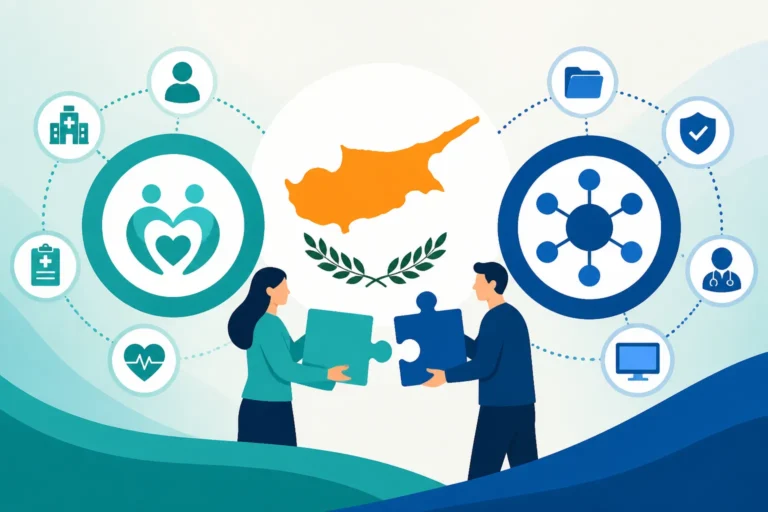
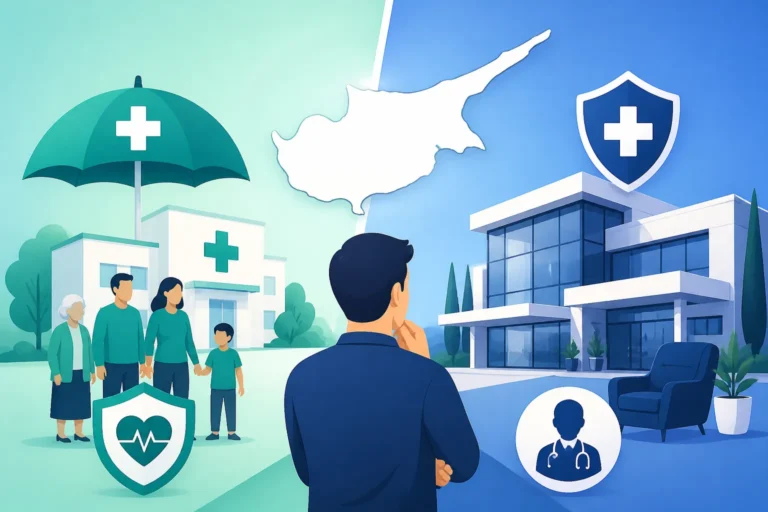
When you're dealing with a skin issue, whether it's a persistent rash, a suspicious mole, or an ongoing dermatological condition, getting to see a specialist can feel urgent. In Paphos, just like the rest of Cyprus, you primarily have two pathways to access a skin doctor, known as a dermatologist: through the General Healthcare System (GeSY) or via the private healthcare sector. Each has its own procedures, benefits, and potential drawbacks, and understanding them is the first step to making an informed decision for your health.
Navigating Dermatologist Referrals through GeSY
If you're already registered with GeSY, which many working expats and residents are, this is often the most cost-effective route. The GeSY system is designed to provide comprehensive healthcare coverage, including specialist consultations, but it operates on a referral basis for most specialist services. This means you can't just pick up the phone and book an appointment directly with a GeSY dermatologist.
Your journey will typically begin with a visit to your Personal Doctor (GP). This is the doctor you chose when you first registered for the system, and they act as your primary point of contact for all medical concerns. During your consultation, you’ll explain your skin issue, and your GP will assess it. If they deem it necessary for you to see a dermatologist, they will issue you a referral. This referral is crucial; without it, you won't be able to book an appointment with a GeSY specialist. It's designed to streamline the system and ensure specialists are seeing patients who truly require their expertise, though for us expats, it can sometimes feel like an extra hurdle. Remember to have your GeSY registration details handy, as the referral will be linked to your unique patient identifier. For more information on this, you might find our guide on Registering with a Personal Doctor (GP) in Cyprus: The Complete Expat Guide (2027) particularly helpful.
Once you have your referral, you can then proceed to find a GeSY-registered dermatologist. The GeSY portal is the primary tool for this. You'll log in with your credentials, and within the specialist section, you can search for dermatologists in Paphos. The system will usually show you their available appointments, and you can book directly through the portal. Be prepared that sometimes, especially for popular specialists, waiting times can be a factor. This is a common frustration, as waiting for weeks or even a couple of months for a specialist appointment isn't unheard of, particularly in public hospitals under GeSY. However, for non-urgent matters, it's a highly affordable option, usually requiring only a small co-payment for the consultation. Our article Understanding GeSY Co-Payments and Out-of-Pocket Fees in Cyprus delves deeper into these costs.
Choosing the Private Route for Immediate Access
For those who prefer not to navigate the GeSY referral system, or if you need to see a dermatologist more urgently, the private sector in Paphos offers a direct and often faster alternative. You don't need a referral from a GP to see a private dermatologist – you can simply call their clinic and book an appointment directly. This is a significant advantage if your condition is causing you discomfort or anxiety, and you want to be seen as soon as possible.
Paphos has a number of private clinics and individual practitioners who specialise in dermatology. These clinics typically offer modern facilities and, crucially for many expats, a higher likelihood of finding English-speaking staff and doctors. The trade-off, of course, is the cost. Private consultations are self-funded, meaning you will pay the full fee out-of-pocket at the time of your visit. These fees can vary significantly from one clinic to another, so it's always a good idea to inquire about the cost when you book your appointment.
Many expats choose the private route for this very reason: the speed and ease of access. If you have private health insurance, whether it's an international plan or a local one, you might be able to claim back some or all of the costs. Plans like SafetyWing, for instance, are designed for digital nomads and expats and often cover outpatient specialist visits, although you'd typically pay upfront and then submit a claim. It’s always best to check with your insurance provider beforehand about their specific coverage for specialist consultations and any reimbursement procedures. You can learn more about this in our comprehensive guide How to Use Private Hospitals and Clinics in Cyprus.
Step-by-Step: Finding a Dermatologist in Paphos
Now that you understand the two main pathways, let's get down to the practical steps of actually finding a skin doctor in Paphos. It can feel like detective work, but with a bit of persistence, you'll find the right person to help.
Utilizing Online Resources and Directories
The internet is your best friend when searching for medical professionals in Cyprus. For GeSY-registered dermatologists, as mentioned, the official GeSY portal is the most reliable source. Log in, select 'Specialist', then 'Dermatologist', and filter by Paphos. You'll see names, clinic locations, and available appointments. It's relatively user-friendly once you get the hang of it.
For private dermatologists, you'll be casting a wider net. Start by using search engines like Google. Search terms like "dermatologist Paphos," "skin doctor Paphos," or even "English speaking dermatologist Paphos" will yield results. Look for clinic websites; reputable clinics often have professional sites detailing their services, doctors' qualifications, and contact information. You can also check local expat forums or Facebook groups dedicated to Paphos expats. These groups are often goldmines of recommendations from people who have been in your exact shoes and are happy to share their experiences and direct you to specific doctors they trust. It's like having a local grapevine at your fingertips!
Another excellent resource is the Cyprus Medical Association (CyMA) website, though it might be in Greek primarily. Some private doctors list their practices on general online directories as well. While these don't always give you a full picture, they can be a starting point for names to research further. Many clinics now offer online booking or at least a contact form, making initial inquiries easier.
Seeking Recommendations and Checking Credentials
Word-of-mouth recommendations are incredibly valuable here in Cyprus. Ask other expats in Paphos, friends, colleagues, or even your local GP if they have any specific dermatologists they'd recommend. A personal recommendation can cut through a lot of uncertainty and give you a sense of confidence, especially regarding a doctor's bedside manner and communication skills. Sometimes, the best advice comes from someone who's already been through the process.
Once you have a few names, whether from online searches or recommendations, take a moment to do a bit of due diligence. Check if the doctor has any reviews online. While you should take all online reviews with a grain of salt, a pattern of positive or negative feedback can be insightful. You can also inquire about their specialisation. Dermatology is a broad field, and some doctors might have particular expertise in areas like acne, eczema, psoriasis, or skin cancer screenings. If your concern is specific, finding a doctor with a focus in that area could be beneficial. Many doctors in Cyprus have trained abroad, often in the UK or other European countries, which can be reassuring for expats. Don't hesitate to ask about their qualifications and years of experience when you call to book an appointment.
Navigating Appointments and Costs
Alright, you've got a name and an appointment booked. Now, let's talk about what to expect during your visit and the financial aspects.
What to Expect During Your Visit
Upon arrival at a private clinic, you'll typically be greeted by a receptionist who will ask for your personal details and perhaps request that you fill out a short medical history form. If you're going through GeSY, you'll need your GeSY health card and possibly your ID. Punctuality is generally appreciated, though sometimes, especially in public hospitals, delays can happen – that’s just a part of life here sometimes!
The consultation itself will involve discussing your symptoms, medical history, and any concerns you have. Don't be shy about asking questions, especially if anything is unclear. Most dermatologists in Paphos, particularly in the private sector, will have a good command of English, which helps tremendously. If you're concerned about a language barrier, you can always ask if an English-speaking doctor is available when you book your appointment. In some cases, bringing a friend who speaks Greek might offer an extra layer of comfort and clarity. We have a helpful guide on How to Find an English-Speaking Doctor in Cyprus if you want more general advice on this.
The dermatologist will perform a physical examination of your skin. This might involve using a dermatoscope (a special magnifying tool) to get a closer look at moles or lesions. Depending on their findings, they might recommend further tests, such as a biopsy, blood tests, or prescribe medication. Make sure you understand the instructions for any medications and potential side effects.
Understanding Payment and Insurance Claims
As we've touched upon, the costs differ greatly between GeSY and private care.
GeSY Costs: If you're seeing a GeSY dermatologist, your out-of-pocket expense will usually be a small co-payment for the consultation. This fee is standard across most specialist visits under GeSY. If tests or prescriptions are needed, there might be additional small co-payments, but the overall cost remains very low compared to private care.
Private Sector Costs: For private consultations, you will pay the full fee directly to the clinic at the time of your visit. A typical dermatologist consultation in Paphos could range anywhere from €50 to €100 or more, depending on the clinic, the doctor's experience, and the complexity of your issue. If follow-up appointments, procedures (like mole removal), or tests are required, these will incur additional charges. Always ask for a breakdown of costs if you're unsure.
| Service Type | GeSY Cost (Approx.) | Private Cost (Approx.) | Notes |
|---|---|---|---|
| Initial Consultation | €6 (with GP referral) | €50 – €100+ | GeSY requires GP referral. Private is direct access. |
| Follow-up Visit | €6 | €40 – €80+ | Co-payments apply for GeSY. |
| Minor Biopsy | Small co-payment (e.g., €10-€25) | €150 – €300+ | Cost depends on complexity and lab fees in private sector. |
| Prescription | Small co-payment (if available under GeSY) | Full cost (can be reimbursed by private insurance) | Price variation for medications can be significant. |
When it comes to private health insurance, this is where it really comes into play. If you have an international expat insurance plan or local private coverage, you'll typically pay for your private consultation upfront. Then, you'll need to submit a claim to your insurance provider for reimbursement. It's vital to keep all receipts, medical reports, and any prescription details. Providers like SafetyWing often have a straightforward online claims process, but ensure you understand their specific requirements, such as whether pre-authorisation is needed for certain procedures or tests. It’s always best to clarify your coverage before your appointment, to avoid any unwelcome surprises. Our article on Health Insurance in Cyprus: GeSY, Private and Employer Options Explained provides a comprehensive overview of your options.
Tips for a Smooth Experience
Navigating healthcare, especially specialist care, can be a lot easier with a little preparation. Here are some veteran expat tips to help your visit to a Paphos dermatologist go as smoothly as possible.
Preparing for Your Appointment
Organisation is key. Before your appointment, make a list of your symptoms. When did they start? How have they progressed? What makes them better or worse? Be specific and don't hold back any details, even if they seem minor. Also, list any medications you're currently taking (both prescription and over-the-counter), any known allergies, and your medical history, especially if it relates to skin conditions or family history of skin issues.
Gather any relevant past medical records. If you've seen a dermatologist in your home country or elsewhere for this condition, bring those reports, test results, or even photos if they illustrate the progression of your skin issue. This can save time and help the new doctor get a complete picture. If you're registered with GeSY, ensure your GeSY card is valid and you have your referral letter if required. For private appointments, have your insurance details ready, even if you’re paying upfront. Knowing exactly what information you want to convey will help you use your consultation time effectively and ensure nothing important is forgotten, especially if there's any language barrier.
Understanding Follow-up Care and Prescriptions
After your consultation, the dermatologist might schedule a follow-up appointment, especially if they've prescribed new medication or if a procedure was performed. Make sure you understand the recommended timeline for follow-ups and whether they are optional or essential. If you're on GeSY, your follow-up will likely incur another small co-payment, while private follow-ups will again require the full fee.
Regarding prescriptions, if the dermatologist prescribes medication, they will give you a prescription. For GeSY patients, you take this prescription to any GeSY-registered pharmacy, where you'll pay a small co-payment for the medicine. For private patients, you can take your prescription to any pharmacy, and you'll pay the full cost of the medication. Again, if you have private insurance like SafetyWing, you might be able to claim reimbursement for prescription costs, so keep your receipts.
Pharmacies in Cyprus are well-stocked, and pharmacists are often very knowledgeable and can provide advice on minor ailments or explain medication instructions. Many pharmacists speak English, especially in tourist-heavy areas like Paphos. You can often ask for generic alternatives if you're looking to save money, though availability might vary. For a deeper dive into how this system works, check out our guide on Prescription Medications and Pharmacies in Cyprus: The Complete Guide. Remember, staying on top of your follow-up care and understanding your medication regimen are vital steps towards a successful outcome for your dermatological health in Cyprus.
Disclaimer
Please note that the information provided in this guide is for general informational purposes only and does not constitute medical or legal advice. Healthcare systems and regulations can change, and individual circumstances vary. Always consult with a qualified medical professional for any health concerns and verify information with official sources or a local expert before making any decisions. We are not liable for any actions taken based on the information provided here.