Can I Get a Telehealth Appointment in Cyprus?
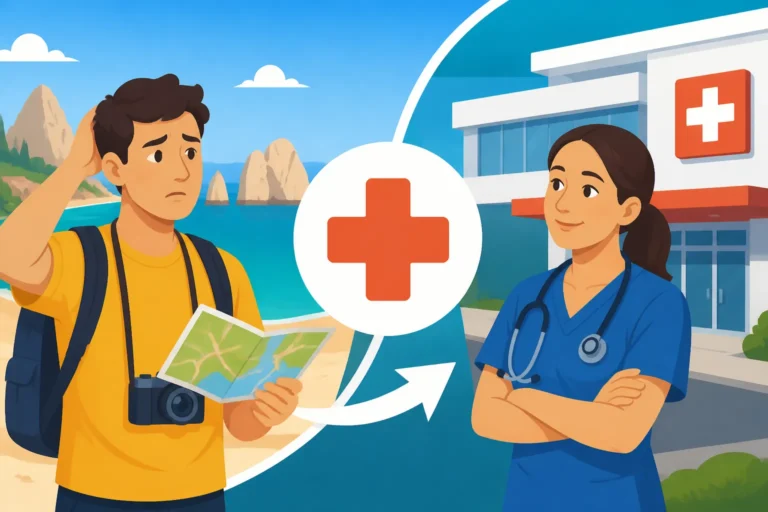
The administrative hurdles you face when you first move to Cyprus, especially concerning healthcare, can be truly overwhelming. Many of us have been there, desperately trying to figure out how to see a doctor when you’re not feeling well, only to hit a wall of unfamiliar procedures. When you’re feeling under the weather, the last thing you want is to navigate a new system in person. This guide is here to unravel the truth about telehealth appointments in Cyprus, explaining how you can access virtual consultations through both the public and private sectors, and what you should expect from this increasingly convenient medical service.
The Evolving Landscape of Telehealth in Cyprus
Let's be honest, for a long time, the idea of seeing a doctor without actually going to a clinic felt like something out of a science fiction movie here in Cyprus. But just like many other places around the world, the pandemic accelerated the adoption of telehealth, or telemedicine as some prefer to call it. Now, it's becoming a more common and accepted part of the healthcare system, offering a lifeline for expats who sometimes struggle with transport, busy schedules, or even just finding an English-speaking doctor nearby.
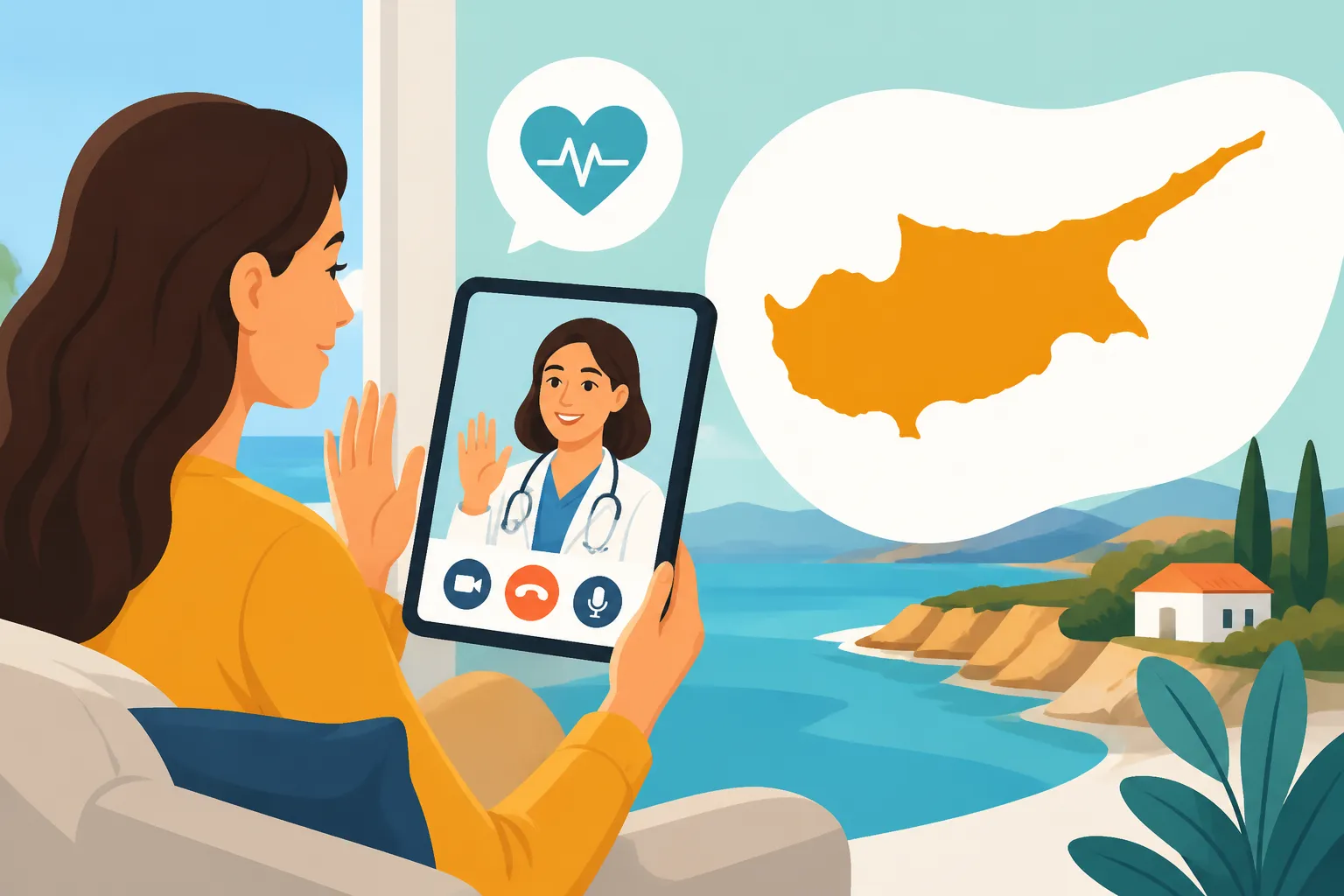
Telehealth, at its core, simply means receiving healthcare services remotely using technology. This can range from a quick phone call with your GP to a video consultation with a specialist, or even remote monitoring for chronic conditions. For us expats, it’s a game-changer. Imagine waking up with a sore throat but not having to take half a day off work, battle traffic, and find parking just to get a diagnosis and a prescription. That's the promise of telehealth. While it's still evolving, many doctors and clinics across the island, especially in larger cities like Limassol and Nicosia, are increasingly offering these virtual services. It’s not just for general consultations; some specialists, particularly in mental health, dermatology, or follow-up appointments, have found remote consultations incredibly effective.
How to Access Telehealth Appointments in Cyprus
Navigating the Cypriot healthcare system can feel like deciphering an ancient scroll, and adding a new concept like telehealth into the mix can make it even more daunting. But don't worry, whether you're under the national GeSY system or relying on private care, there are pathways to access virtual appointments.
Through the GeSY System
The General Healthcare System, or GeSY, is Cyprus’s universal healthcare plan, and it's slowly but surely incorporating telehealth services. While it might not be as widespread or explicitly advertised as private options, your personal doctor (GP) registered with GeSY is often your first point of contact for anything medical, and increasingly, they might offer phone or video consultations.
Typically, if you're feeling unwell and believe a physical examination isn't immediately necessary, you can contact your registered GeSY Personal Doctor (GP). Don't just show up, always call first! Explain your symptoms and ask if a telehealth appointment, either by phone or video call, is an option. Many GPs are open to this, especially for follow-up questions, prescription renewals for existing conditions, or initial assessments of minor ailments. They might ask you to send photos if it’s a skin issue, or simply discuss your symptoms over the phone to determine if an in-person visit is needed or if they can issue an electronic prescription directly to your preferred pharmacy. Remember, you'll still pay the standard GeSY co-payment, typically a small fee, for these consultations, just as you would for an in-person visit. The key is establishing that initial relationship with your GP by knowing How to Register for GeSY (General Healthcare System) in Cyprus (2027) and then specifically asking about their telehealth capabilities.
It's important to understand that GeSY's primary focus is still traditional in-person care. Telehealth under GeSY tends to be more at the discretion of individual doctors and for specific, simpler cases. You might not find a dedicated "telehealth portal" for GeSY, but rather an agreement with your personal doctor directly. For more complex issues or specialist referrals, an in-person visit will almost certainly be required.
Through Private Clinics and Doctors
For those who prefer private healthcare, either because they're not eligible for GeSY, are waiting for registration, or simply want more flexibility and choice, telehealth options are generally more prevalent and streamlined. Private clinics and individual doctors often advertise their virtual consultation services more openly.
You'll find that many private GPs and specialists, particularly those catering to the international community in cities like Limassol and Nicosia, have embraced telehealth enthusiastically. They understand the demand for convenience and English-speaking services. To find a private doctor offering telehealth, you can start by checking the websites of reputable private clinics, or simply by searching online for "English-speaking doctors in Limassol with telehealth" or similar queries for your area. Many will have online booking systems where you can specifically choose a "video consultation" or "phone consultation" option.
Payment for private telehealth appointments is straightforward. If you have private health insurance, like a comprehensive plan from providers that cover private care in Cyprus or even international travel insurance like SafetyWing (which might cover emergency telehealth while you’re travelling, or private doctor visits depending on your plan), you’ll typically pay upfront and then submit a claim for reimbursement. It's crucial to check your policy details beforehand to understand what's covered for remote consultations. For those without private insurance, you'll pay out-of-pocket, and costs can vary significantly depending on the doctor's specialty and clinic. It's always best to ask about fees upfront. The ability to use private hospitals and clinics in Cyprus for telehealth offers a valuable alternative, especially if you're dealing with issues that require quick consultation without the commute.
Benefits and Limitations of Telehealth for Expats
While telehealth can feel like a godsend, especially when you're adapting to a new country, it's not a one-size-fits-all solution. It comes with its own set of advantages and, crucially, limitations that expats need to understand.
Advantages of Remote Consultations
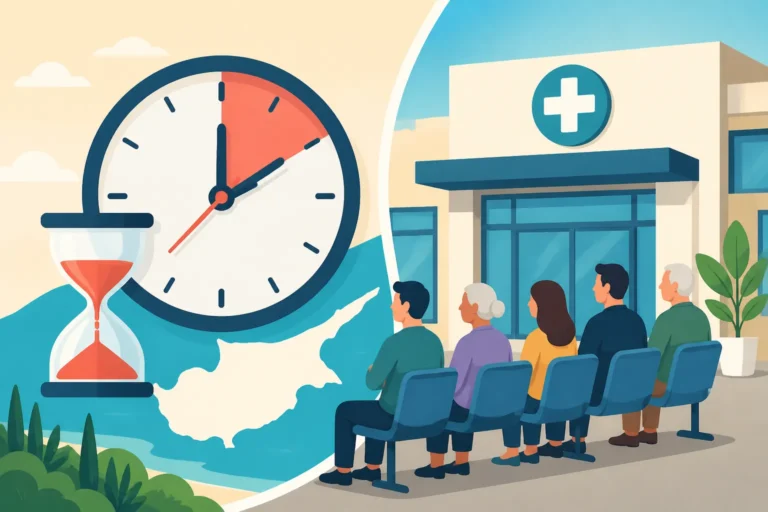
The benefits of telehealth for expats in Cyprus are numerous and often deeply appreciated. For starters, convenience is king. Many of us live in areas where accessing clinics, especially specialist ones, requires a car journey, sometimes a significant one. If you're living in a more rural village, or even a bustling city without easy parking, the thought of saving travel time and hassle is immensely appealing. Imagine a busy working parent who can fit a quick doctor's call during a lunch break instead of losing half a day from work.
Another major plus is accessibility to specialists. Sometimes, getting a referral to a specific specialist through GeSY can involve waiting times, and locating one who speaks your native language (often English) can be tricky. Telehealth expands your options, allowing you to connect with a wider pool of private practitioners across the island, or even internationally, without geographical constraints. This is particularly valuable for mental health services, where finding an English-speaking therapist or psychiatrist is paramount. The discreet nature of online consultations can also make it easier for individuals to seek help for sensitive issues, reducing potential discomfort associated with in-person visits. Furthermore, for those with mobility issues or chronic conditions, regular check-ups become far less burdensome.
When Telehealth Might Not Be Suitable
However, it's vital to be realistic about telehealth's limitations. The most obvious drawback is the lack of physical examination. A doctor cannot listen to your lungs, check your blood pressure, palpate your abdomen, or properly examine a rash over a video call. For new symptoms, complex diagnoses, or anything requiring direct physical assessment, an in-person visit is non-negotiable. If you're suffering from acute pain, a suspected infection requiring tests, or have concerning physical symptoms, a virtual appointment might only serve as a preliminary screening before you're advised to come in.
Crucially, telehealth is not for emergencies. If you suspect a heart attack, stroke, severe injury, or any life-threatening condition, do not attempt a telehealth appointment. Your immediate action should be to call 112 for emergency medical services. Knowing what to do in such situations is critical, and you can learn more by reading about Emergency Medical Care in Cyprus: What Every Expat Needs to Know. Additionally, certain prescription medications, particularly controlled substances, often cannot be prescribed remotely without an initial in-person assessment. Finally, while technology is great, it's not always foolproof. Technical glitches, poor internet connections, or unfamiliarity with video platforms can disrupt your appointment and add to your stress.
To help you weigh your options, here's a quick comparison:
| Feature | GeSY Telehealth (GP-Dependent) | Private Telehealth (Widely Offered) |
|---|---|---|
| Availability | Growing, at GP's discretion, primarily for existing patients | Widely available, often explicitly advertised |
| Cost | Standard GeSY co-payment (small fee) | Varies by doctor/clinic, often higher; covered by private insurance |
| Booking | Directly with your GeSY GP, usually by phone | Online booking, direct phone, often more structured |
| Types of Consultations | Minor ailments, follow-ups, prescription renewals | Wider range: GPs, specialists (dermatology, mental health), follow-ups |
| Language Support | Dependent on your chosen GeSY GP's language abilities | Often explicitly caters to English speakers |
| Insurance Coverage | Covered by GeSY contributions | Covered by private health insurance (e.g., SafetyWing, depending on plan type) or out-of-pocket |
| Referrals | Only by your GeSY GP for specialists | Direct access to specialists often without prior referral |
Practical Tips for Your Telehealth Appointment
Successfully navigating a telehealth appointment, whether it’s your first or your tenth, requires a bit of preparation. Taking a few simple steps beforehand can make all the difference, ensuring you get the most out of your virtual consultation and avoid unnecessary frustration.
Preparing for Your Virtual Visit
Before your scheduled virtual appointment, think of it as preparing for an in-person visit, but with a digital twist. First and foremost, ensure you have a stable internet connection and a quiet, private space where you won't be interrupted. This is crucial for clear communication and to maintain confidentiality. Nobody wants their neighbour hearing about their fungal infection, right? Test your camera and microphone beforehand if it's a video call.
Gather all relevant information. Have your GeSY number or private health insurance details (including policy number, if applicable, especially if you're relying on a provider like SafetyWing) readily available. List down your symptoms: when they started, how severe they are, what makes them better or worse, and any over-the-counter medications you've taken. It's also helpful to have a complete list of your current medications, including dosages, and any known allergies. If you have any recent blood test results or medical reports that are pertinent, have them open on your screen or printed out to refer to. Finally, prepare a list of questions you want to ask the doctor. It’s easy to forget things once you’re speaking with a medical professional, and a list ensures you cover all your concerns. For general guidance on accessing care, you might find our guide on Navigating the Cypriot Healthcare System: An Expat's Roadmap (2027) useful.
Post-Appointment Steps
Once your telehealth appointment is complete, the process isn't quite over. Make sure you clearly understand the doctor's instructions regarding diagnosis, treatment plan, and follow-up. If a prescription was issued, clarify how you will receive it. In Cyprus, prescriptions are often electronic, linked to your GeSY number or sent directly to your phone, which you then present at any pharmacy. Understanding Prescription Medications and Pharmacies in Cyprus: The Complete Guide will be key here.
If the doctor recommended any tests, like blood work or imaging, ensure you know where and how to get them done. They might provide an electronic referral. For private appointments, ask about the billing process and how to submit a claim to your private insurance, if applicable. Keep a record of your appointment details, any diagnoses, and treatment plans. If a follow-up appointment is needed, clarify if that will also be virtual or in-person. Sometimes, even if the initial consultation was remote, the doctor might require an in-person follow-up to monitor progress or perform a physical check-up. Knowing how to choose between public and private options is also part of a good healthcare strategy, as discussed in Public vs Private Healthcare in Cyprus: Which Should Expats Choose?.
Telehealth in Cyprus, while still finding its full stride, offers a valuable and convenient option for many expats. It’s not a magic bullet for all medical needs, but for the right situations, it can significantly ease the burden of accessing healthcare.
Disclaimer
The information provided in this guide is for general informational purposes only and does not constitute medical, legal, or professional advice. While we strive to provide accurate and up-to-date information, healthcare policies and availability can change. Always consult with a qualified healthcare professional or relevant authorities for specific advice regarding your personal situation in Cyprus.