Can Tourists Access Emergency Care in Cyprus?
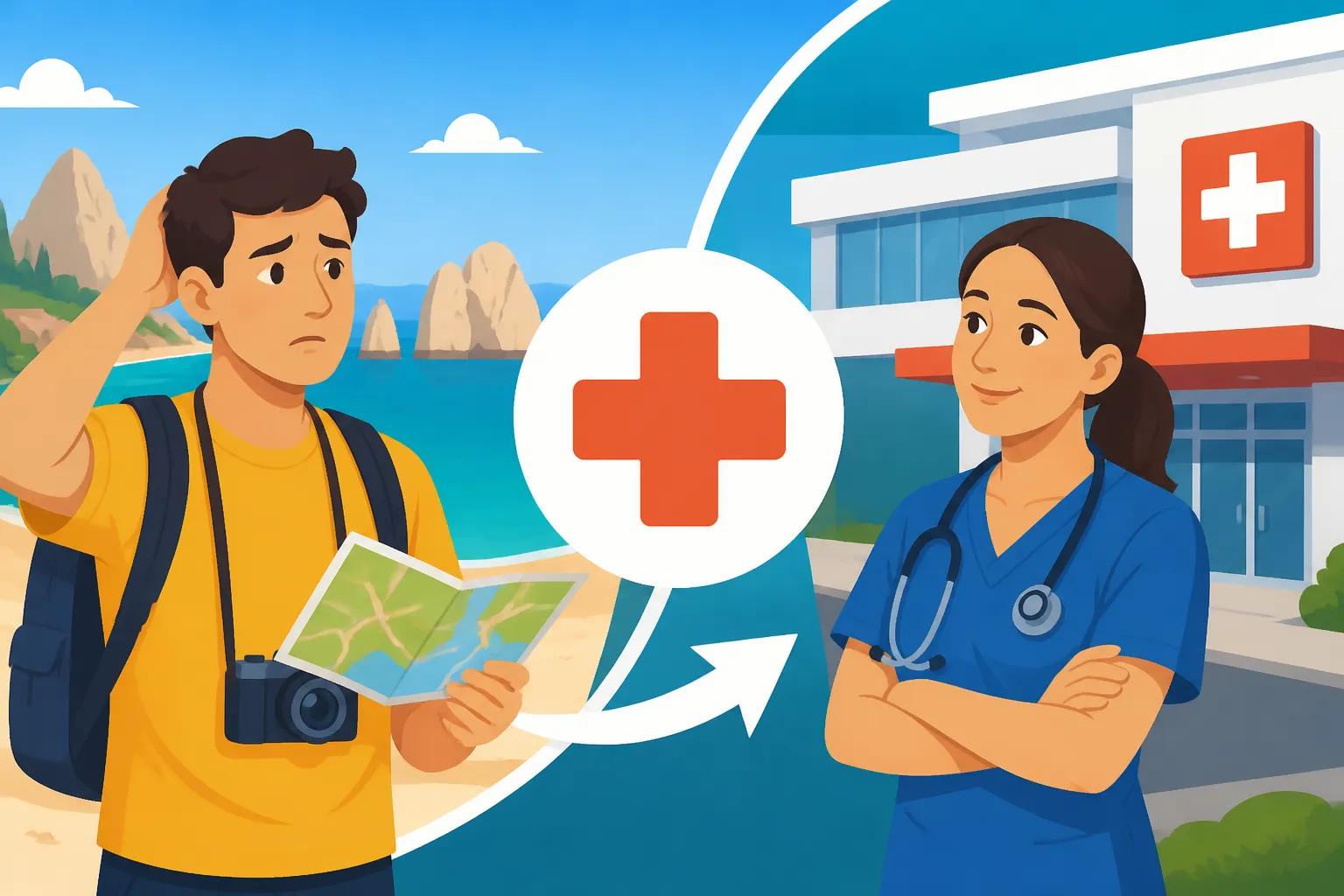
Getting sick or having an accident while on holiday is one of those nightmares nobody wants to think about, especially when you're in a foreign country like beautiful Cyprus. The last thing you need when you're supposed to be relaxing by the Med is a medical emergency, but if the unexpected happens, knowing exactly where to go and what to expect can make all the difference. This guide will walk you through accessing emergency medical care in Cyprus as a tourist, demystifying the process and hopefully easing some of those immediate anxieties.
Understanding What Constitutes a True Emergency in Cyprus
Let's be real, when you're away from home, every sniffle or twisted ankle can feel like a crisis. But in Cyprus, just like in many countries, it's really important to distinguish between a true life-threatening emergency and an urgent but non-critical medical need. Hospitals here, particularly the public ones, are designed to handle the most serious cases, and turning up with a minor ailment will not only mean you'll wait for hours but could also divert resources from someone in genuine peril.
Imagine this scenario: you're enjoying a lovely evening meal in Limassol, and suddenly your chest tightens, you feel a crushing pain, and your arm goes numb. This is a classic example of a life-threatening emergency where you absolutely need an ambulance immediately. The national emergency number for Cyprus is 112, and it covers medical emergencies, fire, and police. When you call, be prepared to give your exact location, what happened, and any relevant details about the patient. The operators generally speak English, which is a huge relief when you're in a panic. You can find out more specific information about this by reading our guide on Understanding Emergency Numbers (112) and Ambulance Care in Cyprus.
On the other hand, if you've got a persistent cough, a bad sunburn, or a minor cut that needs dressing, these are urgent needs but not emergencies. For these situations, you're much better off heading to a walk-in clinic, a local pharmacy (pharmacists here are incredibly knowledgeable and can often offer advice or recommend over-the-counter remedies), or even a private GP if you can get an appointment quickly. Public hospital Accident & Emergency departments are typically swamped, and you'll find yourself waiting behind people with broken bones or heart attacks, which isn't ideal for anyone.
Navigating Emergency Services: Public vs. Private Hospitals
Cyprus offers a dual healthcare system, meaning you have both public and private options, and this applies to emergency care too. As a tourist, particularly if you’re from a non-EU country and not covered by GeSY, the differences can impact your experience significantly.
Public Hospitals and Their Emergency Departments
The public hospitals in Cyprus, such as Nicosia General Hospital, Limassol General Hospital, or Paphos General Hospital, are part of the state-run healthcare system. For tourists, these are generally the default option if you're brought in by ambulance or if you walk in without prior research.
What to Expect:
- Facilities: Public hospitals have the necessary equipment and medical staff to handle all kinds of emergencies. However, the facilities might feel a bit dated compared to what you're used to in some other Western countries. Don't expect luxurious waiting rooms or private bays.
- Waiting Times: Be prepared for potentially long waiting times, especially during peak hours or if your condition is deemed non-life-threatening. If you’re not bleeding profusely or unconscious, you will be triaged and likely wait. This is a common frustration, and it's something many expats and tourists alike grumble about when discussing The Complete Guide to Healthcare in Cyprus for Expats (2027).
- Staff and Language: Most doctors and many nurses, especially younger ones, will speak a good level of English. However, there might be situations where communication is a bit challenging, particularly with administrative staff or older nurses. Having a translation app or a kind local with you can be very helpful.
- Cost: Unlike EU citizens with an EHIC card, non-EU tourists are generally not covered for free emergency care in public hospitals. You will be charged for services rendered, including consultations, tests, procedures, and medication. These costs, while usually lower than private hospitals, can still add up quickly.
Private Hospitals and Polyclinics for Urgent Needs
If you have travel insurance or are prepared to pay out of pocket for faster, more comfortable service, private hospitals and polyclinics are an excellent alternative. Cyprus has several reputable private hospitals with modern facilities and highly skilled, often internationally trained, medical professionals.
What to Expect:
- Facilities: Private hospitals like Ygeia Polyclinic in Limassol, American Medical Center in Nicosia, or Evangelismos Hospital in Paphos typically boast more modern facilities, shorter waiting times, and a higher level of comfort. You might find more private rooms and amenities.
- Waiting Times: This is usually the biggest draw. You’ll likely be seen much quicker in a private emergency department or urgent care clinic.
- Staff and Language: English is almost universally spoken by medical staff in private healthcare settings. This significantly reduces stress and ensures clear communication about your condition and treatment options. If you're looking for English-speaking professionals, our guide on How to Find an English-Speaking Doctor in Cyprus might also be useful for non-emergency situations.
- Cost: This is where the price tag comes in. Private care is significantly more expensive than public care. You will almost certainly need to pay upfront for services, though you can then claim reimbursement from your travel insurance provider. For a deeper dive into the financial aspects, check out The Cost of Healthcare in Cyprus: A Complete Breakdown for Foreigners (2026).
Here's a quick comparison to help you decide in a pinch:
| Emergency Service Type | Primary User | Average Wait Time | English Speaking Staff | Approximate Cost for Tourists (Non-EU) | Notes |
|---|---|---|---|---|---|
| Ambulance (112) | Life-threatening emergencies | N/A (response time) | Generally good | Potentially chargeable (e.g., ~€100-€300 depending on distance/service) | Essential for severe cases. Call first. |
| Public Hospital A&E | Severe, urgent conditions | Long (2-6+ hours) | Varies, often good with doctors | Moderate (consultation ~€15-€30, tests/treatment extra) | Expect basic facilities, bureaucracy. |
| Private Hospital A&E | Urgent, non-life-threatening conditions; serious emergencies (if self-transporting) | Short (30 mins – 2 hours) | Excellent | High (consultation ~€50-€100+, tests/treatment significantly more) | Modern facilities, focus on patient comfort. |
| Walk-in Clinic/GP | Minor illnesses, non-emergencies | Short (0-1 hour) | Excellent in tourist areas | Low to Moderate (GP visit ~€30-€60) | Not equipped for true emergencies. |
The Reality of Costs and Your Wallet
Let's not sugarcoat it: unexpected medical bills abroad can sting. As a tourist in Cyprus, you’re generally responsible for the full cost of any medical care you receive, unless you have specific insurance or an EHIC (if you’re an EU citizen).
Public Sector Costs for Tourists
Even in public hospitals, basic services are not free for non-EU tourists. You'll typically pay a small fee for the initial consultation at the A&E. Then, any diagnostic tests (blood work, X-rays, scans), procedures, or medications will be charged separately. For instance, a basic blood test might be €10-€20, an X-ray could be €30-€50, and a consultation could be €15-€30. While these individual fees might seem low, they accumulate rapidly, especially if you require admission or more complex treatment. Our previous guide, How Do I Pay for a Doctor Visit in Cyprus?, offers more general payment advice that can be applied to these situations.
Private Sector Costs
This is where costs can really escalate. A consultation in a private emergency room could set you back €50-€100 just to be seen. If you need an MRI scan, that could easily be €300-€500 or more. Surgical procedures, hospital stays, and specialist consultations will run into the thousands. It’s not uncommon for a short private hospital stay for something like appendicitis to easily reach €3,000-€5,000 or even higher without insurance. This is why understanding How to Use Private Hospitals and Clinics in Cyprus is so important, especially regarding their billing practices.
The Crucial Role of Travel Insurance
I cannot stress this enough: travel insurance is not a luxury, it's a necessity when visiting Cyprus. This is your safety net. Before you even set foot on the island, ensure you have comprehensive travel insurance that covers medical emergencies, hospitalisation, and repatriation.
Imagine a scenario: you slip by the pool, break your leg, and need surgery and a several-day hospital stay. Without insurance, you could be looking at a bill of many thousands of euros. This is precisely the kind of unexpected expense that travel insurance, like that offered by companies such as SafetyWing, is designed to cover. Many digital nomads and long-term travellers I know swear by flexible options like SafetyWing because it provides robust medical coverage at a reasonable price, even allowing you to start your policy after you’ve already begun your trip in some cases (though it’s always best to get it before you travel!).
When choosing your insurance, look for policies that explicitly state:
- Emergency medical treatment: Covering doctor visits, hospital stays, and emergency procedures.
- Medical evacuation: Crucial if you need to be transferred to a more equipped facility or back to your home country.
- Repatriation of remains: Grim to think about, but vital coverage.
- Coverage limits: Make sure the limits are high enough to cover significant medical events in a country like Cyprus.
- Direct billing or reimbursement process: Understand how to make a claim. Some providers, like SafetyWing, have clear processes for this. Keep all receipts and medical reports.
Having a solid policy from a reputable provider like SafetyWing means you can focus on getting better, not on crippling medical debt. This is even more important for situations that aren't strictly "emergency" but are urgent, like an acute infection requiring antibiotics, where costs can still accumulate.
Essential Preparation and Proactive Steps for Tourists
Being prepared can significantly reduce stress and streamline the process if a medical emergency arises during your Cyprus holiday.
Before You Travel
- Get Comprehensive Travel Insurance: As discussed, this is non-negotiable. Research providers like SafetyWing and read the fine print carefully. Understand what's covered, what isn't, and the claims process.
- Consult Your Doctor: If you have pre-existing conditions, talk to your doctor about your travel plans. Ensure your conditions are stable and that you have an adequate supply of any necessary prescription medications. Also, verify that your travel insurance covers any pre-existing conditions.
- Pack a Basic Medical Kit: Include essentials like pain relievers, bandages, antiseptic wipes, any personal prescription meds (with a copy of your prescription), allergy medication, and motion sickness tablets. Our article on Prescription Medications and Pharmacies in Cyprus: The Complete Guide offers more on local pharmacy access.
- Know Your Medical History: Have a brief summary of your medical history, including allergies, current medications, and any chronic conditions, written down or on your phone in English.
During Your Trip
- Keep Important Documents Handy: Always carry your passport, a copy of your travel insurance policy (or at least the policy number and emergency contact), and your emergency contact information. If you're an EU citizen, also keep your EHIC card with you.
- Locate Nearest Medical Facilities: When you arrive at your accommodation, take a moment to note the location of the nearest hospital (public or private), pharmacy, and walk-in clinic. Knowing What Should I Do in a Medical Emergency in Limassol? or any other specific city, can be a game-changer.
- Stay Hydrated and Safe: Cyprus can get incredibly hot, especially in summer. Drink plenty of water, use sunscreen, and be mindful of your surroundings, particularly if engaging in adventurous activities.
- Language Barrier: While English is widely spoken in tourist areas and private medical facilities, knowing a few basic Greek phrases for "help," "doctor," or "pain" can be useful. A translation app on your phone can also be a lifesaver.
By taking these proactive steps and understanding the nuances of emergency care in Cyprus, you can ensure that even if the unforeseen happens, you’re as prepared as possible to handle it, allowing you to get back to enjoying your time on this beautiful island.
Disclaimer
Please note that this information is intended for general guidance only and is subject to change. While we strive to provide accurate and up-to-date information, individual circumstances may vary. Always consult with a qualified medical professional or your insurance provider for advice tailored to your specific situation.