How to Handle a Medical Emergency While Travelling from Cyprus
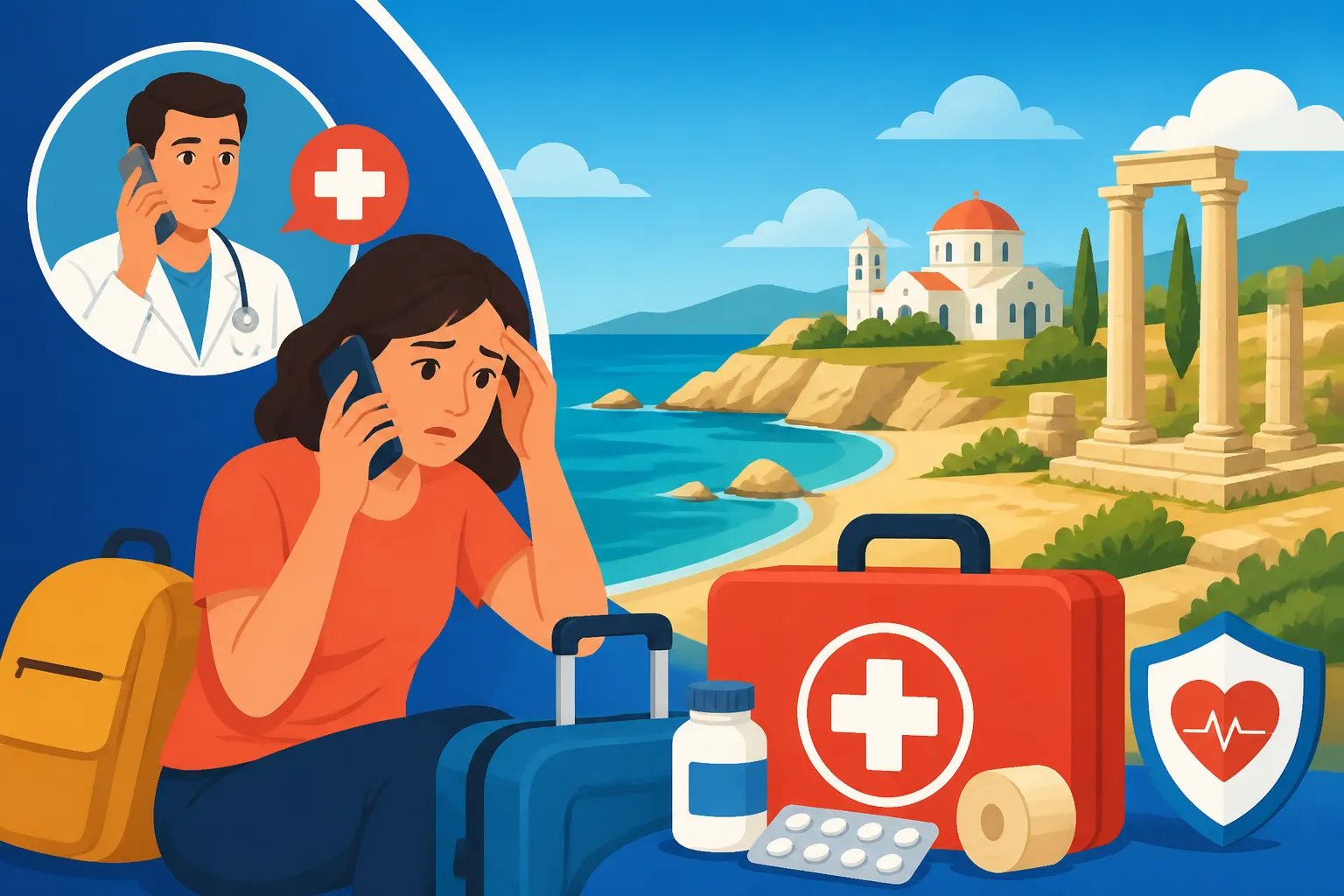
One of the most unsettling realities for any expat is the thought of a medical emergency, especially when you’re away from your adopted home in Cyprus and travelling to a completely unfamiliar country. While you might be comfortable with how things work here on the island, the moment you step off that plane, your usual safety net can feel like it's vanished. This guide is here to walk you through exactly what you need to know and do to prepare for and handle a medical emergency when you’re travelling from Cyprus, ensuring you're as protected as possible no matter where your adventures take you.
The Harsh Realities of Medical Emergencies Abroad
Let's be brutally honest for a moment. We all hope for smooth sailing when we travel, especially from a lovely base like Cyprus. But life has a way of throwing curveballs, and medical emergencies abroad are one of the most stressful and potentially ruinous. Understanding the unique challenges involved is the first step towards adequately preparing for them.
Why Your Cypriot Coverage May Not Follow You
Many expats in Cyprus rely on the General Healthcare System (GeSY) for their medical needs. It's a fantastic system, offering comprehensive care right here on the island, and we've all become quite accustomed to its benefits. However, here's a crucial point that often catches people off guard: GeSY generally does not cover you when you're outside of Cyprus. Think of it as a national healthcare system designed for national residents within national borders. While there are some very limited exceptions for urgent, unplanned medical care within the EU/EEA and Switzerland if you have a valid European Health Insurance Card (EHIC), it’s not a substitute for proper travel insurance. The EHIC only covers state-provided care, not private, and often only covers a portion of the costs, requiring you to pay upfront and seek reimbursement later.
Even if you have private health insurance in Cyprus, many local policies are also designed primarily for coverage within the Republic of Cyprus. They might offer some basic emergency travel cover, but it's usually minimal and comes with strict limitations, often excluding things like medical evacuation or repatriation, which are absolutely critical in a severe emergency. It’s easy to assume your existing health insurance in Cyprus is enough, but a quick review of your policy’s terms and conditions for international travel will often reveal significant gaps. Don't find out the hard way that your local policy isn't up to scratch when you're lying in a foreign hospital bed.
The Immediate Financial Hit
Medical emergencies, even seemingly minor ones, can quickly escalate into astronomical expenses when you’re abroad. We're talking about figures that can bankrupt families. A simple doctor's visit could be manageable, but imagine needing emergency surgery, intensive care, or even worse, medical evacuation back to Cyprus or your home country. These services are incredibly expensive, easily running into tens or even hundreds of thousands of euros. In many countries, especially outside the EU/EEA, hospitals won't even admit you or provide critical treatment without proof of funds or insurance, or they'll demand significant upfront payments.
Even within Europe, while the EHIC might cover some state-provided care, it definitely won't cover private clinics, specialist consultations, or any costs associated with bringing you back home. Ambulance services, especially air ambulances, are not included. Furthermore, if you need to extend your stay in a hotel due to recovery, or if a family member needs to fly out to be with you, these are all extra costs that quickly pile up. The financial burden can be overwhelming, adding immense stress to an already traumatic situation.
Language Barriers and Local Systems
Navigating a foreign medical system is a challenge at the best of times, but in an emergency, with pain, fear, and potentially a language barrier, it becomes exponentially more difficult. You might not understand the local medical terminology, the doctor's recommendations, or even how the billing system works. Trying to explain your symptoms or medical history through an interpreter, or relying on a doctor who might speak limited English (a common scenario outside major tourist hubs), can lead to misunderstandings and delays in critical care.
The standard operating procedures in a foreign hospital might also be very different from what you're used to in Cyprus or your home country. Appointment systems, specialist referrals, pharmacy access, and even the approach to patient care can vary dramatically. This isn't about one system being 'better' than another, but about the inherent difficulty of navigating the unknown when you're at your most vulnerable. Having a robust travel insurance policy often means you have access to a 24/7 assistance line with multilingual staff who can help bridge these communication gaps and guide you through the local system.
Essential Pre-Departure Preparations from Cyprus
The key to handling any emergency is preparation, and medical emergencies while travelling from Cyprus are no exception. A little foresight and organisation before you even step foot on the plane can make all the difference between a minor hiccup and a full-blown disaster.
Comprehensive Travel Insurance: Your Lifeline
This is not an optional extra; it is a non-negotiable must-have for every single trip you take from Cyprus. We're not talking about the flimsy basic insurance that comes with some credit cards – we're talking about comprehensive travel insurance that explicitly covers emergency medical expenses, medical evacuation, and repatriation. Seriously, scrimp on a souvenir, not on this. Look for policies that offer 24/7 emergency assistance, as this is where the real value lies. When you're in distress, you need someone on the end of the line who speaks your language and can coordinate with medical providers.
When selecting a policy, pay close attention to the coverage limits for medical expenses. High limits are crucial. Also, check for specific inclusions like emergency dental treatment, trip interruption/cancellation, and personal liability. For expats, providers like SafetyWing are particularly popular because they understand the unique needs of those living abroad, offering flexible plans that can cover travel worldwide, even back to your home country. They're designed with digital nomads and long-term travellers in mind, meaning their coverage often extends beyond the typical short-trip policies you might find. Don't forget to look into whether they cover adventurous activities if you plan any adrenaline-fueled holidays! This thorough approach is far superior to simply hoping your existing health insurance in Cyprus will cover you.
Documents to Carry Digitally and Physically
In the event of a medical emergency, scrambling for documents is the last thing you want to be doing. Create a medical emergency pack, both physical and digital. Physically, carry a small card in your wallet with your name, any serious allergies, blood type, emergency contact numbers (including your travel insurance 24/7 hotline and policy number), and a note about any critical medications you take. Keep a copy of your passport or ID, and your travel insurance policy details (summary and full document) with you.
Digitally, store scanned copies of all these documents on your phone (password-protected, of course), in a cloud service, and email them to a trusted family member or friend. This includes your passport, visa, flight details, travel insurance policy, and importantly, a list of your current medications (generic names are best), dosages, and any significant medical conditions or allergies. If you have an EHIC, make sure to carry that too, even if it's just a supplementary measure. Having What Documents Do I Need to See a Doctor in Cyprus? might seem familiar, but abroad, the requirements can be different and more demanding.
Researching Your Destination's Emergency Services
Before you travel, take a few minutes to research the emergency services in your destination. What's the local emergency number? It’s often not 112 like in Cyprus, or 999/911. Knowing the correct number can save precious minutes. Identify the location of major hospitals or English-speaking clinics near your accommodation. A quick search on Google Maps for "hospital near [your hotel name]" can provide peace of mind.
Understand a little about the local healthcare system too. Is it primarily public or private? Do doctors generally speak English? Are pharmacies readily available? This isn't about becoming an expert, but having a basic understanding helps you know what to expect. For instance, in some countries, you might be expected to go directly to a private clinic for anything non-life-threatening, rather than a hospital emergency room, and knowing this beforehand can save you time and confusion when you're feeling unwell.
What to Do When a Medical Emergency Strikes Abroad
Alright, so you’ve done all your prep work, but now you're faced with the actual situation. Panic can easily set in, but remember your preparation. Take a deep breath. Here’s a step-by-step approach to help you manage the immediate aftermath of a medical emergency.
Prioritise Immediate Safety and Seek Help
First and foremost, assess the immediate danger. If you or someone with you is in immediate, life-threatening peril, call the local emergency number immediately. Don't hesitate. Don't worry about insurance at this stage; get help. State clearly what has happened, your location, and the nature of the emergency. If you're with someone, ask them to make the call or communicate on your behalf. Remember that knowing Understanding Emergency Numbers (112) and Ambulance Care in Cyprus is helpful for home, but abroad, you need the local equivalent.
Once emergency services are on their way, try to keep the affected person as comfortable and safe as possible. If you have any basic first aid knowledge, apply it. If conscious, try to provide them with reassuring words. If you can, discreetly gather any essential documents (like your emergency card) that might be needed by paramedics or hospital staff once they arrive.
Contacting Your Travel Insurance Provider
This step is absolutely critical, and ideally, it should happen as soon as possible after the initial emergency response. Once the immediate danger is addressed and medical professionals are involved, your next call should be to your travel insurance’s 24/7 emergency assistance line. This number should be prominently displayed on your insurance card and policy documents. Do not delay this call. Many policies have clauses stating that you must contact them within a certain timeframe or before receiving certain treatments for full coverage.
When you call, be prepared to provide:
- Your policy number and personal details.
- A clear description of what happened, when, and where.
- The current medical status of the patient.
- The name and contact details of the hospital or clinic where treatment is being received.
- Any medical reports or diagnoses you might already have.
Your insurance provider's assistance team is there to help. They can often communicate directly with the local medical staff, arrange for guarantee of payment (so you don't have to pay large sums upfront), provide medical advice, coordinate with family members, and even arrange for medical evacuation if necessary. This is where a company like SafetyWing really earns its keep, providing that crucial support and coordination when you're most vulnerable. Don't try to manage complex medical situations and financial arrangements on your own in a foreign country; that's what your travel insurance is for.
Navigating Hospitals and Medical Facilities
Once you're at a hospital or clinic, whether it's public or private, be prepared for potential administrative hurdles. In many countries, you might be asked for payment upfront, even if you have insurance. This is why having funds available, whether on a credit card with a high limit or access to emergency cash, is important. Your travel insurance provider might be able to arrange direct billing, but this isn't always immediate or possible everywhere.
Make sure you understand the treatment plan. Don't be afraid to ask questions, and if there's a language barrier, request an interpreter (your insurance provider can often assist with this). Keep a detailed record of all treatments, medications, and consultations. Request copies of all medical reports, receipts, and invoices. These documents are vital for any future insurance claims and for your follow-up care once you return to Cyprus. It might feel like a lot to manage when you're unwell, but maintaining meticulous records from the start will save you a huge headache later on.
Understanding Repatriation and Follow-Up Care
The immediate crisis might pass, but the journey to full recovery often involves returning home. This brings with it another set of complexities, especially regarding medical repatriation and ensuring continuous care.
Medical Repatriation: Getting You Home Safely
One of the most valuable, yet often overlooked, aspects of comprehensive travel insurance is medical repatriation. If you're seriously ill or injured abroad and stable enough to travel, your insurance company can arrange for your safe return to Cyprus or your home country. This isn't just a standard flight; it could involve a medically equipped air ambulance, a commercial flight with medical escort, or specialised ground transportation. The costs for such services are staggering – easily tens of thousands of euros – which is why robust travel insurance is essential. Without it, you'd be looking at an impossible bill.
Your insurance provider's medical team will assess your condition and determine the safest and most appropriate method of transport. They will handle all the logistics, from booking the transport to coordinating with medical teams at both ends. It’s a complex process that requires expertise and resources, reinforcing why generic insurance or an EHIC just won't cut it for serious emergencies. When you're stuck in a hospital in a far-off land, the thought of getting back to familiar surroundings, family, and your chosen medical care in Cyprus can be a huge source of comfort and motivation for recovery.
Post-Emergency Care Back in Cyprus
Once you're back in Cyprus, the next step is to seamlessly transition into follow-up care. If you're a GeSY member, you'll want to contact your personal doctor (GP) as soon as possible to arrange an appointment. Provide them with all the medical reports, discharge summaries, and test results from your treatment abroad. Your GP will then be able to assess your condition and refer you to specialists within the GeSY system if needed. For more details on this, you can check out our guide on Registering with a Personal Doctor (GP) in Cyprus: The Complete Expat Guide (2027).
If you have private insurance in Cyprus, follow their procedures for post-emergency care. This might involve seeing a private specialist or arranging physiotherapy. Ensure you have all the documentation from your overseas treatment to avoid delays and ensure continuity of care. The good news is that once you’re back on Cypriot soil, you’ll be dealing with a system you understand, which is a massive relief after a foreign medical ordeal. For a deeper dive into the system, read How Cyprus's Health System Works: GeSY vs Private Explained (2027).
Claiming Reimbursement for Expenses
Ah, the paperwork! Even with the most organised insurance company, there will likely be some out-of-pocket expenses you’ll need to claim back. Gather all original receipts, invoices, medical reports, and any correspondence you had with the hospital or your insurance provider. Create a clear, chronological log of all expenses and interactions.
Contact your travel insurance company again for specific instructions on how to file a claim. They will provide the necessary forms and outline the required supporting documents. Be meticulous and submit everything they ask for. It's often a time-consuming process, but thorough documentation significantly speeds it up. Remember that travel insurance often covers things your local Cypriot health insurance simply won't, especially for events that occur outside of the country, highlighting the importance of this separate coverage. If you’re used to navigating claims within Cyprus, you might find some differences, so it's worth checking our guide on How to Claim Reimbursement from Private Insurance in Cyprus for local context, but remember travel insurance claims are a distinct process.
Specific Scenarios and Considerations
Every medical emergency is unique, but some common scenarios and considerations pop up frequently for expats traveling from Cyprus. Being aware of these can help you better prepare and react.
Minor Illnesses vs. Major Emergencies
It's crucial to distinguish between a minor illness and a major emergency when you're abroad. For a headache, a cold, or a mild stomach upset, you might simply visit a local pharmacy (they can often offer good advice and over-the-counter remedies) or a walk-in clinic if available. Calling an ambulance for something minor is usually unnecessary and can incur significant costs if not covered by insurance. The threshold for what constitutes an "emergency" requiring immediate hospital attention or an ambulance can sometimes feel subjective, but generally, if it’s life-threatening, could cause permanent disability, or involves severe pain, it’s an emergency.
For anything that feels more serious than a common cold but not quite life-threatening, look for a local doctor’s office or a medical clinic. Your hotel reception or tour operator might be able to recommend one. Always keep receipts and medical notes, even for minor issues, as they might be needed for an insurance claim later, or to inform your doctor back in Cyprus.
Pre-Existing Conditions and Travel Insurance
This is a big one and a common pitfall for many travellers. If you have any pre-existing medical conditions (e.g., diabetes, heart conditions, asthma, high blood pressure, cancer, etc.), you must declare them to your travel insurance provider when you purchase the policy. Failing to do so can invalidate your entire policy, leaving you completely uncovered if the emergency is related to an undeclared condition. Insurers like SafetyWing often have clear guidelines for declaring pre-existing conditions, though coverage for these can be limited or excluded entirely, or come with a higher premium.
Even if a condition is stable, it needs to be declared. Some policies will cover acute exacerbations of pre-existing conditions, while others won't. Always read the fine print. It might mean a slightly higher premium, but that peace of mind is priceless. Imagine having a cardiac event related to an undeclared history of heart disease and finding out your expensive travel insurance is utterly useless. It’s a gamble not worth taking.
Travel with Dependents or Elderly Relatives
If you're travelling from Cyprus with children or elderly relatives, your preparation needs to be even more meticulous. Children, especially young ones, can become unwell very quickly, and language barriers can be particularly frightening for them. Ensure you have all their medical records, vaccination history (a copy of their 'red book' from Cyprus is a good idea), and any allergy information readily available. For the elderly, carry a list of all medications, dosages, and relevant medical history.
Consider extra coverage. Some travel insurance policies offer family plans, but ensure these adequately cover each individual's needs, especially if there are pre-existing conditions. For children, know the local paediatric emergency numbers or reputable children's hospitals. When you're focused on protecting vulnerable family members, having a clear plan and robust insurance, perhaps from a brand like SafetyWing that offers family-friendly options, can alleviate immense stress. We have a dedicated article on How to Add Dependents to Your Health Coverage in Cyprus which covers local additions, but when travelling, separate comprehensive travel insurance for each dependent is critical.
| Aspect | GeSY in Cyprus (Basic) | Cypriot Private Health Insurance (Local) | Comprehensive Travel Insurance (e.g., SafetyWing) |
|---|---|---|---|
| Coverage Location | Primarily Cyprus | Primarily Cyprus | Worldwide (check exclusions for certain countries) |
| Emergency Medical Abroad | Limited (EHIC in EU/EEA, but reimbursements, state hospitals only) | Often limited or basic emergency cover only | Extensive, high limits for emergency medical treatment |
| Medical Evacuation | Not covered | Generally not covered | Typically covered, often up to very high limits (e.g., €1,000,000 or more) |
| Medical Repatriation | Not covered | Generally not covered | Typically covered, often up to very high limits |
| Pre-Existing Conditions | Covered in Cyprus | May have specific exclusions or higher premiums | Must be declared; coverage varies, often limited or excluded, or costs extra |
| 24/7 Emergency Assistance | N/A | May offer limited assistance | Standard feature, multilingual staff, coordination with hospitals, direct billing support |
| Trip Interruption/Cancellation | Not covered | Not covered | Often included |
| Loss of Baggage/Documents | Not covered | Not covered | Often included |
| Primary Purpose | Healthcare for residents within Cyprus | Supplements GeSY, wider choice within Cyprus | Covers unforeseen events and medical emergencies while travelling outside your country of residence (Cyprus, for an expat) |
Disclaimer
The information provided in this guide is intended for general informational purposes only and does not constitute medical, legal, or financial advice. While we strive to provide accurate and up-to-date information for expats in Cyprus, situations can vary greatly based on individual circumstances, nationality, specific insurance policies, and the laws of the countries involved. Always consult with relevant professionals (e.g., insurance providers, medical doctors, legal advisors) for advice tailored to your specific needs before making any decisions related to your health, travel, or insurance.