Can I Get Cyprus Citizenship Through Marriage?
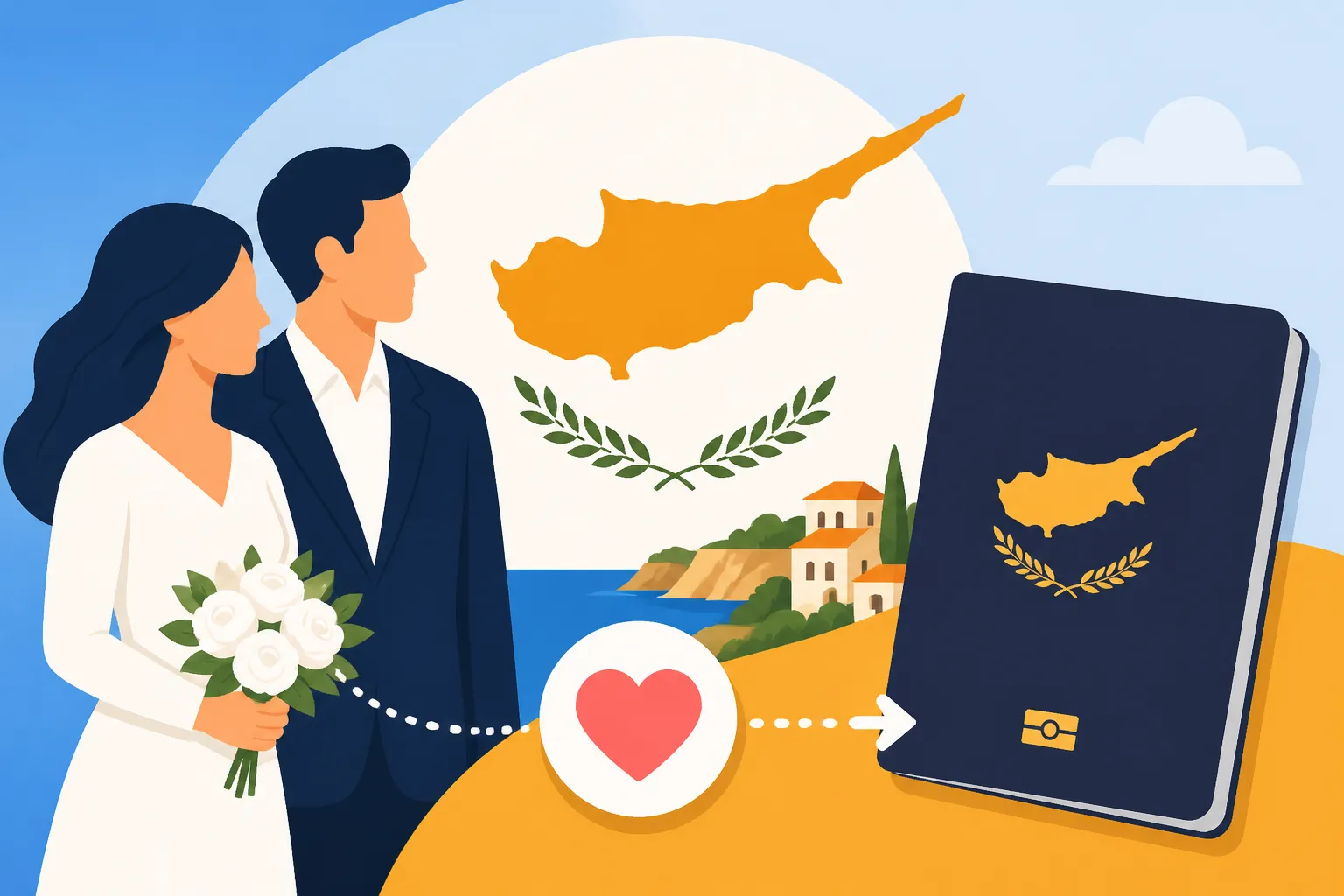
It’s a tale as old as time for many expats here on our beautiful island: you move to Cyprus, you fall in love, you build a life with someone special, and then, inevitably, you hit the bureaucratic wall. While the romance is easy, navigating the path to becoming a Cypriot citizen through marriage can feel like a labyrinth, riddled with questions and endless paperwork. This comprehensive guide is here to walk you through every step, validating your frustrations and providing a clear, realistic roadmap to understanding if and how you can achieve Cyprus citizenship through marriage.
The Foundations: Understanding Citizenship by Marriage in Cyprus
So, you've found your happily ever after with a Cypriot citizen – congratulations! It's a wonderful journey. But when it comes to citizenship, simply saying "I do" isn't the magic key that instantly unlocks a Cypriot passport. Cyprus, like most countries, has a very specific set of requirements and a well-defined process for granting citizenship based on marriage. It’s designed to ensure genuine connections and a commitment to the country, rather than being a mere shortcut.
The primary legal framework you'll be dealing with is the Civil Registry Law. This law dictates the conditions under which a foreign spouse of a Cypriot citizen can apply for naturalisation. The good news is that marriage to a Cypriot national does provide a pathway that is distinct from the general naturalisation route, which typically requires a longer period of continuous legal residency. However, it's not a 'fast track' by any stretch of the imagination, and it definitely requires patience and meticulous preparation. The authorities want to see not just a marriage certificate, but a true, established life together on the island. This can be a source of stress for many couples, as proving the "genuineness" of your love to a government official can feel incredibly intrusive and impersonal.
Eligibility Criteria for Spousal Citizenship
Before you even start compiling documents, you need to ensure you meet the fundamental eligibility criteria. This is where many hopeful applicants first encounter the detailed requirements, which can often feel a little overwhelming. The core elements revolve around the duration of your marriage, your residency in Cyprus, and the marital status of your Cypriot spouse.
Firstly, you must have been married to a Cypriot citizen for at least three years. This isn't just about the date on your marriage certificate; it's about the duration of your legal union. Secondly, and critically, you must have resided legally in Cyprus for at least two years prior to the date of your application. These two years of residency are crucial, and they need to be documented. This isn't just a casual visit; it means holding a valid residence permit, such as a Pink Slip or other appropriate permit, for that duration. This distinction is really important, as many expats might have been living here but not necessarily holding the correct residency status that counts towards citizenship. For more on initial residency, check out our guide on Understanding Residence Permits and the Pink Slip in Cyprus (2027).
Furthermore, at the time of application, you must still be married to the Cypriot citizen, and your Cypriot spouse must be alive. The law specifies that your spouse must be a Cypriot citizen for the entire duration of your marriage leading up to the application. If your spouse only obtained Cypriot citizenship shortly before your application, that earlier period of marriage might not count towards the three-year requirement. There are also circumstances where your Cypriot spouse might be residing abroad; in such cases, you might still apply, provided you have been residing in Cyprus for at least two years and the marriage is genuine. This specific nuance requires additional proof of an established family life and ties to Cyprus, even if one spouse is temporarily away.
The Application Process: Step-by-Step for Spouses
Okay, so you've ticked off the eligibility boxes. Now comes the exciting part: gathering all the paperwork and actually submitting your application. This phase is notorious for being a test of patience, organisation, and sometimes, your sanity. The Civil Registry and Migration Department (CRMD) is the key authority, and they demand a thorough submission. Think of it less as a simple form and more as building a comprehensive case file for your life together.
Required Documents and Forms
This is where the true administrative grind begins. The list of documents is extensive, and each one must be accurate, up-to-date, and often translated and apostilled. Do not underestimate this step; missing or incorrect documents are the number one reason for delays or outright rejections. It’s always a good idea to create a checklist and tick things off meticulously.
Here’s a breakdown of what you'll typically need:
- Application Form: The specific form for naturalisation due to marriage (usually Form M.125). Make sure it’s filled out completely, accurately, and signed.
- Passports: Your valid passport and your Cypriot spouse's valid passport. You'll need copies of all pages, not just the identity page, for both.
- Marriage Certificate: The original marriage certificate, officially translated into Greek or English and apostilled/certified if it's from abroad.
- Birth Certificates: Your original birth certificate and your Cypriot spouse's original birth certificate, similarly translated and apostilled.
- Clean Criminal Record Certificate: A certificate from your country of origin and any country you’ve resided in for more than six months, proving a clean criminal record. These also need to be recent (typically no older than six months) and apostilled.
- Evidence of Legal Residence: Copies of your residence permits (Pink Slip, Yellow Slip, etc.) covering your two years of legal residency in Cyprus. This shows you weren't just visiting but genuinely living here.
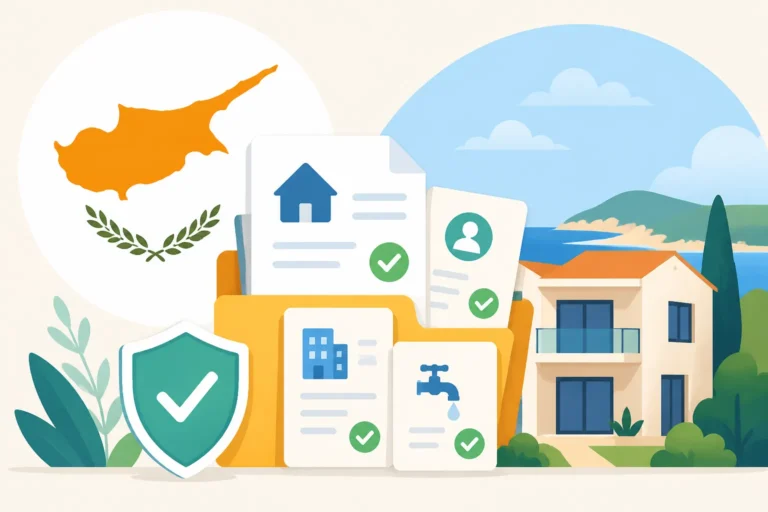
- Proof of Stable Relationship and Cohabitation: This is arguably the most critical and often most challenging part. The authorities want proof that your marriage is genuine and ongoing. This can include:
- Joint utility bills (electricity, water, internet) in both names or showing shared address.
- Joint bank account statements.
- Rental agreements or property title deeds in both names.
- Photographs of your wedding, family life, holidays together.
- Correspondence addressed to both of you at the same address.
- Children's birth certificates (if applicable), proving shared family life.
- Testimonials from friends or family (though less weight is typically given to these without other strong evidence).
- Proof of shared social insurance contributions or tax returns, which is relevant for The Complete Guide to Taxes in Cyprus for Expats (2027) and shows joint financial life.
- Cypriot Spouse’s Documents: Your Cypriot spouse's identity card and proof of their Cypriot citizenship (e.g., Cypriot passport, birth certificate, or citizenship certificate).
- Financial Stability: Proof of adequate income for the couple to live in Cyprus without relying on public assistance. This could be salary slips, employment contracts, or bank statements. This is also a crucial aspect for maintaining your initial residency permits like the Pink Slip.
- Receipt for Application Fees: There's a non-refundable fee for submitting the application, which you'll need to pay at the Cashier's Office of the CRMD or district offices. As of early 2024, this fee is typically €300, but always double-check the latest figures.
This list is not exhaustive, and the CRMD may request additional documents or clarifications at any point. When dealing with foreign documents, always remember the requirement for apostille certification from the issuing country and certified translations. For more on official document procedures, you might find our guide on How to Get Your Documents Apostilled for Cyprus Immigration helpful.
Here's a quick reference table for some key documents:
| Document Type | Requirement | Notes |
|---|---|---|
| Application Form M.125 | Completed & Signed | Obtain from CRMD website or office |
| Passports (Applicant & Spouse) | Copy of all pages | Valid, current |
| Marriage Certificate | Original + Copy | Translated & Apostilled if foreign |
| Birth Certificates (Applicant & Spouse) | Original + Copy | Translated & Apostilled if foreign |
| Clean Criminal Record | Original + Copy | From all countries of residence (last 6 months valid) |
| Residence Permits | Copies | Proof of 2 years legal residency |
| Proof of Cohabitation | Bills, joint accounts, photos | Extensive evidence required |
| Cypriot Spouse's ID/Citizenship | Copies | Passport, ID card, citizenship cert. |
| Financial Means | Bank statements, salary slips | Evidence of stable income |
| Application Fee | Payment Receipt | Non-refundable, typically €300 (verify current amount) |
Where to Apply and What to Expect After Submission
Once you have meticulously gathered and prepared all your documents, the application is submitted to the Civil Registry and Migration Department (CRMD) in Nicosia. You can usually submit it in person or, in some cases, through your district civil registration and migration unit. It’s highly recommended to submit in person if possible, as it allows you to clarify any immediate issues with the officer on the spot.
After submission, the waiting game truly begins. The processing time for citizenship applications through marriage can be lengthy, often ranging from 1 to 3 years, or even more in some complex cases. This isn't a reflection of the genuineness of your relationship, but rather the sheer volume of applications and the detailed scrutiny each one undergoes. Many expats find this waiting period incredibly frustrating and uncertain. During this time, you must maintain your legal residency status in Cyprus. Do not let your residence permit expire while your citizenship application is pending. Ensure you know How to Renew Your Residence Permit in Cyprus to avoid any complications.
The CRMD will conduct thorough checks. They may reach out for additional documents or clarifications. This is also the stage where they might call you and your spouse for an interview, which leads us to the next crucial section.
Navigating the Nuances and Common Hurdles
Applying for citizenship through marriage isn’t just about ticking boxes on a form. It’s about convincing the authorities that your marriage is legitimate, stable, and that you are genuinely integrated into Cypriot society. This is where many couples face the most anxiety and stress.
The Interview Process: Proving Your Genuine Marriage
If selected for an interview, both you and your Cypriot spouse will be called in, often separately. The purpose of this interview is to verify the authenticity of your marriage and your cohabitation. They are essentially trying to confirm that your relationship isn't one of convenience, but a real, loving partnership.
Questions can range from the mundane to the deeply personal:
- How did you meet?
- What was your first date?
- What does your spouse do for a living?
- What side of the bed do they sleep on?
- What did you have for breakfast this morning?
- Where did you spend your last holiday together?
- What are your spouse’s parents' names?
- Who pays which bills?
The trick isn’t to memorise answers, but to simply be honest and consistent. Officials are trained to spot inconsistencies and evasiveness. The interview can feel intrusive, and it's normal to feel a bit offended that your personal life is being scrutinised this way. However, approaching it with patience and openness, understanding that it's part of the process, can help. Having a solid portfolio of joint documents that corroborate your answers also significantly strengthens your case. Remember, the goal is to show them you share a life, not just an address.
Potential Pitfalls and How to Avoid Them
Beyond the interview, several other factors can complicate or delay your application:
- Incomplete or Incorrect Documentation: As mentioned, this is the biggest culprit. Double-check everything. Get professional help with translations and apostilles.
- Lack of Sufficient Proof of Cohabitation: If you've been married for three years but only physically cohabited for a shorter period, or if your evidence of shared life is thin, your application could be rejected. The authorities are looking for consistent, long-term evidence.
- Criminal Record Issues: Any criminal record, even a minor one, in your home country or Cyprus, can jeopardise your application. Ensure your certificates are truly clear and up-to-date.
- Irregular Residency Status: If there are gaps in your legal residency in Cyprus, or if you've overstayed a visa at any point, this will cause major problems. Always maintain a valid residence permit. Our guide on The Complete Guide to Cyprus Visas and Immigration for Expats (2027) covers various pathways to legal residency.
- Changes in Marital Status: If you divorce or your Cypriot spouse passes away before your citizenship is granted, your application based on marriage may be negatively impacted or even cancelled.
- Language Barrier: While English is widely spoken in Cyprus, especially in expat communities, some interactions with government officials might be easier if you have some basic Greek. Learning Greek for Living in Cyprus: A Complete Guide for Expats can also demonstrate your commitment to integrating into Cypriot society.
It’s important to understand that while an immigration lawyer can assist you with compiling documents and advising on the process, they cannot guarantee a positive outcome. However, their expertise can certainly help you navigate the complexities and avoid common pitfalls, particularly if your situation is not straightforward.
Life After Approval: Rights and Responsibilities of a New Cypriot Citizen
After what feels like an eternity, if your application is approved, you will be notified and invited to take an oath of allegiance to the Republic of Cyprus. This is a significant moment – you've officially become a Cypriot citizen! This new status comes with a host of rights and responsibilities that fundamentally change your life on the island.
What It Means to Be a Cypriot Citizen
Becoming a Cypriot citizen means you now hold a passport from an EU member state, which grants you significant freedoms. You gain the right to live, work, and travel freely throughout all 27 EU countries without any visa or work permit restrictions. This is a huge advantage for those who might have previously faced limitations as non-EU citizens. For example, if you once needed specific permissions to work, now you can explore opportunities across the EU.
Domestically, you'll have full political rights, including the right to vote in national and European elections. You'll also have unrestricted access to the public healthcare system (GeSY) without needing to pay specific contributions as a non-EU citizen or temporary resident, unless you are employed or self-employed. Our comprehensive guide on The Complete Guide to Healthcare in Cyprus for Expats (2027) delves into how the healthcare system works. You will also have full access to social benefits, education, and all other services as any native Cypriot. It's a complete integration into Cypriot society.
Financially, while your tax obligations might remain similar if you're already a tax resident, your ability to hold property, engage in business, and transfer funds might become more streamlined. For any substantial moves or changes in your financial situation, especially related to moving personal belongings, services like Sirelo can be incredibly useful, whether you're bringing more items over or even considering a move within the EU. And if you're thinking about private health insurance, companies like Cigna Global can still offer comprehensive international coverage, which some citizens prefer for broader peace of mind, especially when travelling.
Dual Citizenship and Obligations
Cyprus generally permits dual citizenship, meaning you typically won't be required to renounce your original citizenship unless your home country's laws prohibit it. This is a huge relief for many, allowing them to maintain strong ties and rights in both nations. However, it's always wise to check the laws of your country of origin regarding dual nationality.
Along with your new rights come responsibilities. You're expected to abide by Cypriot laws, uphold its constitution, and contribute to society. This includes fulfilling tax obligations, potentially serving in the National Guard (though exemptions apply, especially for naturalised citizens, older individuals, and women), and generally being a responsible member of the community.
The journey to citizenship by marriage in Cyprus is certainly not a walk in the park. It requires thorough preparation, immense patience, and the ability to navigate complex administrative processes. But for those genuinely committed to building their life here with their Cypriot spouse, the rewards of full integration and EU citizenship are invaluable. It’s a testament to your love and your dedication to calling Cyprus home, cementing your place not just as an expat, but as a true member of the Cypriot family.
Disclaimer
The information provided in this guide is for general informational purposes only and does not constitute legal, financial, or immigration advice. While we strive to keep the information up-to-date and accurate, laws and procedures in Cyprus can change rapidly. It is highly recommended that you consult with a qualified immigration lawyer or relevant government authorities (such as the Civil Registry and Migration Department) for advice tailored to your specific situation before making any decisions.