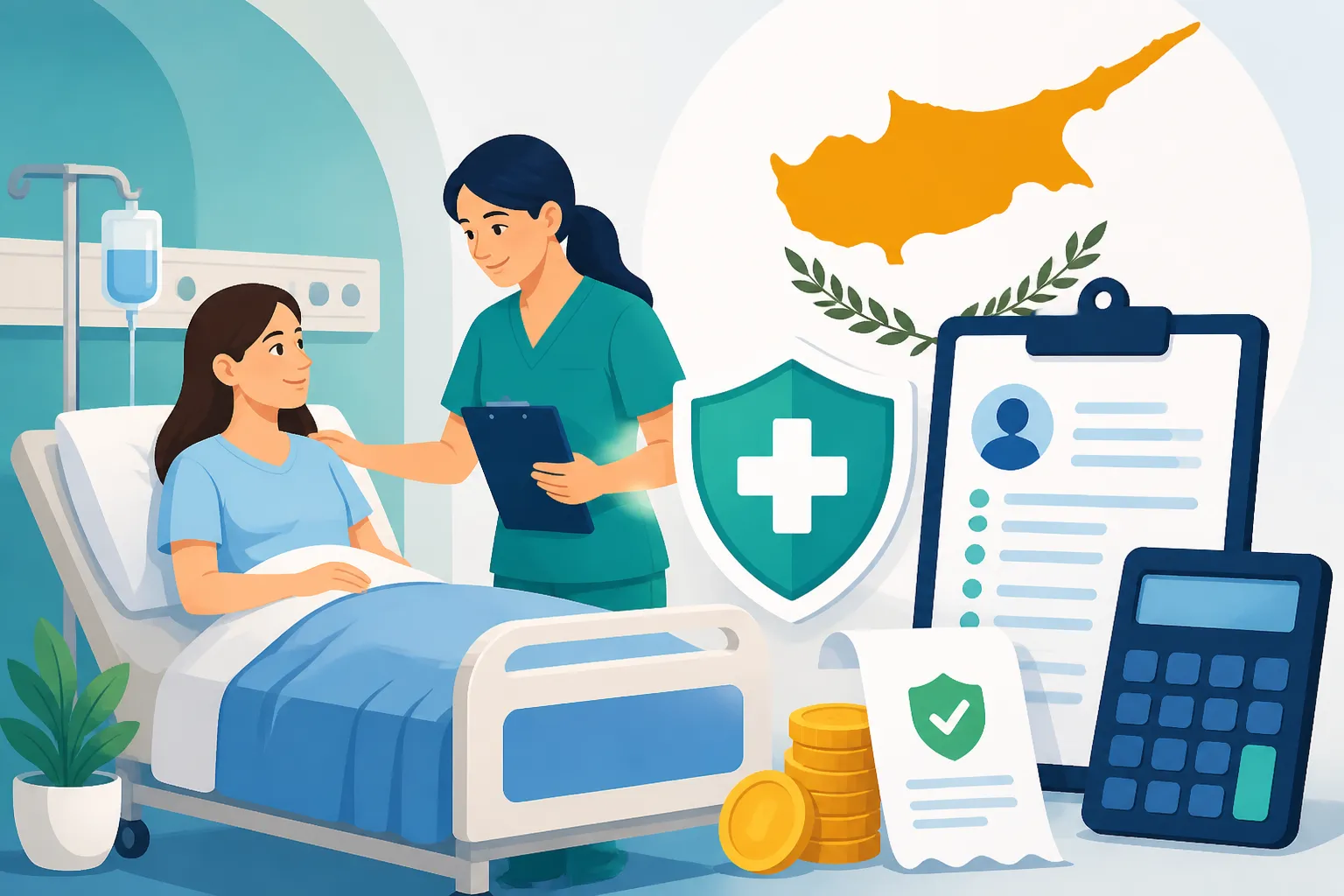
Understanding Hospital Admission and Billing in Cyprus
Arriving in a new country, even one as welcoming as Cyprus, can make the thought of a hospital visit feel incredibly daunting. The language barrier, different systems, and the sheer unknown can turn a minor ailment into a major source of anxiety. This guide is here to strip away that uncertainty, walking you through everything you need to know about understanding hospital admission and billing in Cyprus, whether you're using the public GeSY system or opting for private care.
Navigating Hospital Admissions in Cyprus: Public vs Private
The first hurdle many expats face when considering a hospital stay in Cyprus is understanding the distinction between the public (GeSY) and private healthcare systems. It’s not just a matter of preference; your residency status and insurance coverage play a huge role in how you access care. For those unfamiliar, Cyprus operates a hybrid system, meaning you have choices, but those choices come with different procedures and implications for your wallet. It’s crucial to know which path is right for your situation before you’re in a stressful medical emergency.
Getting Admitted Through GeSY: The Referral Process
For those registered with the General Healthcare System (GeSY), the public hospitals are your primary point of access for most serious medical needs requiring admission. However, it’s rarely a case of just walking in and demanding a bed. The GeSY system is designed to be tiered, usually starting with your personal doctor (GP). If your GP determines that your condition warrants specialist attention or hospitalisation, they will provide you with a referral. This referral is absolutely key; without it, you might find yourself facing significant hurdles or even being turned away from non-emergency admissions.
Once you have that referral, you’ll typically be directed to a public hospital or a GeSY-affiliated specialist. The process from there involves presenting your GeSY card and the referral at the hospital’s admissions desk. It’s important to remember that public hospitals, while comprehensive, can sometimes have longer waiting lists for non-urgent procedures compared to their private counterparts. Being prepared with all your documents and understanding that the system works on a referral basis can save you a lot of stress. You can learn more about this through our guide on How Specialist Referrals Work Under GeSY in Cyprus.
Direct Admission to Private Hospitals: What to Expect
If you have private health insurance or are prepared to self-fund your treatment, private hospitals offer a more direct route to admission. Many expats, particularly those who are not yet eligible for GeSY or who prefer the often quicker service and more luxurious facilities, choose this option. With private hospitals, you generally don't need a GP referral to see a specialist or be admitted, although some private insurance policies might still require one for reimbursement purposes.
When arriving at a private hospital for admission, you'll go through a straightforward registration process. You'll need to provide your personal details, ID, and most importantly, your private health insurance policy information if you have one. The hospital staff are usually very accustomed to dealing with international patients and can assist with insurance pre-authorisation if needed. Be aware that even with private insurance, there might be deductibles or co-payments, so always clarify this upfront. Companies like SafetyWing offer flexible plans that many expats consider for their private healthcare needs, especially when starting out or for comprehensive travel medical insurance. For a deeper dive into your choices, check out Public vs Private Healthcare in Cyprus: Which Should Expats Choose?.
Understanding Hospital Services and Facilities
Once you're admitted, whether to a public or private hospital, you'll quickly realise that the standard of care in Cyprus is generally very high. However, the exact services and facilities available can vary, particularly in terms of amenities and the speed of access. It’s helpful to have a general idea of what to expect to manage your expectations and ensure you get the most out of your stay.
Inpatient Care: What is Included
Inpatient care in Cypriot hospitals, regardless of whether it's public or private, typically includes your accommodation, nursing care, meals, medication administered during your stay, and any procedures or surgeries deemed necessary by your medical team. In public GeSY hospitals, you might share a room with other patients, which is standard practice for public healthcare systems worldwide. The focus is on providing essential medical treatment and getting you back on your feet. While the amenities might be basic, the medical staff are generally highly qualified and dedicated.
Private hospitals, on the other hand, often offer more comfortable, sometimes private, rooms with additional amenities like en-suite bathrooms, TV, and better food options. The patient-to-nurse ratio might also be lower, potentially leading to more personalised attention. This enhanced comfort is usually reflected in the higher cost. Both types of hospitals provide a full range of medical and surgical services, from general medicine to specialised departments like cardiology, orthopaedics, and maternity care.
Outpatient Services: When a Hospital Visit Isn't an Admission
Sometimes, your medical needs might require a hospital visit but not an overnight stay. This falls under outpatient services. These can include diagnostic tests like X-rays, MRI scans, blood tests, specialist consultations, minor procedures, or follow-up appointments after a hospital discharge. Public hospitals offer these services through their various departments, usually requiring a referral from your GeSY GP or specialist. The waiting times for certain diagnostic tests can sometimes be longer in the public sector.
Private hospitals and clinics also offer extensive outpatient services, often with much shorter waiting times. If you need an MRI or a consultation with a specific specialist quickly, a private clinic is often the fastest route. For example, if you need to know How Much Does an MRI Scan Cost in Cyprus in 2026?, you’ll find that private clinics typically offer competitive packages. For expats relying on private insurance, these outpatient services are usually covered, subject to your policy terms. Always confirm coverage with your insurer before undergoing any tests or consultations, especially for more expensive procedures.
The Intricacies of Hospital Billing in Cyprus
This is often where the real anxiety kicks in for expats. The billing process in a foreign country can feel like navigating a maze, and Cyprus is no exception. Whether you're a GeSY member or relying on private insurance, understanding the costs involved and how they are handled is paramount. Don't be shy about asking questions; it's your right to know what you're paying for.
GeSY Co-Payments and "Hidden" Costs
While GeSY aims to provide universal healthcare, it's not entirely free. There are co-payments for certain services, designed to deter unnecessary usage and contribute to the system's sustainability. For hospital admissions, most services directly related to your inpatient care are typically covered, meaning no direct co-payment for the bed, operations, or basic medications during your stay. However, co-payments apply to consultations with specialists, diagnostic tests, and certain prescription medications obtained after discharge. These are usually small fees, just a few euros per service. For example, a specialist visit might have a €6 co-payment.
The "hidden" costs, if you can call them that, usually arise from services that are either not fully covered by GeSY or are elective. This could include private room upgrades in a public hospital (if available and you choose it), or certain advanced dental treatments that aren't considered medically essential. It’s always best to clarify with the hospital administration if there are any additional charges you might incur. Remember, your GP can explain more about Understanding GeSY Co-Payments and Out-of-Pocket Fees in Cyprus.
Private Hospital Costs and Insurance Claims
Private hospital costs in Cyprus are, as expected, significantly higher than the co-payments in the GeSY system. A single night in a private hospital could run into hundreds of euros, not including specialist fees, procedures, or medication. For a major surgery or an extended stay, costs can quickly escalate into thousands or even tens of thousands. This is precisely why private health insurance is highly recommended for those who choose this route.
When using private insurance, the billing process typically involves the hospital coordinating directly with your insurance provider for pre-authorisation and direct billing. You might still be required to pay an excess or deductible, which is the initial amount you pay out of pocket before your insurance coverage kicks in. It’s crucial to understand your policy's terms and conditions, including any exclusions, limits, and the claims process. Keep all receipts and medical reports, as your insurer will require them for reimbursement. Companies like SafetyWing are well-regarded among the expat community for providing clear policy information and support during the claims process.
Here’s a simplified comparison of hospital billing aspects:
| Feature | GeSY Public Hospitals | Private Hospitals (with private insurance) | Private Hospitals (self-pay) |
|---|---|---|---|
| Admission Fees | Typically €0 (covered by contributions) | Covered by insurance after deductible/excess | Full cost, potentially thousands of euros |
| Daily Ward Fees | Covered (shared rooms common) | Covered by insurance (private rooms often standard) | Full cost, varies by room type |
| Doctor/Surgeon Fees | Covered | Covered by insurance (may have specific limits) | Full cost, negotiated with specialists |
| Diagnostic Tests | Small co-payment (e.g., €6 per test) | Covered by insurance after deductible/excess | Full cost, billed separately |
| Medication (Inpatient) | Covered | Covered by insurance (may have formulary limits) | Full cost |
| Medication (Outpatient) | Small co-payment (e.g., €1 per item) | Covered by insurance (after deductible/excess) | Full cost from pharmacy |
| Emergency Visit | Small co-payment (e.g., €10, waived for admission) | Covered by insurance (after deductible/excess) | Full cost, typically €100-€300+ before treatment |
| Required Referrals | Yes, from GP for non-emergencies | No, but insurance might require for reimbursement | No |
Dealing with Emergencies and Unplanned Hospital Stays
Emergencies are, by their very nature, unplanned and often terrifying. When they happen in a foreign country, the stress levels can skyrocket. Knowing what to do and where to go can make a world of difference. Cyprus has a robust emergency response system, but understanding how it integrates with hospital admissions and subsequent billing is crucial for expats.
Emergency Room Procedures and Costs
In a life-threatening emergency, your first step should always be to call 112, the pan-European emergency number. An ambulance will transport you to the nearest public or private hospital with an emergency department capable of handling your situation. Do not worry about payment at this initial stage; saving a life takes precedence. Once stabilised, the hospital staff will then begin the administrative process. For GeSY members, emergency care leading to admission is usually fully covered, but there might be a small co-payment for the emergency room visit itself if you are not admitted (e.g., around €10-€20).
For those without GeSY, or those who prefer private care, you will be seen regardless of your payment ability. However, you will be expected to settle the bill later. An emergency room visit in a private hospital can cost anywhere from €100 to €300 just for the initial consultation and basic tests, before any treatment or admission charges. If you have private insurance, provide your details as soon as possible. Your insurer will likely require details of the emergency for pre-authorisation. It’s a good idea to keep your insurance card or policy number easily accessible. For a detailed look at how to handle such situations, read Emergency Medical Care in Cyprus: What Every Expat Needs to Know.
Post-Discharge Care and Follow-ups
Leaving the hospital isn't always the end of your medical journey. Post-discharge care is a critical component of recovery, ensuring you heal properly and prevent readmission. This can involve follow-up appointments with specialists, physiotherapy, prescription medications, or even home nursing care. Under GeSY, your discharge plan will typically include referrals for these services within the public system, with relevant co-payments. For example, your GP will prescribe necessary medications, which you'll then obtain from a GeSY-affiliated pharmacy with a small co-payment.
If you were treated in a private hospital, your post-discharge plan will also be outlined, and you’ll receive prescriptions. You can then choose to fill these at any pharmacy, bearing the full cost, or if your private insurance covers outpatient prescriptions, you can claim reimbursement. Follow-up appointments with private specialists will also incur charges, which may or may not be covered by your insurance depending on your policy. Always clarify these aspects before discharge to avoid any surprises. Remember that knowing Prescription Medications and Pharmacies in Cyprus: The Complete Guide will be very helpful here.
Navigating Medical Records and Patient Rights
Understanding your rights as a patient and how to access your own medical records is empowering, especially in a foreign country where language or cultural differences might create communication gaps. Cyprus upholds patient rights, and knowing these can provide peace of mind and ensure you receive appropriate care.
Accessing Your Medical Records
Under Cypriot law, you have the right to access your medical records. This is vital for continuity of care, seeking second opinions, or for insurance purposes. If you've been treated under GeSY, your medical history is increasingly digitised and accessible through the GeSY patient portal. Your personal doctor also maintains your primary records. For specific hospital records, you can formally request them from the hospital's administration department. There might be a small administrative fee for copies, and the process can take some time, so it's not always instantaneous.
In private hospitals, the process is generally similar. You can request copies of your records directly from the hospital. Many private clinics and hospitals also provide digital access to your reports and test results through their own patient portals or secure email. It’s always a good idea to keep personal copies of significant medical reports, discharge summaries, and test results, especially if you have chronic conditions or anticipate further treatment.
Patient Rights and Advocacy for Expats
As a patient in Cyprus, you have several fundamental rights, including the right to information about your condition and treatment, the right to give informed consent, the right to privacy and confidentiality, and the right to complain about the care received. Hospitals in Cyprus, both public and private, are generally good at upholding these rights. However, for expats, language can sometimes be a barrier. Most doctors and nurses in urban areas speak English, but administrative staff might not always be fluent.
If you feel your rights are not being met or you have concerns about your care, don't hesitate to speak up. Start by discussing your concerns with your medical team. If that doesn't resolve the issue, you can escalate it to the hospital's patient liaison or administration. For more serious complaints, the Ministry of Health or the Health Insurance Organisation (HIO) (for GeSY matters) are the relevant bodies. Advocacy groups or your embassy can also offer support and guidance if you find yourself in a challenging situation.
Practical Tips for a Smoother Hospital Experience
A hospital visit, especially when unexpected, is never a pleasant experience. But with a little preparation and understanding, you can make the process in Cyprus significantly smoother. From what to pack to who to talk to, these tips are gleaned from years of expat living and navigating the local healthcare landscape.
What to Pack and Prepare for a Hospital Stay
Even for an unplanned admission, having a small "go-bag" ready, or at least knowing what essentials to ask someone to bring you, can make a huge difference. Here's a quick list:
- Identification: Your ID card or passport, and your residence permit (Pink Slip or Yellow Slip).
- Health Insurance Information: Your GeSY card, private insurance policy details, and contact numbers for your insurer.
- Medical History: A brief summary of your medical conditions, allergies, and current medications (with dosages). A list of any past surgeries is also useful.
- Personal Items: Toiletries, comfortable clothing, phone charger, a book or entertainment.
- Comfort Items: If allowed, a favourite pillow or blanket can make a difference.
- Emergency Contact Information: Have phone numbers for family or close friends clearly written down.
Being prepared with this information can speed up the admission process and ensure the medical staff have all the necessary details to provide you with the best care. It's a small effort that can yield big benefits when you're feeling vulnerable.
Communication and Support During Your Stay
Effective communication is the cornerstone of good healthcare. As mentioned, many medical professionals in Cyprus speak excellent English. However, if you find yourself struggling to understand or be understood, don't hesitate to ask for a translator or a staff member who is more fluent in English. Public hospitals often have international patient departments, and private hospitals cater extensively to expats, so help is usually at hand.
Consider bringing a trusted friend or family member with you to appointments or during admission, especially if you anticipate complex discussions. They can help take notes, ask questions you might forget, and generally provide emotional support. Knowing you have an advocate can significantly reduce stress. If you’re alone, make sure your emergency contacts are aware of your situation. For general guidance on finding a doctor you can easily communicate with, check out How to Find an English-Speaking Doctor in Cyprus.
Navigating hospital admission and billing in Cyprus doesn't have to be a bewildering experience. By understanding the differences between the public and private systems, knowing your rights, and preparing adequately, you can approach any medical necessity with confidence.
Disclaimer
Please note that this guide provides general information based on current understanding and publicly available data. Healthcare policies, regulations, and costs in Cyprus can change. Always verify the latest information with official sources such as the Ministry of Health, the Health Insurance Organisation (HIO), or your specific healthcare provider and insurance company. This article is not a substitute for professional medical or legal advice.