How to Set Up Streaming and TV Service in Cyprus
Oh, the joy of finally settling into your Cypriot haven, whether it's a bustling apartment in Limassol or a tranquil villa in Paphos, only to realize that getting your home entertainment sorted isn't as simple as plugging in a box. The familiar comfort of your favourite shows, news, or sports from back home suddenly feels a million miles away. This guide is here to walk you through the often-confusing world of TV and streaming services in Cyprus, helping you navigate the options, avoid common pitfalls, and get that living room feeling truly like home.
Understanding the TV Landscape in Cyprus
When you first arrive, it’s easy to assume TV services are much like home, but Cyprus has its own unique flavour when it comes to broadcasting and content delivery. You'll find a blend of traditional free-to-air channels, satellite options, and increasingly, robust internet-based subscription packages that often bundle your TV with your internet and phone service. The trick is understanding which combination suits your lifestyle, your budget, and most importantly, your desire for international content.
Traditional TV: Terrestrial and Satellite
Before the internet became the behemoth it is today, Cypriots, like many others, relied on good old terrestrial and satellite broadcasting. Terrestrial TV, received via a simple antenna, primarily offers local Cypriot channels. These include channels like RIK (Cyprus Broadcasting Corporation) 1, 2, and HD, as well as a few private local stations. While these are invaluable for local news and culture, they often don't cater to the diverse international tastes of expats. You'll find programmes mainly in Greek, with some English content, often with Greek subtitles. For many expats, this isn't enough to satisfy their craving for familiar programming.
Then there's satellite TV. Historically, this meant installing a dish to pick up free-to-air channels from various European and Middle Eastern satellites. You could tune into a myriad of international news channels, music, and general entertainment, albeit often requiring some technical know-how to set up and manage. However, with the advent of sophisticated encrypted services and the rise of high-speed internet, standalone satellite dishes for a broad range of international content have become less common for new arrivals. Most international content is now delivered through internet-based subscription packages, making things simpler, if sometimes a bit more limited, for the average user. Still, for those who value specific non-Cypriot satellite channels, this remains an option, but it requires a dedicated setup separate from the main internet providers.
The Rise of Subscription TV Bundles
The modern Cypriot TV landscape is overwhelmingly dominated by subscription services, almost always bundled with internet and sometimes landline or mobile phone packages. This is where most expats will find their primary source of entertainment. Companies have realized that offering a 'triple play' or 'quad play' bundle makes them much more attractive, providing a single bill and often better value. These bundles typically include a set top box that delivers channels over an internet connection (IPTV) or fibre optic cable. The packages vary widely, offering a core selection of local and international channels, with premium add-ons for sports, movies, and specific foreign language packs.
The convenience of these bundles is undeniable. One provider, one bill, one point of contact for most of your communication and entertainment needs. It streamlines the whole process, which, let's be honest, is a huge relief when you're already juggling so many other things like getting your residency sorted or figuring out How to Set Up Electricity (EAC) in Your Cyprus Home. These bundled services are highly competitive, and providers constantly update their channel lists and offer promotional deals to attract and retain customers. This competitive market means that while you might feel locked into one provider for a multi-service package, you also benefit from continually improving infrastructure and increasingly varied content.
Major Providers and Their Offerings
When it comes to getting connected and entertained in Cyprus, three names dominate the scene: Cyta, Epic, and Cablenet. Each has its strengths, its quirks, and its dedicated following. Understanding what each offers in terms of TV and streaming bundles is crucial to making an informed choice that best fits your expat lifestyle. Remember, these providers usually require a contract, typically 12 or 24 months, so it's a decision you'll live with for a while!
Cyta: The Incumbent’s Comprehensive Packages
Cyta, the state-owned telecommunications giant, is often considered the most established and widespread provider in Cyprus. Their television service, Cytavision, offers a comprehensive range of local and international channels, and they are particularly renowned for their sports coverage, holding exclusive rights to many major football leagues like the Premier League, Champions League, and Cypriot league games. For sports enthusiasts, Cytavision is often the default choice. Their packages are varied, from basic tiers that include local and general entertainment channels to premium bundles that boast an extensive array of movie channels, documentaries, and international news networks.
Beyond sports, Cytavision also provides a decent selection of international channels in English and other languages, catering to the diverse expat population. They often have channels dedicated to specific genres, ensuring there’s something for everyone. Crucially, Cyta's internet infrastructure is extensive and reliable, meaning their bundled TV services generally come with strong, stable connections. This is especially important if you're planning to stream a lot or have multiple devices connected simultaneously. Their customer service has a reputation for being thorough, though perhaps not always the fastest, which is a common experience with large service providers here. While their prices might sometimes be perceived as slightly higher than competitors, many expats find the reliability and breadth of content, especially sports, well worth the investment. For many, Cyta feels like the safe, familiar choice.
Epic: A Growing Contender with Modern Options
Epic, formerly known as MTN Cyprus, has rapidly grown into a formidable competitor in the Cypriot telecoms market. They've aggressively expanded their fibre optic network and invested heavily in modernizing their services, positioning themselves as a fresh, dynamic alternative. Epic's TV packages are often praised for their competitive pricing and more flexible, modern offerings. While they might not have the same exclusive sports portfolio as Cyta, they still offer a robust selection of international channels, often including popular entertainment, movie, and news networks. Their focus tends to be on delivering a strong, modern user experience, often integrating features like catch-up TV and on-demand content more seamlessly.
Many expats find Epic's approach refreshing. Their internet speeds, especially on their expanding fibre network, are often on par with or even exceed those of Cyta in many urban areas. They frequently run attractive promotional bundles that combine high-speed internet with their TV packages and mobile plans, making them a very cost-effective option for individuals or families looking for a complete communication solution. If you're a heavy internet user who values speed and a modern interface, and don't solely rely on specific sports broadcasts, Epic is definitely worth a close look. They've made significant strides in customer service too, aiming for a more responsive and tech-savvy approach, which can be a huge plus when you're trying to figure out How to Set Up Internet and TV in Cyprus.
Cablenet: Fibre Speeds and Entertainment Power
Cablenet carved out its niche by being one of the first providers to heavily invest in its own fibre optic network, primarily focusing on urban centres like Limassol, Nicosia, and Larnaca. This means they often boast some of the fastest internet speeds available in Cyprus, which is a massive draw for anyone who needs reliable, ultra-fast connectivity for work, gaming, or, indeed, streaming high-definition content. Their TV service, while perhaps having a slightly smaller market share than Cyta or Epic, is very popular among those who prioritize speed and a good range of entertainment channels. They offer various packages that include local and international channels, with options for premium movies and documentary add-ons.
The primary advantage of Cablenet is undoubtedly its speed and the quality of its fibre network. If you live in an area covered by their fibre, you can expect exceptionally low latency and high download/upload speeds, making for a superb streaming experience, whether from their own TV service or third-party platforms. Their pricing is often very competitive, especially when bundling internet, TV, and sometimes mobile. For expats who have high demands on their internet connection and are located within Cablenet's coverage areas, they represent an excellent choice. Their channel line-up is solid, and while they might not have the exclusive sports rights of Cyta, they still offer a compelling entertainment package. You'll want to check their coverage map carefully, as their fibre network isn't as ubiquitous as Cyta's, but where it is, it truly shines. For more general advice on picking your digital lifeline, you might want to read How to Choose a Mobile and Internet Provider in Cyprus.
Navigating Streaming Services and Content from Home
Beyond the local TV packages, many expats arrive in Cyprus with a collection of beloved streaming subscriptions from their home countries: Netflix, Hulu, BBC iPlayer, HBO Max, Disney+, etc. The expectation is often that these will simply work as they did before. However, the world of digital content is rarely that simple, thanks to the thorny issue of geo-restrictions.
Tackling Geo-Restrictions with a VPN
Geo-restrictions are the bane of every expat's existence. You've signed up for a streaming service back home, you're paying your subscription fee, but once you try to access it from Cyprus, you're met with that dreaded message: "This content is not available in your region." This happens because streaming companies license content for specific geographical territories. For example, Netflix US has a different library than Netflix UK or Netflix Cyprus due to licensing agreements. Your IP address tells the service where you are located, and if it's not the right region, access is denied. It's a frustrating reality that often makes you feel disconnected from the shows and movies you love.
This is where a Virtual Private Network, or VPN, becomes your digital lifeline. A VPN creates an encrypted connection over a less secure network, effectively masking your real IP address and making it appear as if you're browsing from another location. By connecting to a VPN server in, say, the UK, you can trick BBC iPlayer into thinking you're still sitting on your couch in London, granting you access to its content. While not strictly illegal for personal use, circumventing geo-restrictions does fall into a grey area for some service providers, and they actively try to detect and block VPN usage. This leads to a constant cat-and-mouse game, where VPN providers update their servers to bypass blocks, and streaming services respond by identifying and blocking new VPN IP ranges.
Choosing a reliable VPN service is paramount. Free VPNs often come with significant limitations on speed, data, and server locations, and sometimes even pose security risks. It's usually worth investing in a reputable, paid VPN service that offers strong encryption, a wide array of server locations in the countries you need, and a commitment to bypassing geo-blocks. Look for providers that offer a money-back guarantee so you can test their service with your specific streaming platforms before committing. Always remember that even the best VPNs can have off days, and some services are harder to access than others. For temporary data needs before your home internet is fully sorted, especially if you're waiting for a technician after using a moving service like Sirelo, an eSIM from a provider like Airalo coupled with a VPN can keep you connected to your streaming world on the go. Just be mindful of data limits!
Local Streaming Platforms and International Access
While many expats are focused on bringing their home country's content with them, Cyprus also has its own emerging streaming scene. The major local TV providers (Cyta, Epic, Cablenet) all offer some form of on-demand content and catch-up services through their set-top boxes or dedicated apps. These often include archives of local shows, movies, and sometimes a selection of international content that has been licensed for the Cypriot market. The interface and user experience have significantly improved over the years, making them viable options for complementing your international streaming habits.
Beyond these provider-specific platforms, you'll find that global giants like Netflix, Disney+, Amazon Prime Video, and Apple TV+ are all officially available in Cyprus. However, as discussed, their content libraries are localized to Cyprus. This means you might find a different selection of movies and TV shows compared to what you're used to in your home country. For instance, Netflix Cyprus has its own unique catalogue shaped by regional licensing agreements. While you won't need a VPN to access these services in Cyprus, if you're hoping to watch the exact same show that's available on Netflix US but not Netflix CY, you'll still need that VPN connection.
The good news is that the quality of these services is excellent, offering 4K streaming where available, and generally reliable performance given Cyprus's improving internet infrastructure. For expats who are keen to immerse themselves in local content, or who are happy with the international offerings specifically licensed for Cyprus, these globally available services provide a solid foundation for their streaming entertainment. Just manage your expectations regarding the exact library you'll encounter compared to what you had back home.
The Practicalities: Installation, Costs, and Contracts
Alright, so you’ve weighed your options, figured out if you’re a sports fanatic who needs Cyta, a speed demon leaning towards Cablenet, or someone who appreciates Epic’s modern bundles. Now comes the nitty-gritty: getting it all set up. This involves choosing the right package, understanding the installation process, and, crucially, making sense of the costs and contract terms, which can sometimes feel like deciphering an ancient scroll in a new language.
Choosing Your Provider and Package
Making the final decision often feels like a big step, especially when you're committing to a contract. Your first port of call should be comparing the packages offered by Cyta, Epic, and Cablenet. Don't just look at the headline price. Dive into the details:
- Channel Line-up: Does it include the international news channels you rely on? Are there English-language entertainment channels you enjoy? If sports are your priority, compare who has the rights to your favourite leagues.
- Internet Speed: What upload and download speeds are included? Will it be sufficient for all the devices in your household, especially if multiple people are streaming or working from home? Remember, if you're planning to use a VPN extensively, a faster base speed helps compensate for any slight slowdown.
- Mobile and Landline Bundles: Do you need a new Cypriot mobile number? Bundling it with your internet and TV often offers better value than separate contracts.
- Contract Length: Most standard contracts are 12 or 24 months. Longer contracts usually come with better monthly rates or initial perks, but commit you for longer.
- Availability: Use the providers' websites or call their customer service to confirm what services are available at your specific address. Cablenet's fibre, for example, is not everywhere yet, so always double-check.
It's also a good idea to chat with other expats in local Facebook groups or forums. They often share valuable, real-world experiences about which provider performs best in specific areas or who has the most responsive customer service. These anecdotal insights can be just as important as the official brochures when you're trying to figure out which package is truly right for you. Keep in mind that when you're choosing your primary internet and TV provider, this will greatly influence The Cost of Living in Cyprus for Expats in terms of your monthly utility outgoings.
What to Expect During Installation
Once you've made your choice and signed on the dotted line, the provider will schedule an installation. This process is generally straightforward but does require you to be present. Here’s a typical rundown:
- Booking the Appointment: You'll usually be given a time slot, often a half-day window. Be prepared for some flexibility here; "Cypriot time" can sometimes mean appointments run a little later than expected.
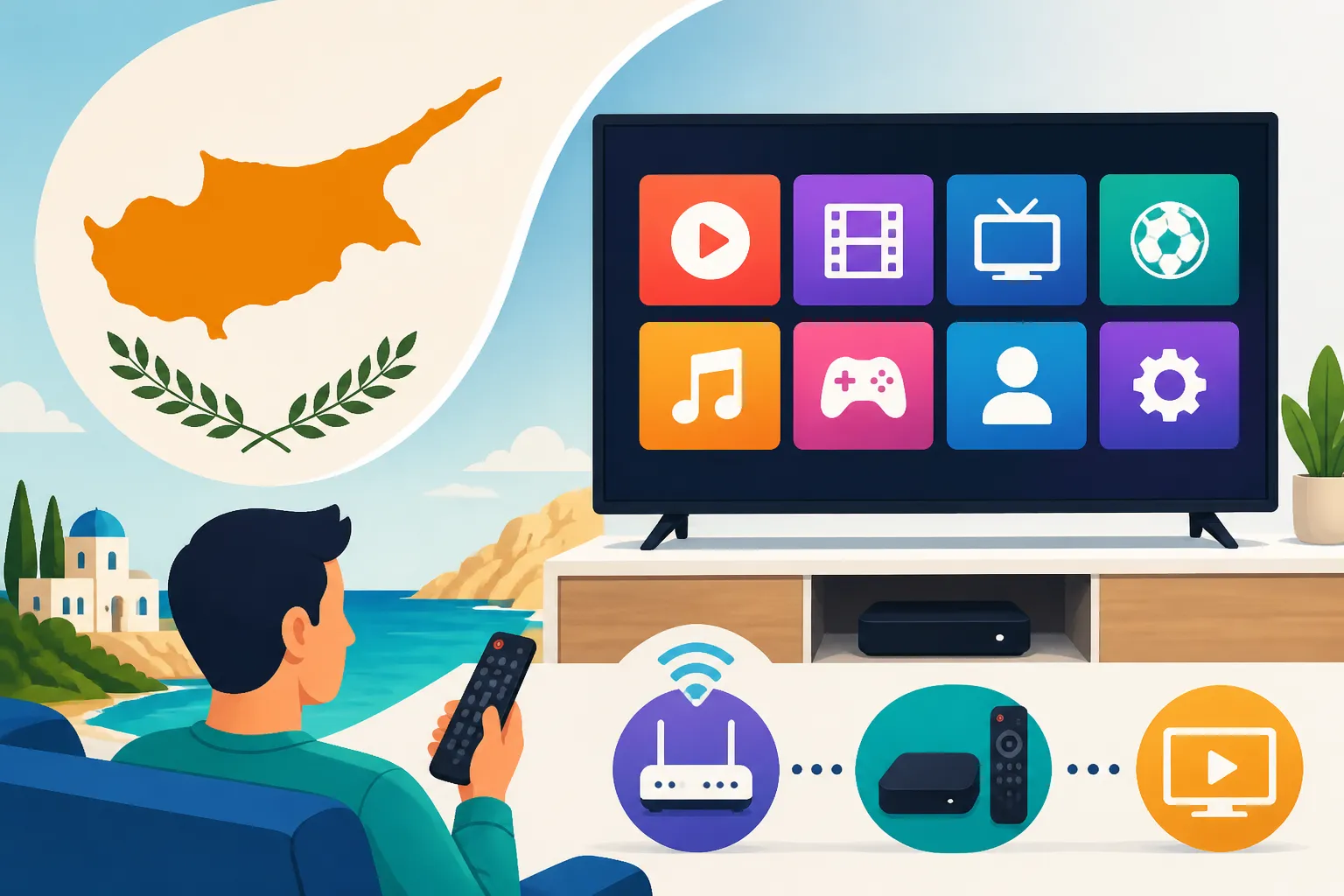
- Technician Visit: A technician will come to your home to install the necessary equipment. This usually involves connecting the fibre optic or DSL line, installing a router for your internet, and setting up the TV set-top box. They will also ensure your main TV is connected and the basic channels are working.
- Equipment: You'll receive a Wi-Fi router and a TV set-top box (or multiple, depending on your package). This equipment is typically leased from the provider and must be returned if you cancel your service.
- Activation: The technician will usually activate your services on the spot and conduct basic speed tests for your internet connection. Don't be shy about asking questions about how to use the remote, access on-demand content, or connect your personal devices to the Wi-Fi.
For new constructions or properties that haven't had these services before, the installation might involve more work, such as drilling holes for cables. Always discuss any potential complexities or additional charges with your provider upfront. Patience is key during this stage. While most installations go smoothly, there can be delays or unexpected technical issues. Having your personal documents (like your ID and proof of address) ready will speed up the process. This stage often comes right after you've managed to set up other essentials, like The Expat Guide to Setting Up Utilities Electricity Water Internet in Cyprus, and marks a significant step in truly settling into your new home.
Understanding Pricing Structures and Contract Terms
Navigating the pricing and contract terms can be a bit of a maze, even for seasoned expats. Providers in Cyprus, like elsewhere, love to use promotional pricing for the first few months, which then jumps to a higher standard rate. Always ask for the full price after the promotional period ends. Hidden costs can sometimes creep in, so clarity is essential.
- Monthly Subscription Fee: This is the core cost for your chosen package.
- Installation Fee: Sometimes waived with promotions, but can be a one-off charge.
- Equipment Rental/Purchase: Most providers include equipment rental in the monthly fee, but some might have separate charges or options to buy the equipment outright.
- Early Termination Fees: This is super important! If you decide to move or switch providers before your contract ends (usually 12 or 24 months), you'll almost certainly incur a penalty. These fees can be substantial, often calculated based on the remaining months of your contract. Make sure you understand how these are calculated.
- VAT: All prices quoted will be subject to the standard VAT rate in Cyprus (currently 19%), so factor that into your budgeting.
When signing the contract, read the fine print, especially sections relating to minimum contract periods, termination clauses, and price increases. Don't be afraid to ask for a copy of the contract in English if that's easier for you to understand. If something seems unclear, demand clarification. It's much easier to clear up misunderstandings before you sign than to deal with disputes later. Understanding these financial commitments is just as important as knowing How to Sign a Rental Agreement and Pay a Deposit in Cyprus – they are both fundamental to your long-term comfort and peace of mind in Cyprus. Keep a record of your contract, start date, and any specific terms that were agreed upon.
Insider Tips for a Smooth TV and Streaming Experience
Living in Cyprus means embracing a certain level of adaptability, and your TV and streaming habits are no exception. There are always little tricks and insights that can make your experience much smoother, from ensuring your tech is optimized to handling the inevitable customer service dance.
Maximizing Your Setup and Troubleshooting Common Glitches
You've got your internet humming and your TV box connected – fantastic! Now, let's make sure you're getting the best out of it.
- Ethernet Over Wi-Fi: For your main TV and set-top box, always try to use an Ethernet cable if possible. A wired connection is far more stable and faster than Wi-Fi, especially for streaming high-definition content or if your router is far from your TV. This reduces buffering and improves overall picture quality.
- Router Placement: Ensure your Wi-Fi router is in a central location, not tucked away in a cupboard or behind a thick wall. This maximizes signal strength throughout your home, benefiting all your wireless devices. If you live in a larger home, consider Wi-Fi extenders or a mesh Wi-Fi system.
- Regular Restarts: Like any electronic device, routers and set-top boxes can benefit from a periodic restart. If your internet or TV signal is acting up, try unplugging your router and set-top box for 30 seconds, then plugging them back in. This simple step often resolves minor glitches.
- Check Cables: Loose cables are a surprisingly common cause of issues. Ensure all HDMI, Ethernet, and power cables are securely plugged into your TV, set-top box, and router.
- Software Updates: Keep an eye out for software updates for your smart TV or streaming devices. Manufacturers regularly release updates that improve performance and fix bugs.
Common glitches often include buffering, pixelation, or loss of signal. Before calling customer support, run through these basic troubleshooting steps. Often, the problem is simpler than it seems. Also, consider the age of your TV. An older model might not support the latest streaming apps or high resolutions, impacting your overall experience. If you’re living in a furnished rental, you might inherit some older tech; if not, and you're buying a new TV, consider what streaming apps are natively supported. You might also want to consult guides on general How to Set Up Internet and TV in Cyprus for a broader understanding of home connectivity.
Customer Service Realities and How to Navigate Them
Dealing with customer service in Cyprus can sometimes be an experience, shall we say, unique. It’s not necessarily bad, but it can differ from what you might be used to in other countries. Patience is definitely a virtue here.
- Language Barrier: While many customer service representatives speak excellent English, don't assume. If you're struggling to explain your issue, politely ask if there's someone else who can assist you in English. Sometimes, visiting a physical store can be more effective for complex issues, as face-to-face communication can be clearer.
- Be Prepared: Before you call, have all your details ready: account number, contract details, the exact nature of your problem, and any troubleshooting steps you've already taken. Being organized helps the representative help you more efficiently.
- Follow-Up is Key: If you've been promised a call back or a technician visit, don't be afraid to follow up if you don't hear anything within the expected timeframe. Sometimes, a gentle reminder is all that's needed. Keep a record of who you spoke to, when, and what was agreed.
- Online Portals: Many providers now have online customer portals or apps where you can manage your account, check bills, and even log support tickets. These can often be more efficient than phone calls for non-urgent issues.
- Social Media: Sometimes, a polite public query on a provider's social media page (Facebook, Twitter/X) can elicit a faster response, as companies are often keen to manage their online reputation.
Remember that customer service staff are people too, and a polite, calm approach generally yields better results than frustration. While it can be annoying when things don't work perfectly, understanding the local way of doing things, and being prepared, can make a significant difference. It’s all part of the expat journey, much like learning to navigate local bureaucracy or finding How to Find an English-Speaking Doctor in Cyprus. You learn to roll with the punches and develop strategies to get things done!
Disclaimer
The information provided in this guide is for general informational purposes only and does not constitute professional advice. While we strive to keep the information up-to-date and accurate, details regarding services, pricing, and regulations in Cyprus can change rapidly. Always verify current information with the respective service providers or relevant authorities. We recommend seeking independent professional advice for your specific circumstances.