Understanding Why You Need a Car to Live in Cyprus
Moving to Cyprus often conjures images of endless sunshine, relaxed village life, and charming strolls by the sea. While all that is certainly here, many expats quickly discover a fundamental truth: navigating daily life on this beautiful island without a car can be a monumental challenge. This guide isn't here to scare you, but to give you the unvarnished, realistic truth about why, for most residents, a car isn't just a convenience – it's an absolute necessity.
The Public Transport Predicament: Where Buses Fear to Tread
Let's be frank, the public transport system in Cyprus, while present, isn't designed with the comprehensive coverage or frequency that many expats from larger, more developed nations might be used to. It serves its purpose, especially within the main city centres, but step outside those lines, and you'll quickly feel the limitations. It's a common point of frustration for newcomers, who often arrive expecting a robust network only to find themselves geographically marooned.
The Realities of the Bus Network
The primary form of public transport across Cyprus is the bus system, managed by various district-level operators (e.g., EMEL in Limassol, OSEA in Famagusta). In bustling urban areas like Limassol, Nicosia, or Paphos, you'll find reasonably frequent routes connecting key points: the town centre, certain tourist attractions, major residential areas, and perhaps the local mall or hospital. You might even manage your initial few weeks or months relying on these if your accommodation, work, and essential amenities are all tightly clustered. However, if your vision of Cypriot life involves anything beyond a very specific, limited radius, you're going to hit a wall.
Trying to use the bus for a grocery run that involves more than a couple of bags, or planning multiple errands across different parts of a city, quickly becomes an exhausting logistical puzzle. The routes aren't always intuitive, transfers can be time-consuming, and waiting under the scorching summer sun for a bus that may or may not be on schedule can test anyone's patience. The notion of a spontaneous outing or a quick trip to another neighbourhood often gets squashed by the sheer impracticality of it all.
Infrequent Services and Rural Isolation
Venture outside the core urban sprawl, and the public transport options dwindle dramatically, often to just a handful of routes that run only a few times a day, if at all. Many charming villages, popular expat residential areas nestled in the hills, or even industrial zones where jobs might be located, are simply not serviced by public buses in any meaningful way. If you decide to live in a quieter, more traditional Cypriot village, which many expats dream of, a car isn't just recommended – it's the only way to genuinely participate in society beyond your immediate neighbours.
Imagine needing to get to a doctor's appointment in the nearest town, picking up a specific item from a hardware store that's not in your tiny village, or simply enjoying a coffee with friends who live a mere 15-minute drive away. Without a car, these everyday activities transform into expensive taxi rides or complex, multi-hour bus journeys that consume half your day. This isolation can be a real shock for those used to popping into a city centre on a whim or relying on train lines and extensive bus networks back home. It's a critical factor when considering The Complete Guide to Cost of Living in Cyprus for Expats (2026).
Geographical Sprawl and Accessibility Challenges
Cyprus, despite being a relatively small island, feels much larger when you're trying to navigate it without your own set of wheels. The way towns and amenities are laid out often requires traversing significant distances, and pedestrian infrastructure is, shall we say, a work in progress in many areas.
Dispersed Amenities and Necessities
Unlike some European cities where everything you need is often within a compact, walkable grid, Cypriot towns tend to be more spread out. Supermarkets are often large, out-of-town affairs, medical centres and specialist clinics might be on the other side of the city, and even popular restaurants or shops aren't necessarily clustered together. What looks like a short distance on a map can often be a long, hot, and sometimes hazardous walk along roads not designed with pedestrians in mind. Footpaths are often non-existent, broken, or blocked by parked cars, turning a simple errand into an obstacle course.
This becomes particularly evident when you consider essential services. For example, if you're looking for a specific type of furniture or a particular electrical appliance, you might find yourself needing to drive to multiple different stores across an entire district. Relying on taxis for every such trip quickly adds up and becomes unsustainable. Even getting to the Department of Road Transport or the Civil Registry and Migration Department for administrative tasks often means a journey to an industrial area on the outskirts of town, places where public transport typically doesn't bother to go.
The Isolation of Village Life
Many expats are drawn to the charm and lower cost of living in Cyprus's smaller villages. These places offer an authentic slice of Cypriot life, but they come with a caveat: almost absolute reliance on personal transport. While the village might have a small kafenio and a mini-market, anything beyond basic provisions – fresh produce, a wider selection of groceries, pharmacy needs, banking, or medical appointments – requires a trip to the nearest larger town. These towns could be 10, 20, or even 30 minutes away by car.
The idea of living a tranquil village life often clashes with the reality of needing to drive every day for practically everything. This is especially true if you have children who attend schools in larger towns, or if your social circle extends beyond your immediate village neighbours. The freedom to explore nearby areas, visit friends, or simply choose where to shop based on preference rather than accessibility is entirely dictated by whether you have a car. This is why when considering The Best Places to Live in Cyprus for Expats: A Complete Guide (2027), proximity to amenities by car is a critical factor.
Daily Life Necessities and the Freedom a Car Provides
Beyond just getting from A to B, a car fundamentally changes the quality and ease of your daily life in Cyprus. It transforms tedious errands into simple tasks and opens up possibilities that are otherwise out of reach.
Hauling Groceries and Household Items
Anyone who has ever tried to carry a week's worth of groceries for a family on public transport knows the struggle. Now imagine doing it in 35°C heat, often with long walks from the bus stop. Cypriot supermarkets, like AlphaMega, Metro, or Sklavenitis, are designed for car-owning customers, with expansive parking lots and aisles packed with bulk-buy options. Filling your fridge and pantry, buying bottled water, or even picking up a new broom or a bag of compost for your garden without a car is an exercise in extreme planning and physical endurance.
A car provides the invaluable freedom to do a proper weekly shop, load up your boot with everything you need, and transport it home without breaking your back or resorting to multiple, expensive taxi trips. This convenience extends to all sorts of household needs – trips to the hardware store, picking up parcels from the post office, or even just grabbing takeaway food.
Family Logistics and School Runs
If you're moving to Cyprus with children, a car quickly shifts from a luxury to an indispensable tool for family life. School runs, particularly to international schools that might be outside city centres, are almost impossible without a car. Public schools are often easier to access, but even then, walking children to school in the summer heat or winter rain can be a challenge.
Beyond school, consider extracurricular activities, playdates, doctor's appointments, or weekend outings to parks or attractions. Coordinating these with public transport schedules and the physical limitations of travelling with kids and their paraphernalia (strollers, sports equipment, school bags) is an exhausting thought. A car provides the flexibility to manage these daily demands efficiently, ensuring your children can participate fully in life here, and reducing your stress levels significantly. For new families, understanding How to Enrol Your Child in a Cypriot School is only half the battle; getting them there reliably is the other.
Exploring Cyprus: Beyond the Tourist Zones
While tourist buses and organised tours can take you to the most popular sites, having your own car truly unlocks the hidden gems of Cyprus. The island is rich in history, natural beauty, and quaint villages that are simply inaccessible by public transport.
Discovering Hidden Gems and Traditional Villages
Cyprus is much more than just its coastal resorts. The Troodos Mountains, with their picturesque villages, ancient monasteries, and hiking trails, are a world away from the bustling beaches. The Akamas Peninsula offers rugged natural beauty, secluded coves, and breathtaking views. Then there are the countless charming, traditional villages tucked away in the countryside, each with its unique character, local tavernas, and artisan shops.
You won't find a bus schedule that reliably serves these places. To truly immerse yourself in Cypriot culture, to sample local wines at a small family vineyard, or to discover a quiet beach that isn't teeming with tourists, a car is essential. It allows for spontaneous road trips, detours down scenic routes, and the freedom to stay as long as you like without worrying about the last bus of the day. For a truly enriching expat experience, getting out and exploring is key, and a car facilitates that exploration like nothing else.
Weekend Getaways and Spontaneous Adventures
The ability to pack a bag and head off for a weekend getaway to a different part of the island is a huge benefit of car ownership. Whether it's a winter escape to a mountain lodge in Troodos, a cultural visit to the museums and ancient sites around Nicosia and Larnaca, or a summer weekend exploring the eastern coast, a car makes it all possible.
Even for everyday leisure, having a car means you can visit a larger cinema, try a new restaurant in a neighbouring town, or simply drive to a different beach when you fancy a change of scenery. This sense of freedom and spontaneity is one of the most significant advantages of having your own transport in Cyprus and contributes immensely to feeling settled and engaged with your new home. Having reliable mobile data for navigation is also vital, and an eSIM from a provider like Airalo can be incredibly handy for these unplanned adventures, ensuring you always have maps and connectivity without worrying about local SIM card hassles.
Practicalities: Costs and Considerations of Car Ownership
Of course, owning a car comes with its own set of responsibilities and costs. It's not a decision to take lightly, but understanding these factors can help you budget and plan effectively for your life in Cyprus.
Buying vs. Importing a Vehicle
As a newcomer, you generally have two main options: buy a car locally or import one from your home country.
Buying Locally:
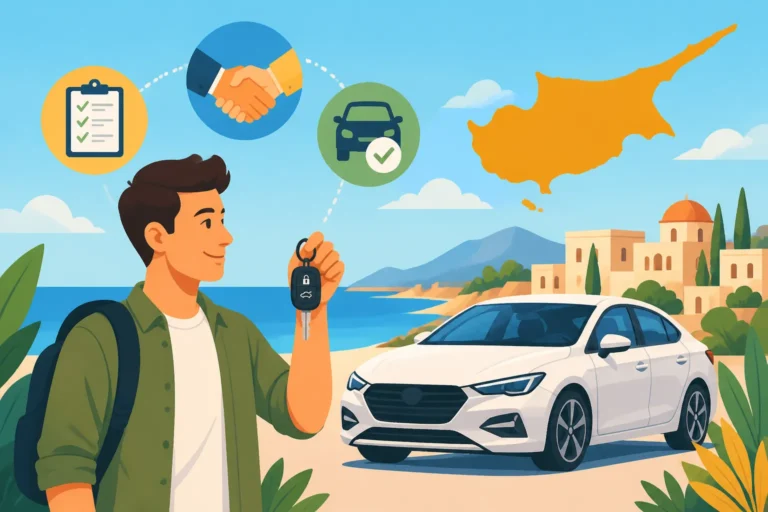
This is often the simpler route. You can buy new from dealerships (which can be pricey) or used from private sellers or second-hand car lots. Used car prices in Cyprus can sometimes be higher than in other European countries, due to import duties on non-EU cars and the island's small market. However, buying locally means the car is already registered, has its MOT (Ministry of Transport test, similar to an annual inspection), and you can quickly sort out insurance and road tax. You'll need to transfer ownership at the Department of Road Transport. When looking for a local purchase, understanding How to Buy a Car as a Newcomer in Cyprus is a good starting point.
Importing a Vehicle:
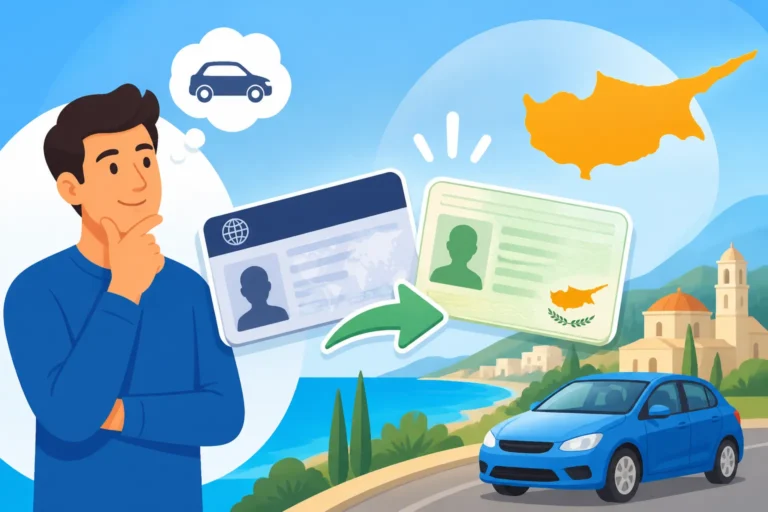
This option can be appealing if you have a reliable car you love back home, or if you believe you can find a better deal. However, it involves significant paperwork, shipping costs, import duties (if from outside the EU/UK, though post-Brexit UK cars have specific rules), VAT, and the hassle of getting it registered and roadworthy in Cyprus. You'll also need to consider converting your foreign driving license. If you're seriously considering this, research the latest regulations thoroughly. The process for importing vehicles, especially for non-EU citizens, can be quite complex.
Running Costs: Fuel, Insurance, Road Tax, and Maintenance
Owning a car in Cyprus comes with a recurring set of expenses:
- Fuel: Petrol and diesel prices fluctuate but are generally comparable to many other European countries. They can be a significant part of your monthly budget, especially if you have a long commute or enjoy frequent road trips.
- Insurance: Car insurance is mandatory and can vary widely based on the vehicle type, your driving history, and your age. Always shop around for the best quotes.
- Road Tax: This is an annual tax calculated based on your vehicle's engine size and CO2 emissions. It must be paid annually, and you'll need a valid MOT and insurance to renew it. You can find more details on How Much Is Road Tax for a Car in Cyprus?.
- MOT (Ministry of Transport) Test: All vehicles over a certain age (usually four years) must undergo an annual technical inspection to ensure they are roadworthy.
- Maintenance and Repairs: Garages are plentiful, and labour costs can sometimes be lower than in Western Europe, but parts might need to be imported, adding to the cost and waiting time.
Here's a simplified breakdown of typical annual running costs (estimates, as prices fluctuate wildly):
Expense Category Estimated Annual Cost (EUR) Notes The "Understanding how your residency status affects GeSY access in Cyprus" will cover this.
- "Understanding GeSY Co-Payments and Out-of-Pocket Fees in Cyprus"
- "Emergency Medical Care in Cyprus: What Every Expat Needs to Know"
- "How to Find an English-Speaking Doctor in Cyprus"
When You Might Get Away Without a Car
While a car is essential for most, there are specific scenarios where it might be possible to live in Cyprus without one, albeit with significant lifestyle adjustments and potentially some geographical limitations.
Hyper-Local Living: The "Walkable Village" or City Core Dweller
If you're truly committed to a car-free life, you'll need to be extremely deliberate about where you choose to live. This means finding accommodation in one of the very few truly "walkable" areas. For example, some central parts of Limassol, like the old town or areas very close to the beachfront promenade, might allow you to access supermarkets, pharmacies, cafes, and some public transport links on foot or by bicycle. Similarly, living right in the heart of Nicosia near a major bus terminal might work if your entire life revolves around that core.
However, even in these areas, you'll likely sacrifice space, potentially pay higher rent, and still face limitations for larger purchases or exploring beyond your immediate vicinity. This lifestyle suits individuals or couples with minimal needs, no children, and a very localized social life. It requires a mindset of careful planning and acceptance of convenience trade-offs. You might also consider relying more on delivery services for groceries or online shopping, but these don't replace the need for personal transport for many other aspects of life.
Short-Term Stays and Tourism
For tourists or those on very short-term stays (a few weeks or months), relying on taxis, tourist buses, and perhaps the intercity bus network can be manageable. If your primary goal is to relax by the pool, visit a few key attractions, and eat out, then scheduled transfers and cabs might suffice. For getting around the main resorts, taxis are readily available, and for longer distances between cities, the intercity buses (operated by companies like Intercity Buses) are a reliable and affordable option.
However, even for short-term visitors who want more than just the usual tourist circuit, renting a car for at least part of their stay is highly recommended. It offers the flexibility to explore at your own pace and discover those unique spots mentioned earlier. For newcomers evaluating The Complete Guide to Moving to Cyprus: Your First 90 Days (2027), a car often becomes a priority sooner rather than later.
Ultimately, while exceptions exist, the overwhelming consensus among expats who've lived here for any length of time is that a car is a foundational element for a comfortable and independent life in Cyprus. It's an investment in your freedom, convenience, and ability to truly experience everything this beautiful island has to offer.
Disclaimer
Please note that the information provided in this guide is for general informational purposes only and does not constitute professional advice. Regulations, costs, and services can change, so it's always recommended to verify details with official sources or relevant service providers for the most up-to-date information. While every effort has been made to ensure accuracy, the author and publisher cannot be held responsible for any errors or omissions.